Castillo del Laurel: A Historic Fortress in Ronda, Spain


Visitor Information
Google Rating: 4
Popularity: Very Low
Google Maps: View on Google Maps
Official Website: andaluciarustica.com
Country: Spain
Civilization: Unclassified
Remains: Military

History
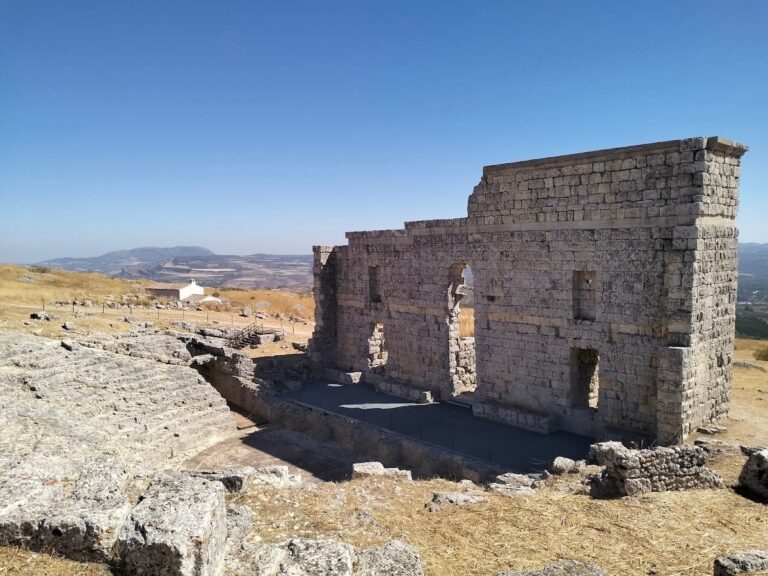
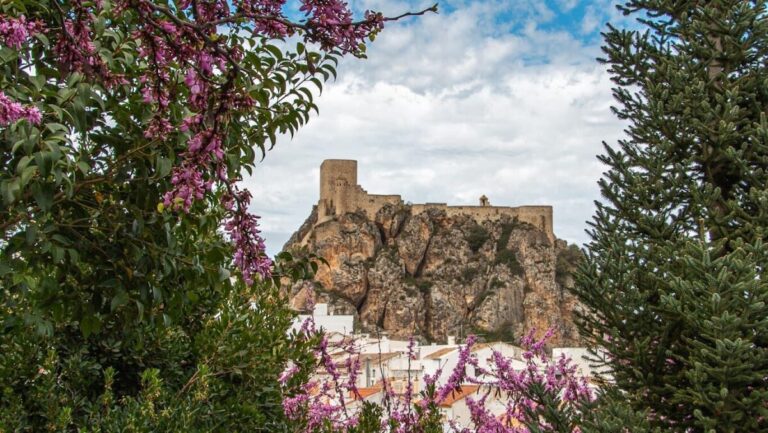
The Castillo del Laurel is a historic fortress situated in the town of Ronda, Spain. Originally built during the Roman period, it occupies a strategic rocky outcrop within the ancient urban area of this Andalusian municipality.
Its earliest known origins are linked to Roman military orders founded by Scipio Africanus, particularly the Order Arundense, which may have been responsible for establishing the original fortification referred to as Castillo del Laurel or Laurus. During the Roman Empire, Ronda was part of the province Hispania Ulterior Baetica, undergoing administrative changes that associated it with different regional divisions known as conventus, including Astigi, Gades, and Hispalis at various times. Although the exact Roman name of Ronda remains uncertain, its development occurred alongside other nearby settlements such as Acinipo, which ancient writers mistakenly identified as “Ronda la Vieja.” Unlike Acinipo, which declined and was abandoned early, Ronda continued as a populated center without interruption through later periods.
Following the Battle of Munda, an important confrontation during Julius Caesar’s civil war which some historians place near Ronda, it is believed that the city suffered extensive destruction, sparing only the fortress and a temple atop the rock. Afterward, the population relocated across the nearby river, founding a settlement known as Laurus. This site was later occupied by the Visigoths, who renamed it Onda or Unda after the Undo river. Over time, the upper town around the castle grew, while the lower Roman settlement remained near the springs and waterways.
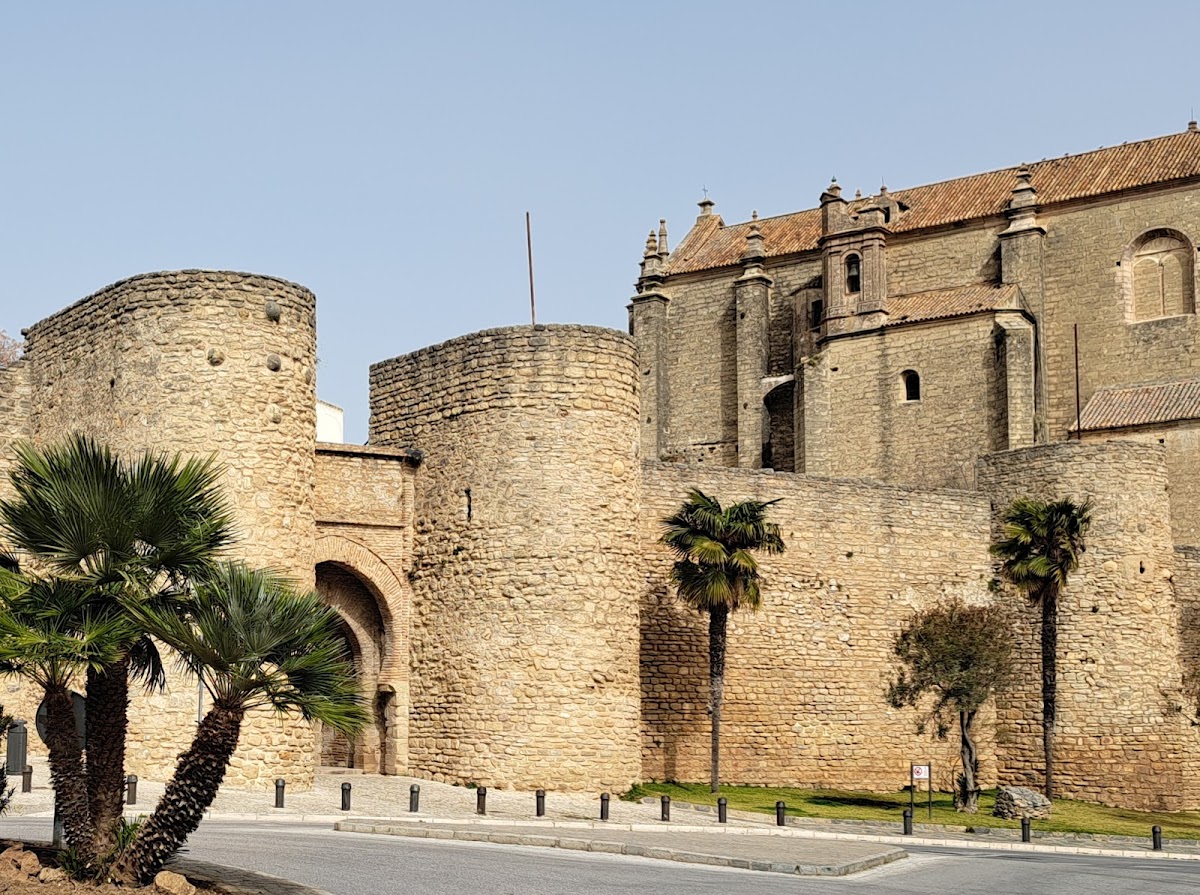
During the Muslim conquest of the Iberian Peninsula, the foundations of the original Roman castle served as the base for a new fortress constructed by the Islamic rulers. A temple standing on the rocky site was converted first into a mosque, reflecting the dominant religion of the time, and was later transformed into Ronda’s principal Christian church after the Reconquista. In the Laurus settlement, the Jewish community established their quarter surrounding the first Christian place of worship, Santa Cecilia, now known as Padre Jesús. This layering of religious and cultural influences highlights the site’s continuous occupation and importance throughout different historical eras.
Remains
The Castillo del Laurel survives today primarily through its foundational structures resting on a rugged rock formation within Ronda’s historic center. These foundations, originally Roman, were reused in medieval times to construct a fortress that became the focal point for the surrounding urban development, particularly the upper town that grew on higher ground. The site’s position atop the rock offered a commanding view of the locality and provided a naturally defensible location.
Archaeological findings confirm that the rock once supported a temple, which underwent several transformations corresponding to the dominant religious traditions of successive occupants. Initially serving as a place of worship in Roman times, the temple was later converted into a mosque during the Muslim period and eventually became the seat of the main Christian church after the Christian reconquest. This sequence reflects the religious and cultural shifts that marked the site’s history. Remains of these structures are preserved in situ, showing a remarkable continuity of sacred use on the same rock.
Artifacts discovered within the Castillo del Laurel include numerous inscriptions, though details regarding their content and exact locations have not been extensively documented. These epigraphic finds provide valuable evidence of the site’s long-standing administrative and military significance. The fortress encompasses the rocky terrain, integrating natural features into its defensive strategy rather than relying solely on constructed walls.
Today, the remains of the Castillo del Laurel enjoy protection under Spanish heritage laws, reflecting their recognized cultural and historical importance. This status safeguards the site for ongoing study and preservation. Although only portions of the original construction survive, they testify to the layered architectural history of Ronda, visible in how Roman foundations supported later medieval fortifications and religious buildings.
Nearby sites