Roman Sites in Malta: Explore Mosaic Floors and Rock-cut Catacombs
Roman sites in Malta include the decorated rooms of a town house and the underground burial complexes around Rabat. The Domvs Romana preserves mosaic floors laid for a wealthy household, while the catacombs contain corridors, communal spaces and several forms of tomb cut directly into limestone. Together, these places cover domestic decoration and burial practices during Roman and late antique occupation, rather than the island’s much earlier prehistoric temples.
Primary Function: All
Type: All
Popularity: All
Rating: All
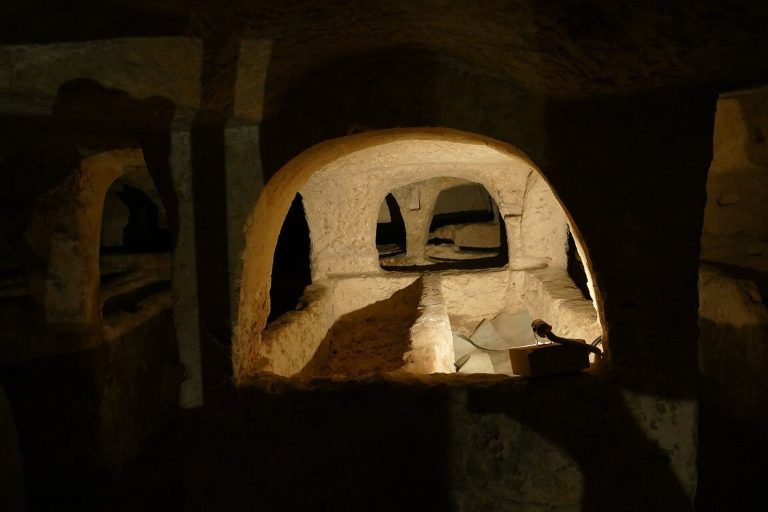
St Paul’s Catacombs formed part of the cemetery outside ancient Melite and preserve evidence of burial practices from the Phoenician-Punic period…
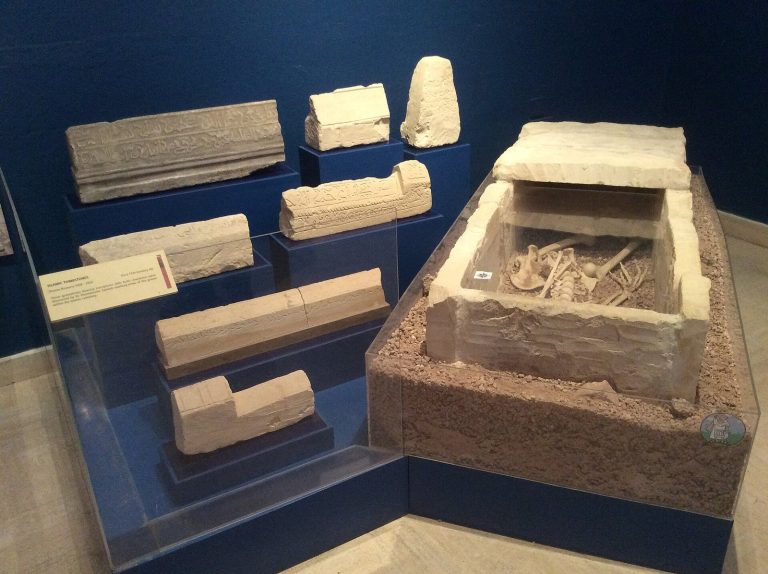
Domvs Romana Malta preserves the remains of an early Roman urban house in Melite, later reused as a Fatimid-period Muslim cemetery and protected by…
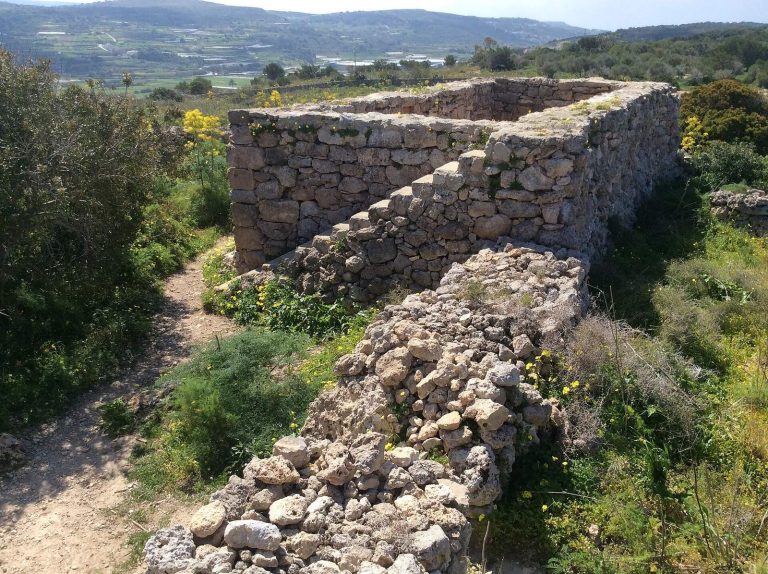
Xemxija Hill Heritage Walk follows a roughly 3.8-kilometre route shaped by Roman transport, pilgrimage, agriculture, prehistoric settlement, Punic…
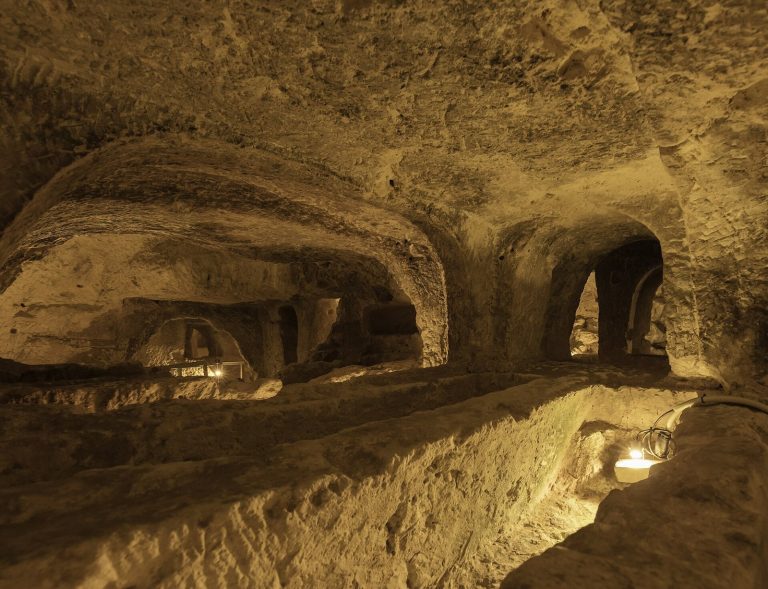
The Saint Agatha Catacombs in Rabat, Malta, are second- and third-century underground cemeteries used by Christian, pagan, and Jewish communities.…
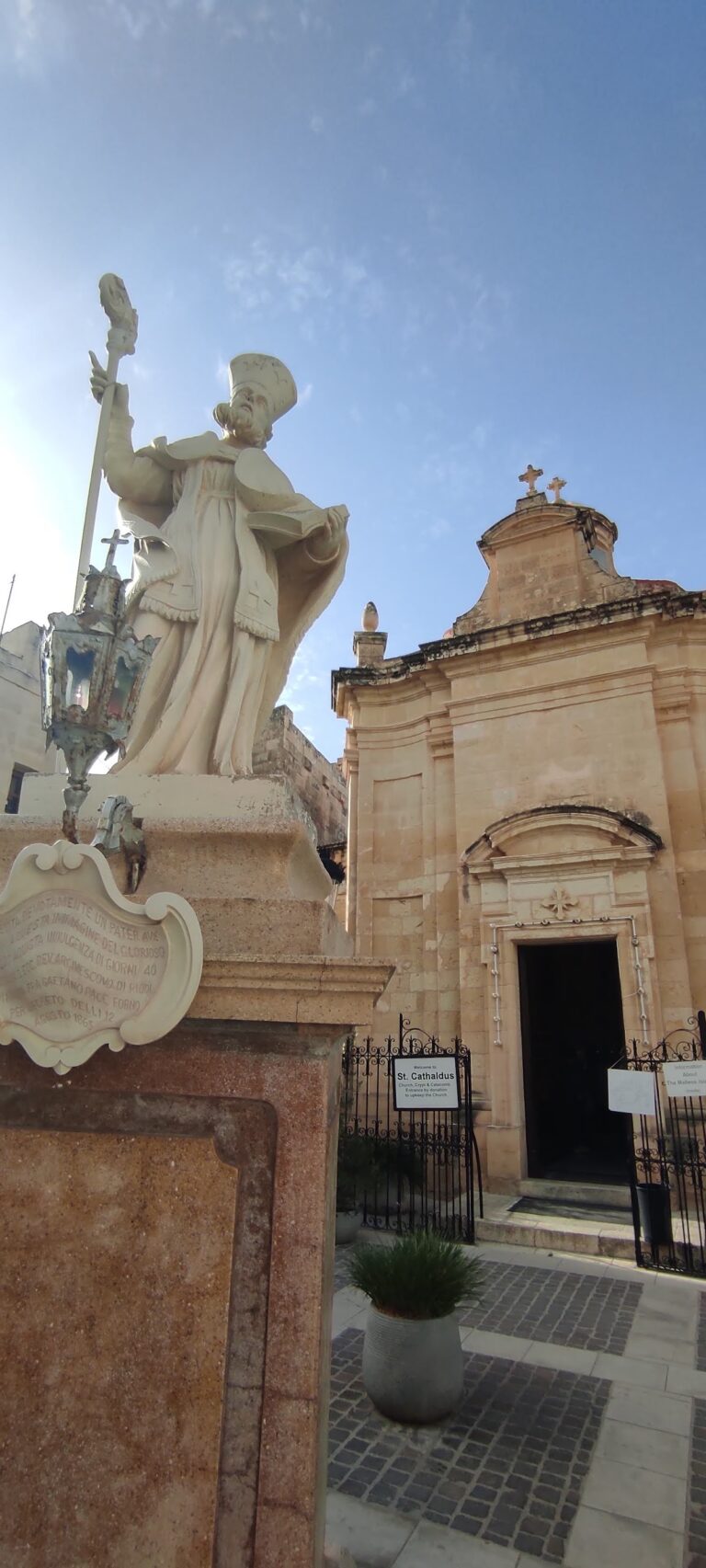
Church of St. Catald in Rabat, Malta, developed from a medieval sanctuary into an eighteenth-century Baroque church above a crypt and early Christian…
For details on how to use the maps, which sites are included, how popularity and ratings are determined, and how sites are classified, see the help page.
On this page4 sections
Domvs Romana: decorated rooms and household spaces
The Domvs Romana preserves a square colonnaded courtyard and adjoining rooms with mosaic floors. Smaller, undecorated rooms to the north and west probably served as workspaces and accommodation for servants. Their arrangement places the richly finished rooms within a larger working household, rather than an isolated suite of decorated chambers.
In one room, the floor was laid over a network of inverted amphorae, probably to help control damp. Surviving wall plaster imitated coloured marble and architectural features, extending the decoration above floor level. These details preserve both the construction beneath a floor and the finished surfaces that people saw inside the house.
Excavation also recovered fragments of imperial portrait statues, including figures identified as Claudius and members of his family. They form part of the museum’s collection alongside the protected floors. The restored courtyard columns and modern museum building are separate from the original domestic remains.
St Paul’s Catacombs: burial chambers and communal spaces
St Paul’s Catacombs contain a principal network of interconnected passages and burial chambers within a wider group of underground cemeteries. Two entrance halls have pillars shaped to resemble Doric columns, originally finished with painted plaster. Traces of red-painted images and writing survive elsewhere in the complex, adding decoration to the carved limestone surfaces.
In a smaller catacomb, a blocking stone bears a relief of surgical instruments. This has been interpreted as evidence for a burial associated with a surgeon or group of medical practitioners, although the identities of the occupants are uncertain. Such closure stones are part of the tomb fittings: they sealed burial spaces within a cemetery whose passages allowed people to return to individual graves.
St Agatha’s Catacombs: carved headrests and canopied graves
At St Agatha’s Catacombs, many graves retain a headrest carved into the limestone. Recesses at the head of a burial could indicate the position of one or more occupants. Canopied graves include arches and short supporting pillars, with stone slabs used to close the burial space. These details preserve the practical construction of the tombs as well as their architectural treatment.
The complex also contains rock-cut tables associated with commemorative meals and traces of painted decoration in burial spaces. The richly painted crypt belongs to a longer history of worship: many of its saint images are medieval, rather than decoration from the original late antique cemetery. The ancient tombs and the later devotional paintings therefore represent different phases within the same underground complex.
Explore the collection
Explore sites on the map or in the grid. Map icons reflect each site’s primary function, helping you identify different kinds of places at a glance. Narrow the results by primary function, site type or era, with additional filters for popularity and rating. Select a map marker to view the site’s details and open its article, or open the article from its grid entry.