Explore Ancient and Medieval Historic Sites You Can Still Visit
Explore a growing collection of more than 20,000 historic sites, including ancient cities, medieval castles, temples, palaces, monasteries and bridges. Discover places with standing buildings, preserved interiors and extensive archaeological remains.
Browse by country, civilization, period or type of site to find places around a destination or explore a historical interest. The main focus is ancient and medieval history, with prehistoric settlements and selected later structures also represented.
Start exploring

All Historic Sites
Explore the full collection of 20,000+ sites across countries and periods.
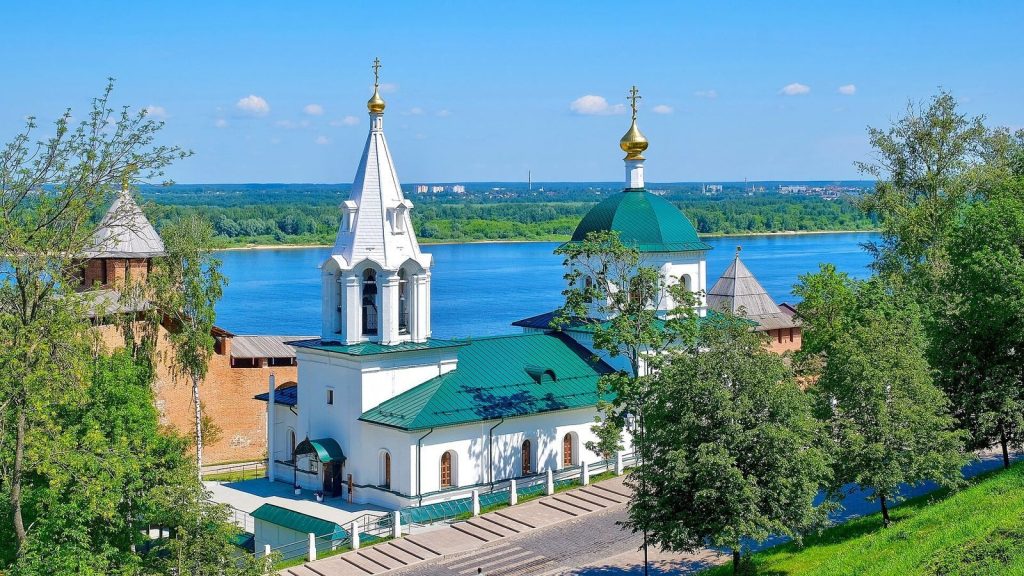
Explore by Country
Choose a country to discover its historic sites.
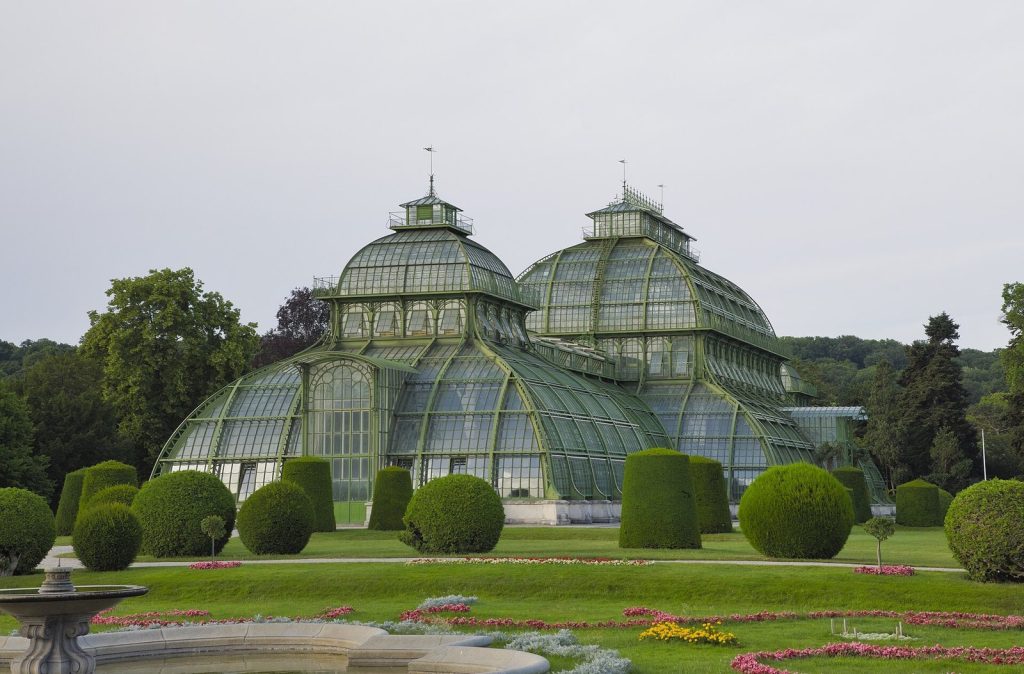
Explore by Civilization
Browse historic sites by civilization.
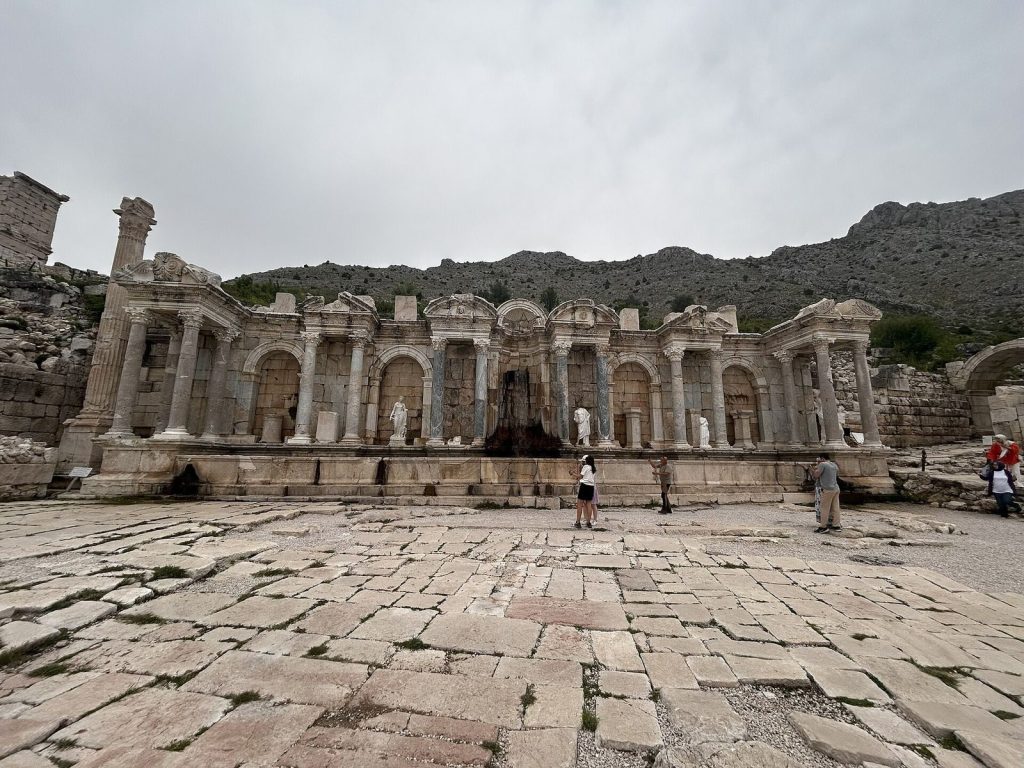
The Ancient World
Discover ancient cities, temples, theatres, tombs and other surviving structures.
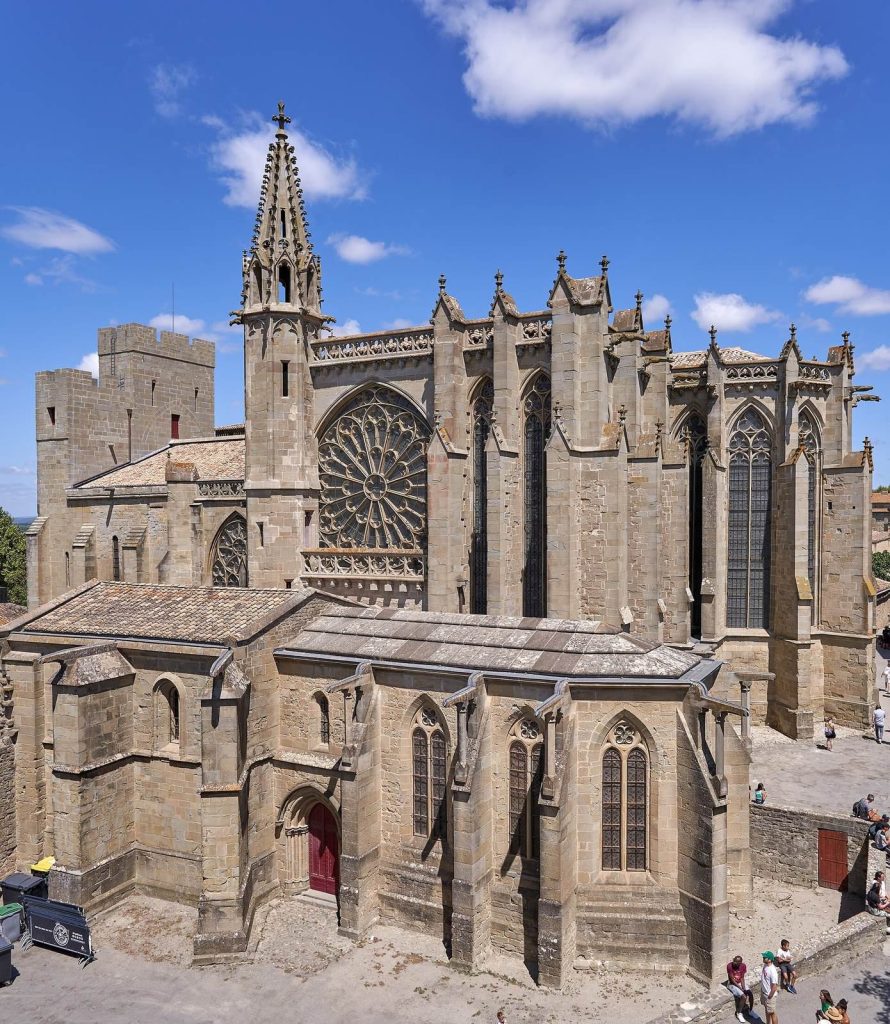
The Medieval World
Explore medieval castles, towns, religious buildings, palaces and bridges.
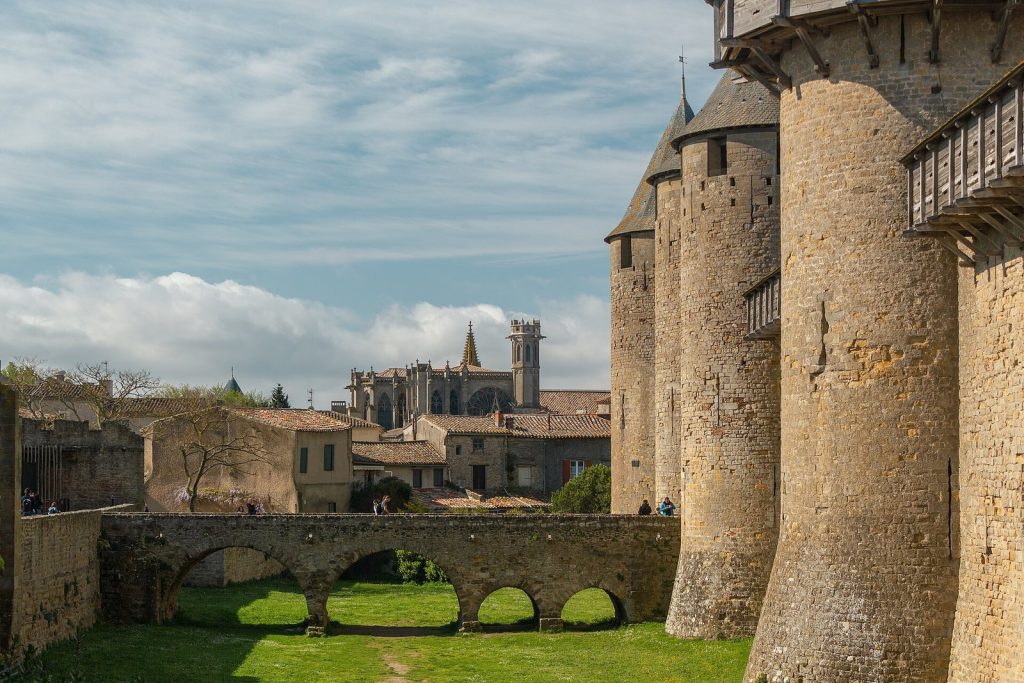
Castles & Fortifications
Browse castles, forts, citadels and town walls, alongside palaces and historic residences.
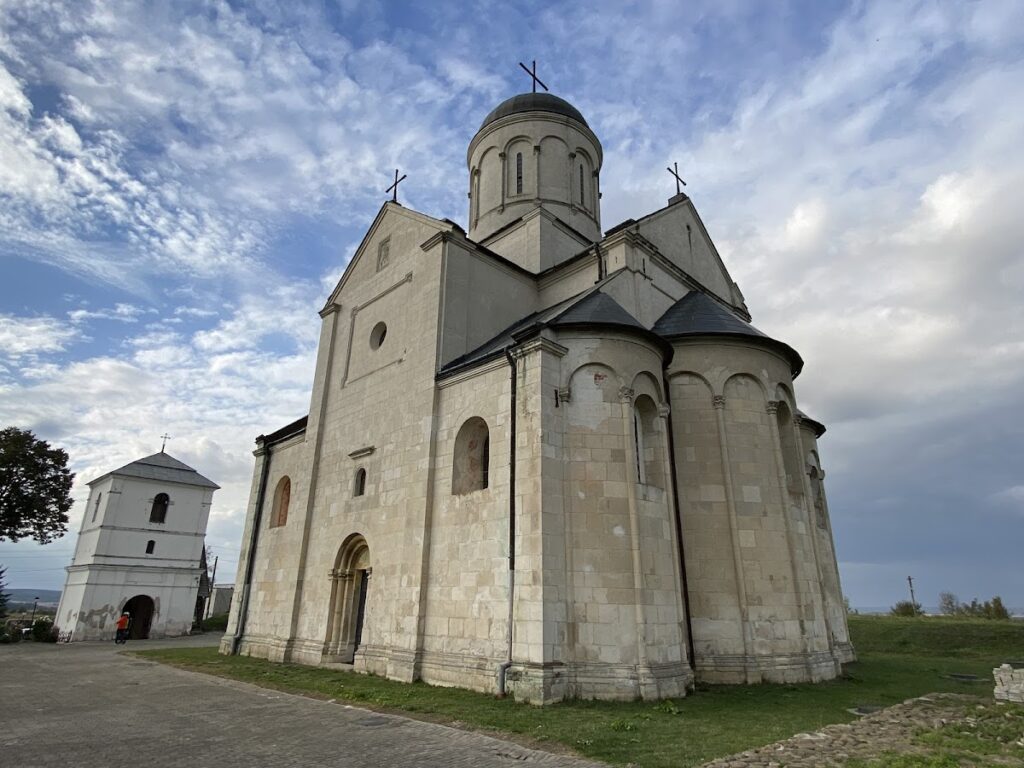
Religious Sites
Discover temples, churches, monasteries, mosques and other historic places of worship.
For details on how to use the maps, which sites are included, how popularity and ratings are determined, and how sites are classified, see the help page.
Discover the Buildings and Their History
Individual site articles explain what survives, how buildings were used and how they changed over time. Explore the streets and houses of ancient cities, the gates and towers of fortifications, or the halls, courtyards and interiors of palaces and religious complexes.
Alongside the site collection, articles explore the societies behind these places through subjects including food, clothing, housing, communication and trade.
Latest Additions
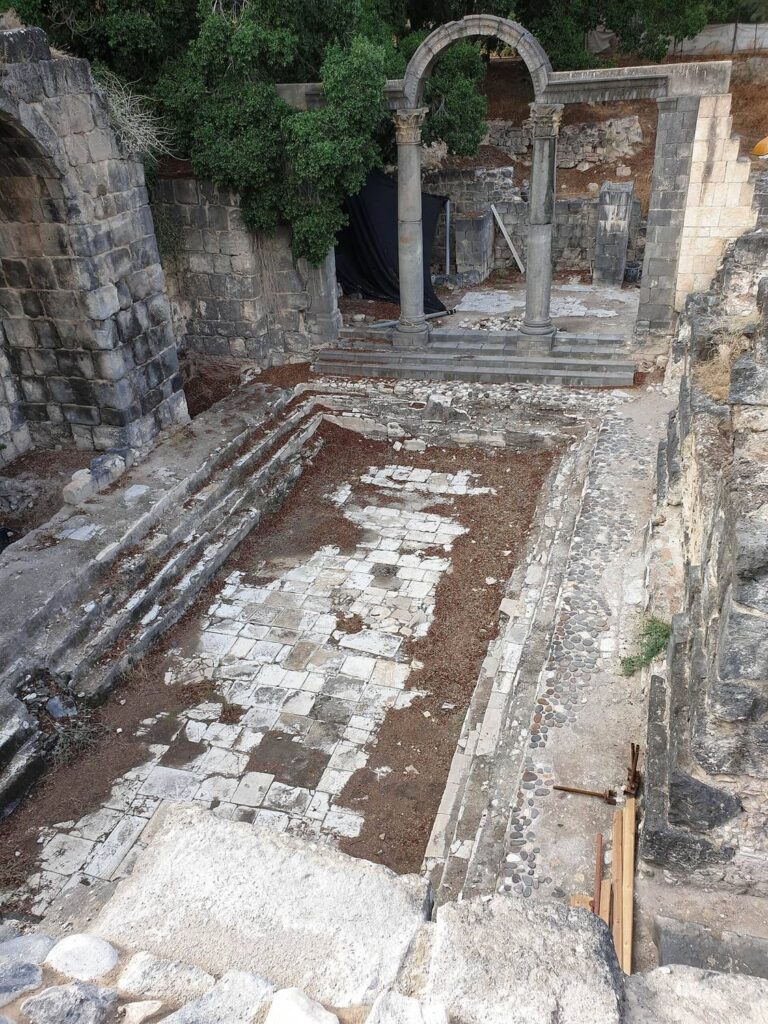
Hamat Gader’s thermal springs supported Roman baths and a late antique synagogue. Earthquakes, abandonment, renewed resort development, and modern conflict shaped the site’s later history.
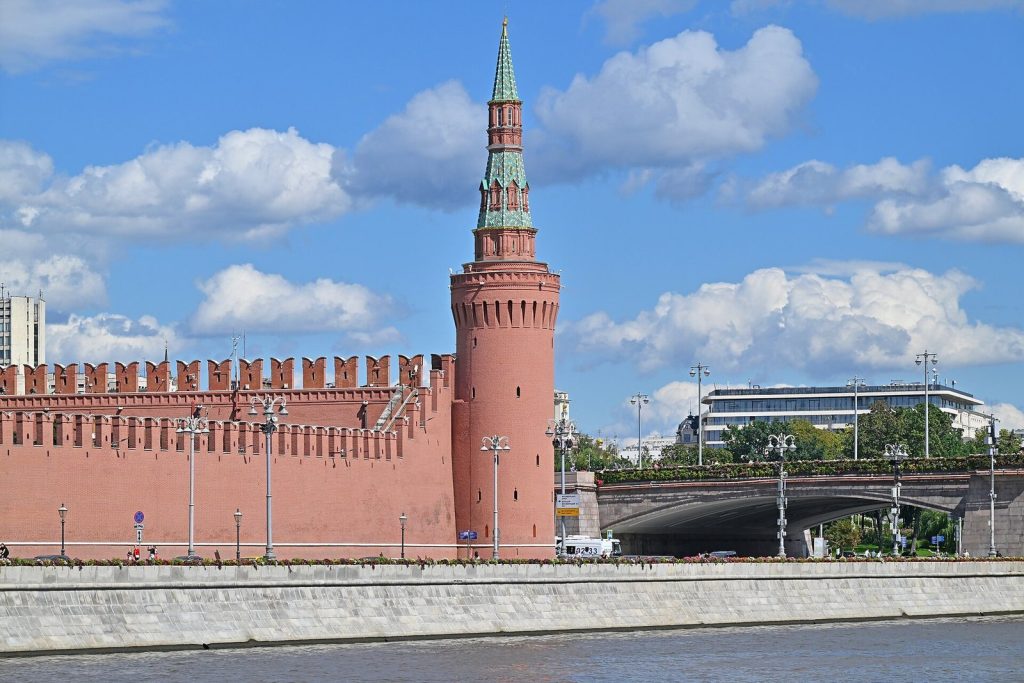
Completed in 1488, Beklemishevskaya Tower guarded the southeastern Kremlin and a crossing of the Moskva River. It later served as a prison and was altered and restored through several centuries of conflict and rebuilding.
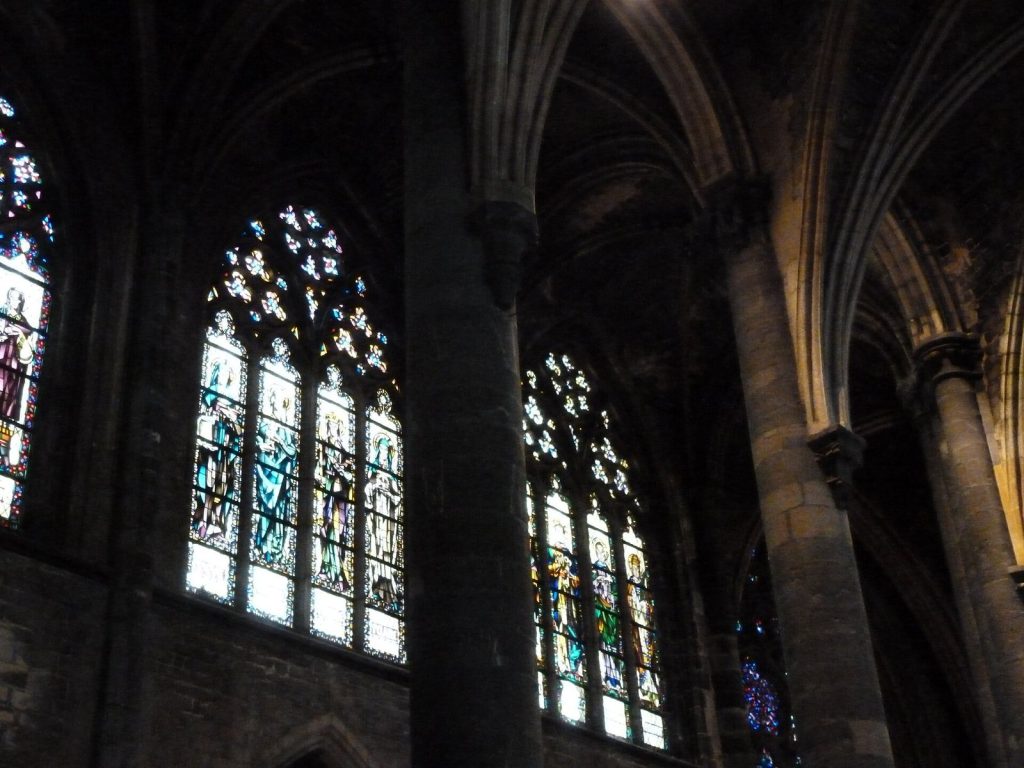
Founded by Bishop Notger in the late 10th century, Holy Cross Church became one of Liège’s historic collegiate churches. Its surviving fabric and artworks reflect medieval construction and later changes to the church.
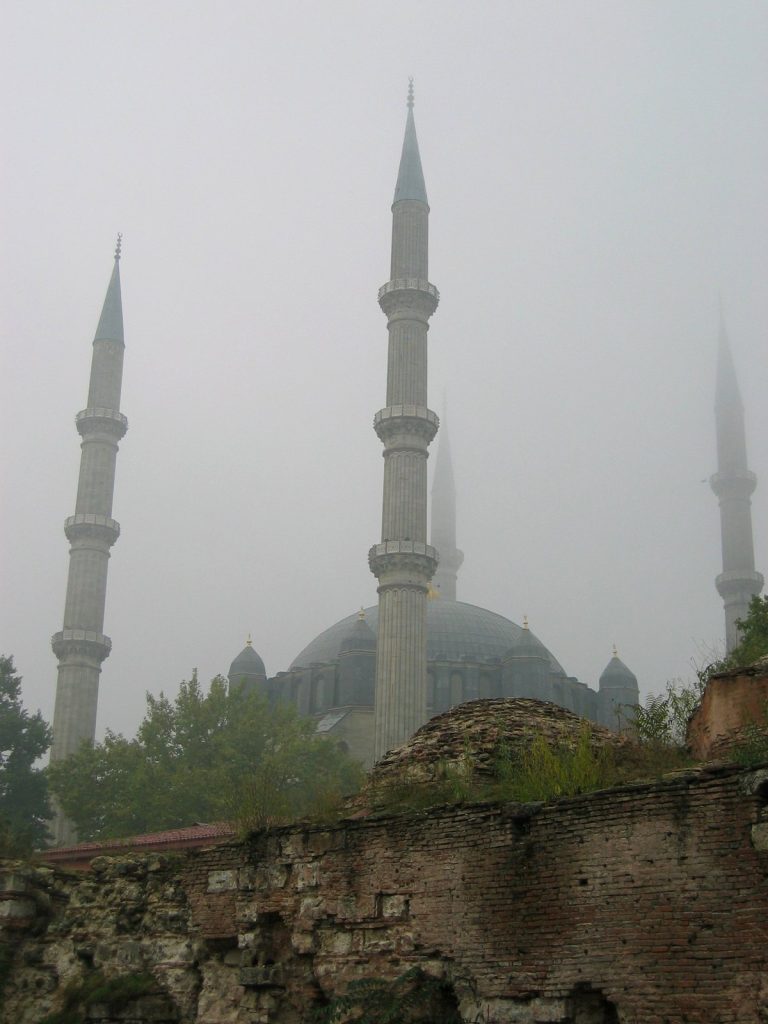
Commissioned by Sultan Selim II and designed by Mimar Sinan, Selimiye Mosque is an Ottoman architectural masterpiece whose central dome and surrounding religious complex shaped later mosque designs.
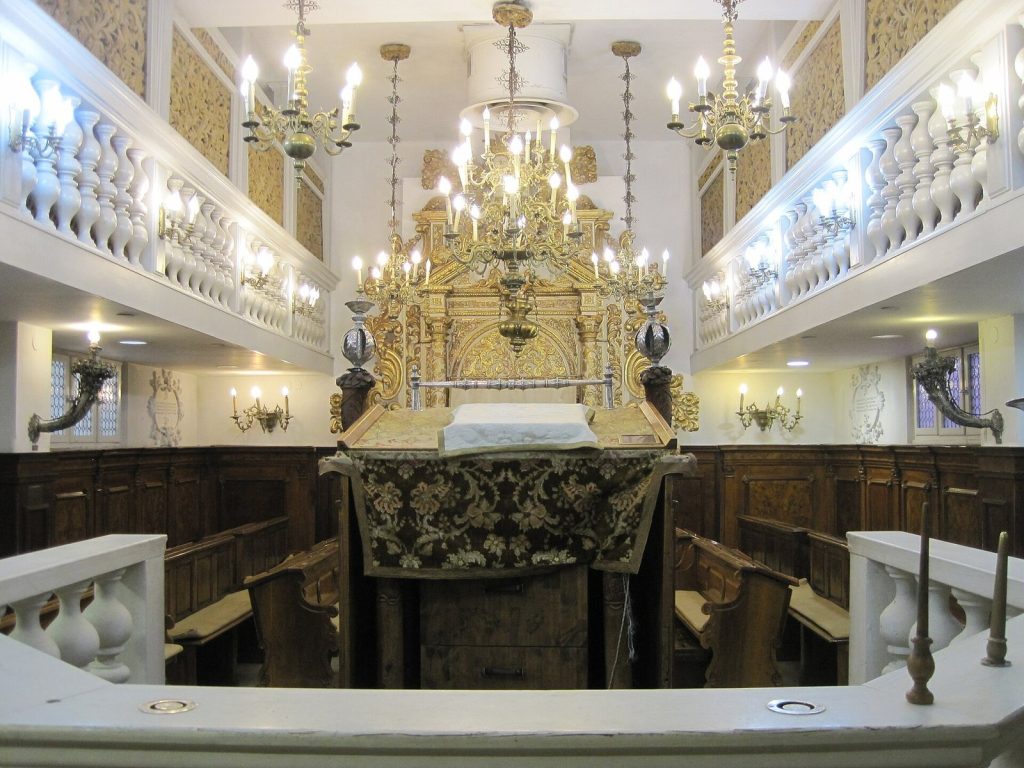
Opened in Jerusalem in 1952, the Tempio Italiano preserves the furnishings of the former Conegliano synagogue and serves a community following the Italian Jewish rite.
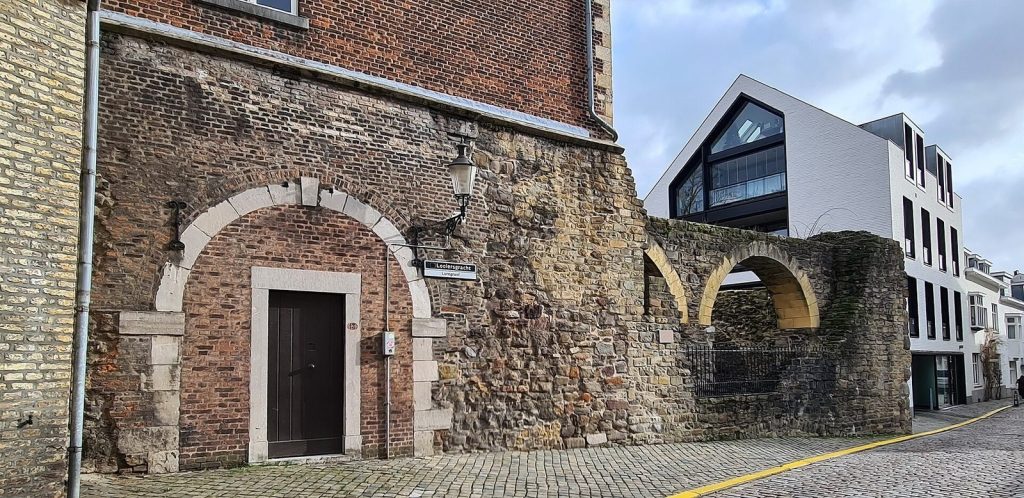
Authorized in 1229, Maastricht’s first stone city wall enclosed the town on the left bank of the Meuse. Surviving sections preserve parts of its defensive fabric, towers, gate and earthworks.