Roman Sites in Ukraine: Explore Black Sea Towns and Ancient Defences
Roman sites in Ukraine include the Black Sea settlements of Olbia, Tyras and Chersonesos. Founded as Greek cities, they later developed connections with Roman power through garrisons, trade and military protection. Their excavated streets, public buildings and defences belong to several periods, so Roman occupation is one part of a longer urban history. The collection brings these settlements together while distinguishing ancient remains from the medieval fortresses and later churches that also occupy their sites.
Primary Function: All
Type: All
Popularity: All
Rating: All
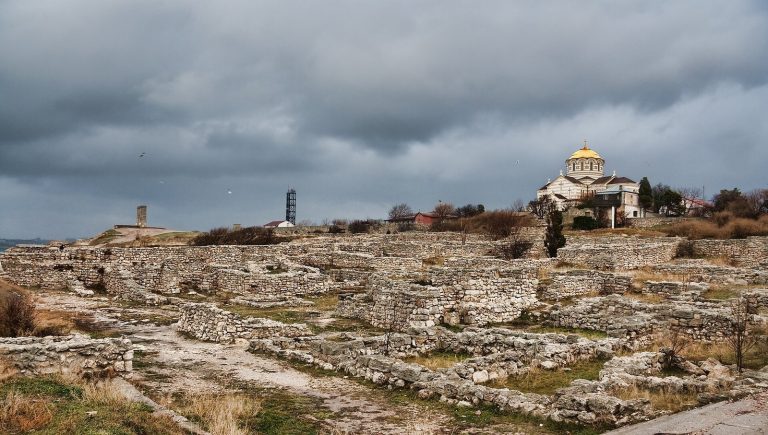
The National Preserve of Tauric Chersonesos preserves the ruins of an ancient Greek city in Sevastopol, along with its agricultural territory,…
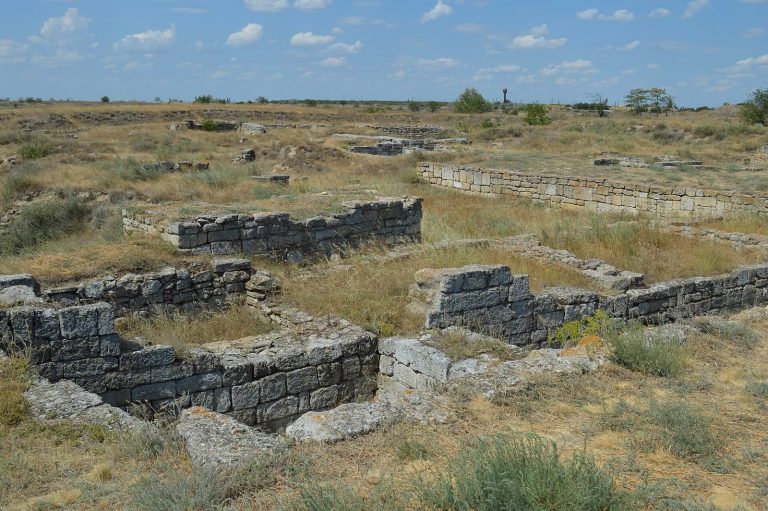
Olbia was a Greek colony founded by settlers from Miletus in 647–646 BC. Its remains preserve evidence of a major Black Sea trading center, mixed…
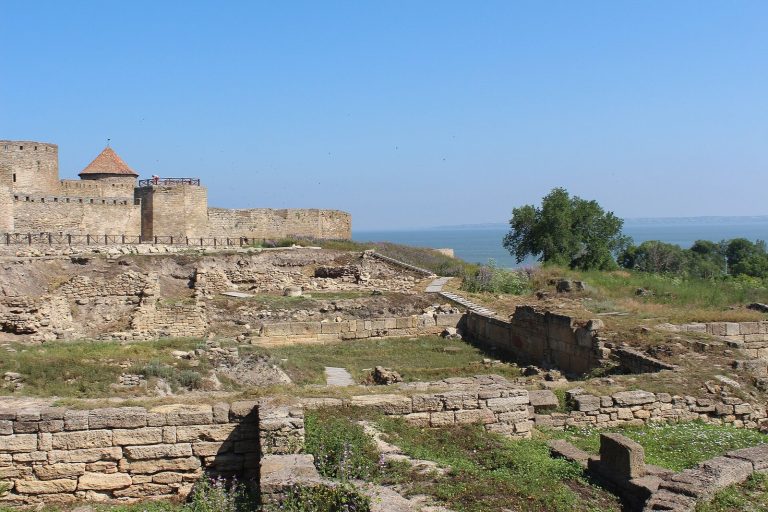
Tyras was a Greek foundation on the Dniester Liman that developed into a major port, a Roman military station, and part of a multilayered site later…
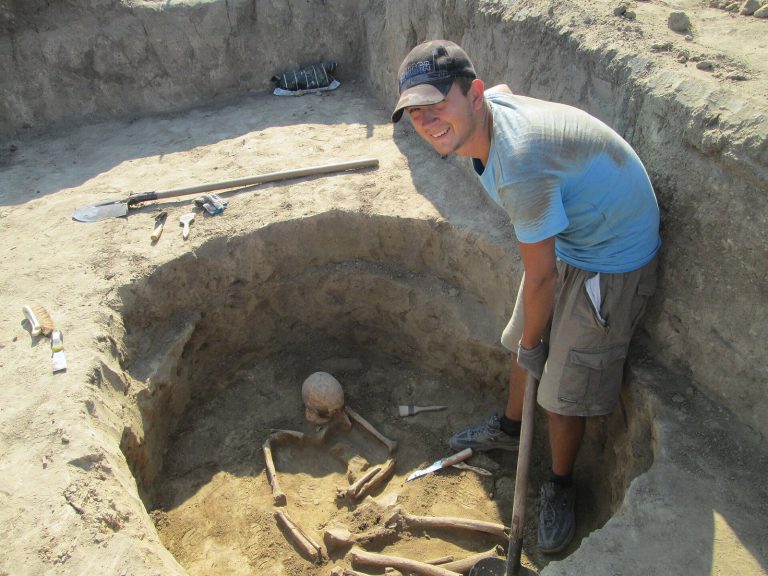
Cartal preserves evidence of settlement and burial activity across several millennia, including Getic and Roman-Dacian phases, a Roman fort, and…
For details on how to use the maps, which sites are included, how popularity and ratings are determined, and how sites are classified, see the help page.
On this page4 sections
Olbia: a Greek town with a Roman citadel
Olbia, beside the Southern Bug estuary, preserves an extensive excavated town with streets, residential quarters, public spaces and religious precincts. The northern entrance led into a main street, while commercial buildings occupied areas around the civic centre. Water channels and ceramic pipes formed part of the settlement’s infrastructure.
These features developed through different phases of the city’s history. The agora and Greek sanctuaries should not be attributed wholesale to Roman builders. Roman military occupation is represented more directly by the later citadel and its defensive wall, established within a settlement smaller than the earlier city. This fortified area identifies a distinct phase in the town’s changing relationship with the wider Black Sea region.
Part of ancient Olbia now lies below the estuary. The exposed upper town therefore represents only part of the settlement and its former connection with the waterfront.
Tyras: ancient walls beside Akkerman Fortress
At Tyras, in Bilhorod-Dnistrovskyi, excavated ancient buildings lie beside and beneath the much later Akkerman Fortress. Streets, domestic remains and defensive masonry belong to the town that occupied this position beside the Dniester estuary before the medieval enclosure was built.
Roman inscriptions record a garrison here, and the military citadel incorporated parts of the earlier defensive system. Its surviving remains must be read within that sequence of construction and reuse. The high walls and towers of Akkerman are medieval; they should not be presented as the standing defences of the Roman garrison. The Roman phase is instead documented through the excavated ancient structures and the evidence left by soldiers stationed in the town.
Chersonesos: streets, fortifications and later churches
Chersonesos, near Sevastopol, preserves a planned street network and a long sequence of occupation from its Greek foundation through Roman and Byzantine times. Excavated residential blocks, water-supply remains and stretches of fortification form part of that urban fabric. The surrounding agricultural territory also preserves the organisation of fields associated with the ancient city.
The standing and excavated defences include Roman and medieval phases. Likewise, the basilicas belong to the city’s later Christian development, while the large Cathedral of St Vladimir is a nineteenth-century building.
Recent construction has also affected the archaeological setting. Ukraine’s January 2026 conservation report submitted to UNESCO documents extensive excavation, new building and removal of artefacts. Modern structures associated with the new archaeological park are separate from the ancient remains, and older descriptions may not reflect the altered site.
Explore the collection
Explore sites on the map or in the grid. Map icons reflect each site’s primary function, helping you identify different kinds of places at a glance. Narrow the results by primary function, site type or era, with additional filters for popularity and rating. Select a map marker to view the site’s details and open its article, or open the article from its grid entry.