Vallehermoso Castle (Olvera): A Nasrid Frontier Fortress

Site at a Glance
- Rating
- 4.1
- Popularity
- Very Low
- Country
- Spain
- Primary era
- Medieval
- External website
- Open
- Eras represented
- Medieval
- Civilizations
- Nasrid
- Site type
- Military
- Remains
- Castle
On this page8 sections
History
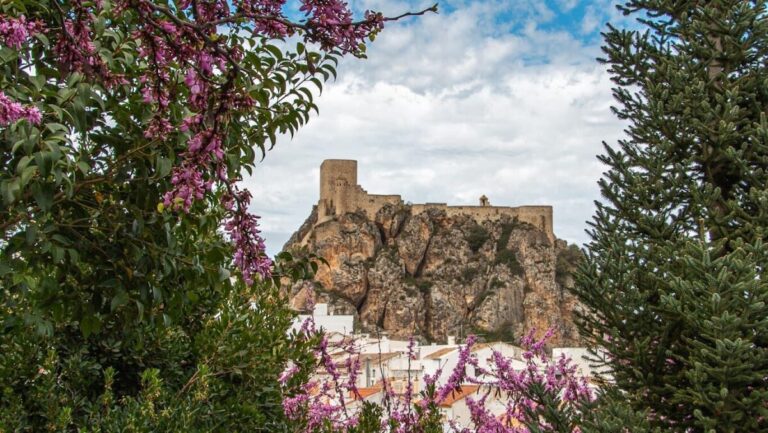
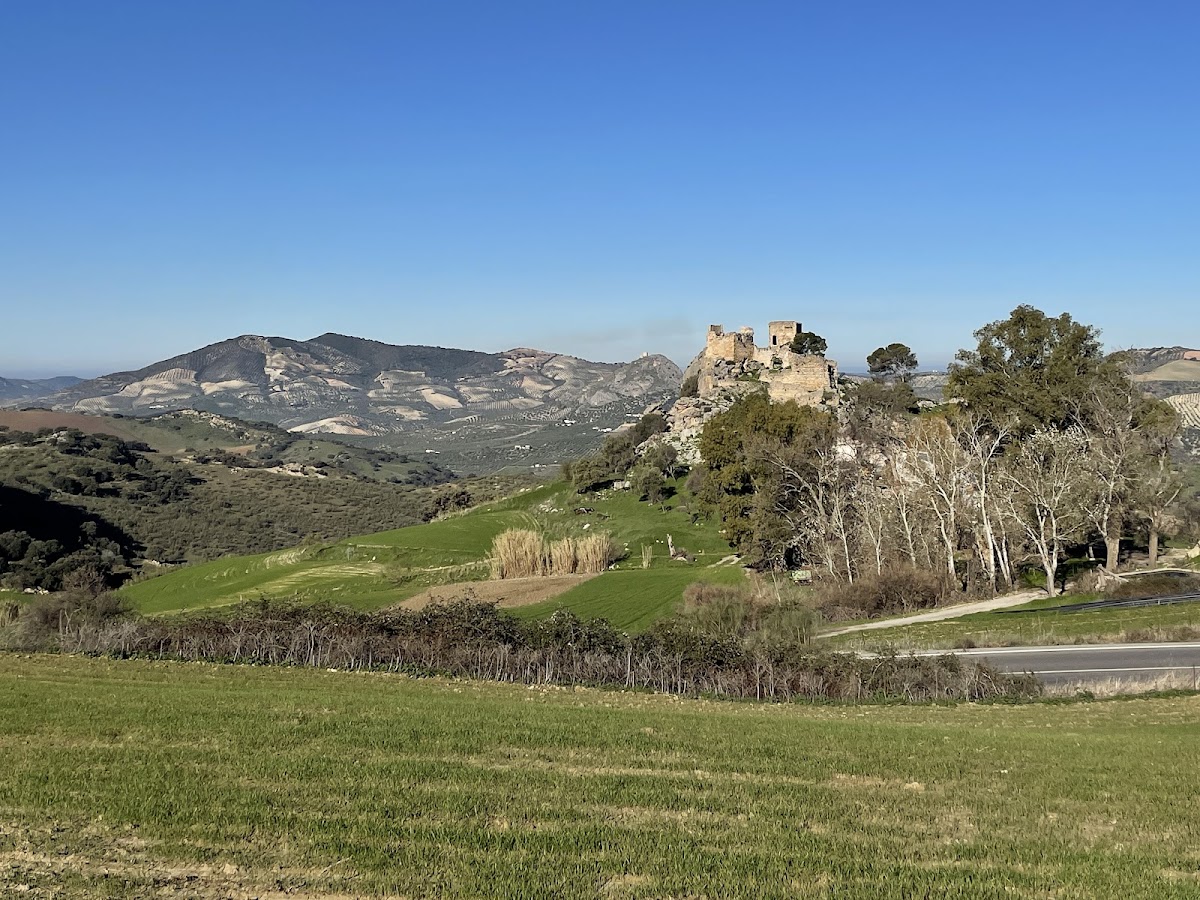
Vallehermoso Castle, also known as Ayamonte Castle or Carastas Castle, is a frontier fortress in Olvera, Cádiz, Spain. It belonged to the Nasrid Kingdom of Granada, the last Muslim-ruled kingdom in Iberia, whose frontier strongholds defended its territory against the expanding Crown of Castile.
Castilian Conquest
In 1327, Alfonso XI of Castile captured the castle together with Olvera and Pruna. Alfonso XI ruled Castile and León from 1312 to 1350, and the conquest formed part of the campaigns that later culminated in the Castilian victory at the Battle of Teba in 1330, a major defeat for the Nasrid kingdom.
Ruins and Conservation
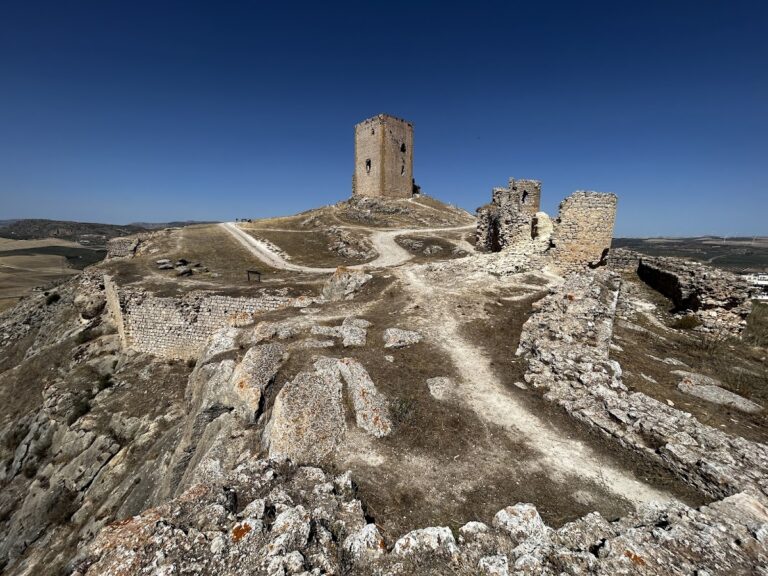
The fortress is now in a ruinous condition and has been included on Spain’s Red List of heritage at risk. Proposals to conserve and enhance the site have been promoted by the Association for the Defense and Promotion of Olvera’s Historical-Artistic and Natural Heritage, bringing together central, regional, provincial, and local administrations.
Remains
The small castle occupies a ridge formed of porous tuff. Its layout follows the narrow defensible position, with access from the side of the approach ramp. The ramp bends before reaching the entrance, while the enclosure contains the main defensive structures, a water-storage cistern, and a long tower-like building.
Fortifications
Entrance and Keep
The entrance was built of brick and surrounded by an alfiz, a rectangular frame around an arch or doorway. Only a small amount of the entrance structure survives. The keep also protected the gate, and traces indicate that it may have carried a small machicolation, a projecting defensive feature with openings for attacking people below.
Walls and Cistern
The walls are relatively thin, and the passage along their summit was probably a wooden walkway rather than a permanent masonry structure. Beneath the keep lies a cistern, a tank for storing water, which is now almost filled with silt.
Interior Building
A long, tower-like building stands inside the enclosure. It originally had two storeys and was entered through the upper floor. Its materials appear to belong to the same period as the castle’s construction. The building served as a livestock pen until almost the present day and may have housed a small troop responsible for watching the castle and the surrounding district.
Nearby sites