Roman Sites in Luxembourg: Explore Villas, a Theatre and Roadside Towns
Roman sites in Luxembourg include large rural residences and the excavated town of Ricciacum at Dalheim. Courtyard plans, bathing rooms and the stone seating of a theatre provide the main architectural examples. These remains reveal both the formal spaces of wealthy households and buildings used by people travelling or trading along a Roman road.
Echternach and Helmsange preserve the plans of extensive residences. At Dalheim, shops, workshops and public buildings occupied different parts of a settlement extending from a plateau into the valley below.
Primary Function: All
Type: All
Popularity: All
Rating: All
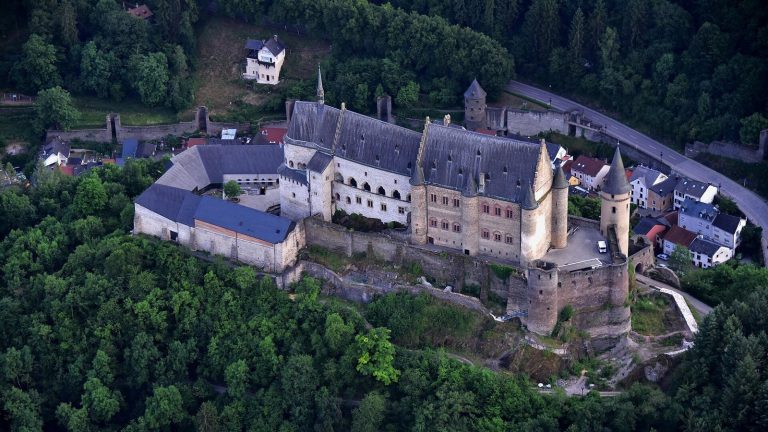
Vianden Castle developed from earlier Roman and Carolingian fortifications into a major medieval residence, later passed to Nassau and endured…
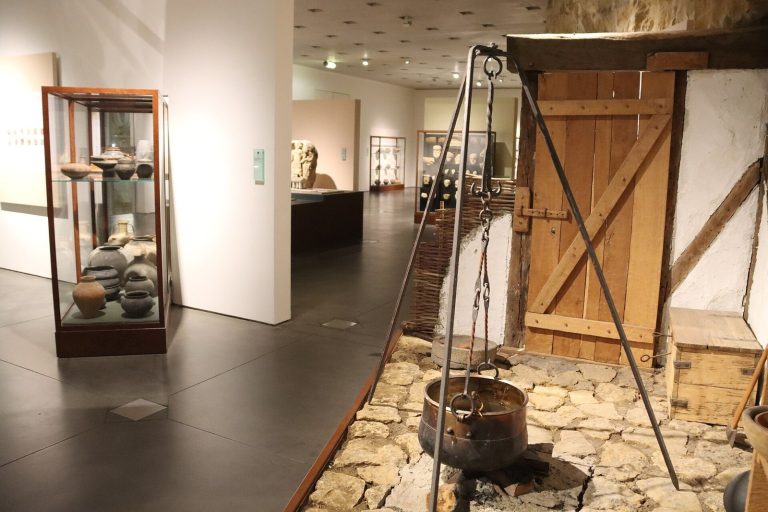
The National Art & History Museum in Luxembourg City developed from nineteenth-century scholarly collections and became the state institution…
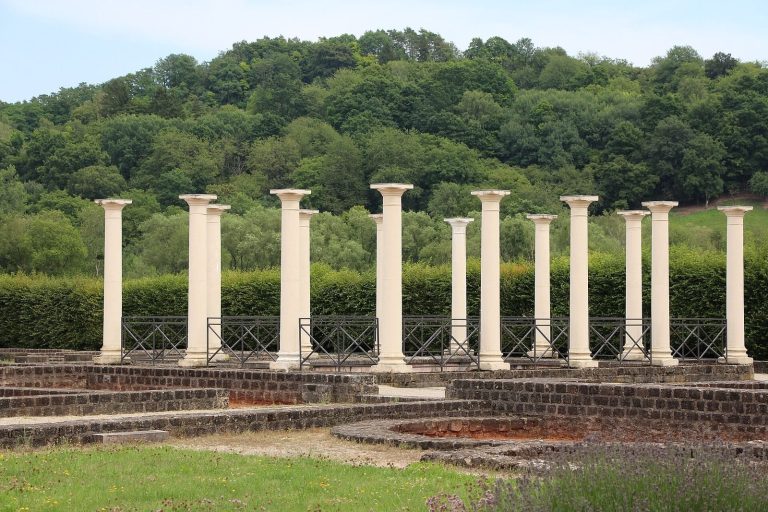
Roman Villa Echternach was a large Roman estate built around 70 CE and used until the fifth century. Its remains reveal an elaborate residence,…
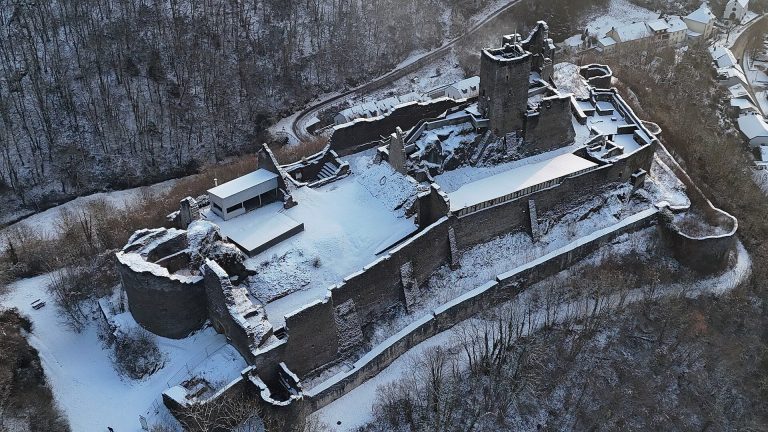
Brandenbourg Castle is a medieval fortress ruin in northern Luxembourg, built on a site with earlier Roman occupation and expanded into a major…
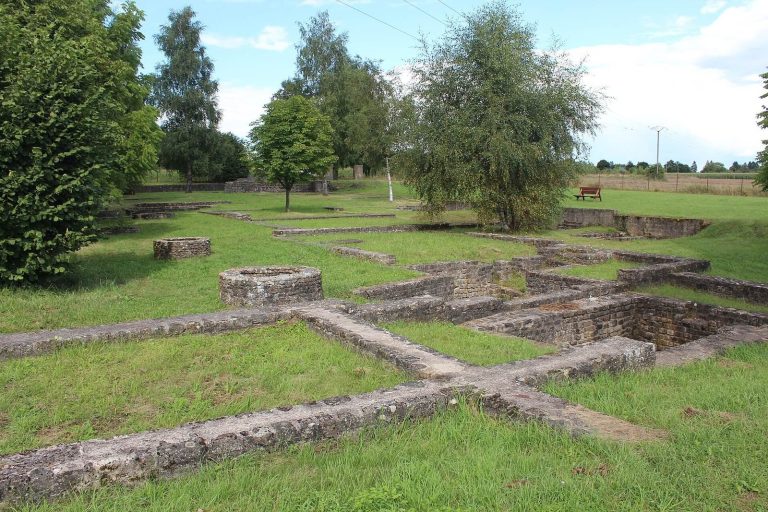
Ricciacum at Dalheim was a Gallo-Roman roadside settlement founded around 17 BC on the Via Agrippa. It developed into a regional centre with temples,…
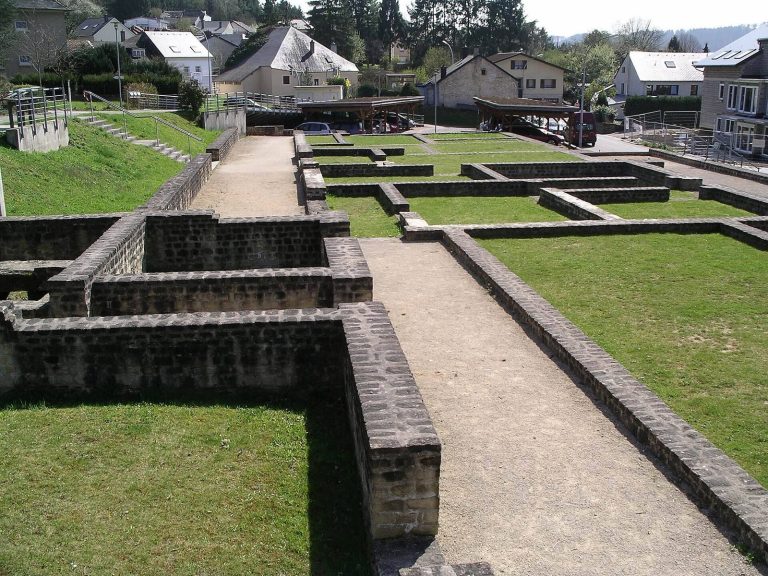
The Helmsange Walferdange Gallo-Roman villa was a large Roman rural residence built in the 1st century AD and occupied for more than three centuries.…
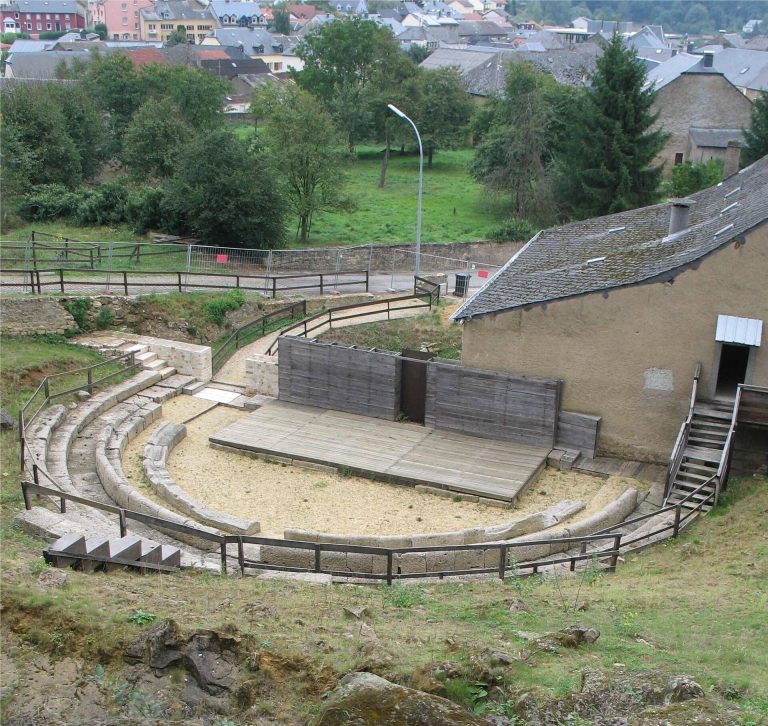
The Dalheim Roman Theatre belonged to Ricciacum, a Roman roadside settlement between Metz and Trier. Built and enlarged between the late first and…

Selve det gallo-romerske bad offers a glimpse into Roman life in Luxembourg through its remains of a thermal bath complex and associated settlement,…
For details on how to use the maps, which sites are included, how popularity and ratings are determined, and how sites are classified, see the help page.
On this page4 sections
Echternach’s courtyards and bathing rooms
The Roman villa at Echternach had a broad central residence with symmetrical wings, reception rooms and several courtyards. Colonnaded walks connected the main spaces. One large court led towards a formal dining hall, while another gave access to the bathing complex. A basin occupied the courtyard on the residence’s central axis.
Marble wall facing, mosaic floors and underfloor heating equipped parts of the house. Agricultural and service buildings stood to the south, separating the principal residential rooms from the estate’s working areas. The excavated walls make these divisions easier to follow than the scattered decorative fragments alone.
After destruction in the later third century, the whole residence was not rebuilt in its earlier form. Separate buildings were linked by colonnades, and the bathing facilities were enlarged. The expanded cold-bathing room contained a large square pool. Models and reconstructed rooms used to interpret the villa explain its former upper storeys and fittings; they are distinct from the excavated building fabric.
Dalheim’s shops and stone theatre seating
Ricciacum Archaeological Site developed beside the Roman road crossing the plateau at Dalheim. Narrow plots faced the route, with shops or taverns at the front and workshops, wells and ovens farther back. Porticoes sheltered the approaches to these premises. Stone buildings gradually replaced earlier timber houses with stone cellars.
The theatre was built into a former quarry on the steep slope below the plateau. Its first arrangement used timber seating and a wooden stage within stone outer walls. Stone seating was added later, with reinforcement to the walls against the pressure of the slope.
The front rows preserve places of honour with backrests and armrests. Above them, further tiers accommodated an audience of roughly three and a half thousand. Some upper seating blocks were subsequently removed for other construction. The remaining tiers provide a substantial public building alongside the shop and house plans of the roadside town.
Helmsange’s portico and projecting wings
The Gallo-Roman villa at Helmsange, in Walferdange, followed a different residential arrangement: a long front portico between projecting side wings. The principal building extended for almost a hundred metres and contained numerous rooms. Repeated alterations accompanied occupation from the first to the fourth century.
Its excavated plan records the size and organisation of the house, while recovered finds document its occupants’ possessions. These include enamelled brooches, glass beads, rings, pottery and coins. A carved limestone fragment from a stele depicting deities also provides evidence of religious objects within the estate. The finds belong to the archaeological record of the villa; the residence itself survives as excavated remains rather than a roofed palace.
Explore the collection
Explore sites on the map or in the grid. Map icons reflect each site’s primary function, helping you identify different kinds of places at a glance. Narrow the results by primary function, site type or era, with additional filters for popularity and rating. Select a map marker to view the site’s details and open its article, or open the article from its grid entry.