Byzantine Sites in Serbia: Explore Reused Palaces, Frontier Forts and Monastic Churches
Byzantine sites in Serbia include Roman complexes rebuilt for later settlement, forts restored along the Danube and churches constructed over earlier Christian foundations. Felix Romuliana changed from an imperial palace into a fortified community. Diana returned to use as a frontier stronghold under Justinian, while the Church of the Holy Mother of God at Kuršumlija incorporates an earlier religious site into a medieval Serbian foundation.
The surviving buildings do not all date to the same period. Large Roman walls could remain useful for centuries, and later builders introduced churches, houses and repairs inside them. The examples here focus on those changes in use and construction.
Primary Function: All
Type: All
Popularity: All
Rating: All
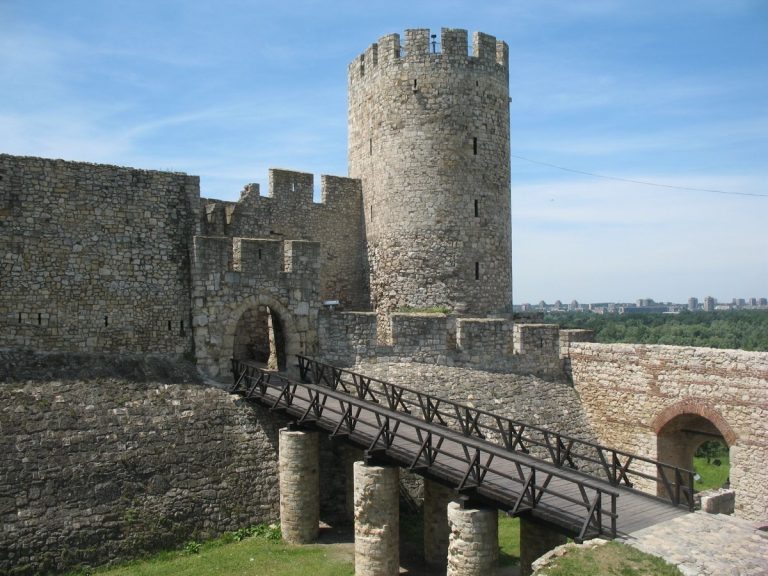
Belgrade Castle, also known as Belgrade Fortress, developed from the Celtic settlement of Singidunum into a Roman military camp and a strategically…
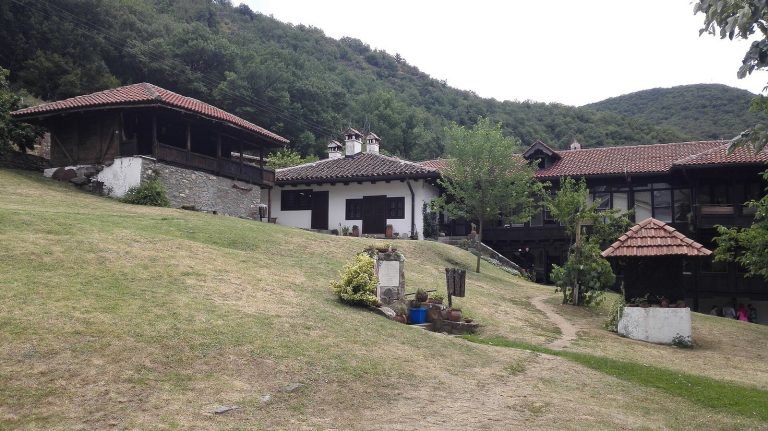
Traditionally founded in the 11th century, Prohor Pčinjski Monastery has been rebuilt and damaged across centuries of political change. Its church,…
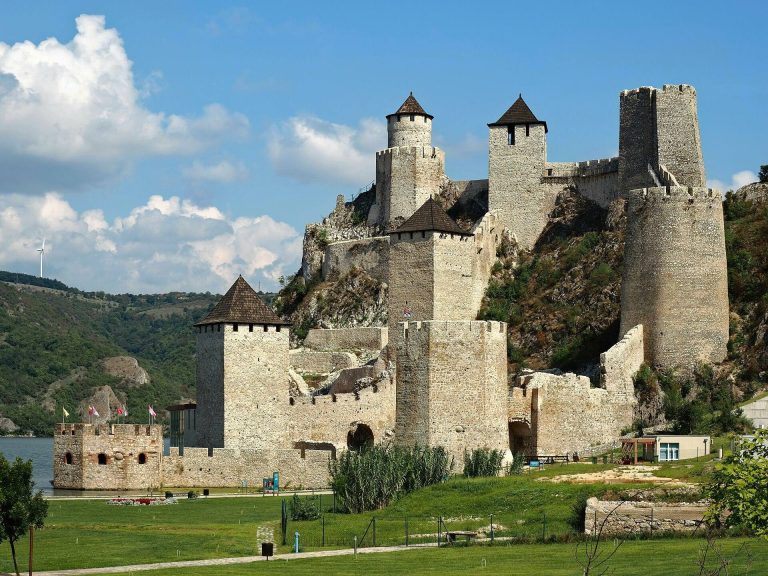
Golubac is a medieval fortress on the Danube in northeastern Serbia. Built and developed between the late 13th and early 14th centuries, it…
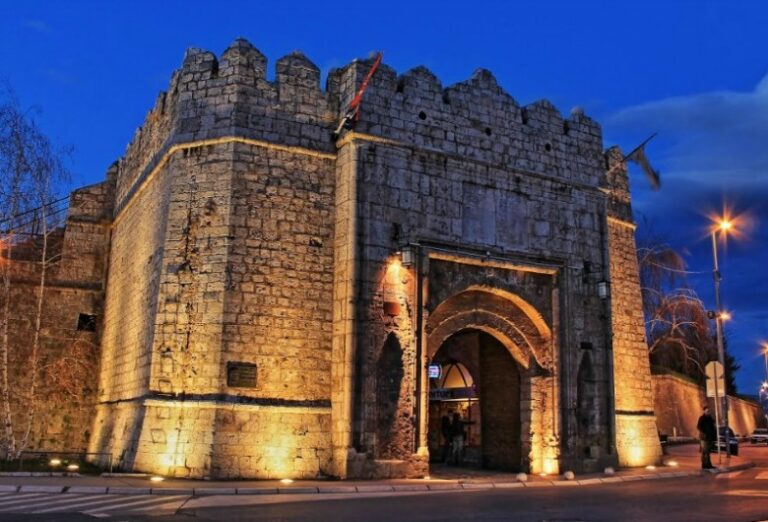
Niš Fortress in Serbia occupies a site fortified for more than two millennia. The present Ottoman fortress was built between 1719 and 1723 and…
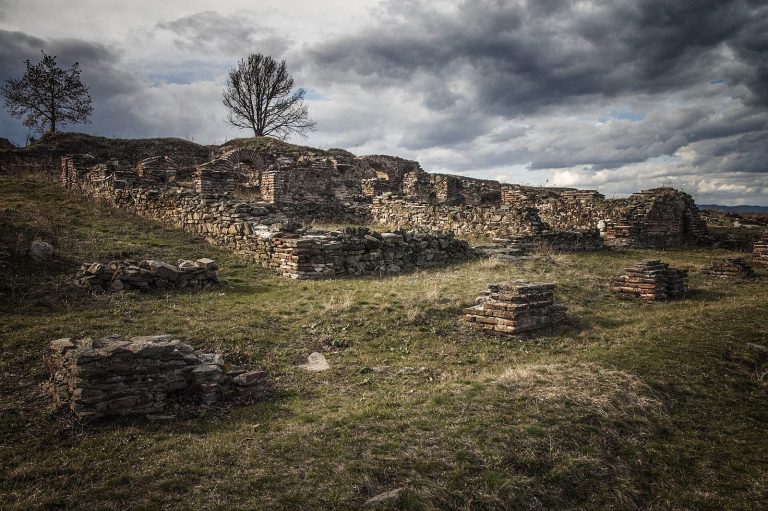
Founded in 535, Justiniana Prima became a major ecclesiastical and administrative center before its capture and abandonment in the early seventh…
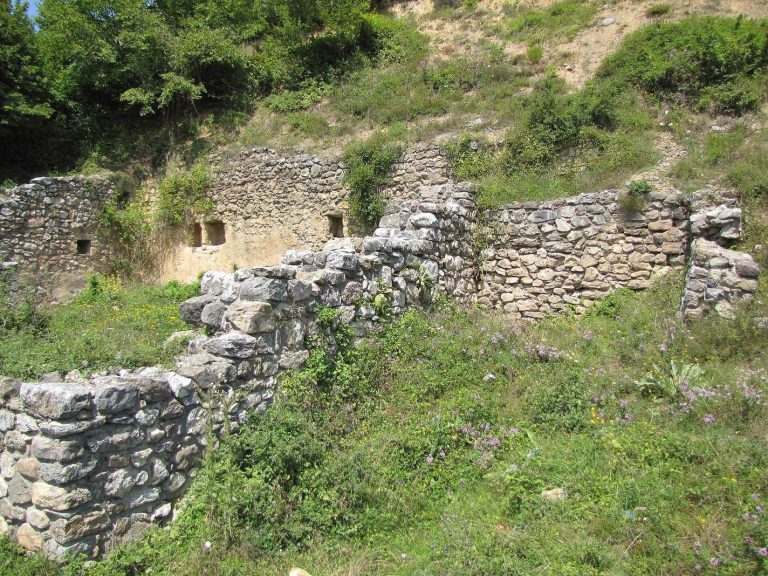
Stari Ras is a historical complex associated with the medieval Serbian center of Ras. Its fortresses, churches, monasteries, and market settlement…
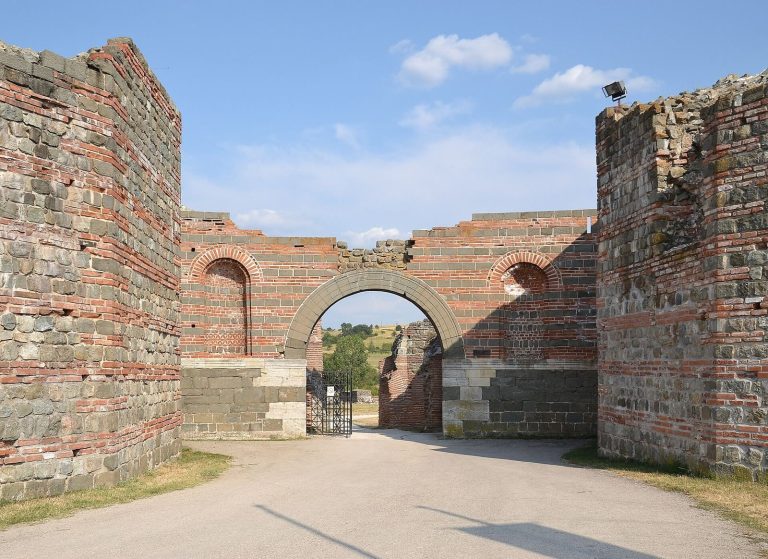
Felix Romuliana near Gamzigrad in eastern Serbia was built by Emperor Galerius as an imperial residence, ceremonial centre, and memorial complex. Its…
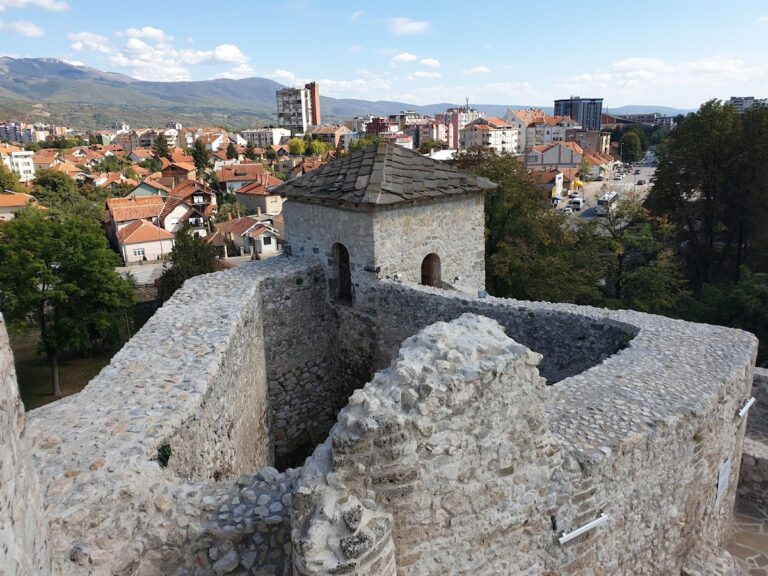
Pirot Fortress in Serbia developed from a Roman stronghold beside the Via Militaris into a complex shaped by Byzantine, Bulgarian, Serbian, and later…
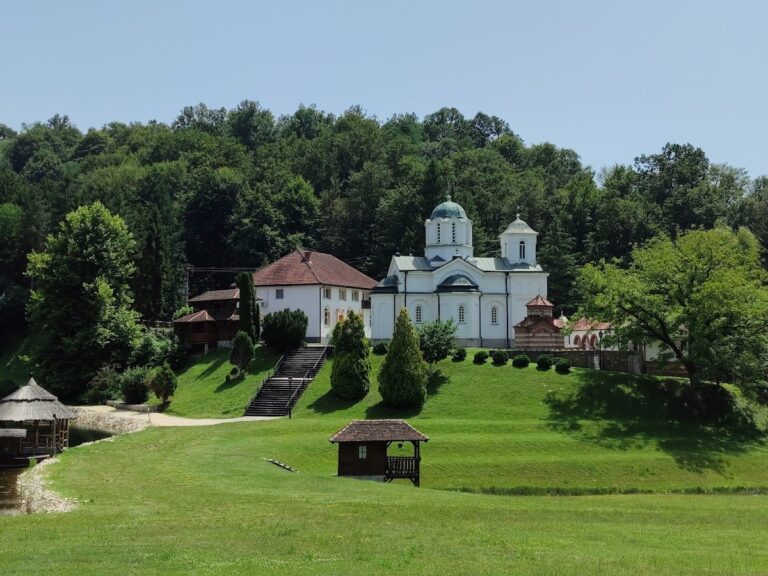
Kaona Monastery is a Serbian Orthodox foundation in Serbia, traditionally associated with the fourteenth century and first documented in 1548. Its…
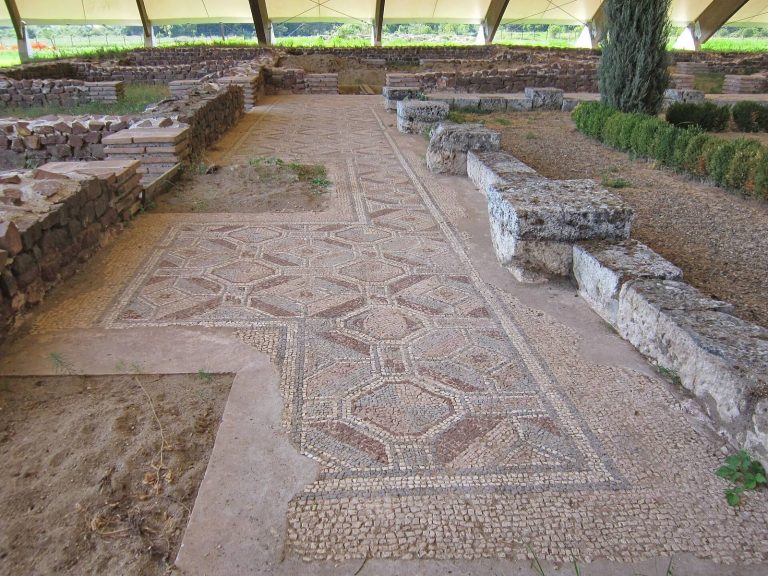
Mediana near Niš in Serbia developed from an agricultural estate into a fourth-century imperial residence, with villas, baths, mosaics, waterworks,…
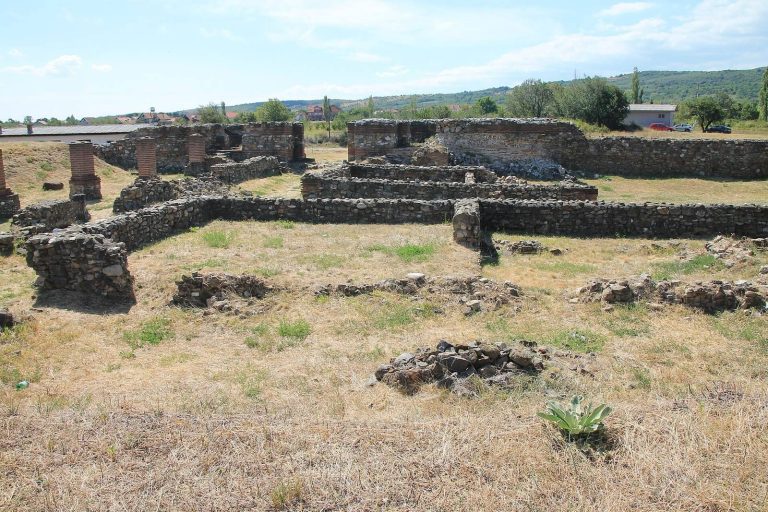
Roman Fortification Diana guarded the Danube frontier and a canal bypassing its cataracts. Rebuilt several times from the first century through the…
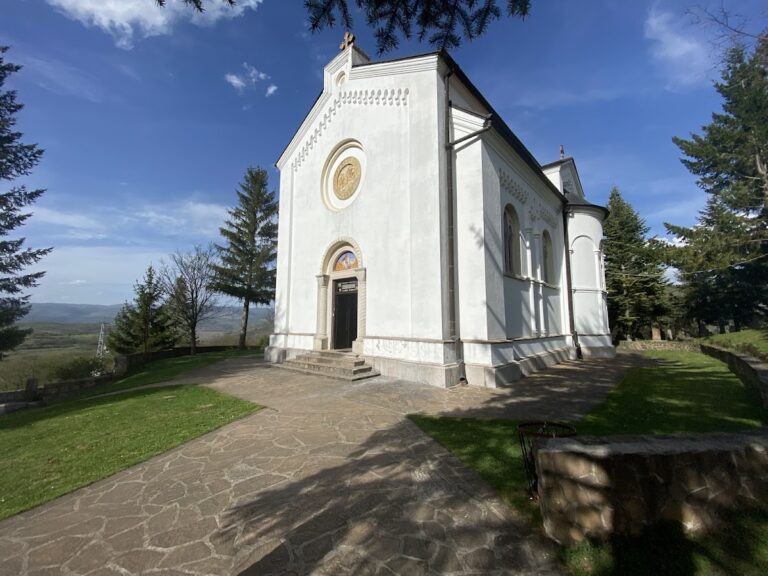
Divljana Monastery near Bela Palanka preserves traditions reaching back to a late-antique Christian basilica and a long history of rebuilding,…
For details on how to use the maps, which sites are included, how popularity and ratings are determined, and how sites are classified, see the help page.
On this page4 sections
Felix Romuliana: settlement inside an imperial enclosure
Felix Romuliana was originally commissioned by the Roman emperor Galerius as a fortified palatial complex. Its large enclosure contained residences, temples, baths and ceremonial rooms. During the sixth century, substantial rebuilding adapted the site as an early Byzantine settlement and stronghold.
Christian basilicas were added during the later Roman and Byzantine occupation. Building material from the ruined funerary monuments on nearby Magura Hill was reused in houses within the defences. Stone once associated with imperial burial therefore became part of the later community’s domestic buildings.
The immense outer walls and towers belong principally to the Roman palace, while the churches and later occupation changed the arrangement of the interior. Destruction in the later sixth century and abandonment around the beginning of the seventh interrupted this settlement. A further medieval occupation followed the Byzantine reconquest of the region, adding another phase within the inherited enclosure.
Diana: rebuilding a Danube stronghold
The fort of Diana occupies elevated ground above the Danube. Its enclosure contains the remains of gates, military accommodation, storage buildings and internal roads. Earlier construction had already supplied a substantial stone defensive circuit before Justinian’s rebuilding around AD 530.
The renewed fort used a position connected with river movement and the land approaches beside the gorge. Projecting towers protected the enclosure, while the excavated interior records the buildings needed to accommodate and supply its occupants. These structures belong to successive phases, so individual walls and rooms should not all be assigned to Justinian’s campaign.
Diana’s final destruction came during an Avar and Slavic incursion at the end of the sixth century. Its surviving plan records the continued use of a Roman military installation in the Byzantine frontier system, with rebuilding extending the working life of a site first established much earlier.
Kuršumlija: the Church of the Holy Mother of God
The Church of the Holy Mother of God at Kuršumlija was founded by Stefan Nemanja in the twelfth century over an earlier Byzantine church. Its ruined walls preserve a triconch plan: three projecting rounded spaces arranged around a single central nave. The eastern altar apse has a curved interior and a triangular exterior.
The building incorporates more than one masonry phase, including brick, cut stone and later dressed sandstone. Excavation identified two western towers, while monastic accommodation stood to the south. Conservation and partial rebuilding have contributed to the present form of the ruins.
The church belongs to Nemanja’s early Serbian monastic foundations. Its older foundations and Byzantine connections do not make the standing medieval arrangement a sixth-century building. The surviving plan provides the main architectural interest; the frescoes recorded in older accounts have been lost.
Explore the collection
Explore sites on the map or in the grid. Map icons reflect each site’s primary function, helping you identify different kinds of places at a glance. Narrow the results by primary function, site type or era, with additional filters for popularity and rating. Select a map marker to view the site’s details and open its article, or open the article from its grid entry.