Roman Sites in Turkey: Explore Theatres, Temples and Waterworks
Roman sites in Turkey include the public buildings of established Greek and Anatolian cities, bridges across inland rivers and the water-storage structures of late antique Constantinople. Colonnaded streets, temple precincts, stadiums and aqueducts survive across the collection. These examples focus on buildings developed or altered under Roman rule, while distinguishing earlier foundations, later Christian conversion and modern reconstruction where they affect what stands today.
Primary Function: All
Type: All
Popularity: All
Rating: All
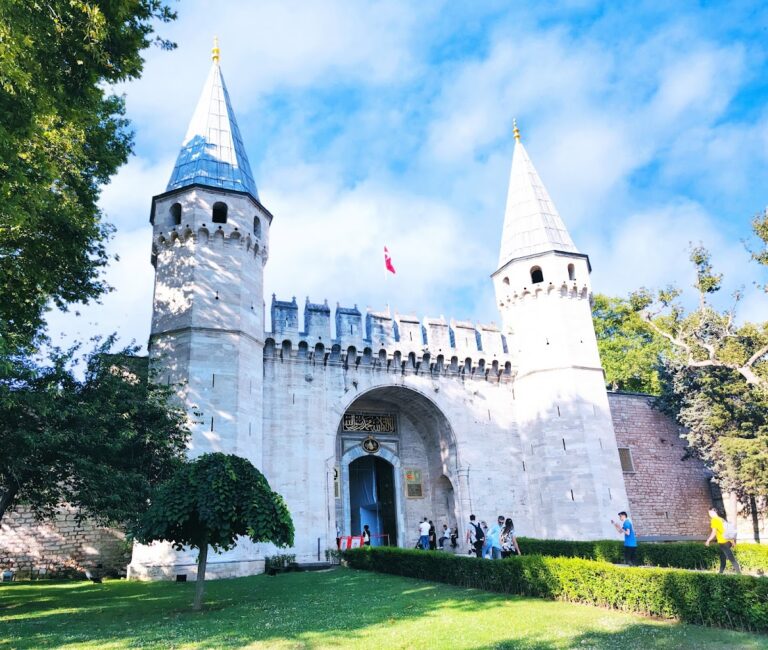
Topkapı Palace was the principal residence, court, and administrative center of the Ottoman sultans from the fifteenth century until the court moved…
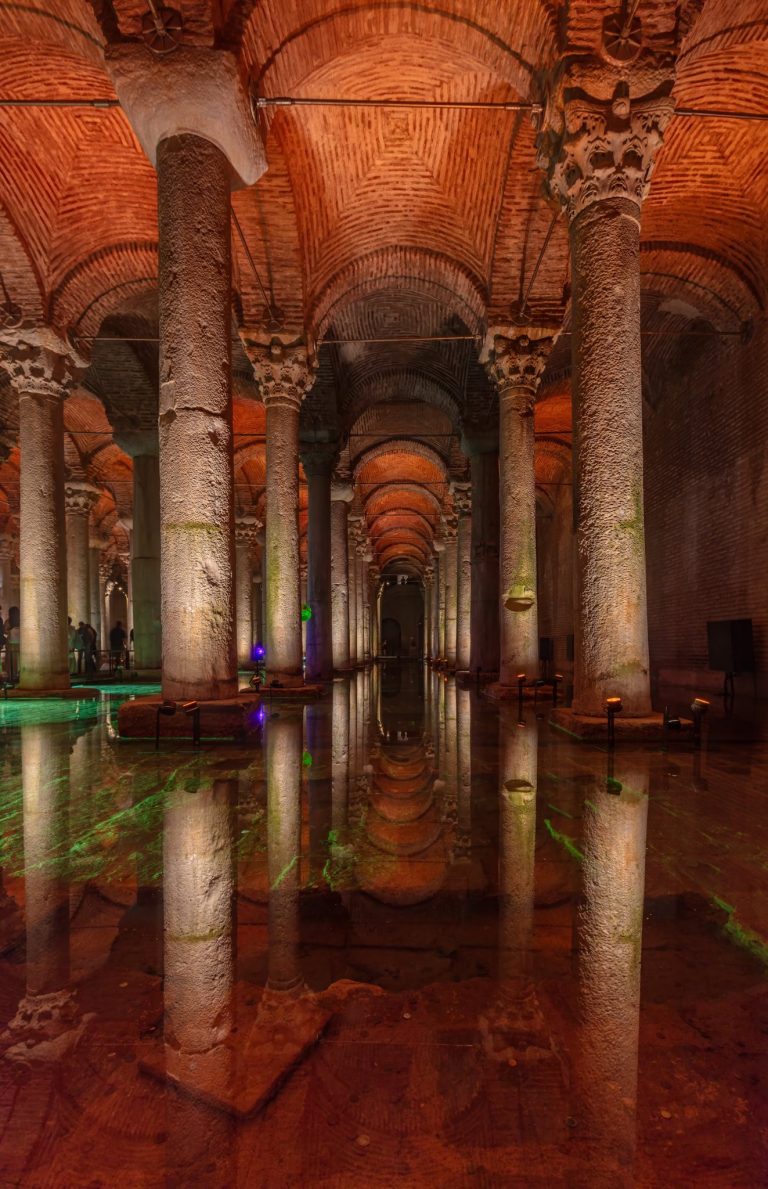
The Basilica Cistern is a sixth-century Byzantine reservoir built under Justinian I to supply water to the Great Palace and other buildings in…
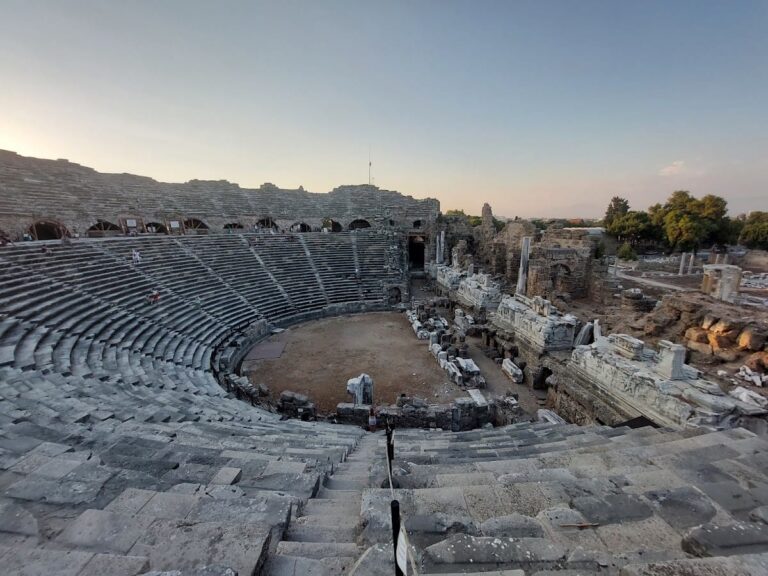
Side Ancient City on Türkiye’s Mediterranean coast developed from a Greek foundation into a wealthy Hellenistic and Roman port, later becoming an…

Ephesus Ancient City preserves a long settlement history shaped by changing coastlines, maritime trade, religious transformation, and successive…
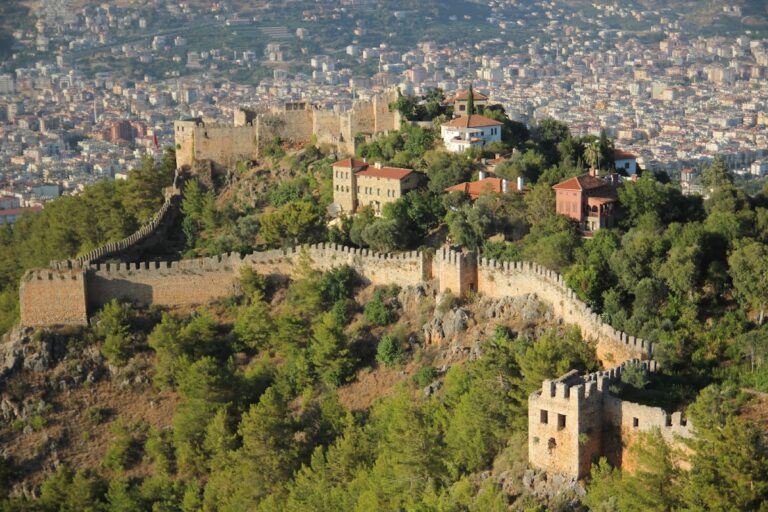
Alanya Castle occupies a fortified Mediterranean peninsula whose defenses developed from the Hellenistic and Roman periods into a major Seljuk…
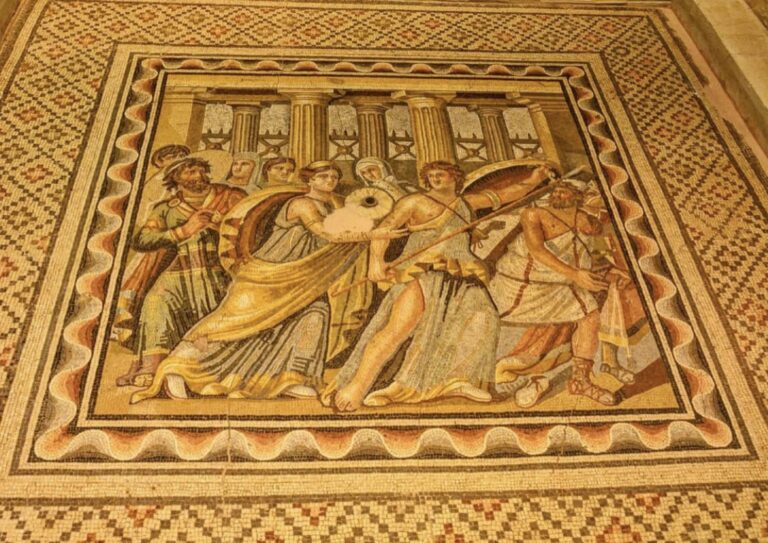
Zeugma Mosaics Museum preserves mosaics, frescoes, sculptures, and architectural remains rescued from the ancient city of Zeugma before the Birecik…
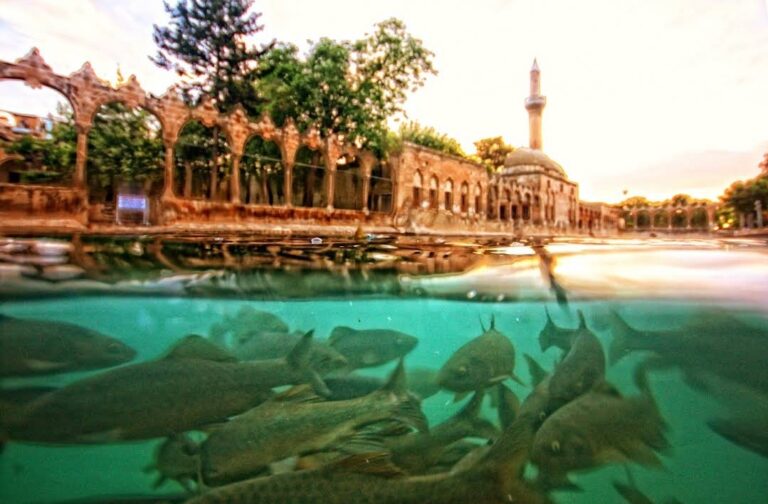
Balıklıgöl in Şanlıurfa comprises two sacred pools associated with Islamic, Jewish, and Christian traditions, while its plateau preserves evidence of…
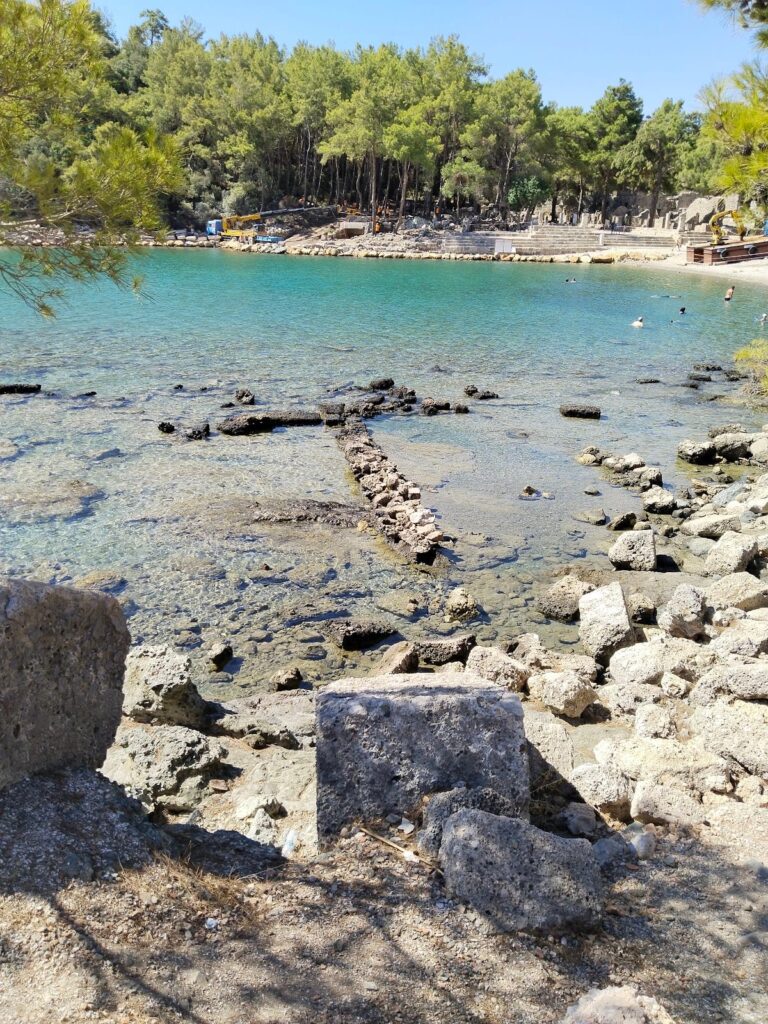
Phaselis was a Greek-founded port on the southern Anatolian coast that developed through Persian, Hellenistic, Roman, and Byzantine rule. Its…

Aspendos was an ancient city-state of Pamphylia on the Eurymedon River in southern Anatolia. Its remains preserve Roman civic buildings, a theatre,…

Gaziantep Castle developed from an earlier elevated military installation into a Roman and Eastern Roman fortress, later repaired by successive…
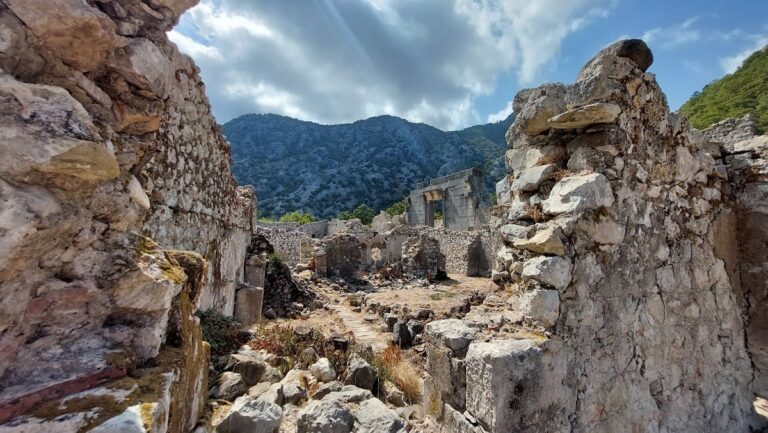
Olympos Ancient City developed as a Hellenistic Lycian settlement and became a Roman, Byzantine, and medieval harbor city. Its remains include…
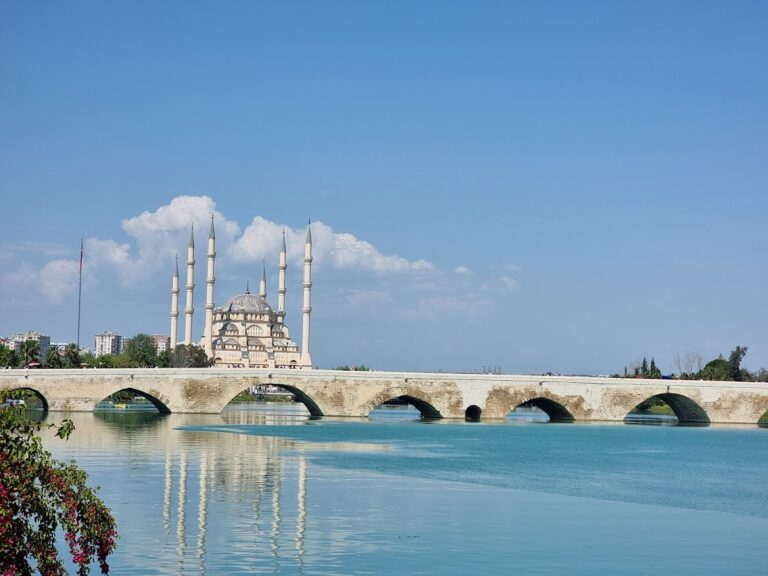
Taşköprü is a Roman bridge in Adana, Türkiye, rebuilt and repaired across many centuries. Its arches, reused materials, Ottoman alterations, and…
For details on how to use the maps, which sites are included, how popularity and ratings are determined, and how sites are classified, see the help page.
On this page7 sections
Perge and Sagalassos: streets and public fountains
At Perge, a long water channel divides the principal colonnaded street. Partitions interrupted the flow along its course, with porticoes and shopfronts on either side. Mosaic pavements survive in parts of the covered walkways. The combination of roadway, water channel and adjoining commercial spaces preserves several elements of a Roman city street within one continuous arrangement.
At Sagalassos, public fountains were set around the city’s terraced squares. The Antonine fountain has been reconstructed from recovered architectural elements, restoring the relationship between its columns, recessed niches and basin. A central curved niche provided the setting for a cascade. Nearby Roman baths preserve vaulted spaces and elevated floors, showing the larger water-using buildings associated with the city’s public centre.
Aphrodisias and Aizanoi: venues for large audiences
The stadium at Aphrodisias preserves long banks of seating surrounding an elongated track with curved ends. Later alteration enclosed its eastern end to create a smaller arena within the larger building. This change can be understood through the inserted curved wall, rather than through the assumption that the whole stadium always served one unchanging form of spectacle.
Aizanoi has a theatre and stadium arranged directly back to back. The theatre’s curved auditorium occupies the higher ground, while the elongated stadium extends away from it. Their physical relationship gives the site a distinctive entertainment complex. Elsewhere in the town, the standing columns of the Temple of Zeus rise above a large vaulted chamber beneath the temple platform. The chamber’s precise religious function remains uncertain.
Patara: an aqueduct siphon and a harbour granary
The water supply at Patara included an inverted siphon assembled from stone blocks bored with internal channels. Instead of maintaining a level open channel across every dip, this section carried water through a closed conduit down and across a depression. The surviving blocks and supporting masonry preserve the structure of that pressure system.
Near the ancient harbour, Hadrian’s Granary contained a row of large storage compartments behind a long stone front. The building stored goods passing through the port and belongs to a different part of the city’s infrastructure from the aqueduct. Its surviving walls and room divisions establish the scale of organised storage beside the harbour.
Cendere Bridge: a stone arch across a river gorge
The Cendere Bridge crosses its river on a broad stone arch supported against the rocky banks. Carefully fitted masonry carries the span, while columns and inscriptions at the approaches commemorate members of the Severan imperial family. The bridge’s setting exposes the relationship between the arch and its abutments, with the waterway passing beneath the central opening. Repairs form part of its later history, but the principal structure preserves a Roman crossing on a substantial scale.
Philoxenos Cistern: columns beneath Constantinople
The Cistern of Philoxenos in Istanbul preserves a late antique water-storage hall beneath the later city. Rows of marble columns support brick vaults, with shafts assembled in superimposed sections. Changes in floor level conceal parts of their original height, while a lowered area exposes more of the supports.
The cistern belongs to the Roman and early Byzantine city’s water infrastructure. Its enclosed vaulted interior offers a different part of that system from the open channels and pressure conduit at Patara: storage within a densely built urban area.
Hierapolis: a theatre and fortified entrances
At Hierapolis, the theatre combines a large curved auditorium with a richly decorated stage building that has undergone substantial reconstruction. Elsewhere, the Frontinus Gate preserves three openings flanked by round towers. It belongs to an earlier arrangement than the later defensive gateways, making the entrance structures useful evidence of changes in the city’s boundaries and fortification.
Explore the collection
Explore sites on the map or in the grid. Map icons reflect each site’s primary function, helping you identify different kinds of places at a glance. Narrow the results by primary function, site type or era, with additional filters for popularity and rating. Select a map marker to view the site’s details and open its article, or open the article from its grid entry.