Roman Sites in Croatia: Explore Ancient Cities, Temples and Aqueducts
Roman sites in Croatia include the streets and public buildings of Salona, a temple on Pula’s forum, an aqueduct built for Diocletian’s Palace and inland military and bathing complexes. The collection extends beyond the best-known monuments of Split and Pula to settlements and structures with different functions.
These examples follow a water supply from the Jadro towards Split, identify the surviving headquarters arches at Burnum and examine a thermal sanctuary at Varaždinske Toplice. They also distinguish Roman construction from the later repairs and adaptations that contribute to the buildings’ present appearance.
Primary Function: All
Type: All
Popularity: All
Rating: All
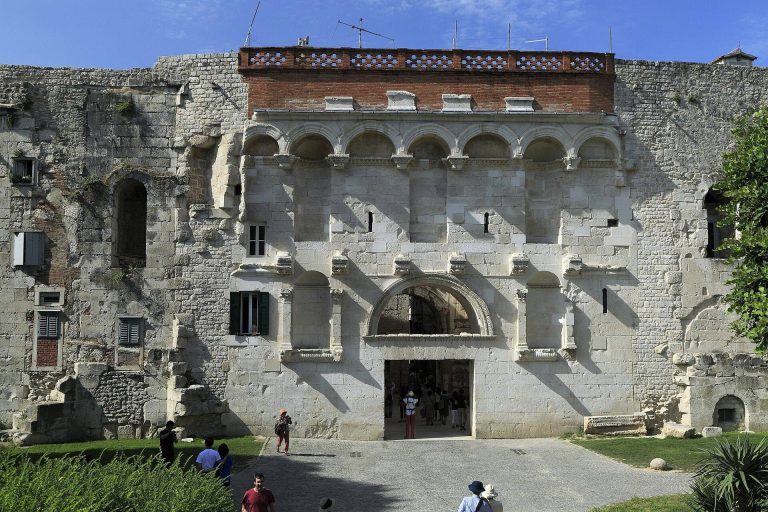
Diocletian's Palace in Split was built on the Dalmatian coast as the retirement residence of the Roman emperor Diocletian. Its fortified enclosure,…
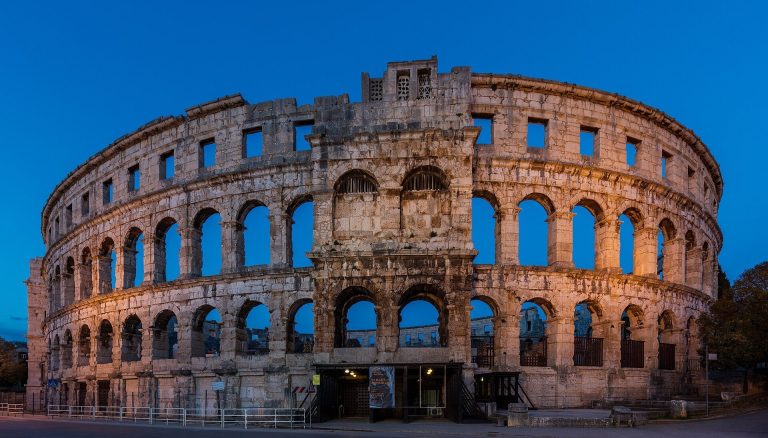
Pula Arena is a first-century Roman amphitheatre enlarged under the Flavian dynasty and preserved through centuries of reuse, stone removal,…
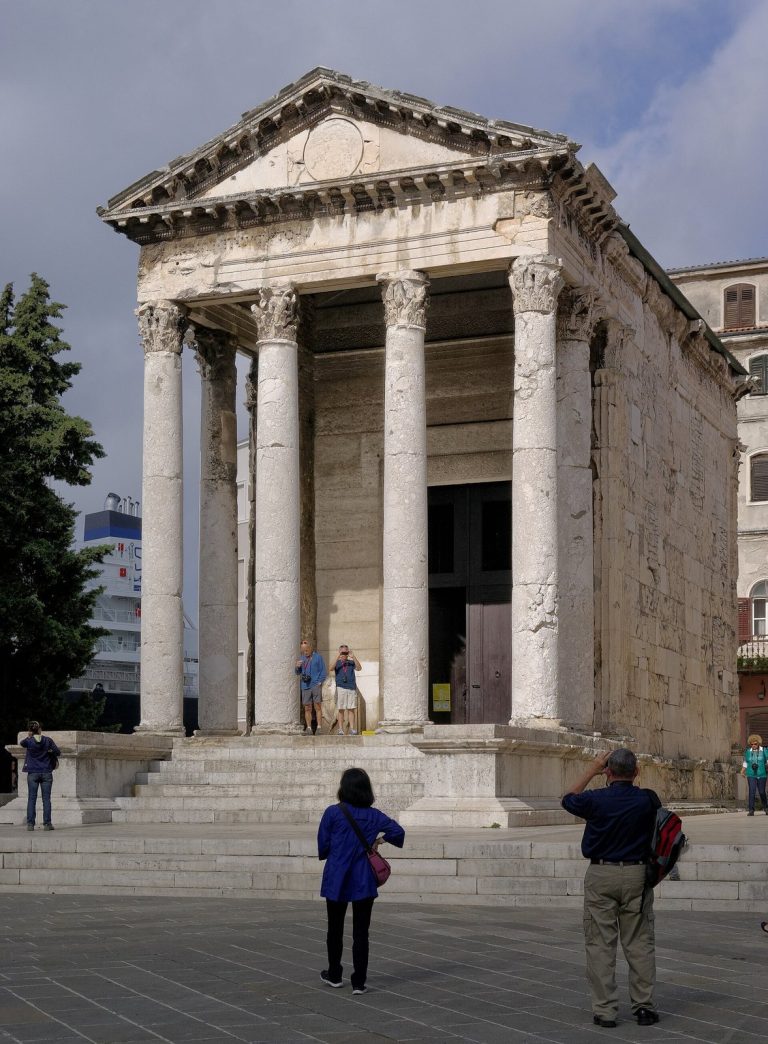
The Temple of Augustus in Pula preserves a late Augustan temple dedicated to Roma and Augustus. Converted to a church and later rebuilt after wartime…
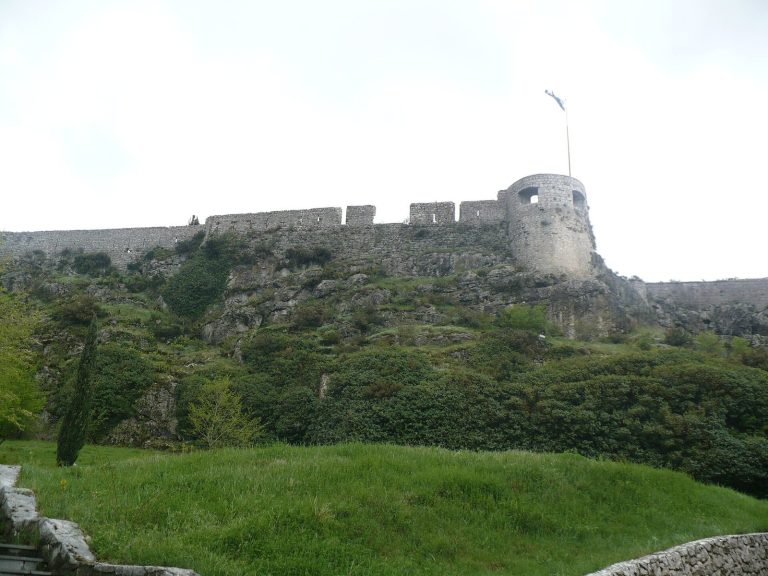
Klis Fortress in Croatia developed from a Dalmatae stronghold into a Roman, medieval Croatian, Ottoman, Venetian, and Austrian military center. Its…
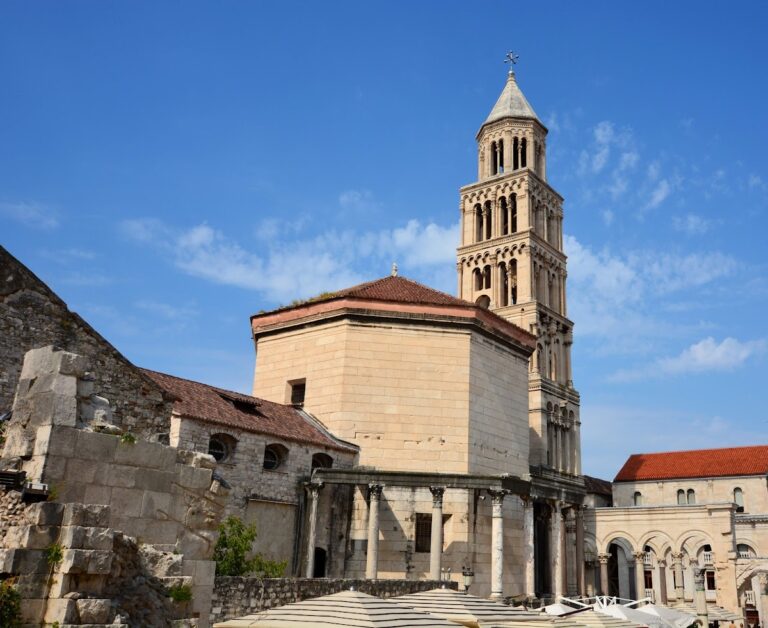
The Cathedral of Saint Domnius in Split occupies Diocletian’s former mausoleum and combines Roman, medieval, Renaissance, and Baroque features with…
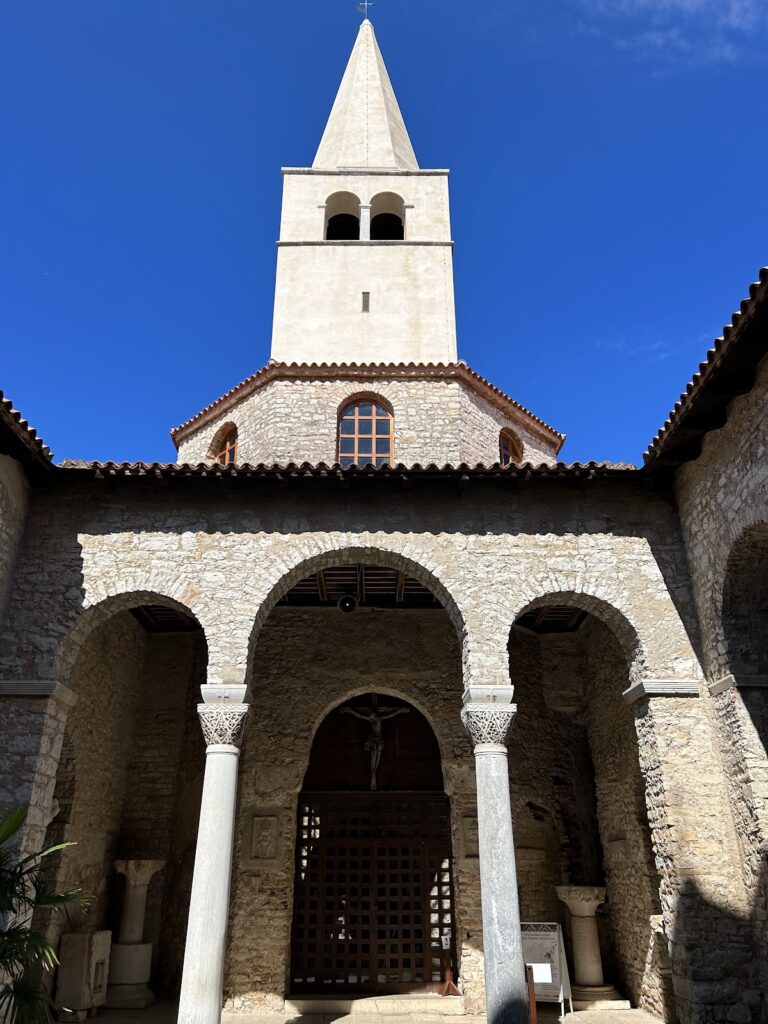
The Euphrasian Basilica in Poreč preserves a sixth-century cathedral, earlier Christian mosaics, Byzantine-style wall decoration, and an episcopal…
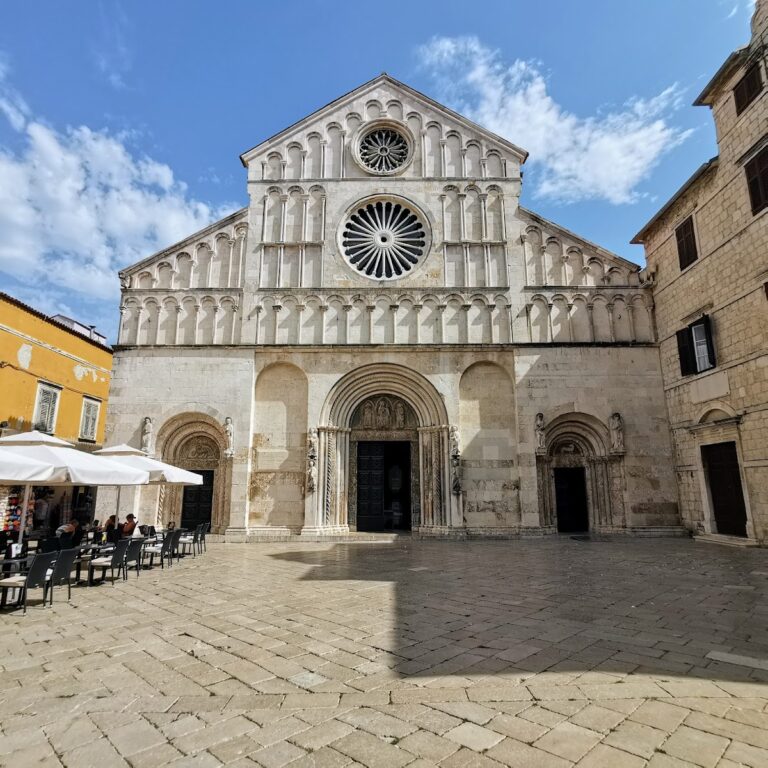
Zadar Cathedral, dedicated to Saint Anastasia, is the seat of the Archdiocese of Zadar and a major medieval church in Dalmatia. Its history extends…
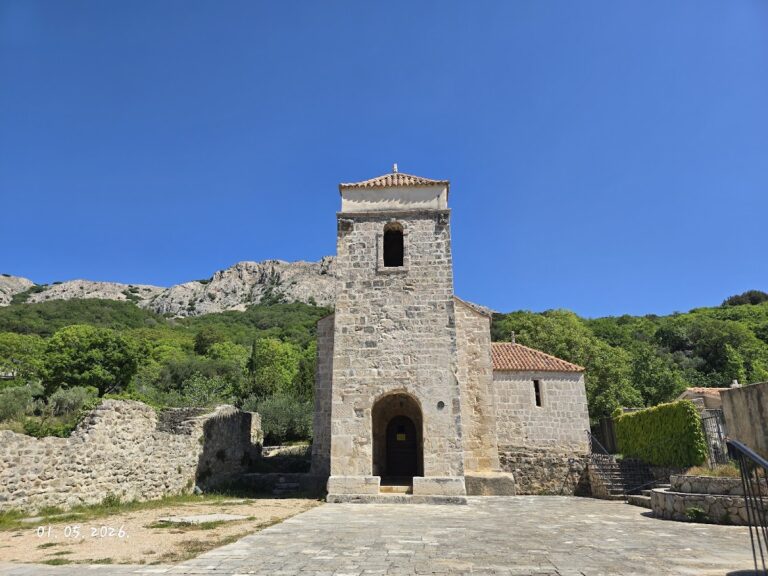
The Church of St. Lucy in Jurandvor preserves a long religious history, Benedictine associations, Glagolitic inscriptions, and the setting where the…
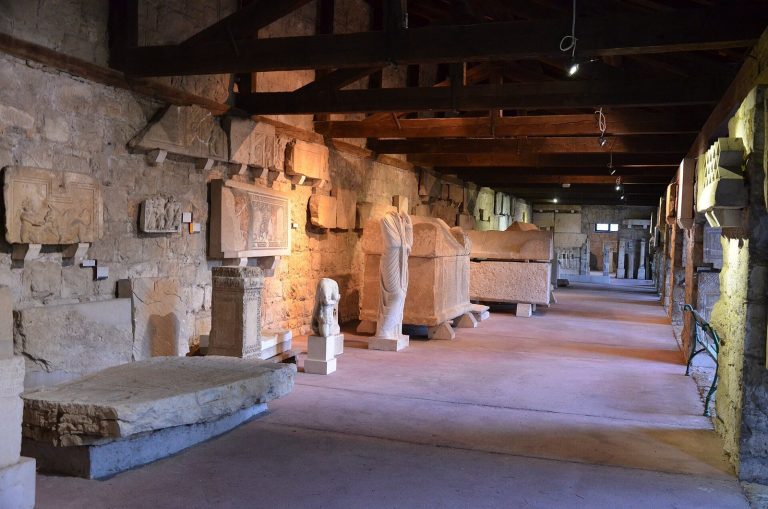
Founded in 1820, the Archaeological Museum in Split developed from a focus on Salona into a major centre for prehistoric, Greek-Hellenistic, Roman,…
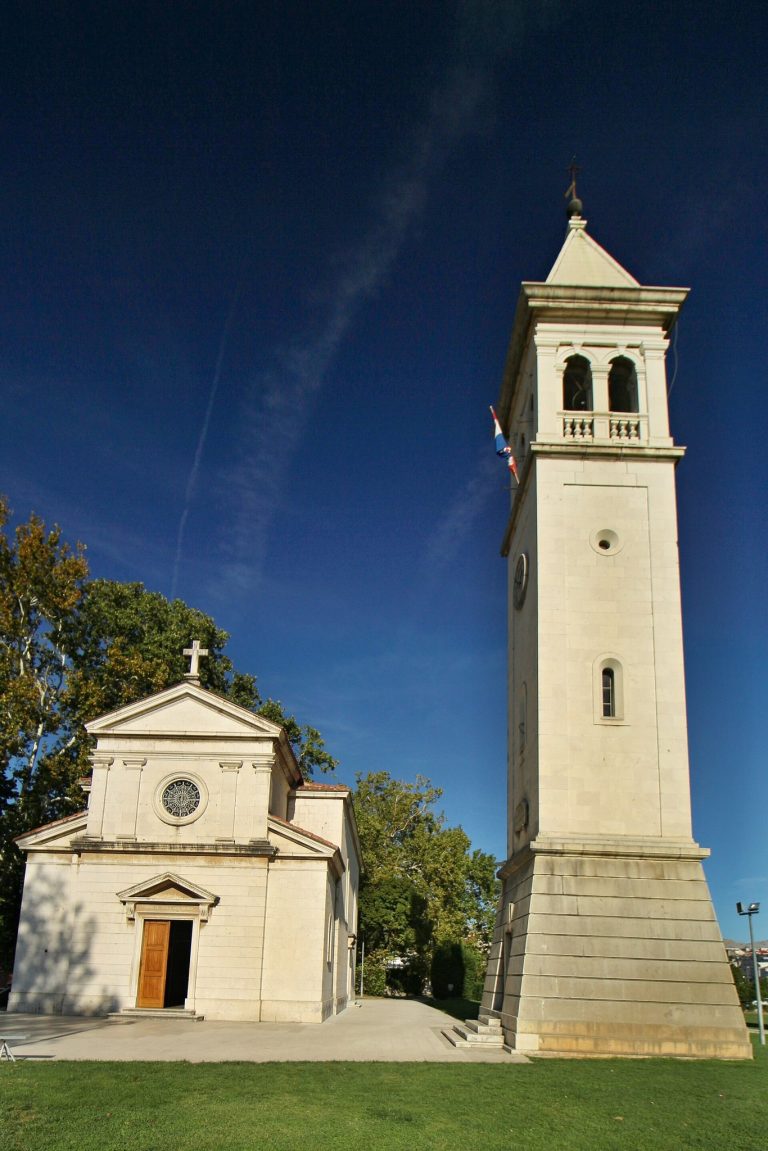
The Church of Our Lady of the Island in Solin is a Roman Catholic Marian sanctuary associated with Queen Jelena Slavna, an earlier medieval basilica,…
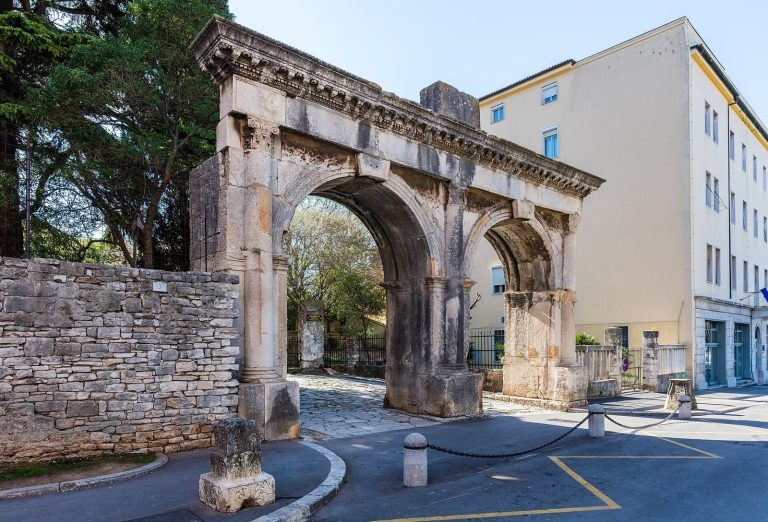
Twin Gate Pula, or Porta Gemina, is a Roman gateway whose paired arches, surviving wall section, medieval burial, and later conservation preserve…
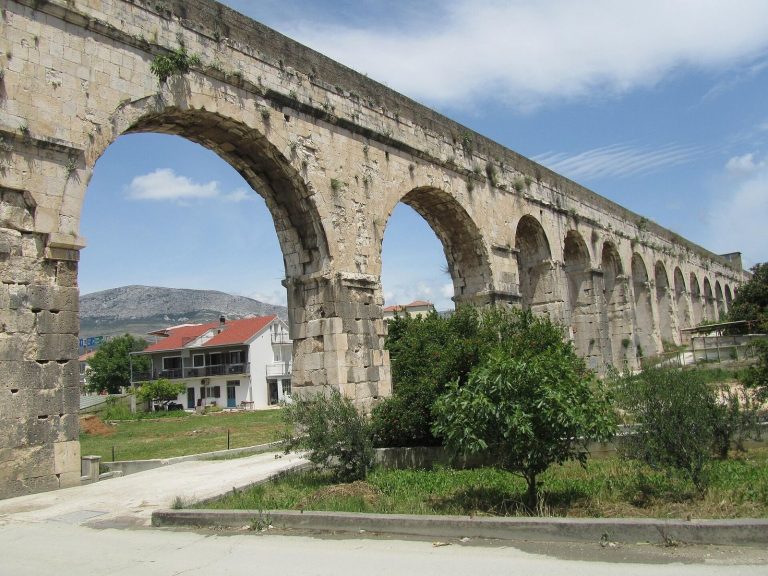
Built around AD 300, the Diocletian Aqueduct carried water from the Jadro River to Diocletian’s palace and nearby settlements. Its surviving route…
For details on how to use the maps, which sites are included, how popularity and ratings are determined, and how sites are classified, see the help page.
On this page6 sections
Salona’s streets, gateways and Christian buildings
Salona, near modern Solin, preserves the remains of a city that expanded beyond its earlier boundaries. Porta Caesarea originally formed a gate in the old enclosure, with a broad central passage for carts and smaller pedestrian openings to either side. After urban expansion reduced its defensive role, the structure supported part of the aqueduct.
The wider city included a forum, theatre, baths and an amphitheatre. The amphitheatre’s exposed substructures identify its elliptical plan, although much of the upper building was lost through damage and later demolition. Its position at the western edge of the town differs from the civic district around the old forum.
Christian construction added another centre. An episcopal complex contained basilicas, a baptistery and a bishop’s residence, while cemetery churches developed outside the earlier urban core. These substantial groups of remains allow the city’s public and religious buildings to be followed across different districts and periods.
The Temple of Augustus on Pula’s forum
The Temple of Augustus stands on a raised podium beside Pula’s public square. Four Corinthian columns form the front of its deep entrance porch, with further columns along the sides. Behind them, the enclosed sanctuary uses regularly cut stone blocks, and carved decoration runs beneath the roofline.
The ancient dedication honoured Roma and Augustus. Although the bronze letters have largely disappeared, fixing holes preserve evidence of the inscription. The building suffered severe wartime damage and was reconstructed using surviving fragments and archaeological documentation. Its standing form therefore includes substantial postwar rebuilding alongside ancient material.
Diocletian’s aqueduct: arcades and tunnels
Diocletian’s Aqueduct carried water by gravity from the Jadro River towards the imperial palace at Split. Its route used open cuts, tunnels, channels laid on natural rock and elevated arcades. The high section at Dujmovača makes the above-ground construction especially clear, while other stretches crossed or passed through the terrain with much less exposed masonry.
Nineteenth-century rebuilding returned sections to use but changed some of their construction. Elevated stretches were simplified, and flat slabs replaced some earlier vaulted channel coverings. The surviving aqueduct therefore follows a Roman water route while incorporating later work; its visible arches and covers should not all be assigned the same date.
Headquarters arches at Burnum
At Burnum, standing arches mark part of the former legionary headquarters and its later civic development. The military complex contained a central courtyard, offices and spaces associated with the legion’s standards. Its position at the crossing of the camp’s main roads placed administration at the centre of the enclosure.
A later basilica incorporated the earlier arrangement after Burnum acquired municipal status. The surviving arches belong to this layered complex, popularly known as the Hollow Church. They are not the remains of a medieval church, and the headquarters should also be distinguished from a commander’s separate residence.
Baths and a spring sanctuary at Aquae Iasae
Aquae Iasae, at Varaždinske Toplice, developed around a natural thermal spring. A porticoed public square and religious buildings stood beside the bathing complex, bringing water supply, bathing and worship into the same setting. The spring determined the location and organisation of these buildings.
The thermal basilica preserves walls, a large semicircular recess and evidence of heating. Parts of the bathing complex retain plastered floors and wall decoration from a fourth-century rebuilding. An inscription records restoration under Constantine after a fire, connecting the architectural remains with a documented repair campaign. The site adds an inland, spring-fed establishment to the coastal cities and engineered water supply elsewhere in the collection.
Explore the collection
Explore sites on the map or in the grid. Map icons reflect each site’s primary function, helping you identify different kinds of places at a glance. Narrow the results by primary function, site type or era, with additional filters for popularity and rating. Select a map marker to view the site’s details and open its article, or open the article from its grid entry.