Roman Sites in Armenia: Explore Artaxata and Archaeological Collections
Roman sites in Armenia centre here on Artaxata, the ancient Armenian capital, and museum collections that place its remains in a wider historical setting. The city developed under Armenian rulers before Roman intervention. Its inclusion reflects episodes of Roman construction and contact within that longer history.
The collection is small, with excavated urban remains and archaeological objects providing the principal evidence. Artaxata’s houses, workshops and bathing installations belong to a settlement that changed repeatedly, while an unfinished aqueduct records a short-lived Roman building project.
Primary Function: All
Type: All
Popularity: All
Rating: All
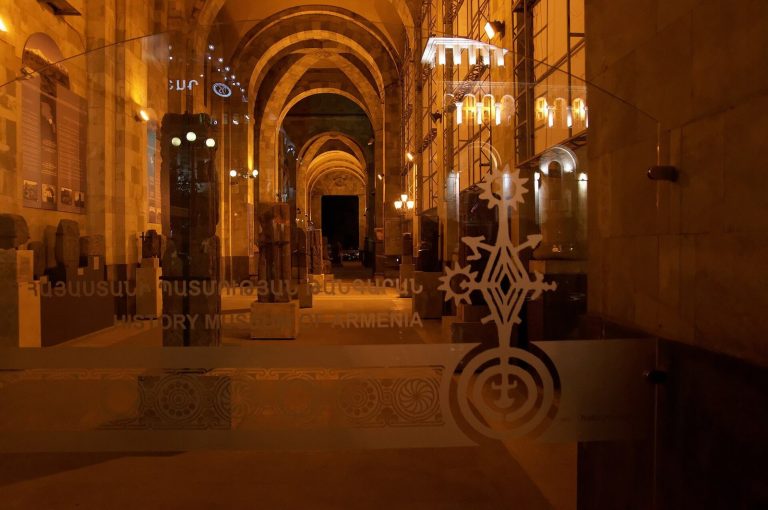
The History Museum of Armenia traces the country’s history from the Paleolithic era to the present through archaeological, ethnographic, numismatic,…
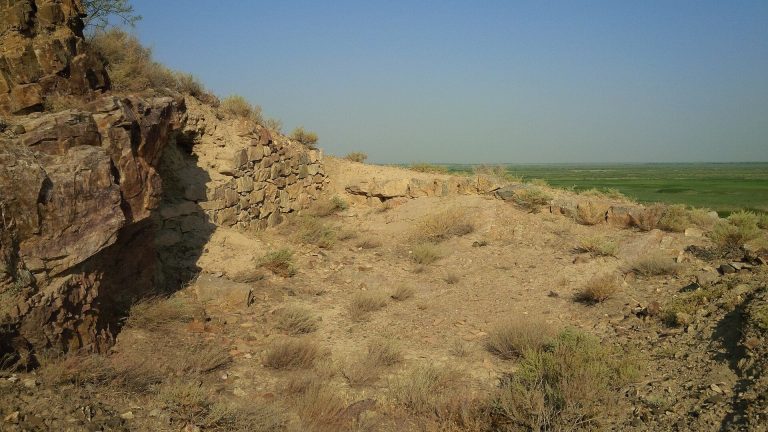
Artaxata was an ancient Armenian capital founded by King Artaxias I in the late second century BC. Its ruins preserve fortifications, urban quarters,…
For details on how to use the maps, which sites are included, how popularity and ratings are determined, and how sites are classified, see the help page.
On this page4 sections
Artaxata: houses, workshops and baths
Artaxata, also called Artashat, occupied hills and lower ground near the Araks River. Excavations have identified residential quarters, workshops, paved streets and water installations. Decorated houses contained wall paintings and plaster ornament, while late antique baths used underfloor heating and mosaic pavements.
These buildings belonged to a royal city with Hellenistic roots. Roman troops destroyed it during the first century AD, after which rebuilding under Tiridates I received assistance from Nero. The excavated remains span several periods, so an individual room or wall should not automatically be attributed to Roman builders.
Artaxata’s unfinished aqueduct
Archaeologists have identified the foundations of an aqueduct bridge intended to supply the city. They associate its construction with the Roman army during Trajan’s attempt to incorporate Armenia into the empire. The project was abandoned after his death in AD 117, when Hadrian relinquished the province.
The evidence consists of investigated pillar remains and the reconstructed course of the planned water supply. It is an unfinished engineering project, rather than a standing line of arches. That distinction explains both its Roman connection and what survives at the site.
Finds in the History Museum of Armenia
The History Museum of Armenia in Yerevan holds archaeological material from Artashat and other ancient settlements. Its Hellenistic collections include pottery, glass vessels, jewellery, small sculptures and architectural decoration. Greek and Latin inscribed stones and Roman coins place these finds alongside evidence of contact with the Mediterranean world.
The museum entry complements the excavated city through objects and inscriptions. Its broad collections cover many other periods too; the museum building itself is not a Roman monument.
Explore the collection
Explore sites on the map or in the grid. Map icons reflect each site’s primary function, helping you identify different kinds of places at a glance. Narrow the results by primary function, site type or era, with additional filters for popularity and rating. Select a map marker to view the site’s details and open its article, or open the article from its grid entry.