Byzantine Sites in Romania: Explore Danube Forts and Early Christian Basilicas
Byzantine sites in Romania include fortified settlements along the lower Danube and large Christian buildings within the cities of Dobruja. Dinogetia preserves an earlier Roman enclosure repaired and occupied again in medieval Byzantine times. Halmyris combines a fort with a basilica and painted burial crypt, while Histria contains the excavated plan of a cathedral extending across a large part of its later town.
These places record more than one period of Eastern Roman activity. Fourth- to sixth-century churches and defences belong to late antiquity; renewed occupation of some Danube strongholds from the tenth century introduced different houses, entrances and places of worship.
Primary Function: All
Type: All
Popularity: All
Rating: All
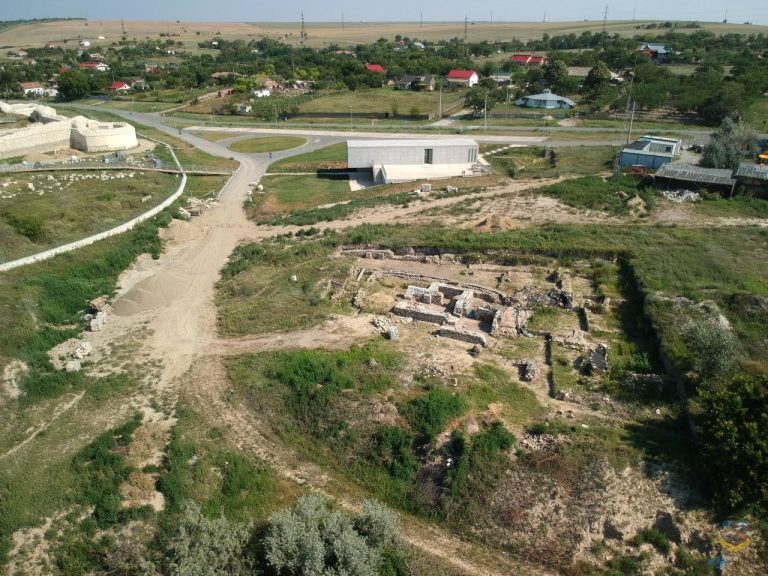
Capidava developed from a Geto-Dacian fortified center into a Roman frontier fort and later a Byzantine settlement. Its remains trace centuries of…
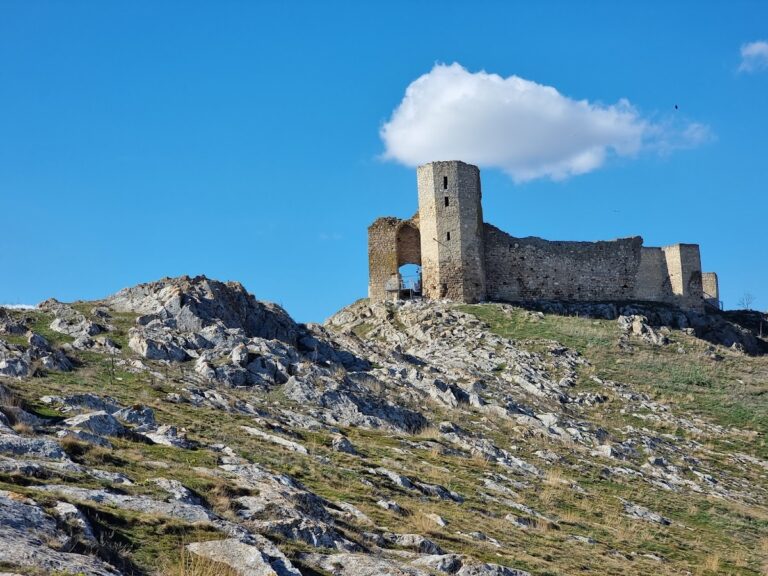
Enisala Fortress is a medieval ruin in Dobruja, Romania, founded by the Byzantines and expanded by the Genoese. Its later history reflects Wallachian…
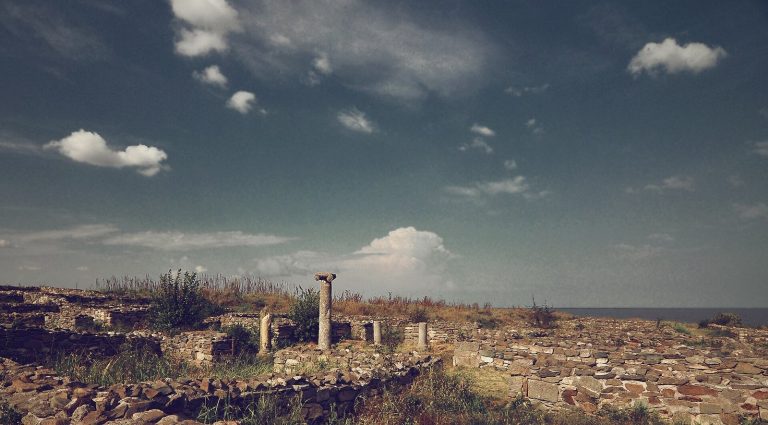
Histria was a Greek colony founded by settlers from Miletus near the ancient mouth of the Danube. Occupied for more than a millennium, it became a…
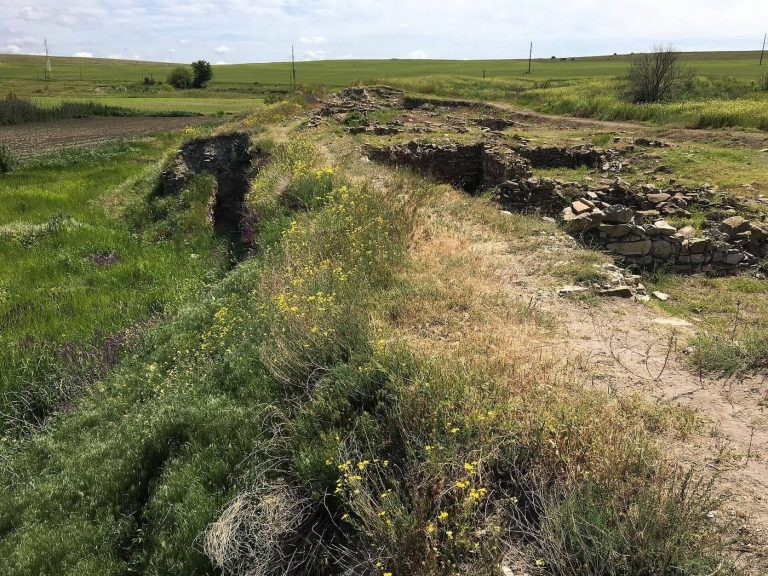
The Citadel of Halmyris was a Roman and Byzantine fort, settlement, naval port, and supply center on the lower Danube. Its remains preserve…
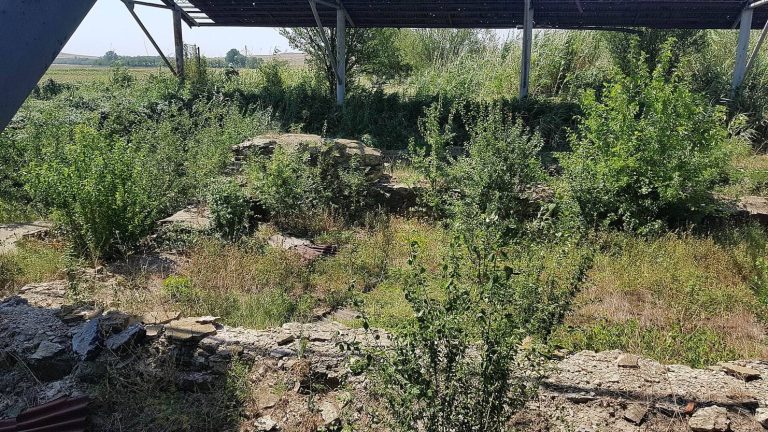
Dinogetia was a Geto-Dacian settlement transformed into a Roman frontier fortress on the Lower Danube and later reoccupied as a Byzantine military…
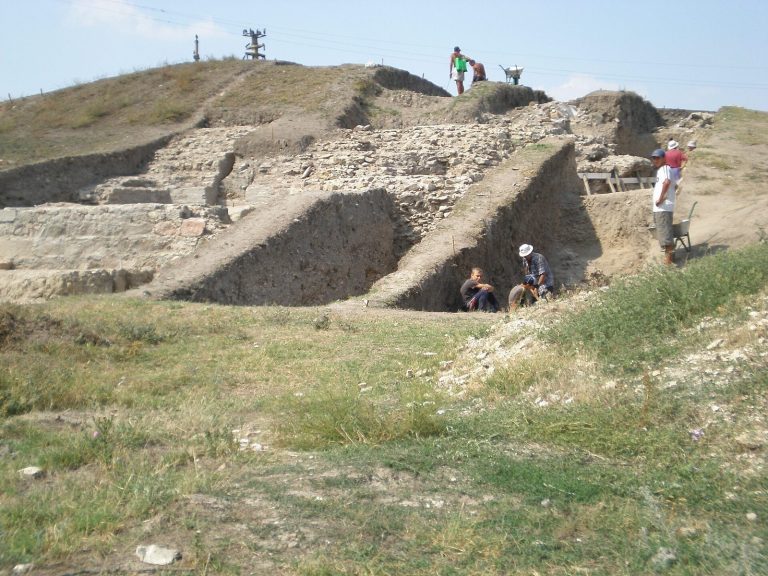
Cetatea Noviodunum near Isaccea developed from an Iron Age and Getic location into a Roman fleet base, Byzantine stronghold, and medieval settlement…
For details on how to use the maps, which sites are included, how popularity and ratings are determined, and how sites are classified, see the help page.
On this page4 sections
Dinogetia: a fortified settlement occupied twice
Dinogetia occupies a rocky rise among the Danube wetlands. Its stone-and-brick enclosure, strengthened by projecting horseshoe-shaped towers, originated in the late Roman period. A three-aisled basilica stood inside the southern part of the fortress and underwent repairs under Anastasius and Justinian.
After abandonment around the beginning of the seventh century, the site was reoccupied following the Byzantine reconquest of the lower Danube in 971. Builders repaired the old walls and changed the main entrance. A wall connecting its flanking towers created an enclosed forecourt, adding another controlled space between the outer approach and the interior.
The medieval settlement also had a small stone church near the former main camp street. Its approximately square interior ended in an eastern apse and originally carried a dome. This later church is separate from the larger early Christian basilica. The enclosure thus contains buildings from two distinct periods of Byzantine occupation, divided by several centuries of abandonment.
Halmyris: a basilica and painted crypt inside the fort
At Halmyris, the early Christian basilica occupied a central position within the defended settlement. Successive enlargement added side aisles and changed the space behind the altar. A passage around the rear of the sanctuary allowed movement through an area that had originally ended at the apse.
Beneath the church, a vaulted crypt preserved painted plant ornament on its walls and ceiling. A Greek inscription included the name Astion and referred to martyrdom. Remains recovered there in 2001 were identified with the martyrs Epictetus and Astion, whose commemoration became associated with the basilica.
The church stood across a street from barracks used into the sixth century. Religious and military buildings therefore occupied neighbouring spaces within the same fort. The modern monastery beside the archaeological remains is a separate foundation, built to commemorate the saints; its standing church is not the excavated basilica.
Histria’s episcopal basilica
The episcopal basilica at Histria was more than 60 metres long and around 30 metres wide. Its excavated outline occupies a large area in the centre of the later fortified city. Other Christian basilicas within and outside the walls record the spread of church buildings through a settlement originally founded by Greek colonists.
The scale of the cathedral distinguishes it from the smaller church at medieval Dinogetia, while both belonged to settlements enclosed by older defences. At Histria, the church plan can be considered alongside the streets, houses and public buildings of the late city. The town also contained civic basilicas used for public business: the term describes a building form and does not make every aisled hall a church.
Explore the collection
Explore sites on the map or in the grid. Map icons reflect each site’s primary function, helping you identify different kinds of places at a glance. Narrow the results by primary function, site type or era, with additional filters for popularity and rating. Select a map marker to view the site’s details and open its article, or open the article from its grid entry.