Roman Sites in Romania: Explore Frontier Forts, Ancient Cities and Gold Mines
Roman sites in Romania include legionary buildings, forts along the Danube, the later districts of an older Greek coastal city, and underground gold workings cut into the mountains. A reconstructed victory monument at Adamclisi adds carved scenes of warfare, with original reliefs preserved separately from its modern exterior.
Headquarters courtyards, bathing rooms, town houses and mine galleries preserve different kinds of spaces used by soldiers, civilians and workers.
Primary Function: All
Type: All
Popularity: All
Rating: All
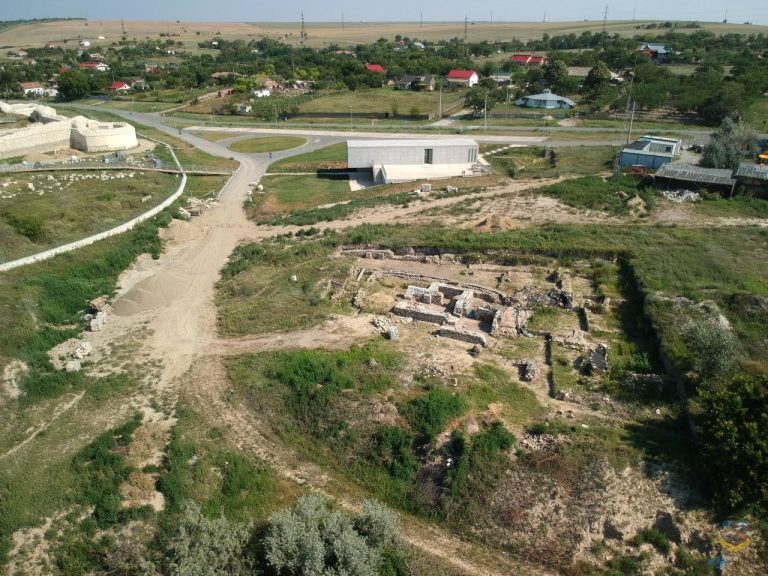
Capidava developed from a Geto-Dacian fortified center into a Roman frontier fort and later a Byzantine settlement. Its remains trace centuries of…
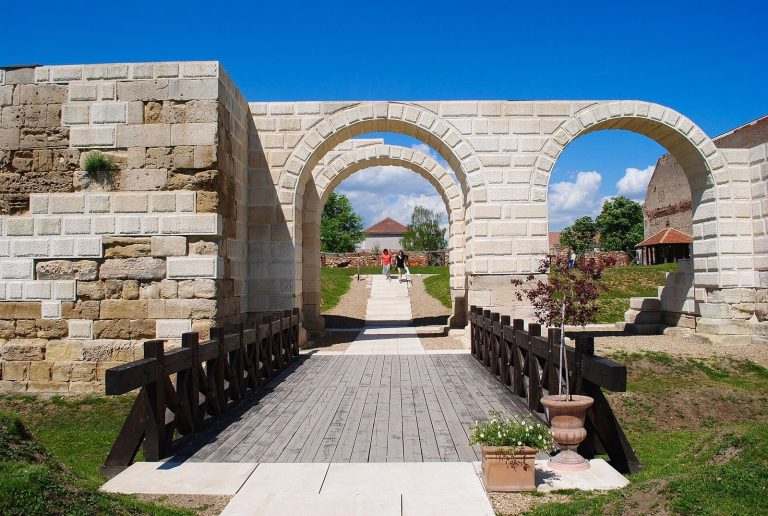
Established after Rome’s conquest of Dacia, Castrum Apulum developed into a military and provincial centre. Its surviving walls and excavated…
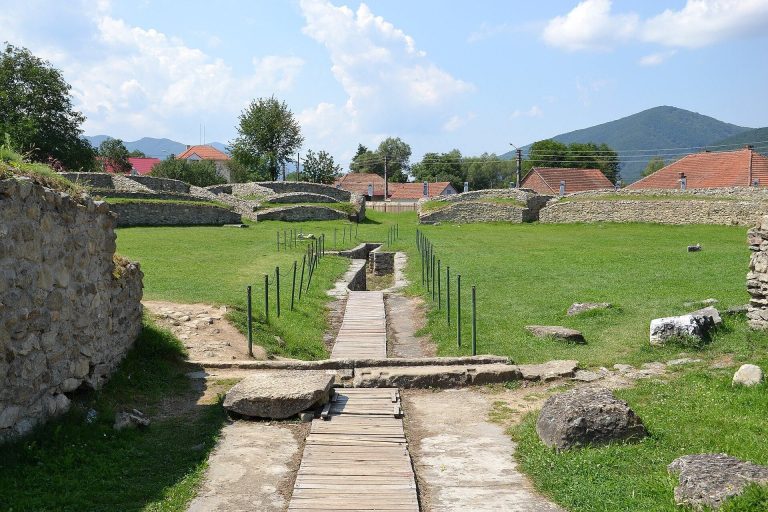
Ulpia Traiana Sarmizegetusa was the first capital and largest city of Roman Dacia, founded for veterans after Trajan’s conquest. Its remains include…
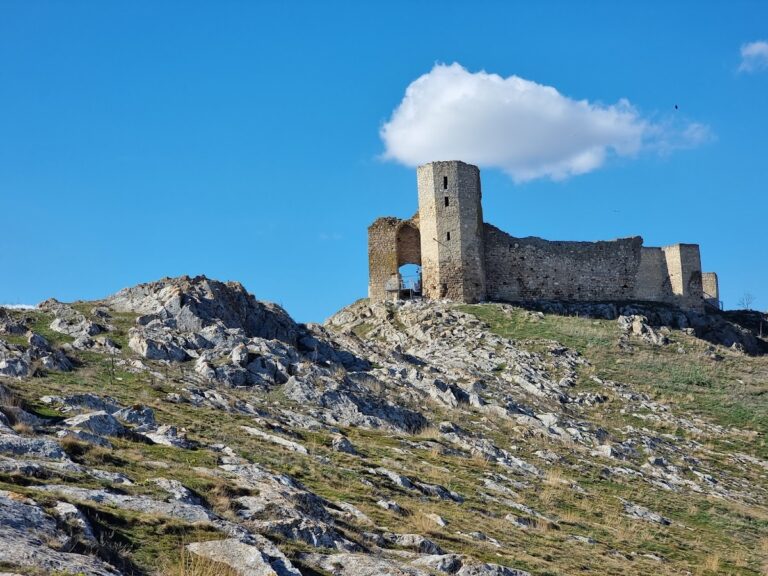
Enisala Fortress is a medieval ruin in Dobruja, Romania, founded by the Byzantines and expanded by the Genoese. Its later history reflects Wallachian…
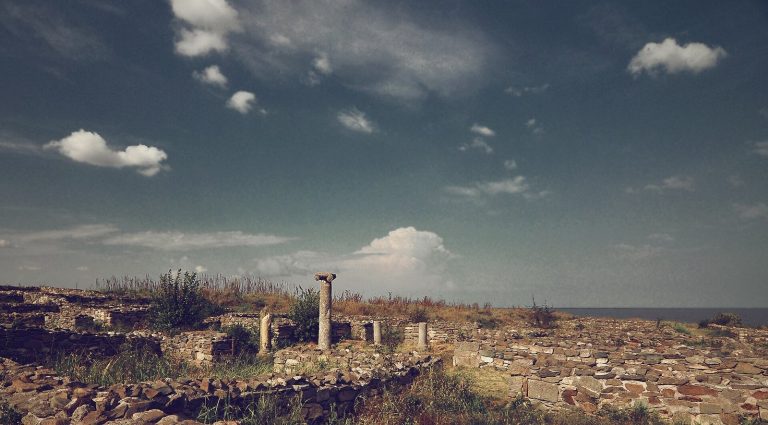
Histria was a Greek colony founded by settlers from Miletus near the ancient mouth of the Danube. Occupied for more than a millennium, it became a…
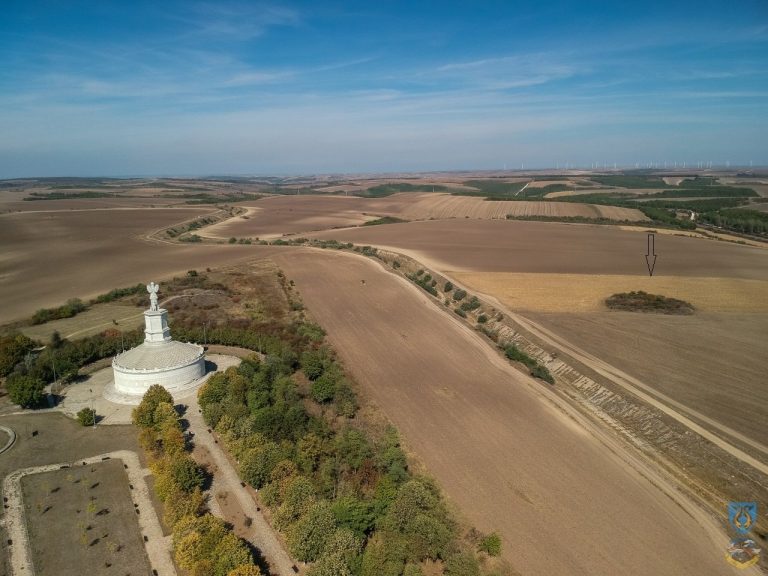
Trajan's Trophy near Adamclisi was erected in AD 109 to commemorate Trajan's victory over the Dacians. Its reconstructed monument, sculpted battle…
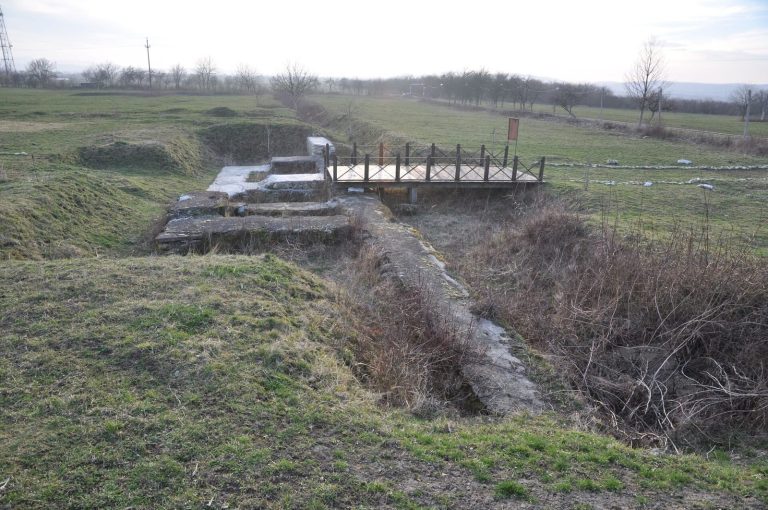
Castrum Tibiscum linked a Roman auxiliary fort, military settlement, and civilian town at a major road junction in Dacia. Its successive forts,…
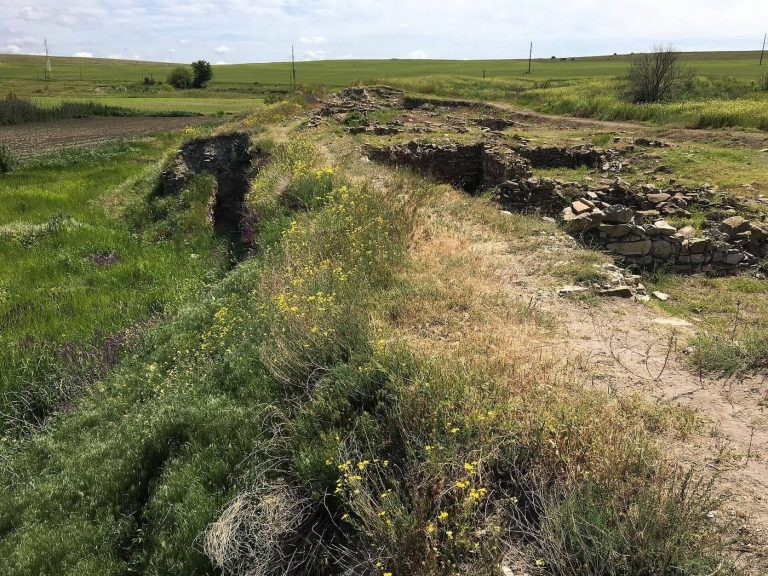
The Citadel of Halmyris was a Roman and Byzantine fort, settlement, naval port, and supply center on the lower Danube. Its remains preserve…
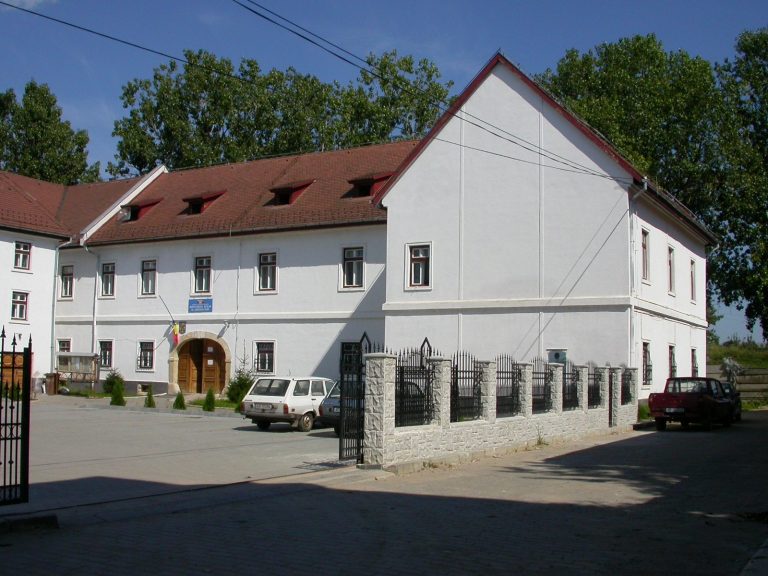
The Museum of Mining and the Roman Galleries preserves evidence of Roșia Montană’s Roman gold-mining settlement, later mining history, underground…
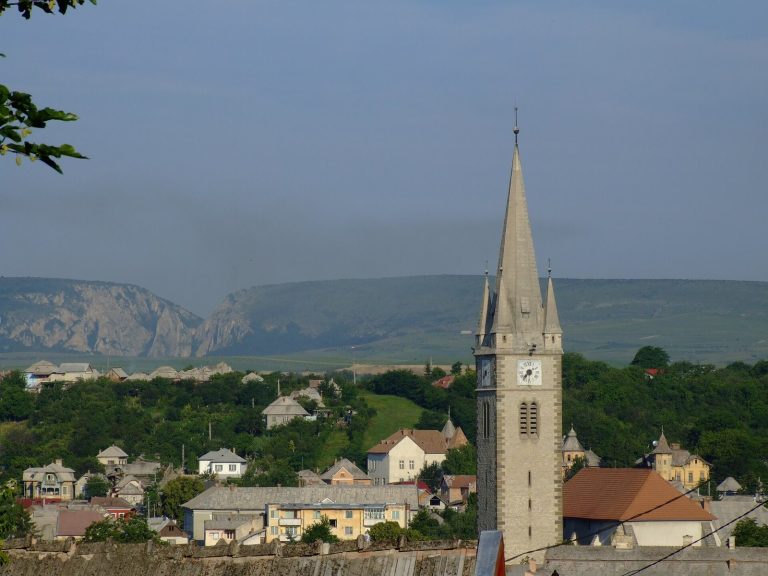
Potaissa Fort at Turda was the headquarters of Legio V Macedonica and the centre of a major Roman military and civilian settlement in Dacia. Its…
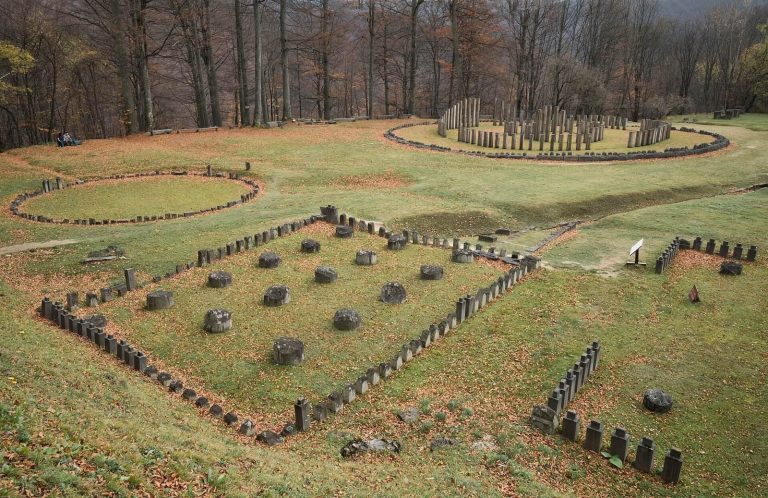
Sarmizegetusa Regia was the political, military, religious, residential, and industrial centre of pre-Roman Dacia. Its citadel, sanctuaries,…
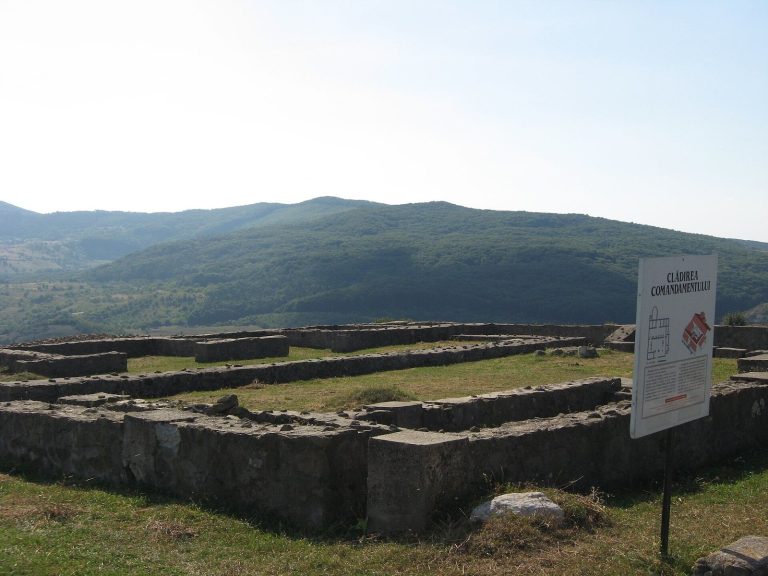
Porolissum was a major Roman military and civilian complex in northwestern Dacia, developed from a frontier fort established under Trajan around AD…
For details on how to use the maps, which sites are included, how popularity and ratings are determined, and how sites are classified, see the help page.
On this page7 sections
Potaissa’s headquarters and legionary baths
Potaissa Fort, above Turda, occupied a broad terrace overlooking the Arieș valley. Inside its rectangular enclosure, roads divided the headquarters, barracks and bathing areas. The headquarters had a large courtyard surrounded by porticoes, with rows of rooms identified as armouries along its sides.
At the rear, an apsidal sanctuary for the military standards stood above a treasury. The baths occupied another substantial group of rooms, with separate heated and cold-bathing areas altered during successive building phases. A protective roof covers these remains. The enclosure walls visible in the archaeological park include modern reconstruction; substantial ancient upper walling has not survived.
Porolissum’s hilltop fort and gates
Porolissum combines a hilltop military installation with an adjoining civilian settlement and amphitheatre. The principal fort on Pomet Hill developed from timber and earth into a stone enclosure with rounded corners. Gates, headquarters rooms and internal roads have been excavated within its perimeter.
The prominent reconstructed gateway presents only one interpretation of the ancient elevation. Research indicates that its original towers rose higher than the modern reconstruction suggests. The excavated foundations, defensive ditches and repeated rebuilding of the headquarters provide firmer evidence for the fort’s layout and development. Outside the enclosure, civilian buildings and the amphitheatre extended the settlement beyond the garrison itself.
Halmyris’s changing river gates
At Halmyris, the fort occupied a rocky peninsula near the Danube and Black Sea. Successive rebuilding transformed its earlier rectangular plan into a stronger late Roman enclosure with projecting towers. The western entrance opened towards the road linking forts along the river.
The northern gateway faced the Danube. Its later form had substantial U-shaped towers, built partly with reused stone, altars and grave markers. Repairs followed movement in the ground near the river, and the entrance was eventually blocked after the Danube shifted away. Barracks within the walls preserve further stages of occupation, including buildings used into the sixth century.
Histria’s late Roman streets and houses
Histria began as a Greek settlement beside a Black Sea bay. Roman and late Roman rebuilding occupied a smaller defended area, incorporating parts of the former acropolis. Silting gradually separated the city from the open sea, creating the lagoon setting around its remains.
Near the public baths, the later town contained shops and civic basilicas with aisles divided by columns. Column bases and a shop counter survive among the excavated structures. Sixth-century houses added colonnaded courts and stone staircases leading to upper floors. One house had an apsidal room whose interpretation remains open between a private chapel and a formal dining space.
The city’s large Christian basilicas belong to its later development. Their scale and plans should be distinguished from the much earlier Greek temples elsewhere within the archaeological area.
Trajan’s Trophy and its original reliefs
Trajan’s Trophy at Adamclisi was erected to commemorate Roman victory. The cylindrical monument carries a trophy of armour above a conical roof, with sculpted panels arranged around the drum. The standing structure is a hypothetical reconstruction completed in 1977, rather than an intact Roman monument.
Most surviving original relief panels are preserved in the local museum. They depict marching soldiers, combat, captives and families displaced by war. Details of shields, armour and weapons preserve the visual language of the commemoration, while the reconstructed exterior suggests how those carved elements may have been arranged around the original core.
Roman galleries at Roșia Montană
The Museum of Mining and the Roman Galleries at Roșia Montană includes original underground workings in the Orlea Massif. Their carefully cut passages have trapezoidal profiles, narrowing towards the ceiling. They belong to a much wider gold-mining landscape containing shafts, stepped passages and extraction spaces.
Roman workings elsewhere in the complex include chambers associated with waterwheel drainage. Later mining crossed and enlarged parts of the ancient system, so the different gallery forms and construction traces help distinguish periods of extraction. Stone inscriptions and wax-coated writing tablets recovered from the mining district also record the people, agreements and religious practices connected with the work underground.
Explore the collection
Explore sites on the map or in the grid. Map icons reflect each site’s primary function, helping you identify different kinds of places at a glance. Narrow the results by primary function, site type or era, with additional filters for popularity and rating. Select a map marker to view the site’s details and open its article, or open the article from its grid entry.