Roman Sites in Syria: Explore Colonnaded Streets, Theatres and Temples
Roman sites in Syria include long colonnaded streets, basalt theatres, temple precincts and urban arches. Many belonged to cities with histories extending well before and after Roman rule. At Apamea and Palmyra, streets connected large public and religious complexes; at Shahba and Qanawat, individual buildings preserve different uses of the region’s dark volcanic stone. The collection includes damaged archaeological sites as well as standing structures, so the surviving fabric needs to be distinguished from monuments lost during the recent conflict.
Primary Function: All
Type: All
Popularity: All
Rating: All
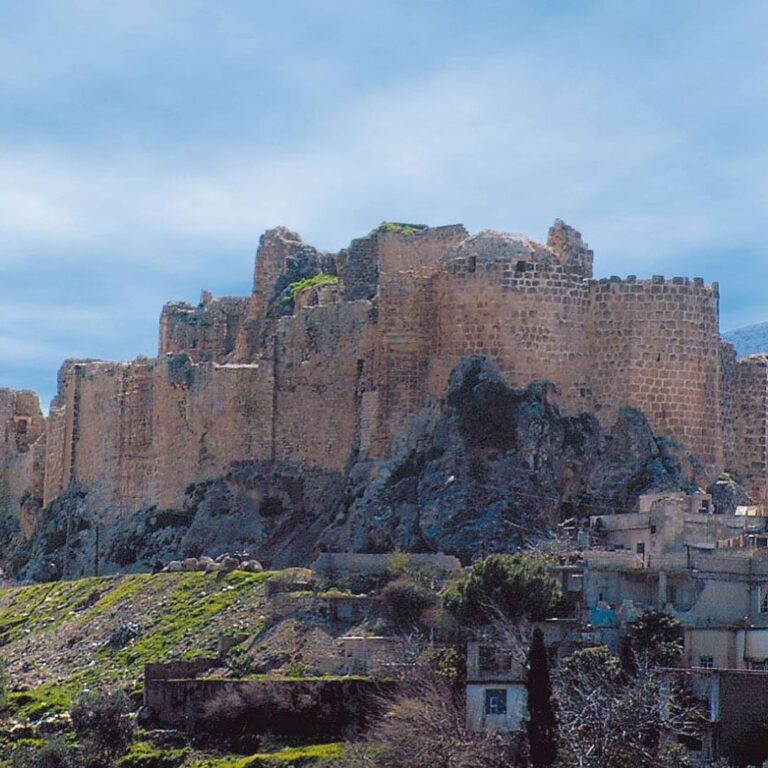
Masyaf Castle is a fortified site in western Syria whose Roman and Byzantine foundations were expanded by the Nizari Ismailis, Mamluks, and Ottomans.…
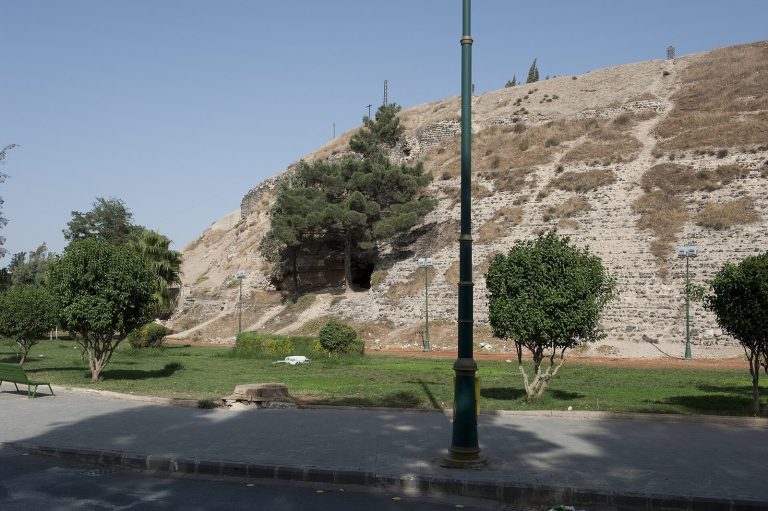
The Citadel of Homs occupies a large artificial mound with settlement layers reaching from the 3rd millennium BCE through the Roman and Arab periods.…
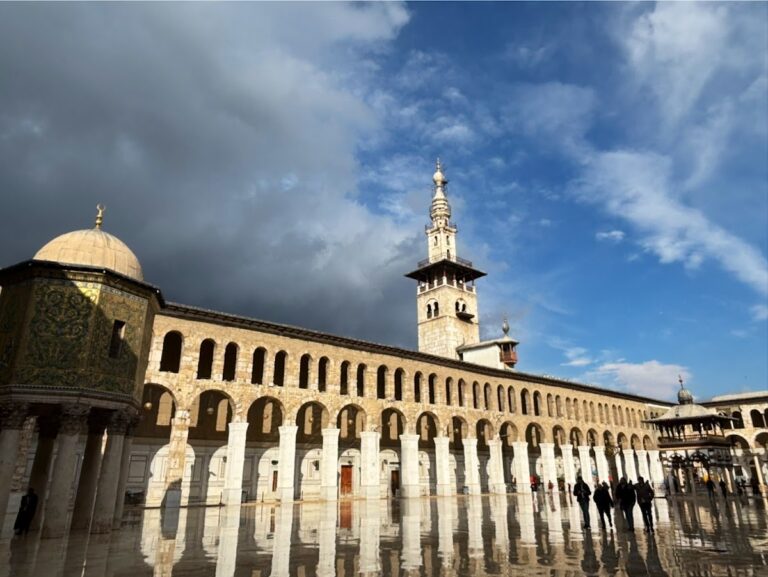
The Umayyad Mosque in Damascus occupies a sacred site used from the Iron Age through the Roman, Christian, Umayyad, and later Islamic periods. Its…

Carchemish was a major city and political center on the Euphrates, whose history spans prehistoric settlement, Hittite and Neo-Hittite rule, Assyrian…
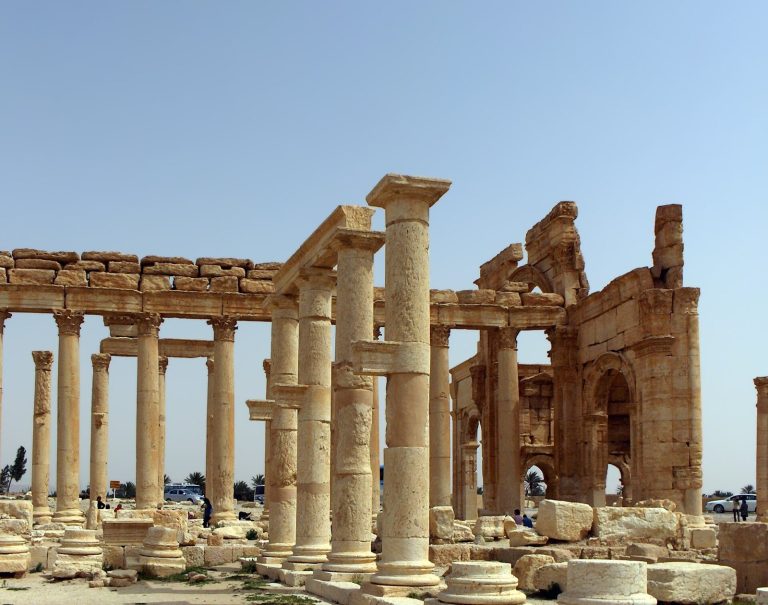
Dedicated to Nabû, the Temple of Nabu developed through a long Roman-period building program and served Palmyra’s religious life before suffering…
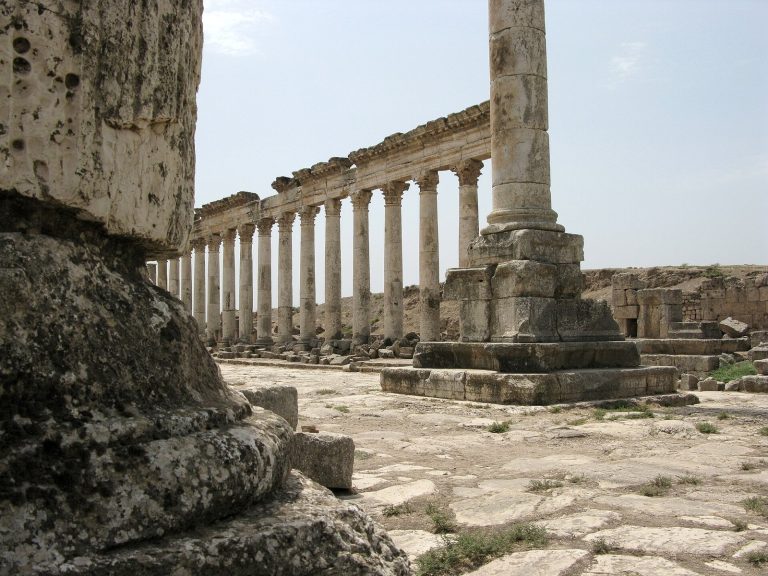
Apamea was a major Seleucid military and commercial center that later became a Roman provincial capital and an important Christian and cultural…
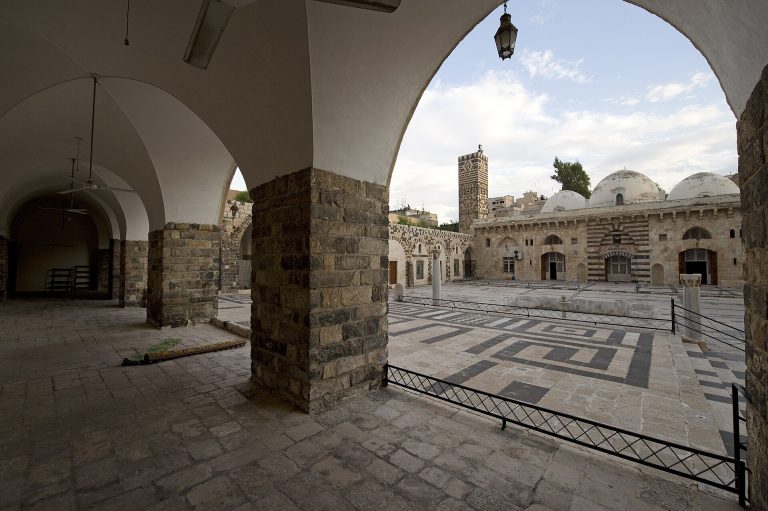
The Great Mosque of Hama developed from a Roman temple and Byzantine church into an important Islamic monument, with later additions by Ayyubid,…
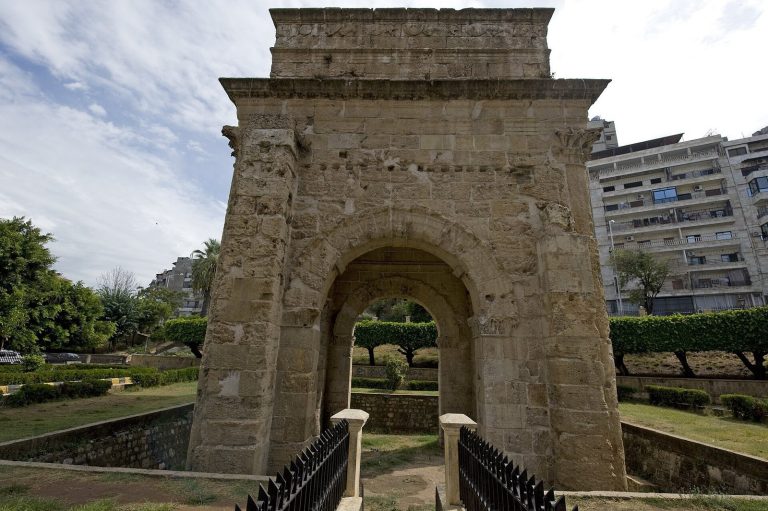
Latakia Tetraporticus is a late second-century Roman tetrapylon associated with Septimius Severus. Buried, reused as a mosque, and later encroached…
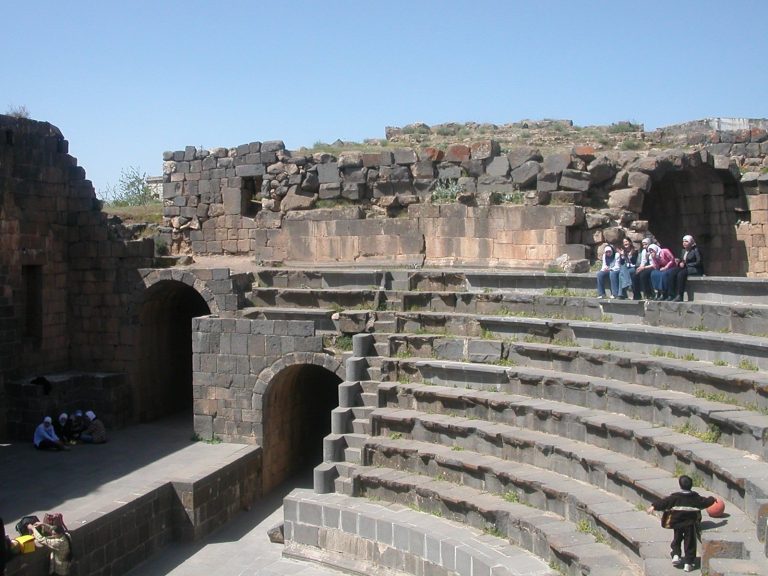
Philippopolis, now Shahba, was rebuilt by the Roman emperor Philip the Arab after AD 244 as a planned colonia. Its unfinished grid, public monuments,…

As Suwayda National Museum traces the history of Syria’s basalt-rich southern region through archaeological collections from prehistoric, Nabataean,…
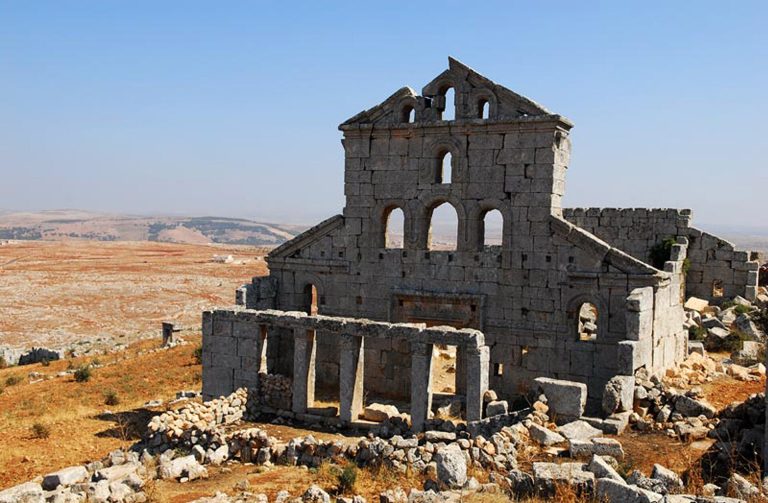
Baqirha was an ancient settlement in northwestern Syria that developed around Roman religious and commercial activity before becoming a Christian…
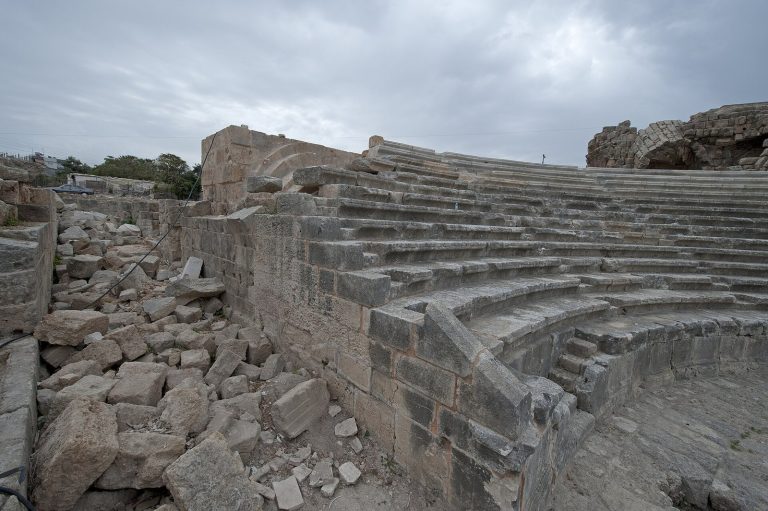
The Jableh Roman theater was built in the ancient city of Gabala, probably during the Severan dynasty in the first half of the 3rd century AD. Later…
For details on how to use the maps, which sites are included, how popularity and ratings are determined, and how sites are classified, see the help page.
On this page6 sections
Apamea: a colonnaded avenue and its drainage
The principal avenue at Apamea extends for roughly 1.8 kilometres through the ancient city. Rows of columns marked the porticoes beside the roadway, with spiral-fluted shafts among the most recognisable architectural details. The major Roman rebuilding followed the earthquake of AD 115, when the street and other public buildings were reconstructed on a large scale.
Later work changed the avenue’s width and surface. Under Justinian, new walkways narrowed the road, and paving covered a renewed drainage system. These alterations belong to the city’s continued late antique occupation. Apamea also suffered extensive looting and damage during the Syrian conflict, including damage to columns and walls; its surviving avenue should not be understood as an untouched or fully preserved Roman streetscape.
Shahba: the theatre of Philippopolis
Philippopolis at Shahba was developed under the emperor Philip the Arab in the third century. Its principal streets followed a grid, with a theatre, baths and other public buildings forming part of an ambitious programme that remained incomplete when his reign ended.
The theatre’s dark basalt masonry gives it a markedly different appearance from marble-fronted venues elsewhere in the Roman world. Its curved seating and compact arrangement preserve the organisation of a performance building within the planned town. The adjoining urban remains include the building conventionally called the Philippeion, associated with the imperial family’s commemoration.
Qanawat: temple buildings and a rock-cut theatre
At Qanawat, ancient Canatha, a small theatre uses the rock of the hillside for its seating. Its surviving rows descend towards the performance area, while nearby channels and reservoirs preserve elements of the settlement’s water supply. The theatre’s construction takes advantage of the slope rather than relying entirely on freestanding vaulted supports.
The complex known as the Seraya contains the remains of a Roman temple subsequently altered for Christian use. Columns and a long portico remain prominent within the later religious buildings. Their survival records the reuse of an established sacred site, but the resulting complex includes several building phases: the basilica arrangements are later than the original temple.
Latakia: a four-way Roman arch
The Roman Arch of Latakia has openings on four sides beneath a central domed structure. Corinthian capitals and carved decoration articulate the exterior, while the connected passages distinguish its plan from a conventional arch with one main opening. Military imagery survives among the decorative details.
The building has undergone repairs and the reopening of passages blocked during later use.
Palmyra: colonnades and a damaged temple precinct
Palmyra developed around routes crossing the Syrian desert. Its colonnaded avenue connected civic and religious buildings, while the agora contained a surrounding colonnade and numerous statue bases. The city’s architecture combined forms familiar across the Roman Empire with local religious traditions and inscriptions.
The Temple of Bel was destroyed in 2015, and other major monuments also suffered deliberate destruction. It would therefore be misleading to describe its former roofed sanctuary as an intact feature of the site. The surviving and damaged remains still identify the temple precinct, street alignments and other parts of the ancient city, but older photographs can show buildings and details that no longer survive in that form.
Explore the collection
Explore sites on the map or in the grid. Map icons reflect each site’s primary function, helping you identify different kinds of places at a glance. Narrow the results by primary function, site type or era, with additional filters for popularity and rating. Select a map marker to view the site’s details and open its article, or open the article from its grid entry.