Byzantine Sites in Montenegro: Explore Coastal Churches and Cathedral Interiors
Byzantine sites in Montenegro include early Christian buildings within coastal towns and later churches shaped by architectural and artistic connections across the Adriatic. Kotor’s Cathedral of Saint Tryphon preserves a large medieval interior above an earlier shrine. In Budva, an excavated basilica and the Church of Saint John the Baptist record successive forms of Christian worship within the old town.
The collection includes buildings with several periods of construction. Romanesque churches, Byzantine painting traditions and later rebuilding may occur at the same site, so the date of a surviving interior can differ considerably from the foundation of its first church.
Primary Function: All
Type: All
Popularity: All
Rating: All
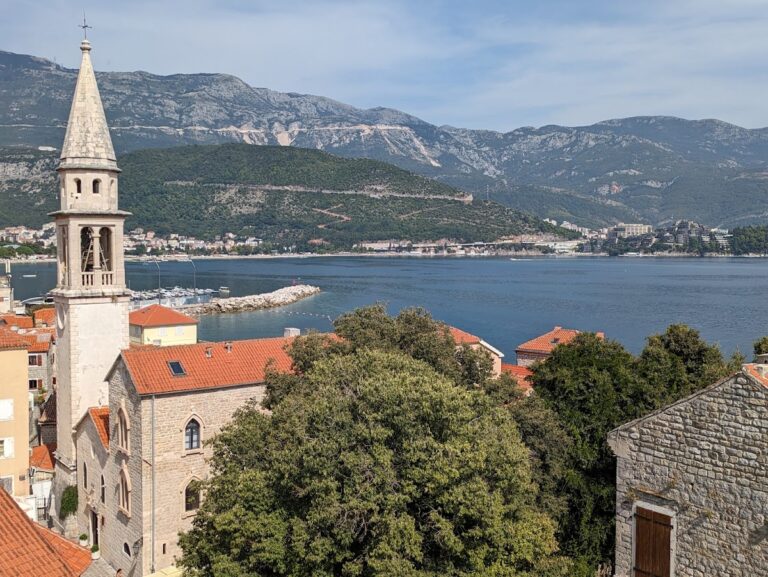
Stari Grad is Budva’s medieval historic center, enclosed by Venetian fortifications and containing important churches, the Citadel, archaeological…
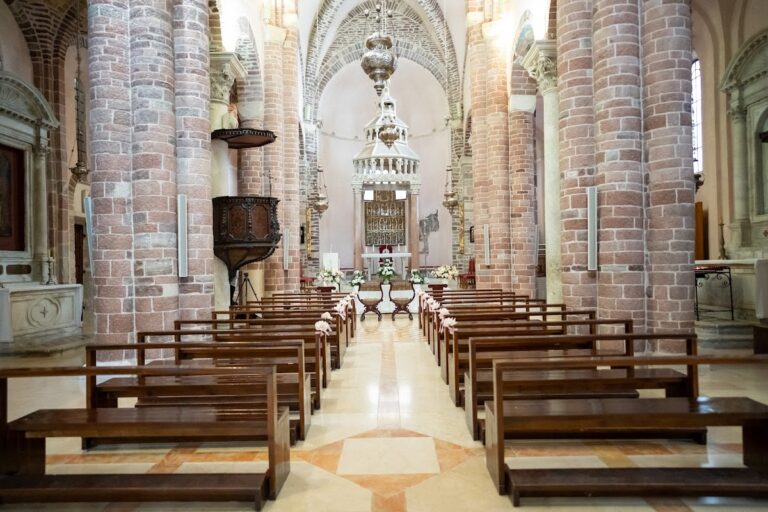
Kotor Cathedral, dedicated to Saint Tryphon, developed from an earlier ninth-century church into a Romanesque cathedral shaped by medieval…
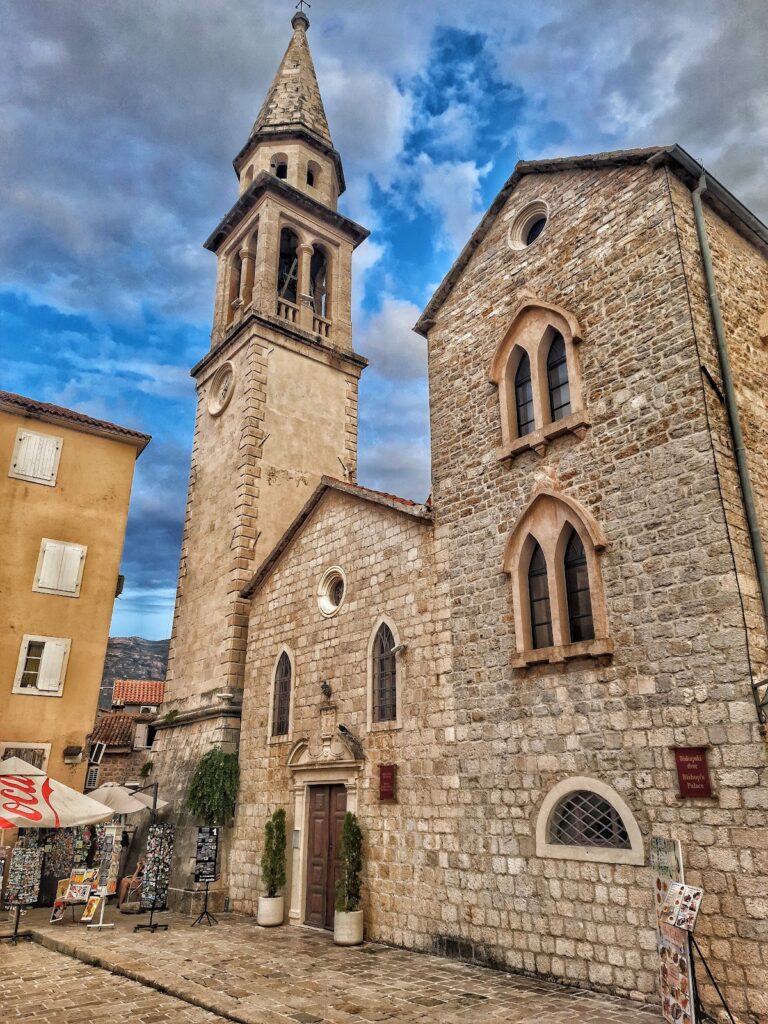
The Church of Saint John the Baptist in Budva is a medieval Gothic cathedral with roots reaching back to the early Christian period. It preserves…
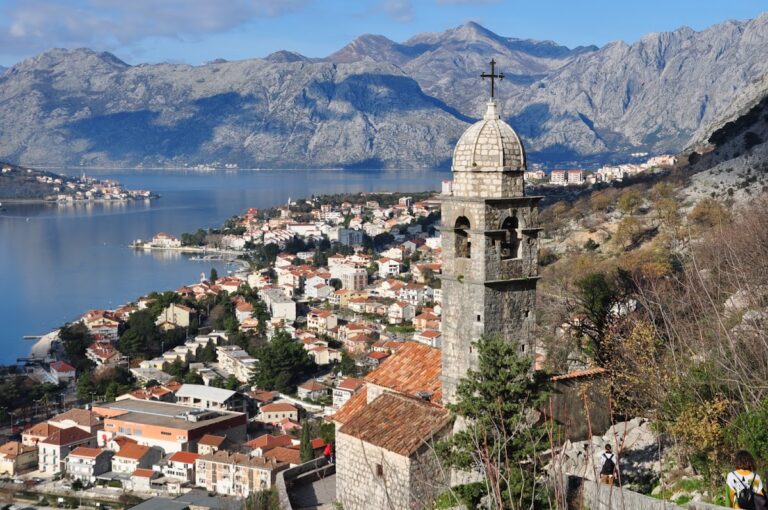
The Church of Our Lady of Remedy is a 1518 Roman Catholic church on the slope of St. John Mountain above Kotor’s Old Town, built above a…
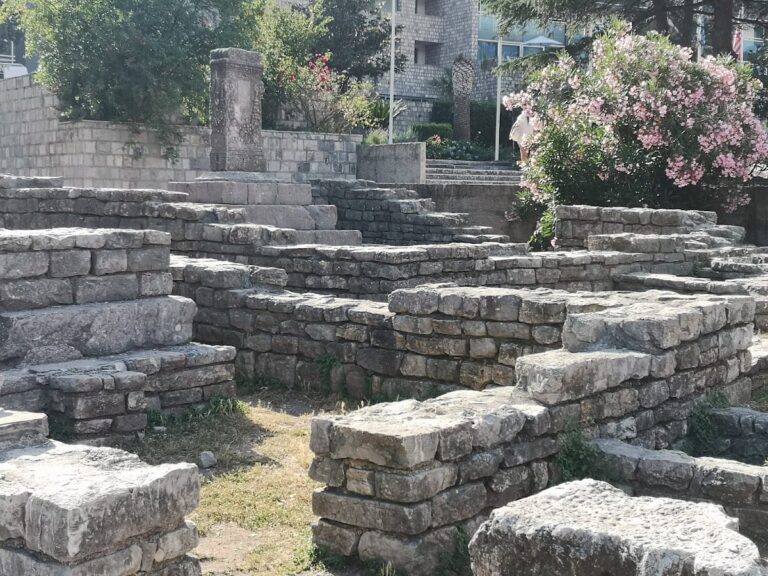
The Budva Necropolis offers insight into the burial customs and cultural changes from the Hellenistic through early Byzantine periods in Montenegro.
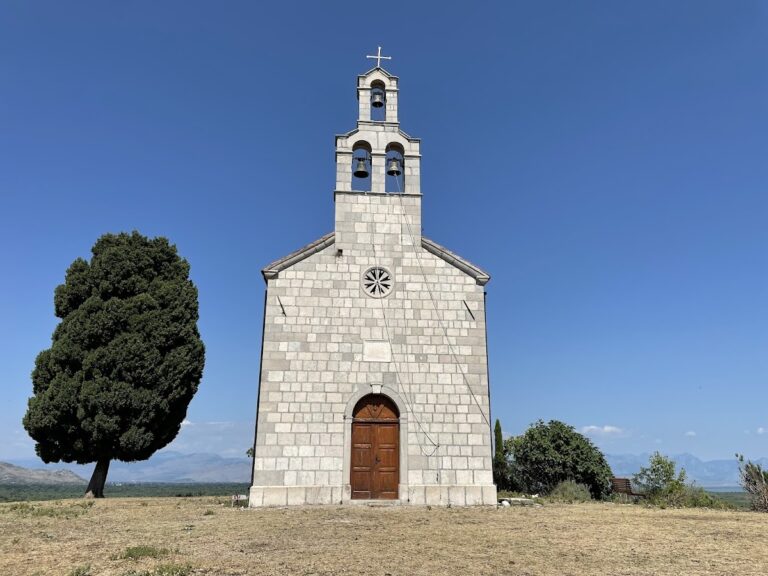
Vranjina Monastery, founded in the early thirteenth century on Lake Skadar, became a major ecclesiastical and landed institution of medieval Zeta…
For details on how to use the maps, which sites are included, how popularity and ratings are determined, and how sites are classified, see the help page.
On this page4 sections
Kotor Cathedral: Romanesque aisles and medieval painting
Kotor Cathedral, dedicated to Saint Tryphon, was built in the twelfth century and consecrated in 1166. Its three aisles terminate in separate apses, with substantial supports dividing the interior. The building combines a Romanesque basilica arrangement with elements drawn from Byzantine architecture. Its original dome over the central aisle was removed after later earthquake damage.
Fragments of fourteenth-century frescoes preserve painting in the Byzantine tradition within this Latin cathedral. They belong to a later decorative campaign, separate from both the twelfth-century construction and the earlier shrine beneath it. A carved Gothic canopy above the main altar adds another medieval feature, supported on columns and decorated with scenes from Saint Tryphon’s life.
An earlier central-plan shrine stood here from the ninth century. Archaeologists found remains along the northeastern part of the present cathedral, together with carved stone furnishings from the earlier church. Earthquakes and rebuilding subsequently changed the cathedral’s upper structure and western towers. Its interior therefore combines surviving medieval spaces with later repairs.
Budva’s excavated early Christian basilica
Within Budva Old Town, excavation uncovered a three-aisled basilica with a semicircular apse and a transept, the crosswise space in front of the sanctuary. Parts extend beneath later buildings and retaining walls. Column bases and capitals identify the divisions of the interior, while an unusually large stone altar canopy was recovered among the architectural pieces.
Fragments of mosaic from the nave and apse were reconstructed for presentation in Budva Museum. The archaeological remains and recovered decoration belong to an earlier Christian town beneath the familiar medieval and Venetian streetscape. The substantial town walls themselves are largely later than this basilica.
Saint John the Baptist: an older foundation beneath a rebuilt church
The Church of Saint John the Baptist has an early medieval foundation, but its present appearance owes much to rebuilding after the earthquake of 1667. Its tall bell tower is a nineteenth-century addition. These later structures should be distinguished from the church’s Byzantine-period origins.
The interior preserves the medieval Budva Madonna, an icon transferred from the nearby Church of Santa Maria in Punta. The Virgin and Child belong to the town’s older devotional collection. The large glass mosaic of Saint John behind the main altar is a modern work by Ivo Dulčić, providing a separate layer of decoration within the much-altered church.
Explore the collection
Explore sites on the map or in the grid. Map icons reflect each site’s primary function, helping you identify different kinds of places at a glance. Narrow the results by primary function, site type or era, with additional filters for popularity and rating. Select a map marker to view the site’s details and open its article, or open the article from its grid entry.