Ancient Greek Sites in North Macedonia: Explore Heraclea Lyncestis
The Greek and Hellenistic collection in North Macedonia centres on Heraclea Lyncestis, a city associated with the expansion of the Macedonian kingdom. Its excavated public buildings chiefly belong to Roman and early Christian times. The site’s earlier foundation and the continued use of Greek in its later civic life connect these successive periods.
Primary Function: All
Type: All
Civilization: All
Popularity: All
Rating: All
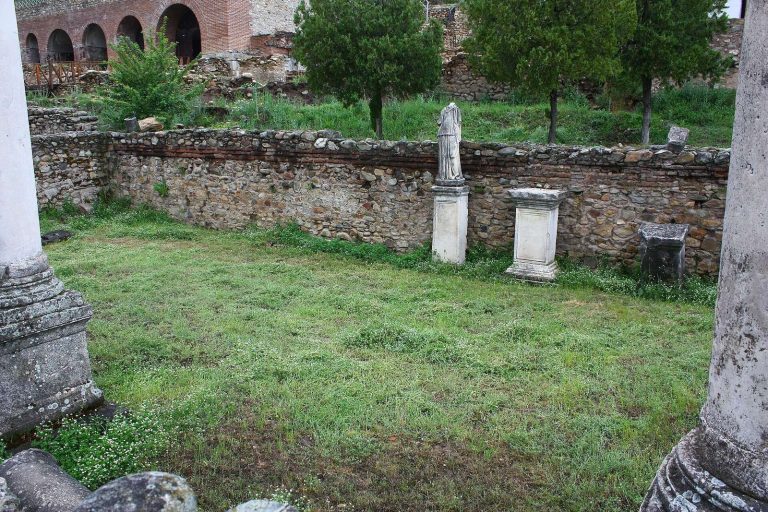
Heraclea Lyncestis, near Bitola in North Macedonia, preserves evidence of a city founded in the fourth century BC and developed through Macedonian,…
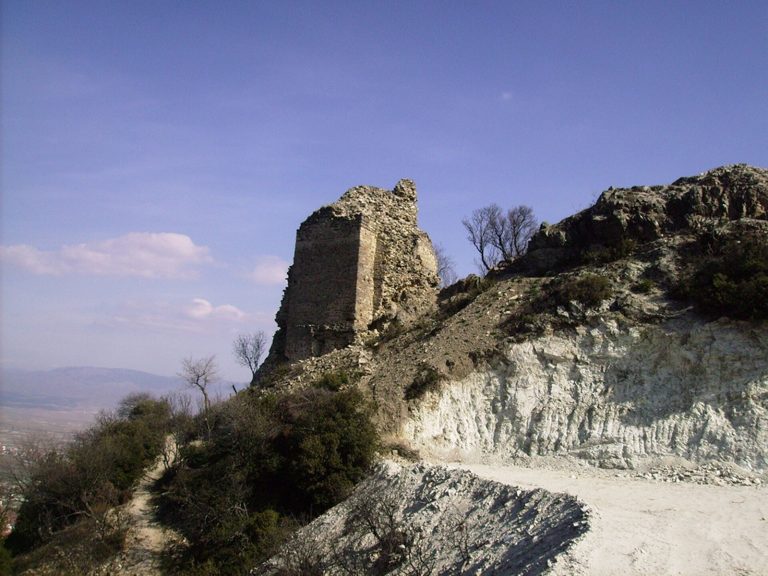
Strumica Fortress developed from a long-used hilltop into a medieval fortified center, with archaeological remains spanning prehistoric, ancient,…
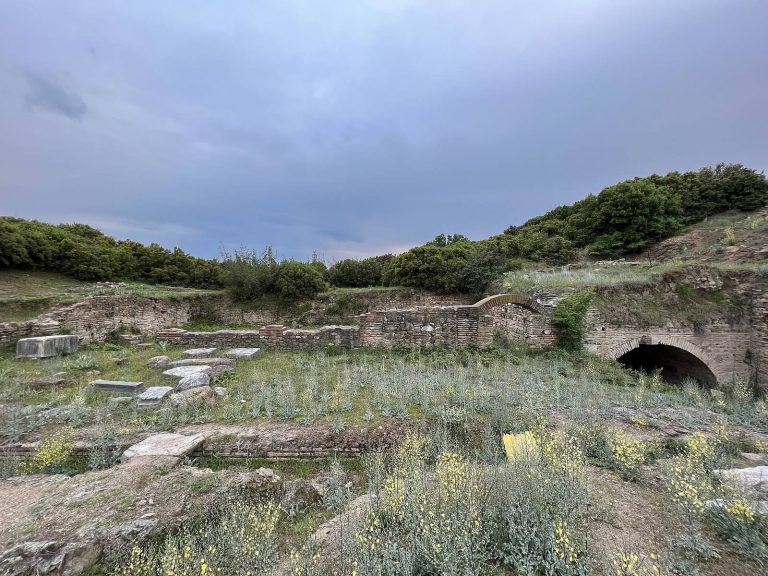
Isar was a settlement and burial center occupied from the first millennium BCE into Late Antiquity. Its remains illuminate Hellenistic and Roman…
For details on how to use the maps, which sites are included, how popularity and ratings are determined, and how sites are classified, see the help page.
Heraclea Lyncestis: a Macedonian foundation
Heraclea Lyncestis, near Bitola, is traditionally associated with Philip II of Macedon in the fourth century BC, although the precise circumstances of its foundation remain debated. Its location served routes through the region of Lyncestis, near the western approaches to the Macedonian kingdom.
The city’s name refers to Heracles, the hero claimed in Macedonian royal ancestry. Its connection with the kingdom explains its inclusion in this collection. The visible archaeological complex, however, was largely shaped by the city’s subsequent development under Rome and in late antiquity.
Greek inscriptions, a Roman theatre and later churches
Among the civic remains is a portico with evidence for public dedications. An inscribed pedestal associated with the goddess Nemesis carries Greek verses drawn from Hesiod concerning justice. It records the continued use of Greek literature and religious language in the Roman city’s public spaces.
The substantial stone theatre dates to the second century AD. Its curved rows of seating and entrances preserve the arrangement of a Roman performance building. The fact that such buildings developed from Greek theatrical traditions does not make this particular structure Macedonian in date.
The basilicas belong to the city’s later Christian development. Their mosaic floors contain animals, plants and religious imagery, providing extensive surviving decoration from late antiquity. Taken together, the portico, theatre and church floors show how a city with Macedonian origins acquired new civic and religious buildings over many centuries.
Explore the collection
Explore sites on the map or in the grid. Map icons reflect each site’s primary function, helping you identify different kinds of places at a glance. Narrow the results by primary function, site type or era. Use the Civilization filter to select among the Greek and Hellenistic groups included here, with additional filters for popularity and rating. Select a map marker to view the site’s details and open its article, or open the article from its grid entry.