Roman Sites in Hungary: Explore Aquincum, Mosaic Rooms and Danube Forts
Roman sites in Hungary in this collection follow the Danube through military installations, urban remains and a decorated residence in modern Budapest. Aquincum provides the most extensive setting, with a legionary fortress, a surrounding military settlement and a separate civilian town. Farther south, Lussonium preserves part of a smaller frontier fort.
The examples focus on garrison buildings, bathing facilities and mosaic rooms. They distinguish excavated Roman fabric from protective buildings and reconstructed fortifications used to present the sites today.
Primary Function: All
Type: All
Popularity: All
Rating: All
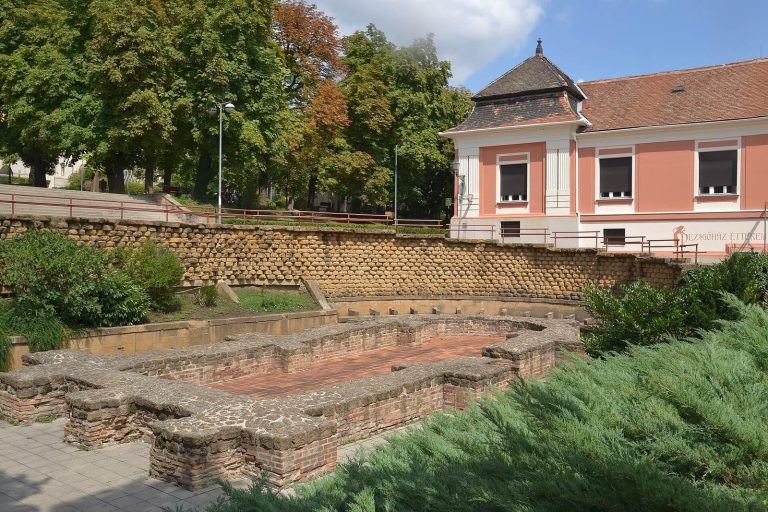
North of Roman Sopianae, this Christian cemetery preserves underground burial chambers, painted tombs and chapels used from the fourth century into…
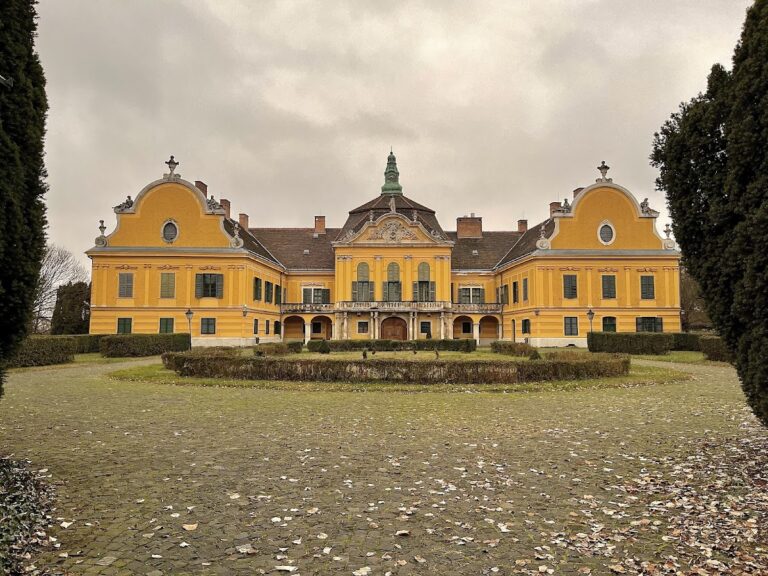
Nagytétény Castle in Budapest developed from Roman and Gothic remains into an eighteenth-century aristocratic Baroque residence and now houses a…
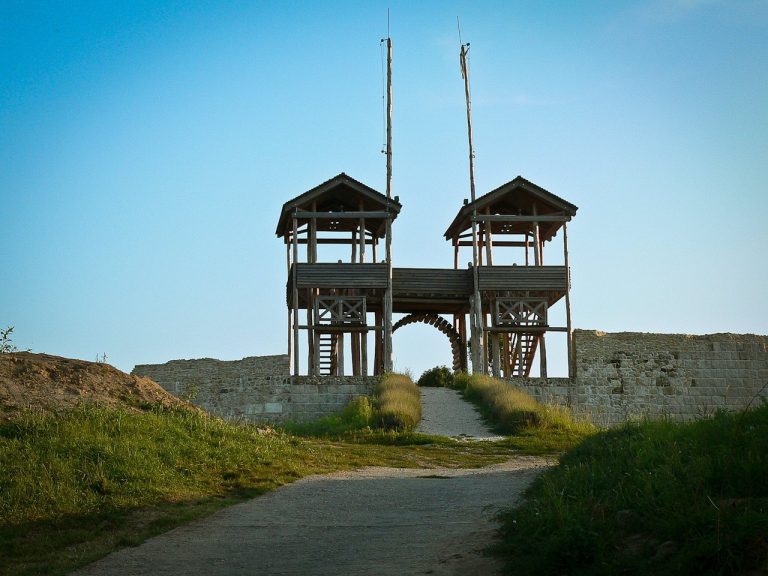
Lussonium Fort near Paks was a Roman military installation on the Danube frontier, occupied from the first century into the early fifth century and…
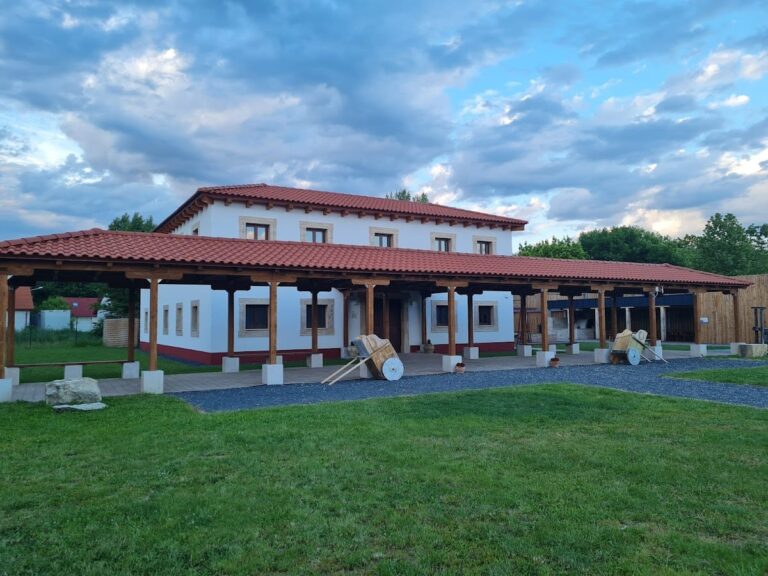
Odiavum Fort was a Roman military installation and civilian settlement on the Danube frontier at Almásfüzitő. Its history spans the early second to…
Aquincum in Budapest developed from a Roman frontier garrison into a provincial capital with a legionary fortress, military settlement, civilian…
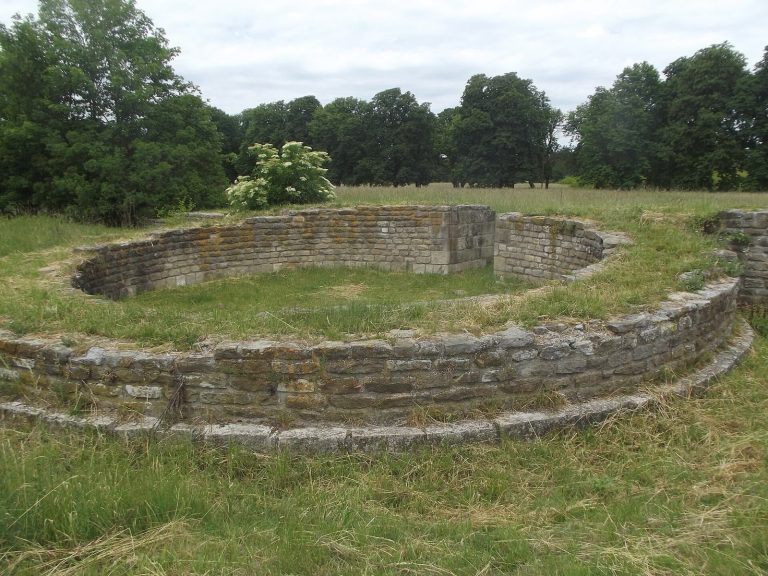
Built inland as part of the Roman defenses of Pannonia, Keszthely-Fenékpuszta later became a refuge and settlement under successive powers. Its…
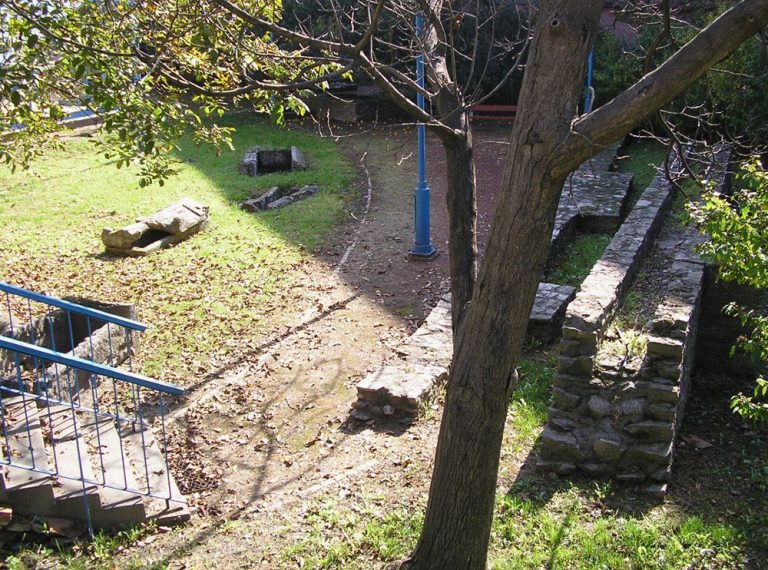
Hercules Villa was a luxurious Roman residence in Aquincum, expanded between the 2nd and 4th centuries and decorated with mosaics linked to Hercules,…
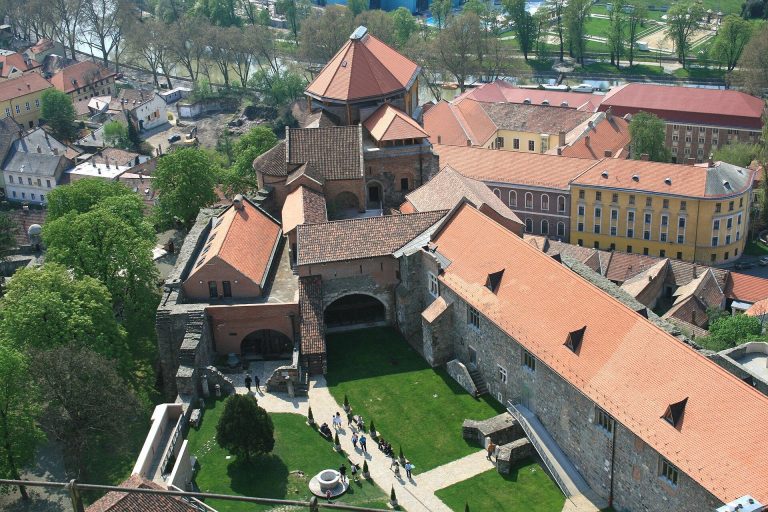
Esztergom Castle in Hungary developed from the Roman fort of Solva into a royal residence, archiepiscopal complex, and Ottoman frontier stronghold on…
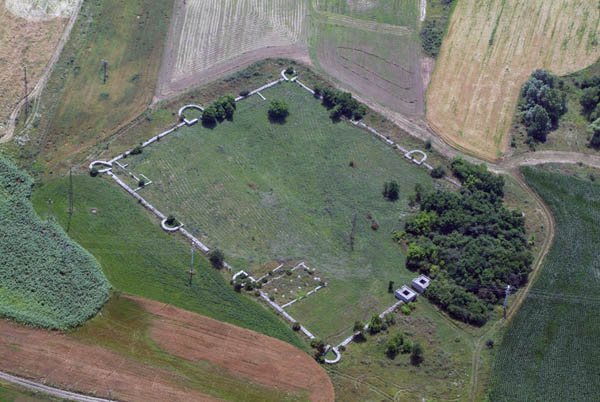
Built under Valentinian I, the Castra of Tokod served as a rear base supporting Roman troops on the Danube frontier. Its fort, nearby settlement,…
For details on how to use the maps, which sites are included, how popularity and ratings are determined, and how sites are classified, see the help page.
On this page4 sections
Aquincum’s legionary buildings and baths
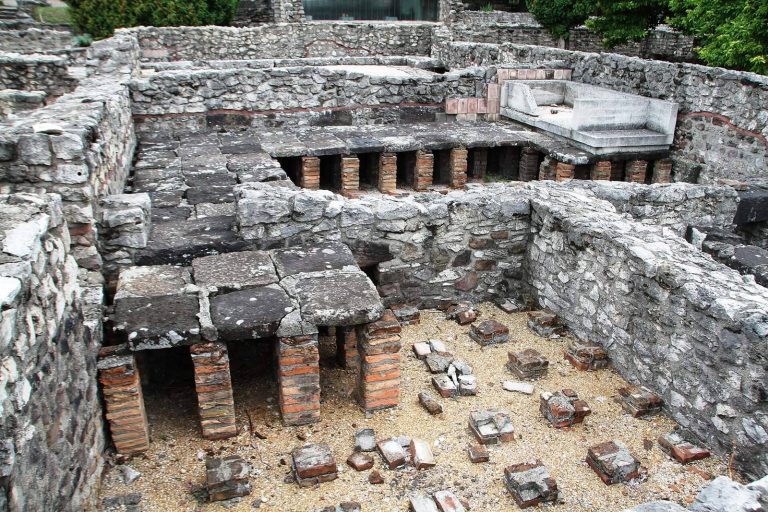
Aquincum occupied the western side of the Danube in what is now Budapest. Its stone legionary fortress contained headquarters, barracks, storage buildings, a hospital and baths. Major streets linked the gates with the central administrative complex, while water supply and sewers served the buildings inside.
The large military baths, the Thermae Maiores, included cold, warm and hot pools, an exercise hall and heated rooms. Later rebuilding changed their arrangement, and the complex probably became a residence for the provincial military commander. The remains presented through the Baths Museum belong to this military district, separate from the civilian town’s archaeological park farther north.
The eastern fortress gate had a central opening for mounted traffic and smaller passages on either side for pedestrians.
Mosaics and bathing at the Hercules Villa
The Hercules Villa stood in the settlement around the legionary fortress. Its rooms were supplied with running water, heating and drainage, with a private bath suite attached to the residence. Geometric pavements decorated several rooms, while figured scenes marked more elaborate interiors.
A mosaic in the bath’s changing room depicts a victorious boxer beside a defeated opponent. A palm branch and equipment for scraping oil from the body accompany the figures, linking the decoration to athletic activity. The Hercules panel from another room was removed for preservation. Other mosaic remains are protected within shelters, retaining geometric borders and patterns within the excavated room layout.
Lussonium’s gates and barracks
Lussonium, near Paks, occupied a raised site beside the ancient course of the Danube. Erosion removed part of the eastern side, but excavations established sections of the late Roman enclosure and its internal buildings. A barracks block near the southern gate opened onto a portico beside the principal camp road.
The southern gateway, barracks and a smaller late Roman fortification have been conserved for presentation. The northern wall and gate tower include modern reconstruction. These remains record changes from an earlier timber-and-earth installation to a stone fort, followed by a more restricted defended area in its final phases.
Explore the collection
Explore sites on the map or in the grid. Map icons reflect each site’s primary function, helping you identify different kinds of places at a glance. Narrow the results by primary function, site type or era, with additional filters for popularity and rating. Select a map marker to view the site’s details and open its article, or open the article from its grid entry.