Roman Sites in Slovenia: Explore Town Walls, Mosaic Floors and Mithraic Shrines
Roman sites in Slovenia include the houses and early Christian buildings of Emona, the late Roman defences of Castra and the shrines of Poetovio. Their remains range from mosaic floors and heating systems beneath Ljubljana to round towers incorporated into Ajdovščina. Around Ptuj, carved altars and excavated sanctuaries preserve evidence of worship alongside the town’s commercial and military connections.
Primary Function: All
Type: All
Popularity: All
Rating: All
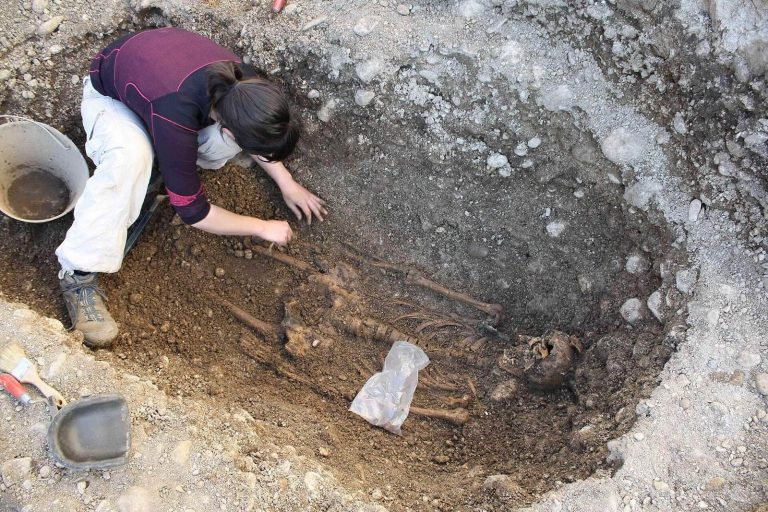
Emona was a Roman colony established on the site of southwestern Ljubljana around AD 14–15. Its origins lay in a strategically important area with…
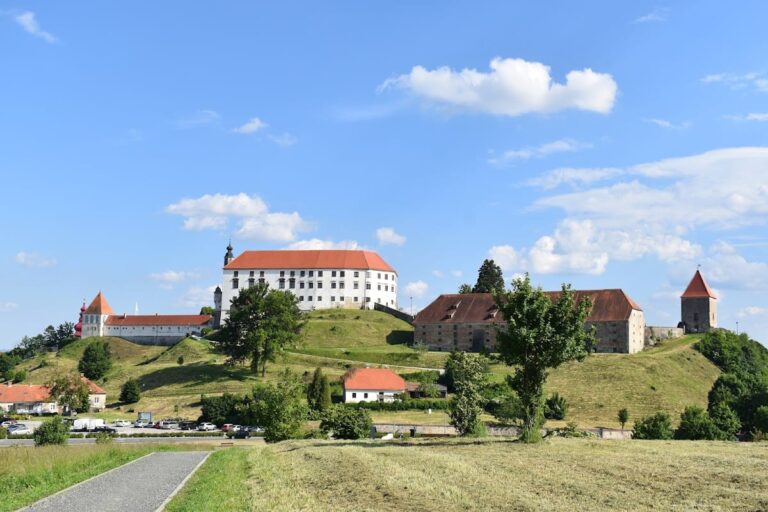
A Roman town at present-day Ptuj that served as a military base, customs hub and local religious centre, noted for several Mithraic shrines.
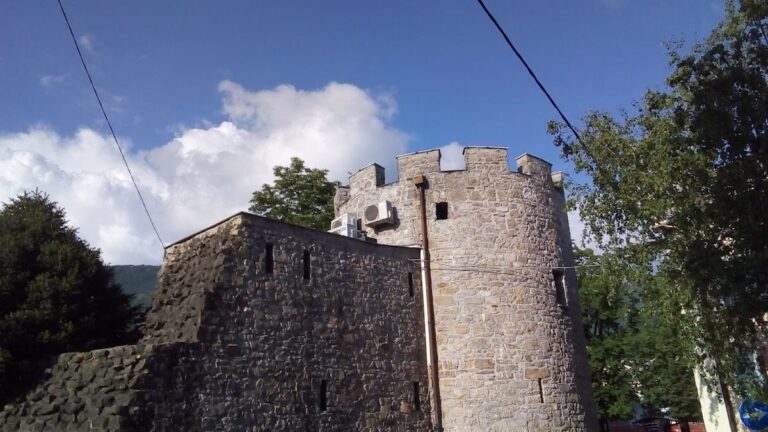
Castra was a late Roman fortress founded around AD 270 in the Vipava Valley and integrated into the Claustra Alpium Iuliarum frontier system. Its…
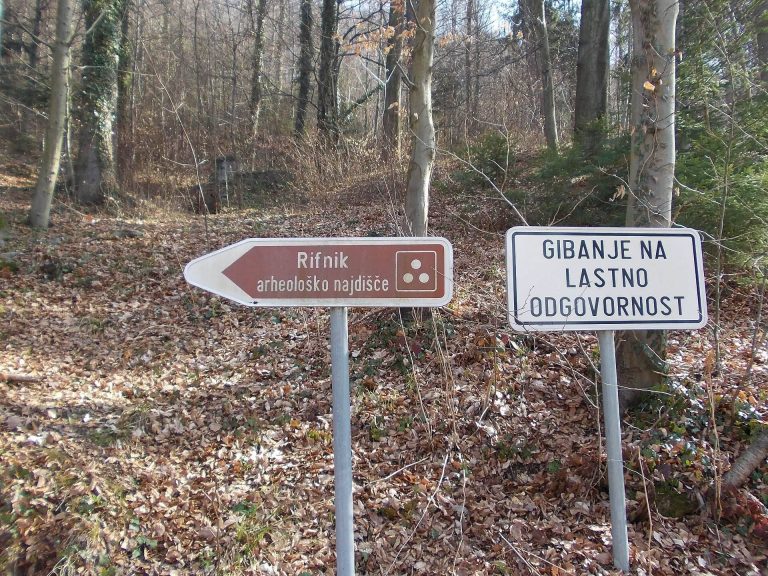
Rifnik is an archaeological hill site in eastern Slovenia whose remains and exhibitions trace settlement from the late Bronze Age through the Roman…
For details on how to use the maps, which sites are included, how popularity and ratings are determined, and how sites are classified, see the help page.
On this page4 sections
Emona: houses, heating and an early Christian centre
The remains of Emona lie within modern Ljubljana. At the Emonan House archaeological park, a residence preserves rooms with contrasting arrangements: a geometric mosaic decorated a summer room, while a winter room used underfloor heating. Raised floors and hollow wall bricks allowed heat to circulate through the building. A covered drain carried wastewater towards the street sewer, connecting the household to the town’s wider infrastructure.
Another excavated house became an early Christian centre. Its successive alterations included bathing rooms and, later, a baptistery with a central pool and mosaic decoration. These changes belong to different stages in the building’s occupation; the baptismal room was not part of the original Roman house. Together with the surviving town walls, the excavated interiors show how streets, private homes and religious buildings occupied the same urban area over several centuries.
Castra: round towers in Ajdovščina
At Castra, the late Roman fortification followed an irregular circuit around the settlement. Its walls were about three metres thick, with round towers projecting beyond the curtain so defenders could cover the adjoining stretches. Several towers and sections of wall survive among the buildings of Ajdovščina, rather than as an isolated enclosure outside the town.
The strongest surviving tower masonry rises several metres above ground, making Castra a useful example of Roman defences preserved in elevation. Repairs and restoration form part of their present appearance. Within the circuit, excavated bathing rooms add a different part of the settlement: the heated bath complex occupied space protected by the same walls.
Poetovio: Mithraic shrines and pottery workshops
Poetovio, at Ptuj and its surroundings, developed beside routes linking the Adriatic with the Danube region. Excavation has identified houses, storage buildings, workshops and kilns. A preserved pottery kiln provides a particularly concrete example of local production, with its structure surviving at the place where vessels were fired.
The Mithraic shrines at Spodnja Hajdina and elsewhere around Ptuj retain carved altars and reliefs associated with the worship of Mithras. Their inscriptions record dedications by individual worshippers, including men connected with imperial service and the army. One relief depicts Mithras emerging from a rock, a subject distinct from the more familiar scene of the god killing a bull.
The shrines are protected archaeological interiors, with displayed stones arranged following excavation. Their value lies in the combination of the excavated worship spaces and their carved furnishings; the modern protective buildings should not be mistaken for surviving Roman roofs.
Explore the collection
Explore sites on the map or in the grid. Map icons reflect each site’s primary function, helping you identify different kinds of places at a glance. Narrow the results by primary function, site type or era, with additional filters for popularity and rating. Select a map marker to view the site’s details and open its article, or open the article from its grid entry.