Byzantine Sites in Libya: Explore Basilica Churches and Coastal Defences
Byzantine sites in Libya include churches built within older Roman cities and defences enclosing reduced areas of those settlements. At Leptis Magna and Sabratha, the Byzantine buildings sit among extensive forums, streets and public monuments. Sixth-century construction changed how parts of these cities were occupied, turning civic halls into churches and drawing new walls around selected districts.
The examples here focus on those later religious and defensive arrangements. They include an adapted imperial basilica, a church rebuilt on a smaller plan and mosaic decoration from a new foundation of Justinian’s reign.
Primary Function: All
Type: All
Popularity: All
Rating: All
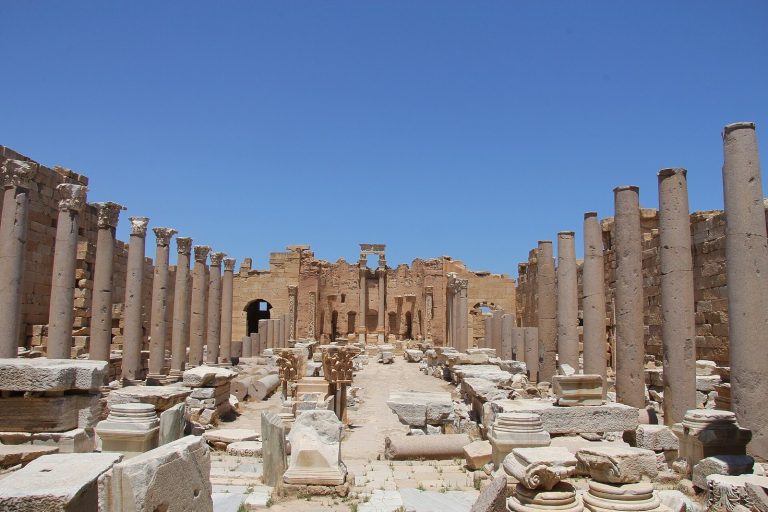
Leptis Magna preserves the urban remains of a Phoenician foundation that became a major Roman port, an imperial building centre, and a meeting point…
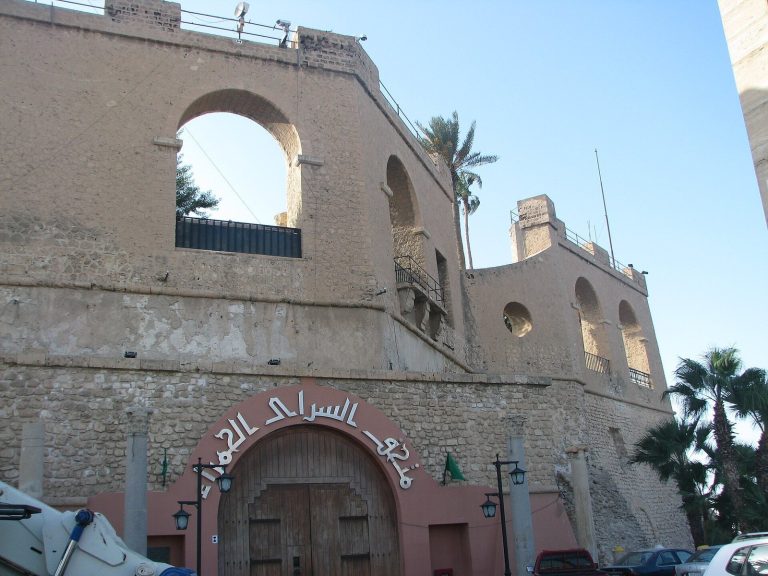
AlSaraya Alhamra Museum in Tripoli occupies the historic Red Castle and presents roughly 5,000 years of Libyan history, from prehistory to modern…
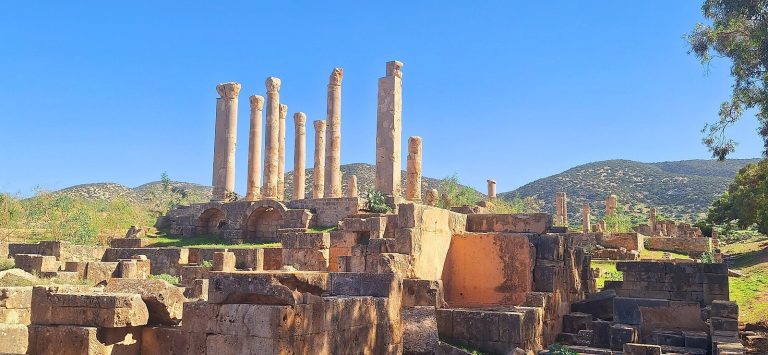
Ptolemais Archaeological Park preserves the remains of a major city of ancient Cyrenaica, from its Ptolemaic foundation and Roman development to its…
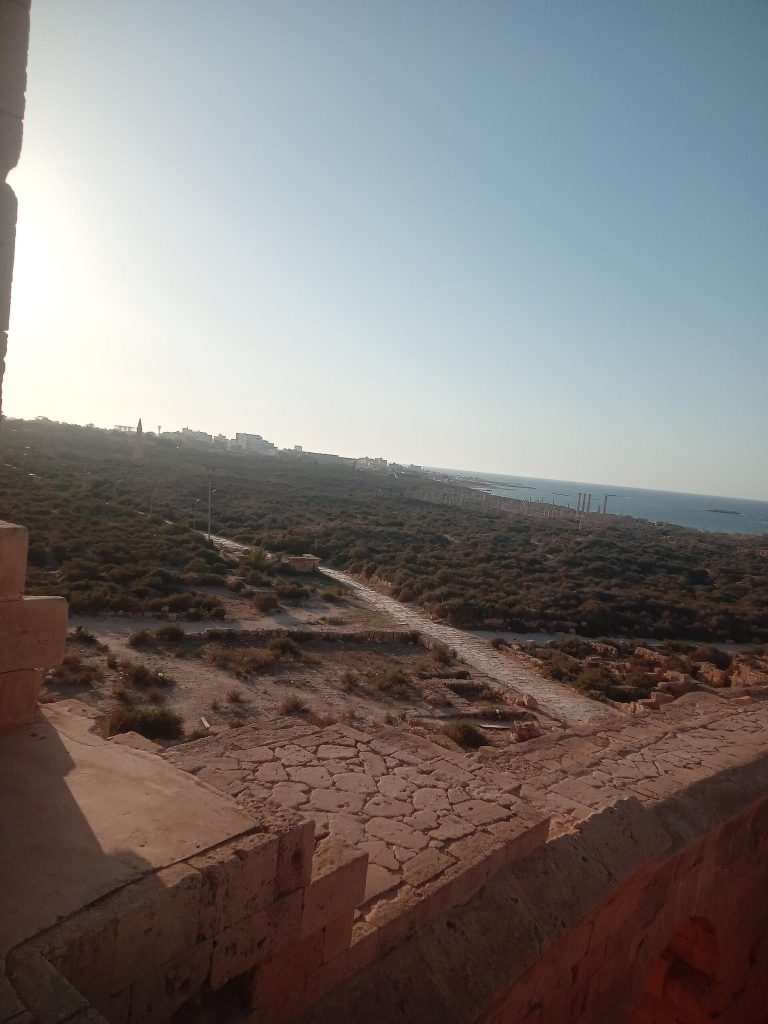
Sabratha developed from a Phoenician trading post into a Roman municipium and colony, flourishing through Mediterranean and trans-Saharan commerce.…
For details on how to use the maps, which sites are included, how popularity and ratings are determined, and how sites are classified, see the help page.
On this page4 sections
Leptis Magna: a civic basilica converted into a church
The Severan Basilica at Leptis Magna began as a Roman public hall with a broad central space, side aisles and apses at opposite ends. Under Justinian, it was adapted for Christian worship. The conversion reused the large existing structure and also drew building material from its earlier architectural decoration.
Excavation identified columns taken from the upper order of the northwestern apse and reused during the Byzantine works. Other material from the same part of the building went into a nearby church at the end of the colonnaded street. The Christian rebuilding therefore involved both the adaptation of the hall and the dismantling of selected elements for use elsewhere.
The surviving Roman colonnades and carved pilasters belong to the earlier civic setting. The later church arrangements occupy that inherited shell, making the basilica a useful example of how Byzantine builders worked within a much larger existing monument.
Leptis Magna’s smaller defended city
Justinianic walls enclosed a coastal area extending from the old eastern harbour mole towards the Severan Basilica and the temples of the Old Forum. This perimeter protected only part of the former Roman city. A separate, larger defensive scheme remained unfinished.
Within and around the later settlement, churches stood beside areas used for housing and production. Oil presses were installed near Christian buildings, while burials occupied spaces close to places of worship. These changes altered the use of former public districts: the earlier street plan and large monuments remained, but occupation gathered around smaller groups of religious and working buildings.
Sabratha: rebuilt and newly founded churches
At Sabratha, the judicial basilica beside the forum had already been converted into a church during the fifth century. Its Christian arrangements included an altar and baptismal facilities. Byzantine rebuilding in the sixth century reduced the size of the deteriorating church and gave it a façade with three doorways.
A separate basilica was built under Justinian. Its floor mosaic combined stylised trees with geometric ornament; the recovered pavement was transferred to a museum rather than left as a complete floor within the ruined church. The two buildings illustrate different construction choices within the same city: one adapted and then reduced an older civic hall, while the other supplied a new church.
Sabratha also received a defensive wall around a limited part of its earlier urban area. The churches and enclosure belong to this later town, whereas the great theatre and its reconstructed stage façade belong to a separate Roman building history.
Explore the collection
Explore sites on the map or in the grid. Map icons reflect each site’s primary function, helping you identify different kinds of places at a glance. Narrow the results by primary function, site type or era, with additional filters for popularity and rating. Select a map marker to view the site’s details and open its article, or open the article from its grid entry.