Château de la Mogère: An 18th-Century French Estate Near Montpellier


Visitor Information
Google Rating: 4.2
Popularity: Low
Google Maps: View on Google Maps
Official Website: www.lamogere.fr
Country: France
Civilization: Unclassified
Remains: Military

History
The Château de la Mogère is situated near the city of Montpellier in modern-day France. It was created during the early 18th century by the French under the Ancien Régime.
The estate was established after the surrounding land was acquired around 1706 or 1707 by Fulcran Limouzin, who served as a Secretary of State in the then-prevailing royal administration. Construction of the château began shortly after, in 1715, with the design entrusted to architect Jean Giral. Giral was known for his architectural contributions within Montpellier, including notable urban mansions such as the Hôtel de Cambacérès-Murles.
Following the initial phase, the property passed into the hands of Jacques-Joseph de Boussairolles, who lived from 1741 to 1814. He held several official positions, including counselor to the Court of Accounts and President of the Imperial Court. His ennoblement came in 1813 when he was made a baron of the French Empire. Remarkably, the ownership has remained within his family lineage since his acquisition.
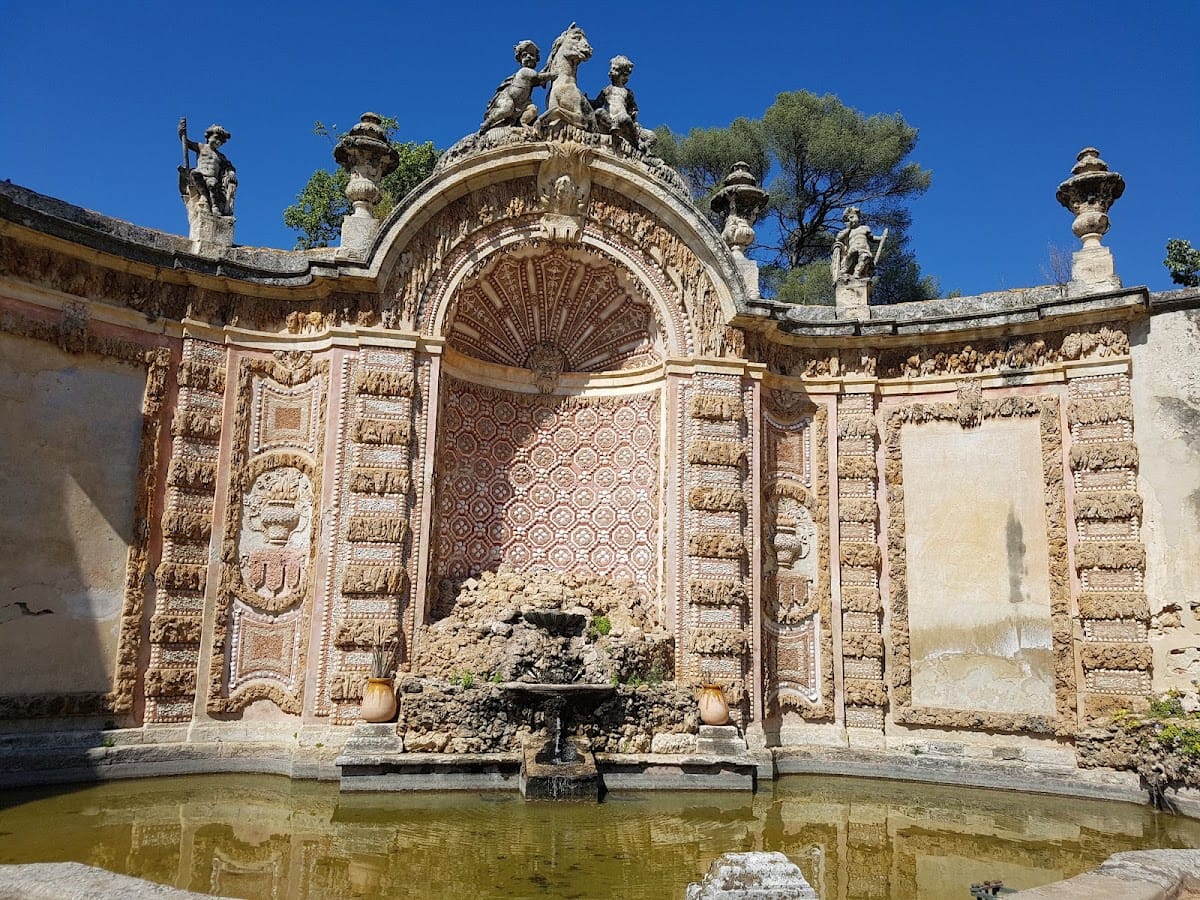
Throughout the 20th century, the château and its associated landscape gained official recognition for their cultural value. The water-related structures such as a buffet d’eau (a decorative water fountain), an aqueduct, and a garden fountain were designated historic monuments as early as 1945. By 1966, the classification extended to the building’s façades, roofs, and the complete park grounds. Today, the estate continues under the care of a family descendant, Viscount Gaston de Saporta, who maintains its historical character and collections.
Remains
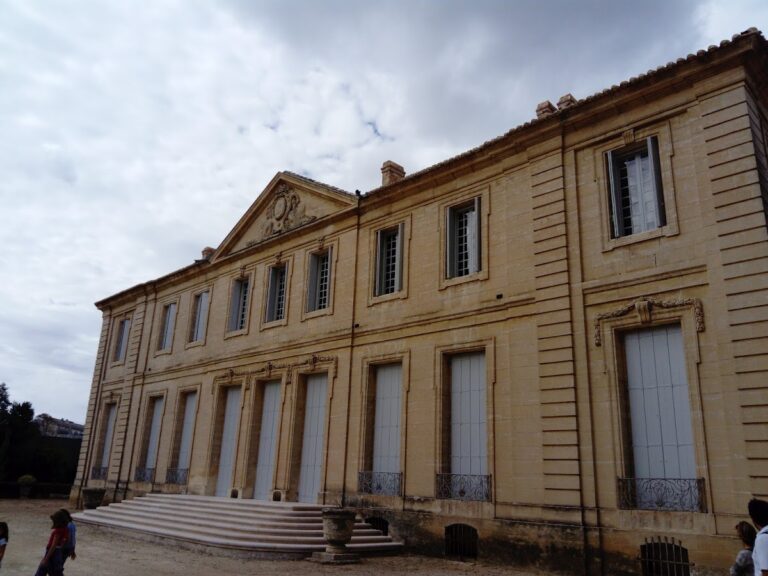
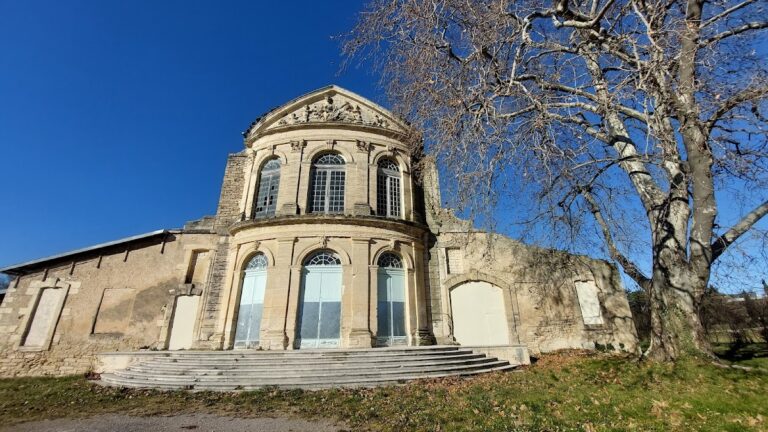
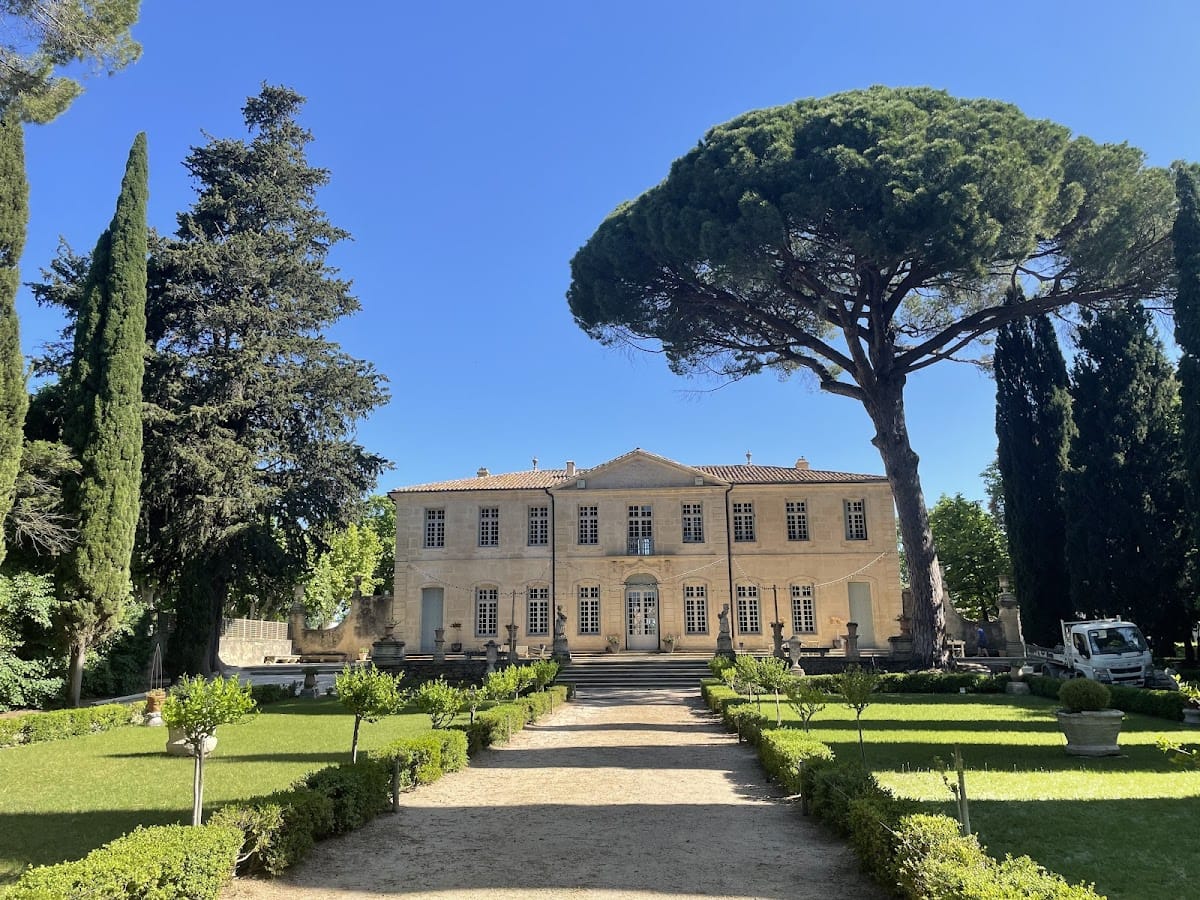
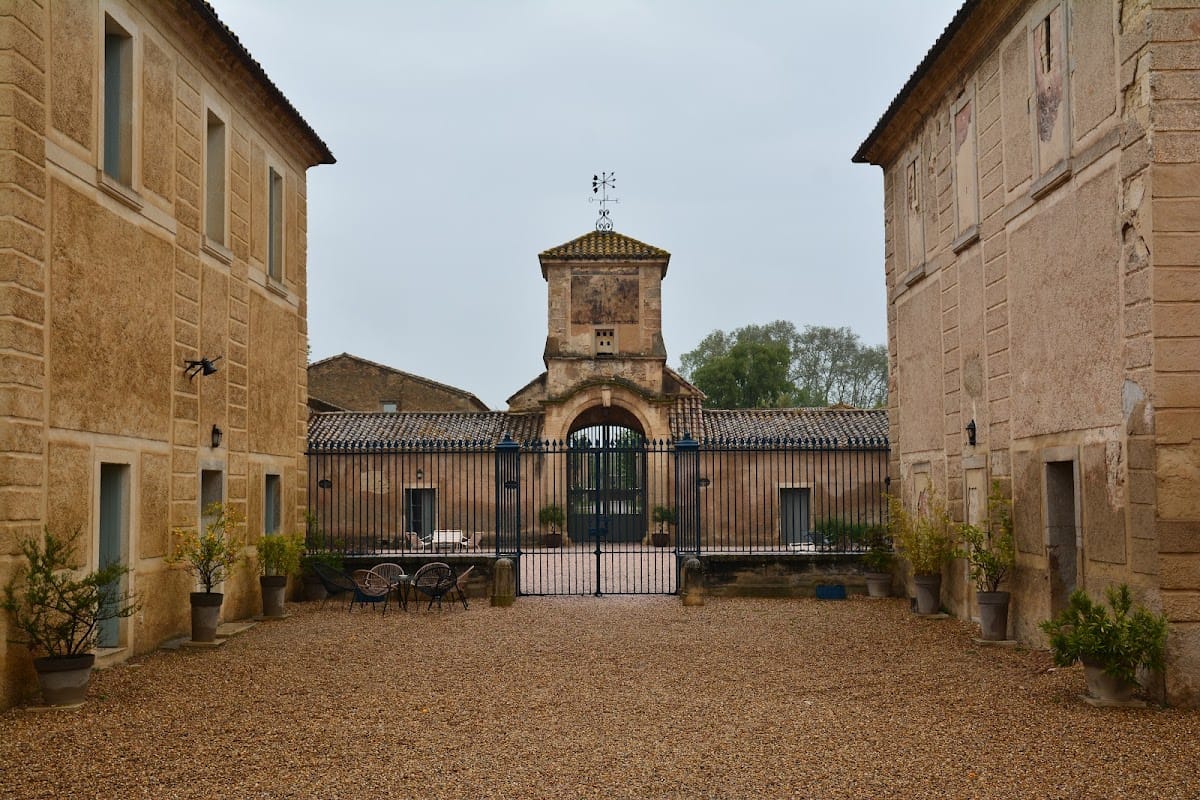
The Château de la Mogère presents a harmonious example of early 18th-century architecture with a Renaissance-style façade topped by a pediment. It is set within a sprawling park covering roughly ten hectares, where formal French garden designs blend seamlessly with elements inspired by the English landscape style of the 19th century. Within this green space, mature stone pine trees approximately 150 years old provide a natural and asymmetrical contrast to the more structured garden layouts.
A focal point within the gardens is an ornate fountain crafted from thousands of small seashells and adorned with cherub sculptures, contributing both decorative and symbolic charm to the setting. Additionally, the water management features that once supplied the estate remain prominent: the buffet d’eau serves as a decorative display of water, the aqueduct facilitated water transport, and a separate garden fountain enhances the landscape. Each of these water features holds individual protection under historic monument status.
Inside the château, original furnishings from the 17th and 18th centuries endure, including period chairs from the Directoire and Louis XVI eras. The interior is enriched with paintings and bas-reliefs, featuring works by distinguished artists such as Jean Jouvenet, Hyacinthe Rigaud, and Jacques-Louis David. These objects have been recognized as historic due to their artistic and heritage significance, and they help preserve the authentic atmosphere of the original residence.
The combination of carefully maintained architectural elements, water features, and the evolving garden landscape reflects the layered history of the estate and its adaptation over centuries while retaining key components of its 18th-century grandeur. The château’s close proximity to modern infrastructure places it within a contemporary setting, yet it remains a preserved witness to its historical origins.
Nearby sites