Château de la Piscine: An Eighteenth-Century Pleasure Residence in Montpellier


Site at a Glance
- Rating
- 4.8
- Popularity
- Very Low
- Country
- France
- Primary era
- Early Modern
- External website
- Open
- Eras represented
- Early Modern
- Civilizations
- French
- Site type
- Domestic
- Remains
- Elite Residence
On this page7 sections
History
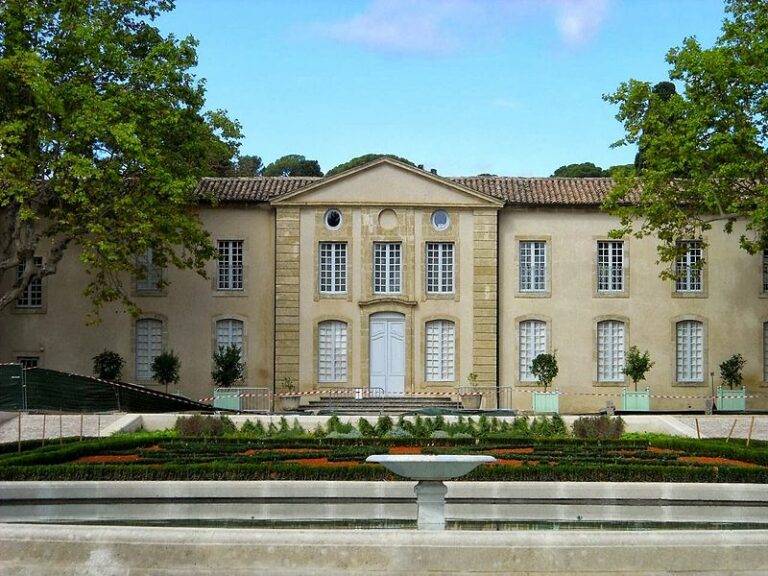
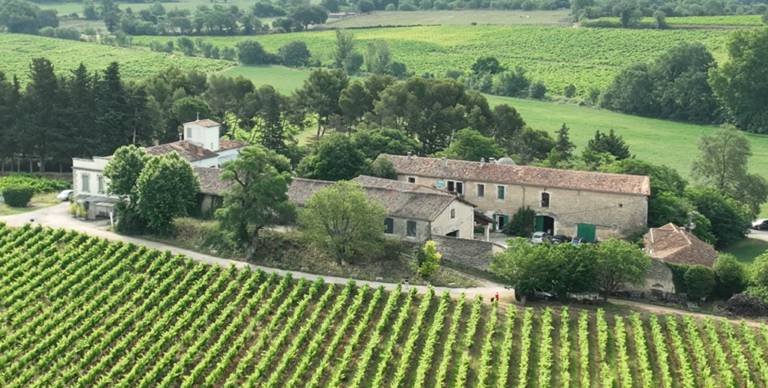
Château de la Piscine is an eighteenth-century country pleasure residence in Montpellier, France, built as a folie, a private estate designed chiefly for leisure and display rather than as a fortified or urban home. The present château was commissioned by François Gaspard Richer de Belleval and completed in 1771, with its architecture and grounds forming an important surviving example of Montpellier’s grand residential estates.
From Mas de la Peyssine to the Belleval estate
In 1435, the site was occupied by the former Mas de la Peyssine, a hunting estate belonging to Charles de Boucicot, a counsellor of the Montpellier Court of Accounts. Through the marriage of his daughter Anne to Georges de Belleval, the property passed into the Belleval family.
The eighteenth-century château
During the second half of the eighteenth century, François Gaspard Richer de Belleval commissioned the architect Jean Antoine Giral to build the present château. Construction was completed in 1771. The Belleval family retained ownership of the Château de la Peyssine until 1817.
In 1814, Elisa Bacciochi, Grand Duchess of Tuscany and sister of the French emperor Napoleon I, rented the château for three weeks while fleeing her invaded Italian states. After several changes of ownership, the collector Alfred Chaber acquired the property in 1893 and changed its name to Château de la Piscine.
Restoration and protection
During the first half of the twentieth century, Alfred Chaber’s son, André Chaber, devoted attention to restoring the formal French gardens. André Chaber’s granddaughter oversees the château and its gardens. The château and its principal exterior, interior, landscape, and decorative elements have been classified as a French historic monument since 11 December 1942.
Remains
The château and interiors
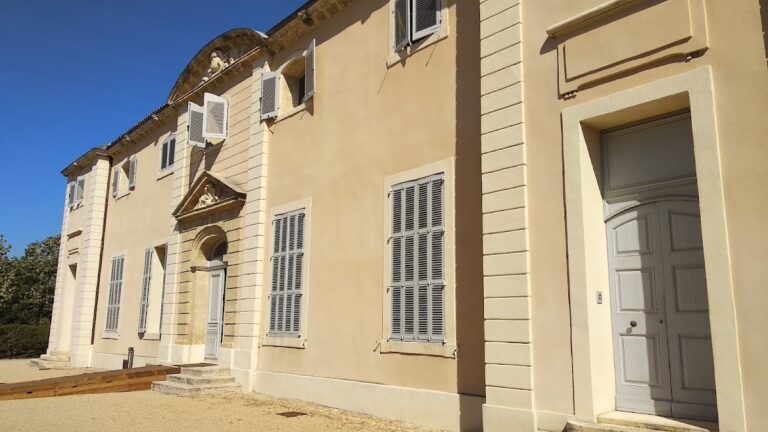
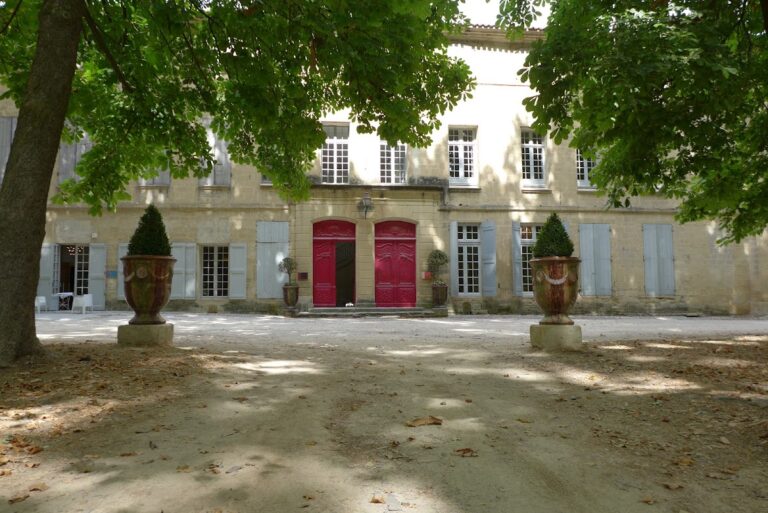
Château de la Piscine is set within a park and retains the character of an eighteenth-century Montpellier folie. The protected exterior includes the façades, roofs, entrance door, and associated ironwork. Inside, the protected ground floor includes the grand salon and its decoration, the green cabinet with its marble fireplace and overmantel, the vestibule, and the wrought-iron railing of the staircase. The ground-floor protection excludes the staff service rooms.
Gardens and park features
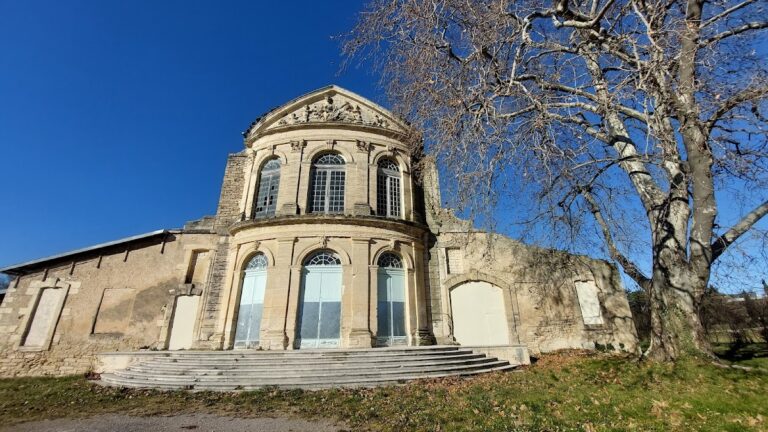
The grounds include formal French gardens, basins, statues, vases, and other architectural works. They also contain the façade of a former chapel, a small pavilion with two wings, an enclosure, gates, and the large gateway leading to the main courtyard. These landscape and decorative features form part of the protected historic ensemble.