Château de la Mosson: A Montpellier Folly and Historic Estate in France


Site at a Glance
- Rating
- 3.3
- Popularity
- Very Low
- Country
- France
- Primary era
- Early Modern
- External website
- Open
- Eras represented
- Early Modern
- Civilizations
- French
- Site type
- Domestic
- Remains
- Elite Residence
On this page11 sections
History
Construction and the Bonnier estate
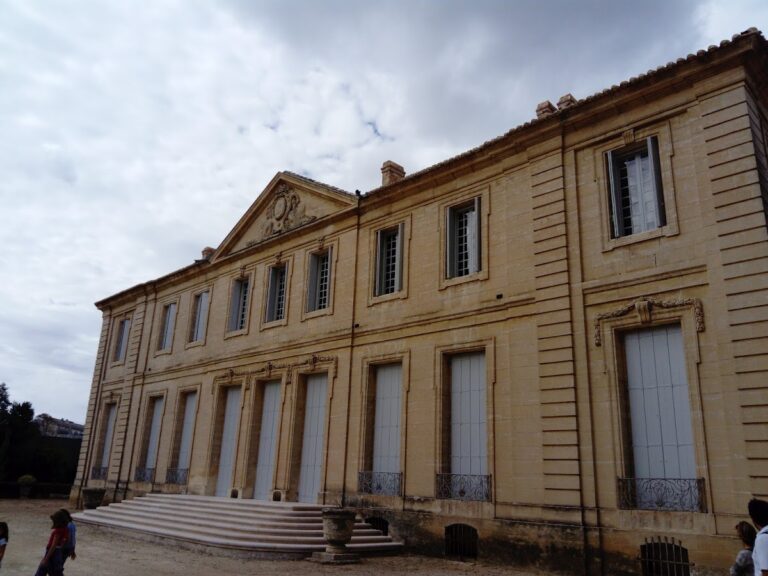
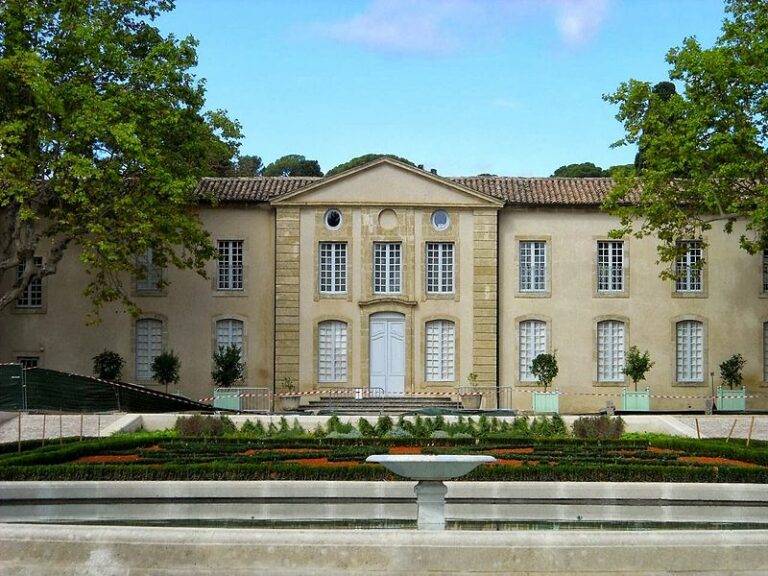
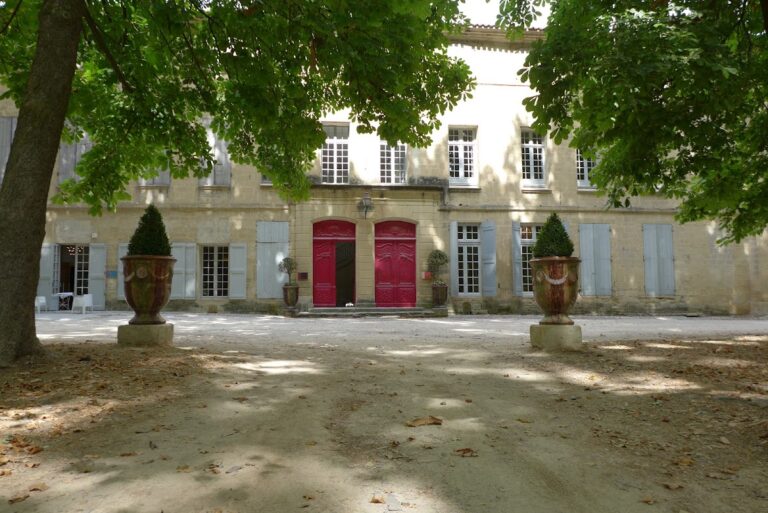
Château de la Mosson is a neoclassical country residence in Montpellier, France, built between 1723 and 1729 for Joseph Bonnier, treasurer of the States of Languedoc. Designed by Jean Giral, it belonged to the local tradition of the folie montpelliéraine, an elegant country estate combining a château with formal gardens, terraces, water features, and service buildings.
The sculptor Nicolas Sébastien Adam worked at the château from 1724 to 1726. His contribution is associated with the exterior sculptures. The estate was created as a unified architectural and landscape composition, bringing together the residence, its decorative elements, gardens, terraces, waterworks, and supporting buildings.
Dismantling and dispersal
Joseph Bonnier died prematurely in 1744, after which his widow sold the property. The estate was subsequently dismantled on a large scale, and many of its finest architectural and sculptural elements were removed and dispersed. The portal was transferred to Château de l’Engarran, while parts of the façades were reused at Lavérune, Hôtel Haguenot, Château d’O, Château d’Assas, and Château de Fontmagne at Castries. Most of the statues now in the Gardens of the Fontaine at Nîmes also came from Château de la Mosson.
Protection and later history
The City of Montpellier purchased the estate in 1982, and it opened to the public in 1984. Several restoration campaigns followed. The property has been abandoned since at least the mid-2010s, and a rehabilitation project remained stalled in 2022 because no definitive project or financing had been established.
The entire 16-hectare estate was classified as a French historic monument on 18 November 2003. This designation protects the château remains together with the decorative features, sculptures, water feature, surviving service buildings, former garden grounds, terraces, and steps under France’s heritage legislation. The estate belongs to the City of Montpellier and is managed by Montpellier Méditerranée Métropole.
Remains
Estate and surviving buildings
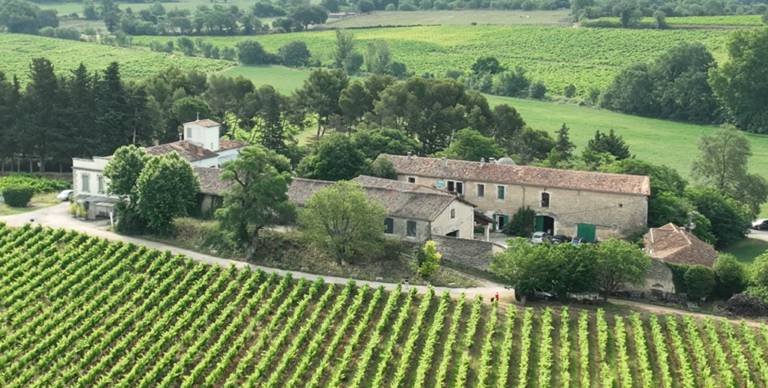
The estate stands beside the Mosson on the boundary between Montpellier and Juvignac, in France’s Hérault department. Its surviving remains form part of a 16-hectare landscape that includes the neoclassical château, remnants of service buildings, former garden grounds, terraces, and flights of steps. The present site reflects both the original design and the later dismantling that separated many architectural elements from their first setting.
Château and service buildings
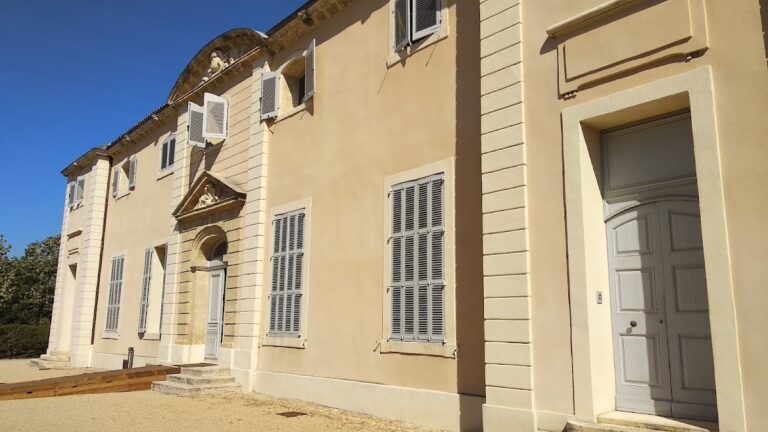
The château survives as a neoclassical building accompanied by surviving decorative features and exterior sculptures. Parts of the service buildings also remain within the estate. Façade elements removed during the dismantling are preserved at several other estates and buildings, leaving the surviving residence and its grounds as part of a wider dispersed architectural ensemble.
Water feature and terraces
A water feature known as a buffet d’eau extends for 100 metres through the estate. The protected grounds also include the former gardens, terraces, and steps, which preserve elements of the formal landscape arrangement associated with the country residence.
Sculptural remains and replicas
Original statues
Some original statues remain on the estate, although they are very badly damaged. Their survival provides a direct part of the site’s sculptural decoration, while most of the statues removed from Château de la Mosson are now in the Gardens of the Fontaine at Nîmes.
Five allegorical statues
Five allegorical statues from the estate were copied in polyester by the American artist Allan McCollum. The replicas were installed in 2000 on the Esplanade Charles-de-Gaulle beside the Corum in Montpellier for the inauguration of tramway Line 1.