Castillo de las Cinco Esquinas: A Medieval Fortress in Cazorla, Spain

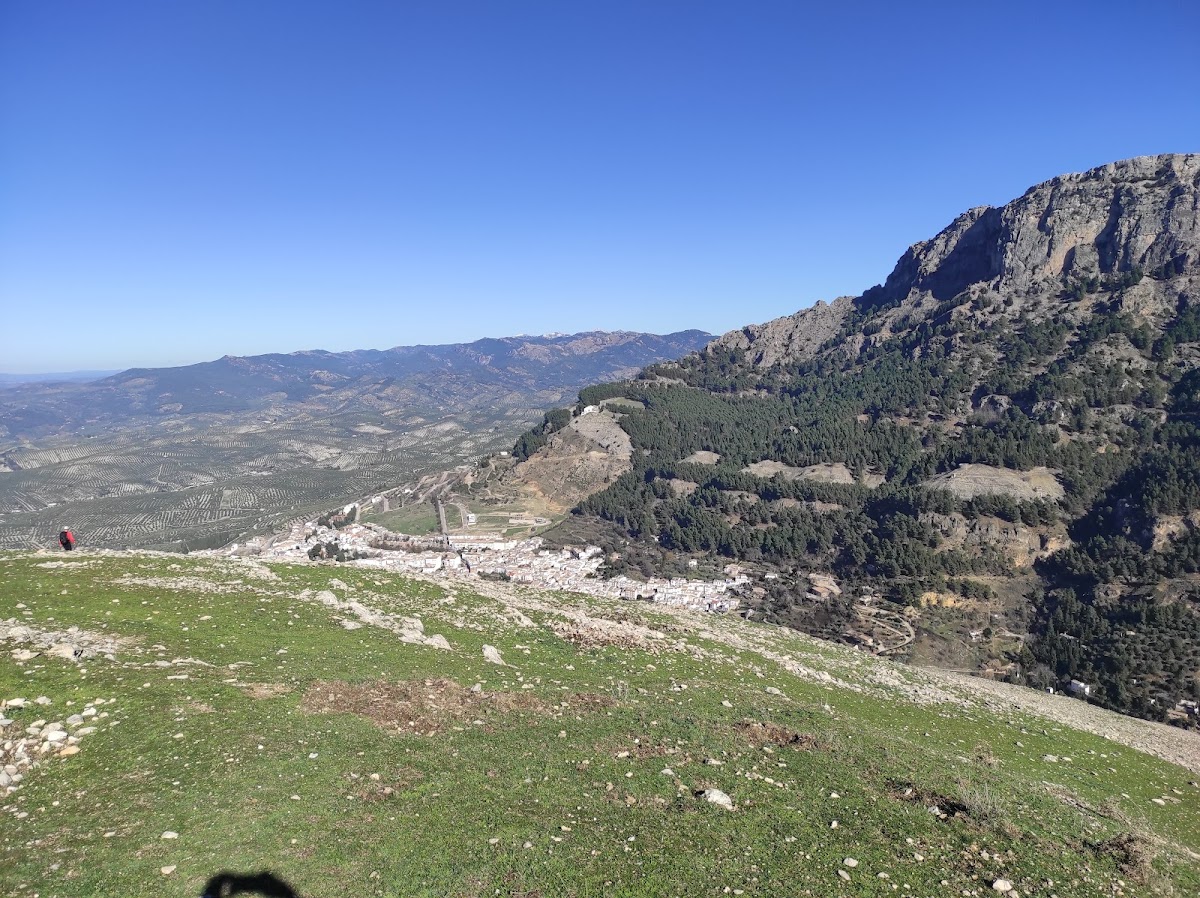

Visitor Information
Google Rating: 4.4
Popularity: Low
Google Maps: View on Google Maps
Country: Spain
Civilization: Unclassified
Remains: Military

History
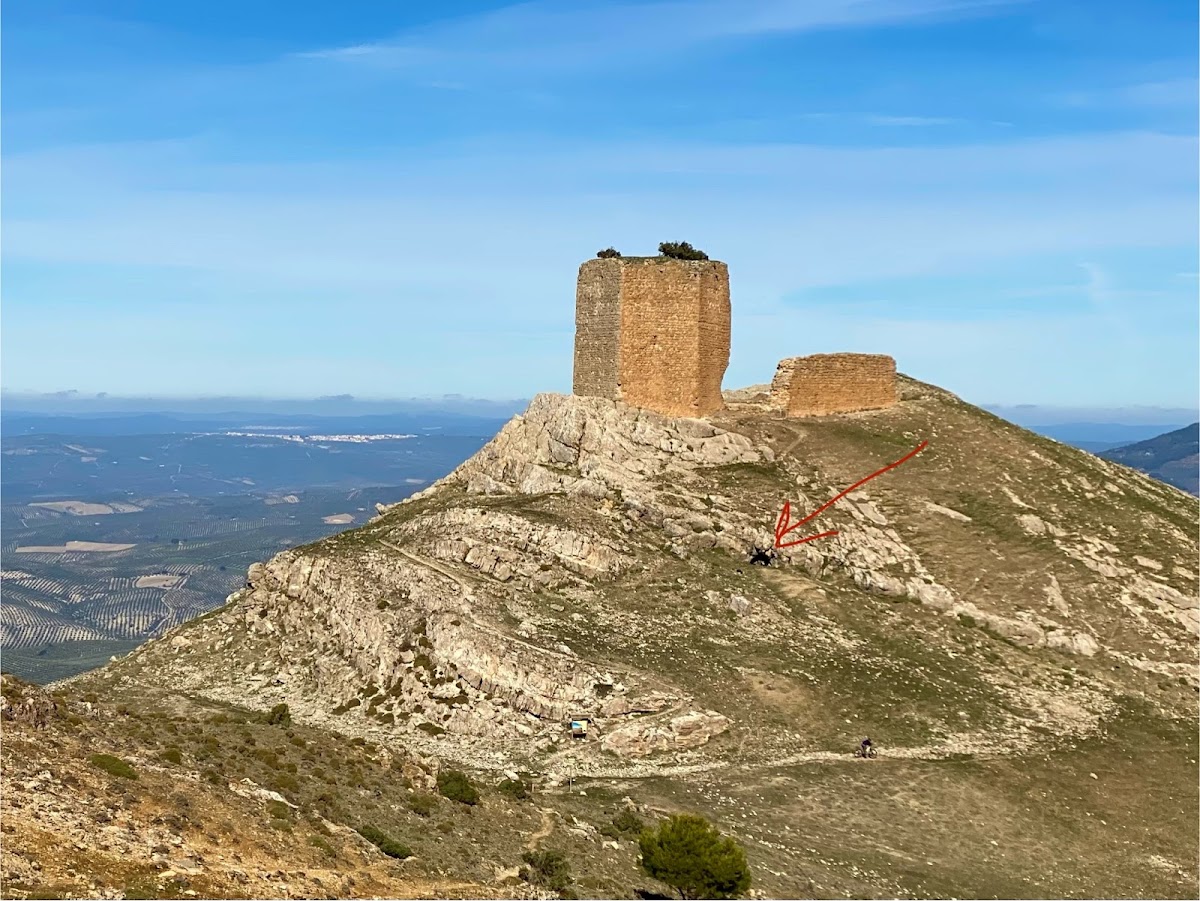
The Castillo de las Cinco Esquinas is situated near the summit of Cerro Salvatierra within the municipality of Cazorla, Spain. This fortress was constructed by the Kingdom of Castile in the second half of the 14th century, during a period marked by military and political challenges.
The area where the castle stands was incorporated into Castilian control under King Fernando III between 1225 and 1230. Shortly thereafter, in 1231, the territory was granted as the Adelantamiento de Cazorla to the archbishopric of Toledo, indicating the church’s administrative influence over the region. It is probable that the castle’s construction is connected to Archbishop Pedro Tenorio’s tenure, reflecting ecclesiastical efforts to fortify the frontier.
This period in Castilian history was characterized by pressures from the Nasrid kingdom of Granada, which expanded southward under Mohammed V, taking cities such as Algeciras, Ronda, and Gibraltar. The castle thus occupied a strategic role in the borderlands between the Christian Kingdom of Castile and the Muslim Nasrid kingdom, serving as a military stronghold during these tense late medieval conflicts.
Remains
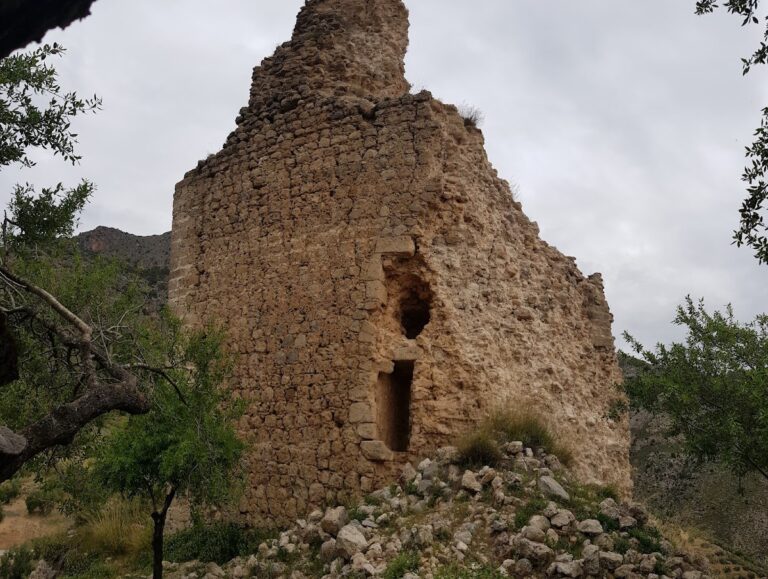
The remains of the Castillo de las Cinco Esquinas reveal a fortress with a distinctly rectangular layout extending roughly 62 meters in length and 20 meters in width, perched on a rocky plateau at a height exceeding 1100 meters above sea level. The construction shows a blend of carefully placed ashlar stone and regular masonry, with outer walls reaching about 2.55 meters thick, emphasizing durability and defense.
The fortress’s main entrance is positioned on the southern side and is anchored by the keep, known as the torre del Homenaje. This tower features a five-sided (pentagonal) base that includes three roughly equal-length sides meeting at right angles, while the two shorter sides incorporate a spiral staircase. Access to the tower is through an elevated doorway on the side facing the inner courtyard, framed by a pointed stone arch about 1.5 meters wide, equipped with strong door jambs and a slot for a closure bar. Above this entrance, the vestiges of four stone corbels hint at a machicolated balcony—a defensive platform allowing defenders to target enemies directly below.
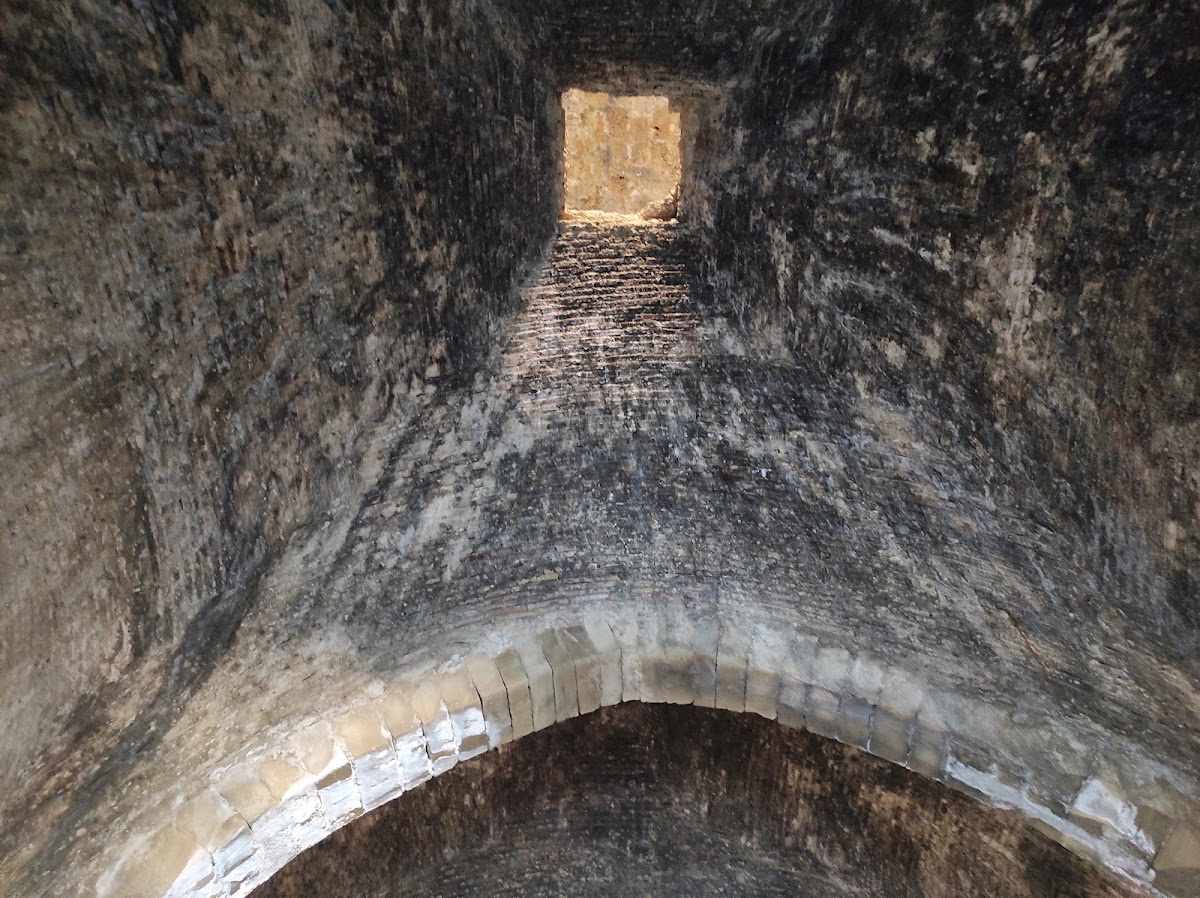
Inside, the tower ground floor comprises a rectangular chamber covered by two brick vaults supported by a central pointed arch resting on pilasters attached to the east and west walls. Light enters this space through two arrow slits near the entrance, indicating its function for defense and observation.
Within the castle’s courtyard, a dividing wall runs north to south, separating the space into two smaller courtyards, though much of the northern and western perimeter walls no longer survive beyond their foundations. The eastern wall remains partially intact, while the southern wall is severely damaged.
Known also as Castillo de Salvatierra, taking its name from the hill it occupies, the fortress stands as a significant example of medieval military architecture linked to the complex historical frontier between Castile and Granada.
Nearby sites