Castell d’Altafulla: A Medieval Fortress-Palace in Spain


Visitor Information
Google Rating: 4.5
Popularity: Low
Google Maps: View on Google Maps
Country: Spain
Civilization: Unclassified
Remains: Military

History
Castell d’Altafulla, also known as Castell dels Montserrat, is situated in the town of Altafulla in modern-day Spain. This fortress-palace was constructed during the medieval period, with its origins linked to the feudal society that established itself in the region during the 11th century.
The site’s earliest origins date back to around 1057, emerging as part of a farmstead, or quadra, within the defensive complex known as the castrum of Tamarit. One of the first written mentions of the castle appears in a document dated January 13, 1060. This record concerns a territorial boundary donation made by the Counts Ramon Berenguer I and Almodis de la Marca, illustrating the castle’s importance in marking land divisions. Throughout the 12th century, the surrounding area experienced a process of colonization, and the castle’s name appeared under various forms such as Altafuya, Alta Folia, and Altafoia, highlighting its continuous role in local administration and defense.
Following a period with no documentary references during the 13th century, the castle is again noted in the 14th century when King Jaume II of the Crown of Aragon granted the estate to the Requesens family. Berenguer de Requesens is identified as the lord of the castle in 1337, later succeeded by Lluís de Requesens, showing the family’s control through the 15th century. In 1472, Lluís transferred ownership to his cousin Pere de Castellet i de Requesens, indicating a continuation of noble familial possession.
The 17th century introduced new noble lineages through marriage when the Corbera-Santcliment family obtained the barony. Soon after, between 1669 and 1673, the estate was sold to Francesc de Montserrat i Vives. This family gained further prestige when King Charles II awarded Francesc the title of Marquis of Tamarit in 1681. The Montserrat descendants retained control of the castle and its lands until the eventual end of seigniories in the region. Throughout these centuries, the castle witnessed changes in property and influence that mirrored broader patterns of political and social shifts in Catalonia.
Remains
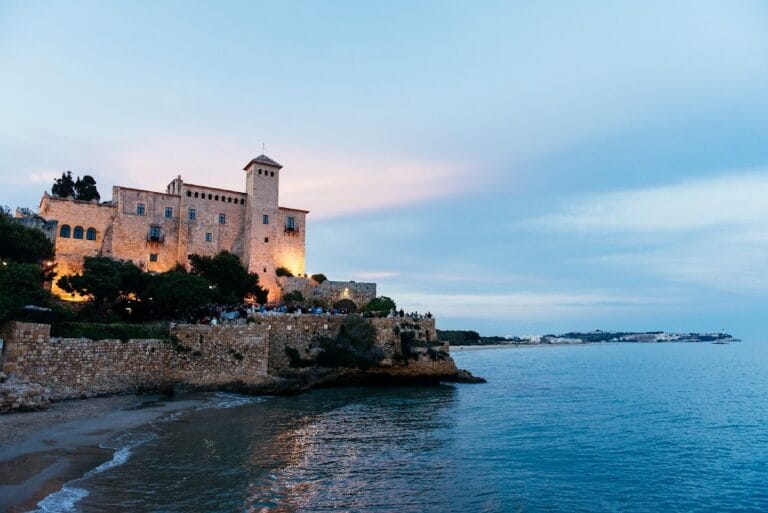
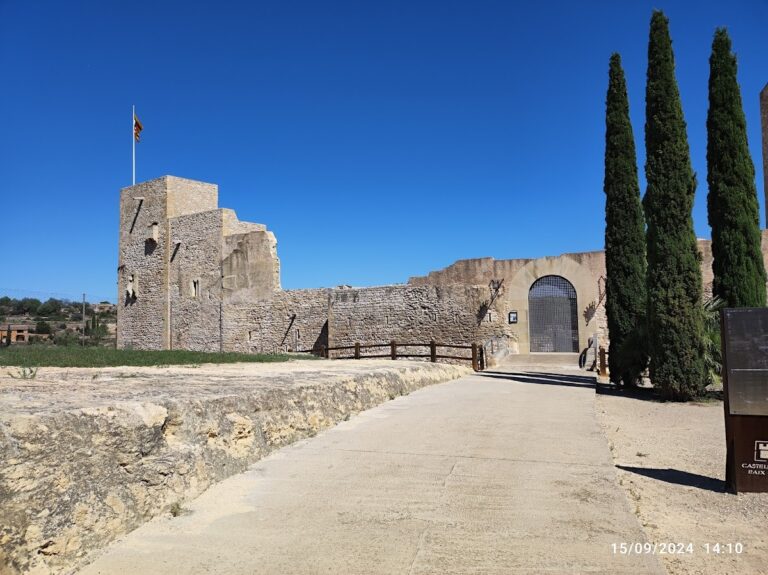
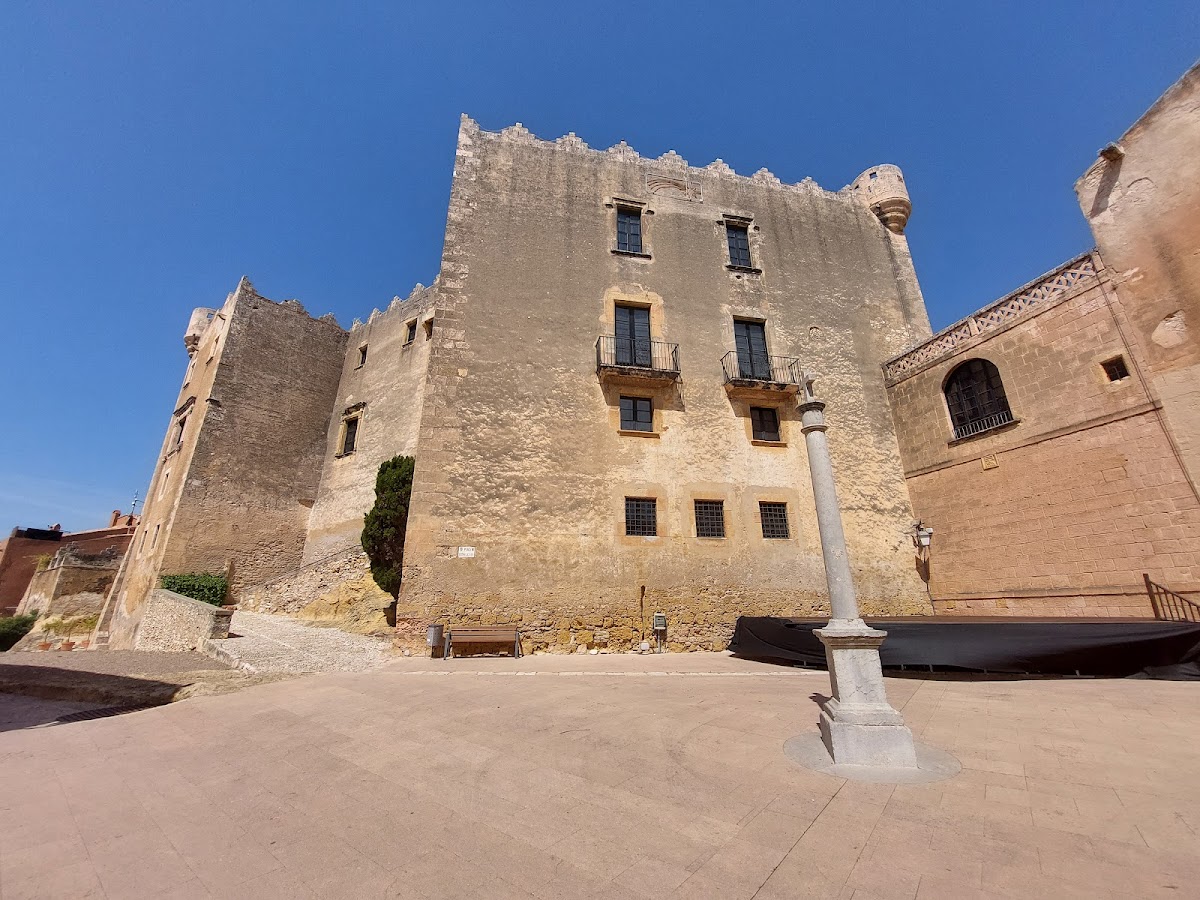
Castell d’Altafulla is characterized by its large, irregular polygonal shape, designed to capitalize on its elevated position at the highest point of the town. The building includes several protruding sections at the corners, resembling fortified towers, each topped with battlements. These defensive features underscore its original purpose as a stronghold controlling and monitoring the surrounding territory.
At the core of the structure lies an interior courtyard that remains largely intact, offering a glimpse into the castle’s layout. Above this courtyard is a noteworthy renaissance gallery, indicating a period of architectural renewal and stylistic enhancement during the 17th century. This modification replaced earlier features, reflecting the castle’s adaptation to the tastes and functional needs of its owners at the time.
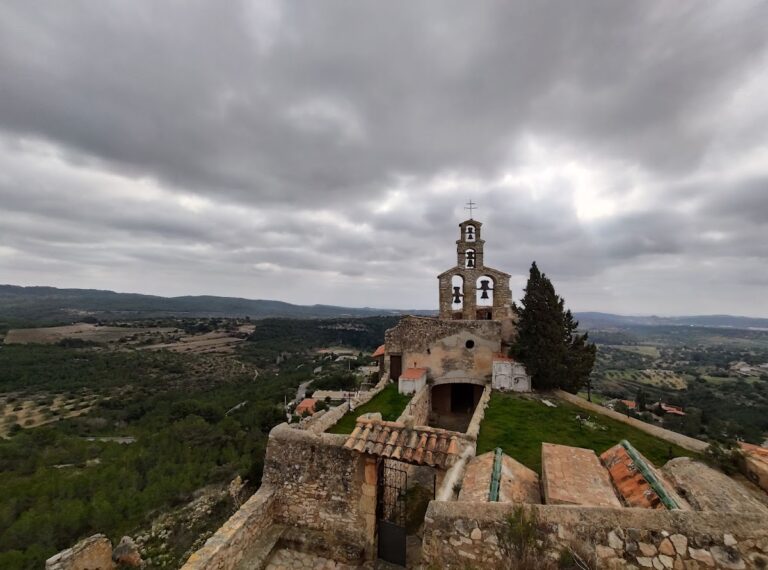
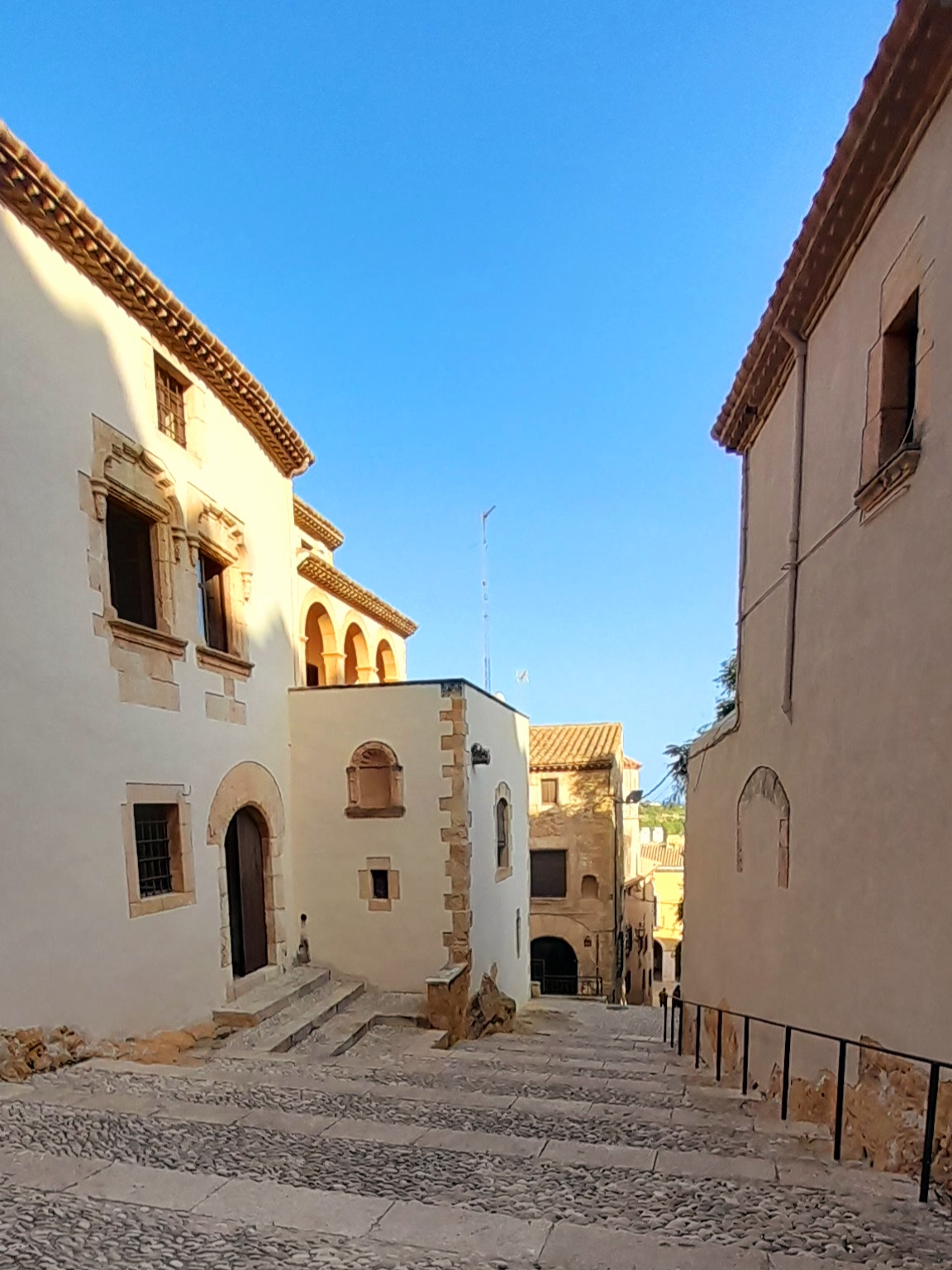
The castle went through multiple alterations, especially in the 1600s, which altered its fabric to such an extent that identifying its initial Romanesque elements has become challenging. Despite these changes, the surviving elements maintain the overall fortress appearance, combining both residential and military architectural features. The castle stands alongside the parish church of Sant Martí, illustrating its central role within the historical fabric of Altafulla.
Today, the structure is preserved and recognized as a cultural heritage site, marked by its imposing battlemented towers and preserved galleries. It offers a tangible record of the complex layering of historical periods through its materials and construction techniques, which cumulatively tell the story of its long-standing presence in the region.
Nearby sites