Roman Quarry of El Mèdol: Stone Supply for Tarraco


Site at a Glance
- Rating
- 4.4
- Popularity
- Low
- Country
- Spain
- Primary era
- Classical
- External website
- Open
- Eras represented
- Classical
- Civilizations
- Roman
- Site type
- Economic
- Remains
- Quarry
On this page6 sections
History
Roman exploitation
The Roman quarry of El Mèdol is an ancient stone quarry in Spain, near Tarragona, exploited during the Roman Republic and Roman Empire to supply major buildings in Tarraco, the Roman city at modern Tarragona. It was described as the largest of six Roman quarries surrounding the city, and approximately 50,000 cubic metres of stone were removed during its operation.
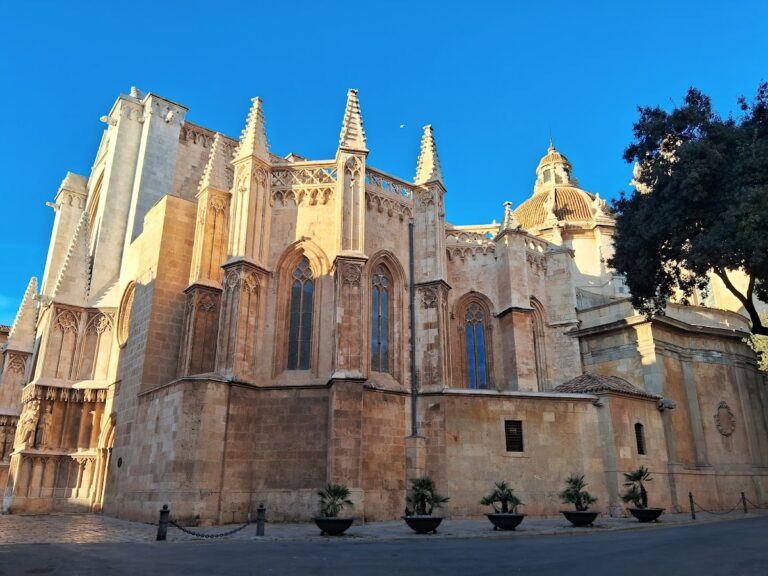
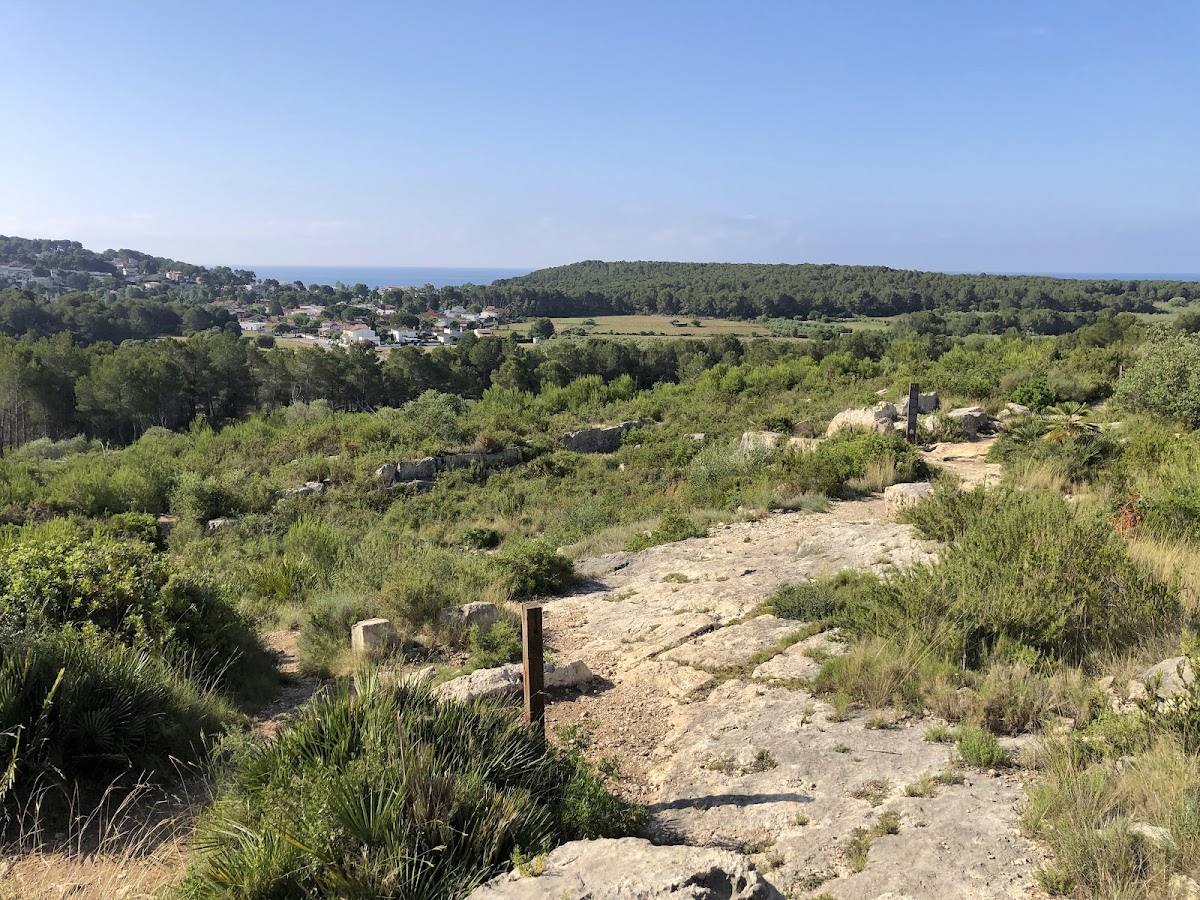
The quarry produced Soldó, a locally known Miocene limestone formed during a geological epoch between approximately 23 and 5.3 million years ago. Its colour ranged from white to pink and was generally light golden. Although the stone was unsuitable for Tarraco’s most elaborate architectural work, it was used extensively in Roman construction and later in medieval buildings at Tarragona, including Santa Tecla Cathedral. The Via Augusta, a major Roman imperial road along the Mediterranean coast, ran immediately beside or very close to the quarry and provided a route for transporting stone over the approximately 6 kilometres to Tarraco.
Recognition and protection
El Mèdol was identified in the mid-nineteenth century and recognized as Roman remains during the twentieth century. It became an Asset of Cultural Interest in 1985 and an Asset of National Cultural Interest in 1993. In 2000, it joined the Archaeological Ensemble of Tarraco on the UNESCO World Heritage List under criteria (ii) and (iii).
The land belonged to Acesa, later Abertis, from 1988. Abertis carried out investigations and rehabilitation works with public authorities until ownership passed to the Government of Catalonia on 12 May 2025. The site is now managed by the National Archaeological Museum of Tarragona. A forest fire in 2010 exposed previously unrecognized areas of archaeological value and improved the interpretation of the quarry remains. Further improvements allowed the site to reopen in 2014.
Remains
Quarry depression and witness column
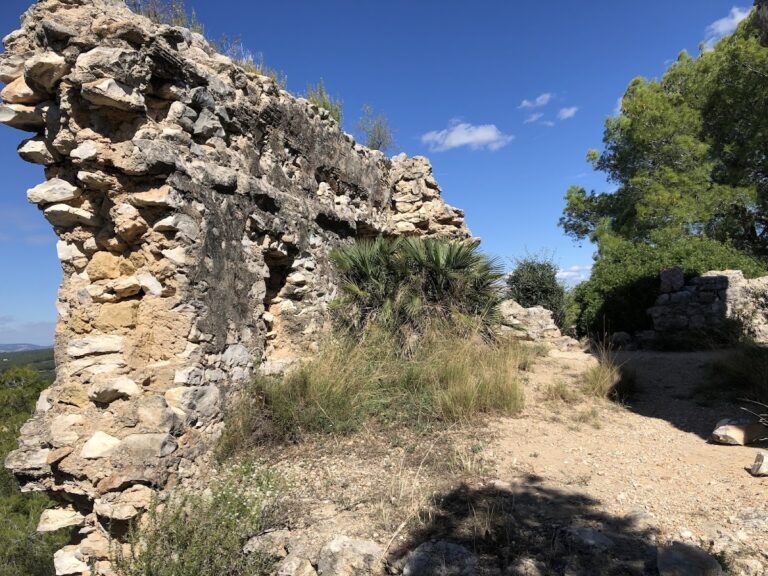
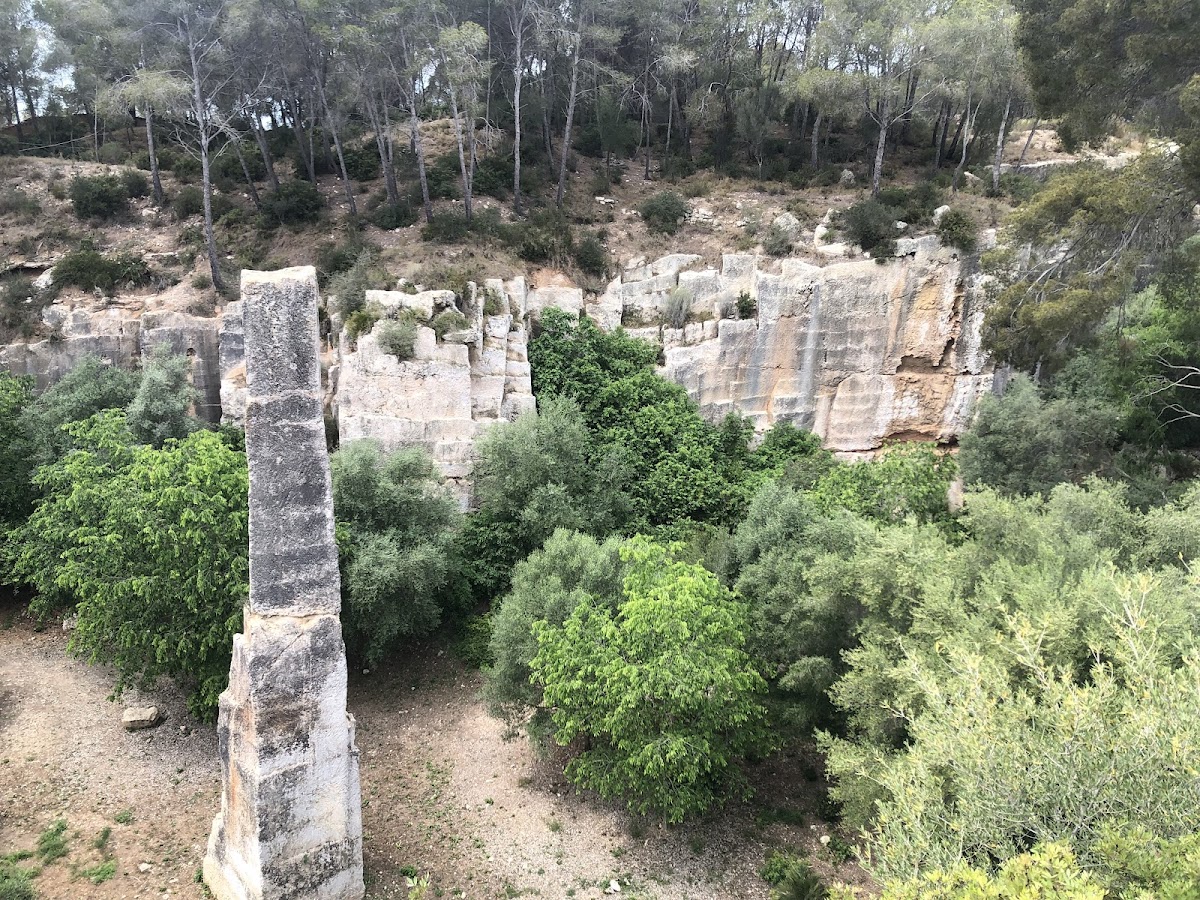
The principal remains are concentrated in the Clot del Mèdol, a large quarry depression more than 200 metres long and between 10 and 40 metres wide. Its near-vertical walls rise to 12 metres, recording the scale of the stone extraction. An unexcavated mass of the original rock stands at the centre. Known as the witness column, this approximately 16-metre-high pillar was deliberately left intact as a reference for measuring the volume of stone removed.
Stone and transport setting
The quarry’s exposed rock is Soldó limestone, whose white, pink, and light-golden tones reflect the local stone used in Roman construction and later medieval buildings at Tarragona. The close route of the Via Augusta connected the extraction area with Tarraco and supported the movement of quarried blocks. The archaeological area covers 5.3 hectares.