Castello Nobili Vitelleschi: A Noble Palace within Labro’s Town Walls


Site at a Glance
- Rating
- 4.6
- Popularity
- Low
- Country
- Italy
- Primary era
- Early Modern
- External website
- Open
- Eras represented
- Medieval, Early Modern
- Civilizations
- Holy Roman Empire, Papal States
- Site type
- Domestic
- Remains
- Elite Residence
On this page8 sections
History
Castello Nobili Vitelleschi is a noble palace in Labro, Italy, incorporated into the town’s defensive walls. The original fortification was established by the Nobili family around the turn of the ninth and tenth centuries, and the present residence was built within the surviving walls at the beginning of the sixteenth century.
Early Nobili Lordship
In 956, Aldobrandino de Nobili received Labro and twelve other castles and fortified settlements in the Duchy of Spoleto and the Rieti district as an imperial investiture from Otto I of Saxony. Otto I was the German king and the first Holy Roman Emperor traditionally associated with the formation of the medieval empire. The grant included a coat of arms with a crowned eagle linked to the Holy Roman Empire and a fish representing the family’s control of the region’s lakes, rivers, and other waters.
The Nobili family was traditionally regarded as Lombard in origin. The Lombards were a Germanic people who established a kingdom in Italy and the Duchy of Spoleto during the early medieval period. The family genealogy was reconstructed from documents preserved in the castle archives, including the 1630 History of Labro by the notary Ippolito Tabulazzi and numerous Instrumenta, formal records of legal or administrative acts. Pandolfo appears among the early generations, having died in battle in 1256 while serving under King Manfred, the son of Frederick II of Swabia.
Destruction and Rebuilding
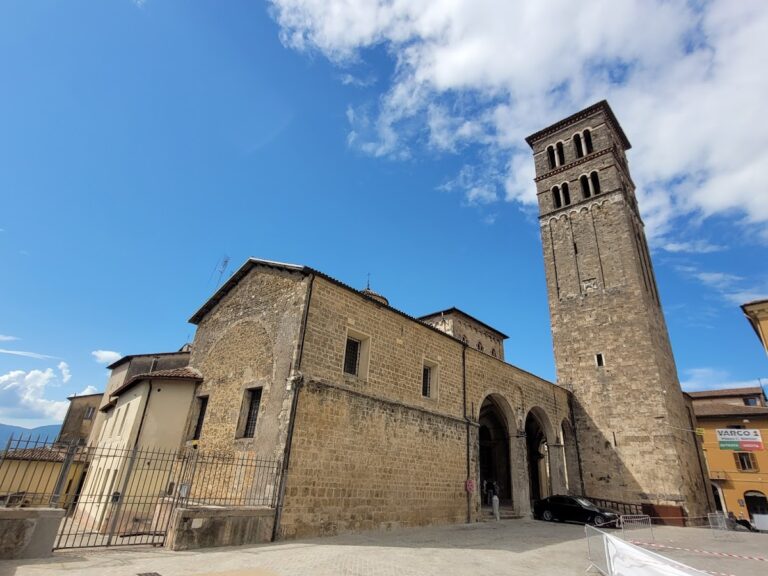
In 1498, Giovanni de’ Nobili killed a priest, and the family was excommunicated by Pope Sixtus IV. Excommunication was a formal ecclesiastical penalty that excluded a person or family from full participation in the Catholic Church. The great tower and part of the settlement were destroyed, and the Nobili lost their feudal rights. The document recording the lifting of the excommunication remains in the castle archives. It required a church to be built on the site of the demolished square tower.
After the fortress was destroyed, the Nobili retained Labro’s town walls. Giordano de’ Nobili used the surviving fortifications to construct a new family residence at the beginning of the sixteenth century. The building continues to be inhabited by his descendants.
The Nobili Vitelleschi Union
In 1575, Gerolamo de’ Nobili married Virginia Vitelleschi. At the request of Virginia’s family, especially her brother Muzio Vitelleschi, the sixth Superior General of the Jesuits, the Vitelleschi surname was added to Nobili and the two family coats of arms were united. The Jesuits are members of the Society of Jesus, a Catholic religious order founded in the sixteenth century. The legal act approving the union is preserved in Rome’s Capitoline Historical Archives, with an authenticated copy in the Nobili Vitelleschi Archive at Labro.
Castello Nobili Vitelleschi is recognized as Italian national heritage. Its archives preserve the documentary history of the family and its changing status, from medieval lordship and military loss to the later residence established within Labro’s walls.
Remains
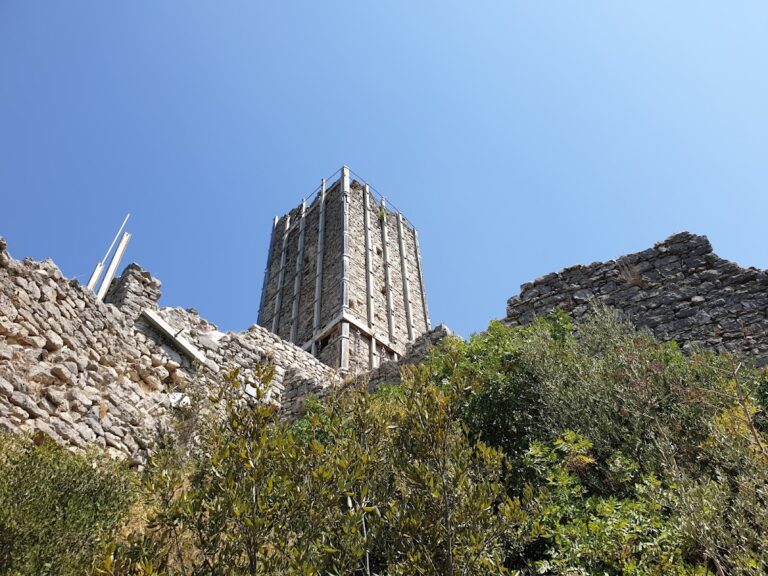
The surviving complex is a private noble palace attached to Labro’s defensive circuit, rather than an isolated medieval castle. Its physical form reflects the transformation of the fortified settlement after the destruction of the original stronghold, with the later family residence occupying part of the surviving town-wall system.
Fortifications and Palace
Town Walls and Original Tower
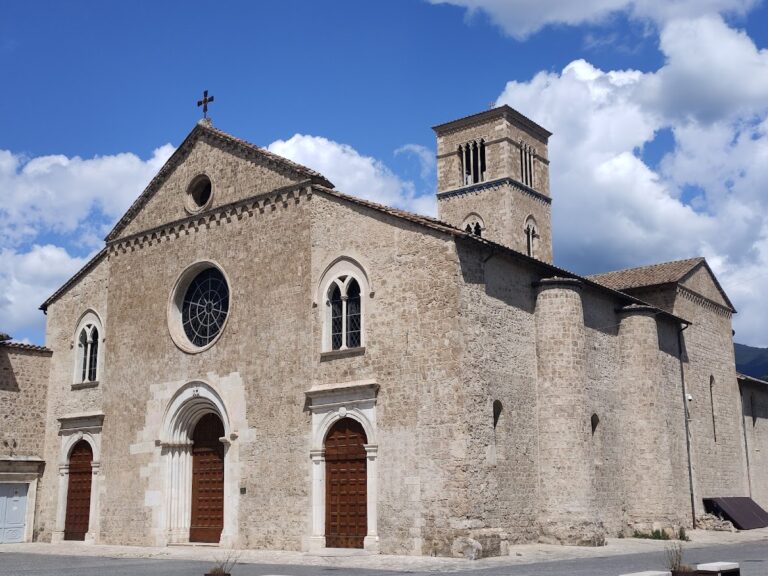
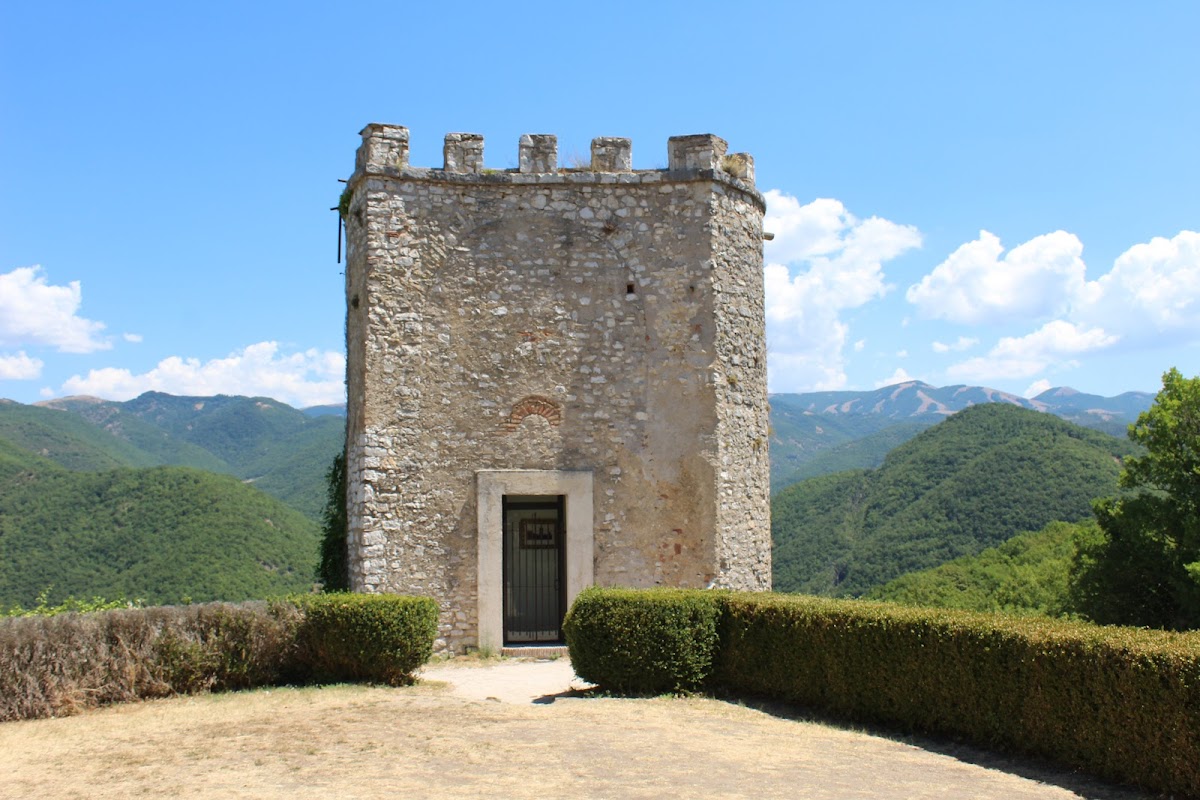
Labro’s original fortification centered on a massive square tower rising above the settlement. The town was enclosed by defensive walls incorporating seven additional towers, together with a protected access road that ran around the settlement. The great square tower and part of the settlement were destroyed during the events of 1498, and a church was later required to occupy the former tower site.
Nobili Vitelleschi Residence
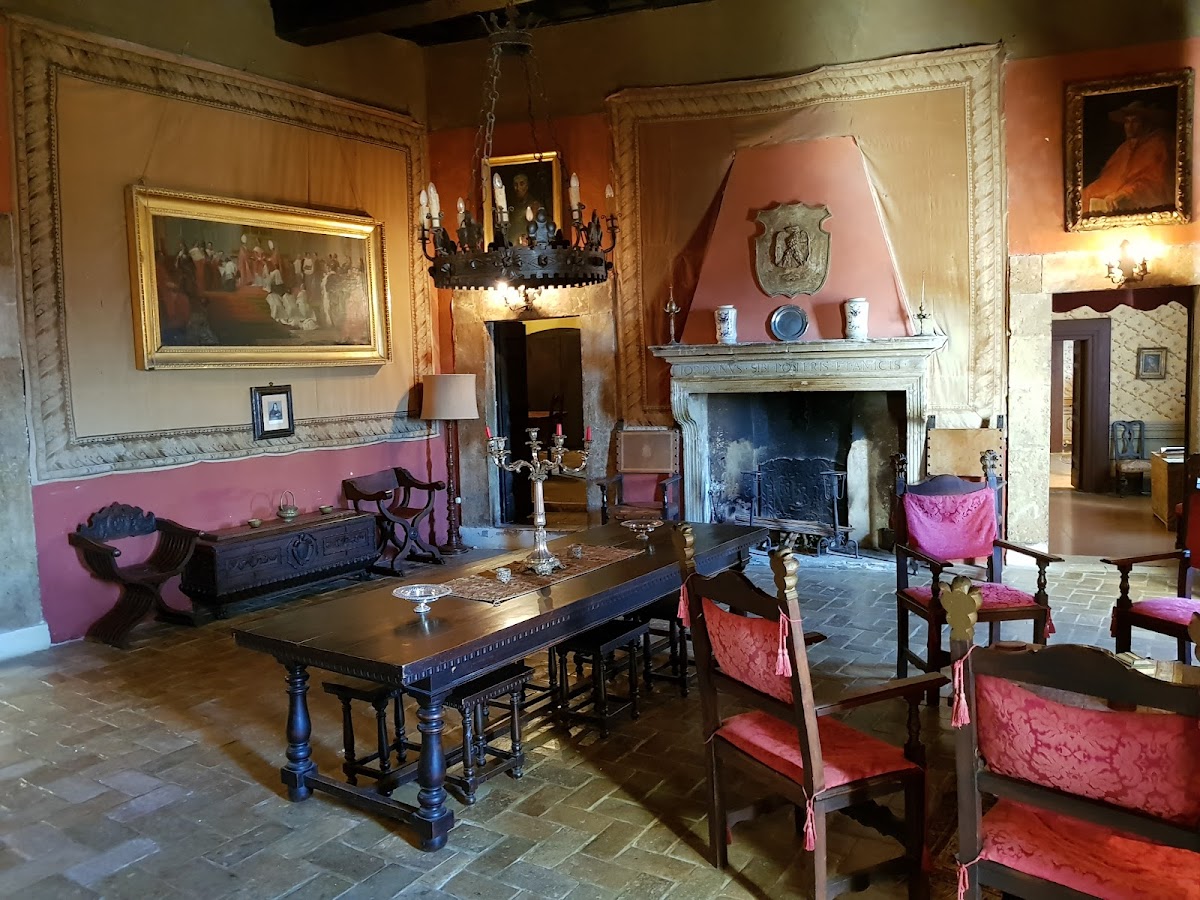
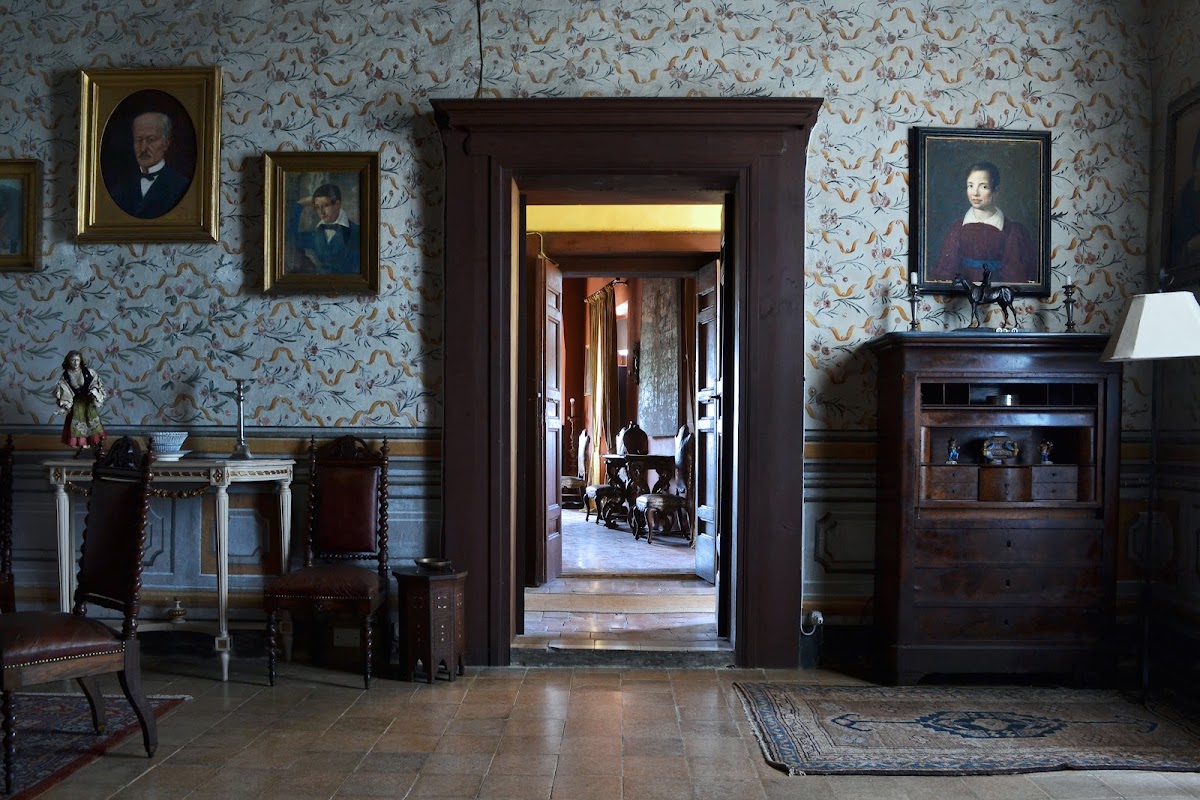
Giordano de’ Nobili built the present family residence inside the surviving walls at the beginning of the sixteenth century. The building is a noble palace and remains a private residence of the family’s descendants. In its armory hall, a large heart-shaped wooden coat of arms commemorates the union of the Nobili and Vitelleschi families. Painted black and gold, it combines the Nobili crowned eagle and fish with the Vitelleschi symbols of two calves and six golden lilies.