Castillo da Frouxeira: A Fortress of Resistance in Galicia


Site at a Glance
- Rating
- 4.7
- Popularity
- Low
- Country
- Spain
- Primary era
- Medieval
- External website
- Open
- Eras represented
- Medieval
- Civilizations
- Crown of Castile, Spanish
- Site type
- Military
- Remains
- Castle
On this page5 sections
History
Castillo da Frouxeira is a ruined fortress in Spain, on Pico da Frouxeira near Foz in Galicia. It belonged to the Mondoñedo bishopric, an ecclesiastical jurisdiction governed by a bishop, and became the stronghold of Pero Pardo de Cela during the late fifteenth century. Its prolonged defense against the forces of the Catholic Monarchs, Ferdinand of Aragon and Isabella of Castile, made it an enduring symbol of resistance.
The fortress and the Mondoñedo bishopric
Castillo da Frouxeira was probably among the properties that Pero Pardo de Cela received as a marriage dowry when he married Isabel de Castro. She was a daughter of the count of Lemos and a niece of Bishop Henrique de Castro. Pardo de Cela was a Galician nobleman and military leader remembered as the Marshal, a title associated with his command and with the literary tradition surrounding the fortress.
The siege of 1481 to 1483
From early 1481 until shortly before his death in December 1483, Pardo de Cela defended the fortress against troops supporting the Catholic Monarchs. Luis de Mudarra led the forces, under the command of Fernando de Acuña. After spending about a year and a half in Galicia, Acuña stated that he had been occupied besieging Pedro Pardo at Peña Frouseira.
Luis de Mudarra testified that many people died during the siege. The fortress’s position made it practically impregnable, and the Castilian forces could neither take it by direct assault nor defeat Pardo de Cela in battle. They therefore turned to treachery. Following the betrayal, the fortress was completely demolished. Popular verse identifies the traitor as Roi Cofano do Valedouro, although that name comes through the songs and romances associated with the event.
Memory and heritage status
The defense and betrayal became deeply rooted in popular memory. Verses and songs performed at fairs and markets preserved the story, while the Pranto da Frouxeira, or Lament of Frouxeira, was composed shortly after Pardo de Cela was beheaded. The song mythologized the battle and presented the destroyed fortress as a symbol of struggle and resistance. The siege also appears in O Mariscal, a work by Ramón Cabanillas and Antón Villar Ponte.
The ruins were declared a Property of Cultural Interest on 17 October 1994. This formal Spanish heritage designation is applied to places considered to possess cultural value.
Remains
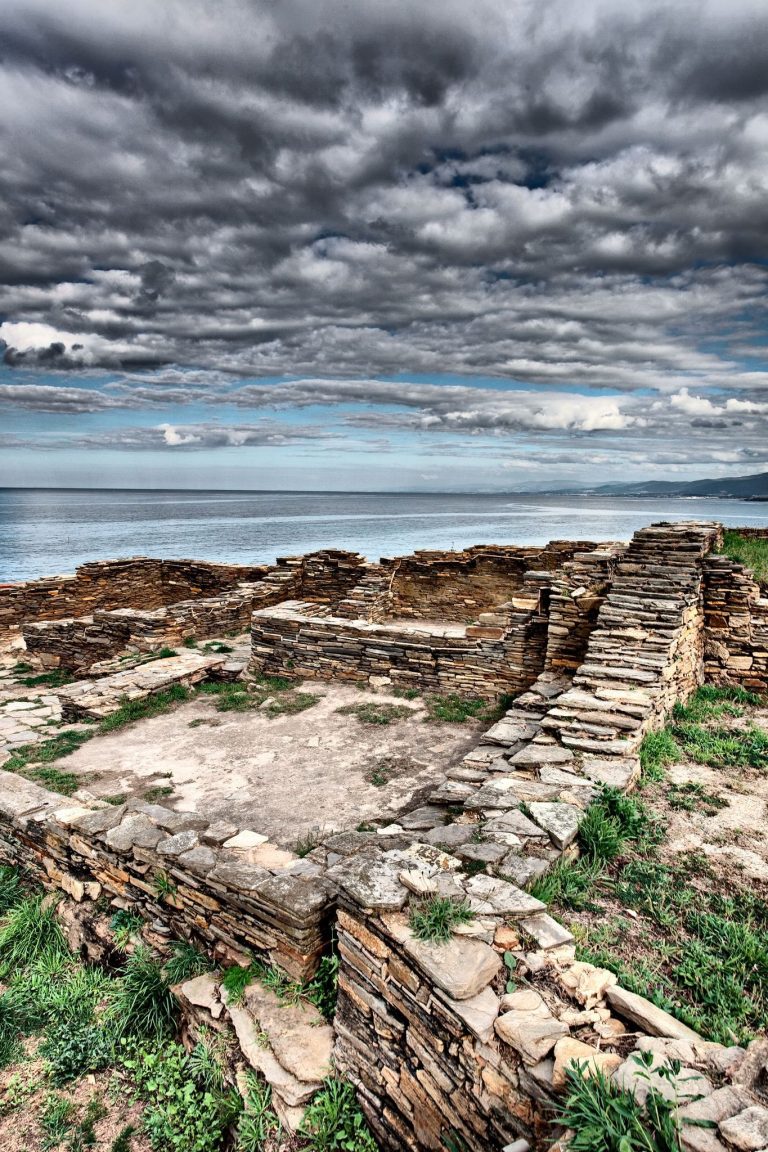
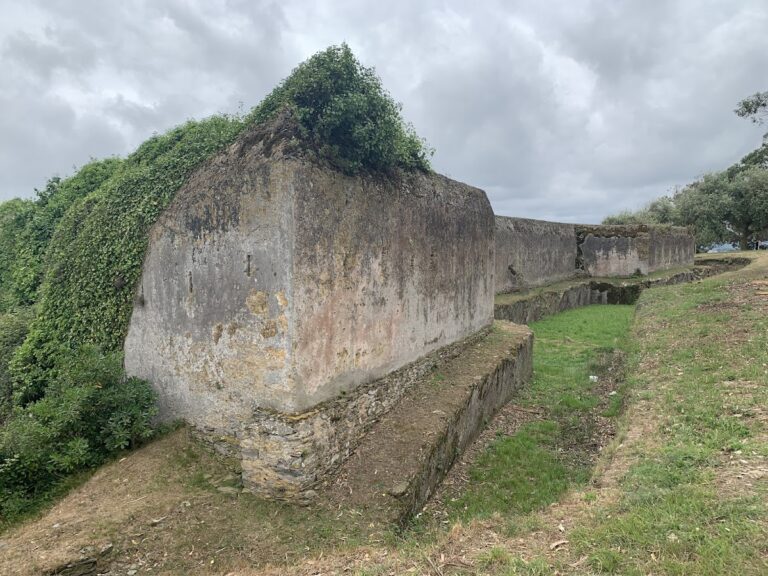
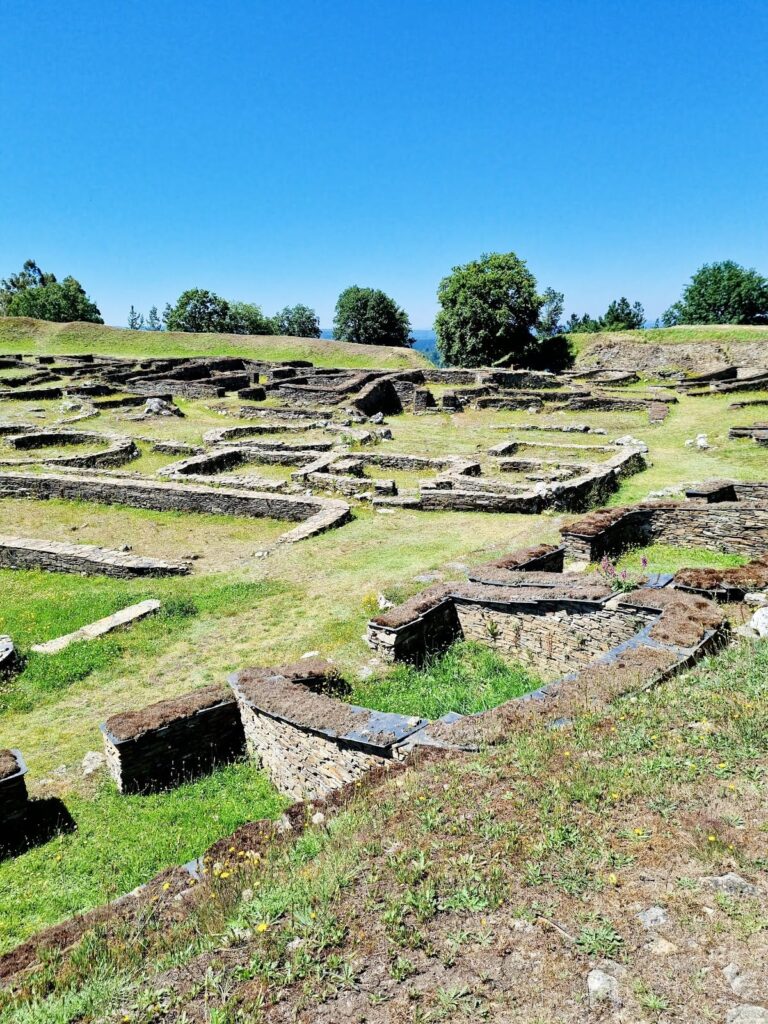
Only ruins of Castillo da Frouxeira survive on the summit of Pico da Frouxeira, in the parish of Santa Cilla do Valadouro within the municipality of Foz, Lugo. The summit rises to nearly 500 metres above sea level. The fortress was so thoroughly demolished after the betrayal that its surviving remains are limited. From the summit, the Valadouro valley extends to the west, while the valley of San Martiño de Mondoñedo and the Foz estuary lie toward the northeast.