Frôlois Castle: A Medieval Fortified Site in France
Site at a Glance
- Rating
- 4.1
- Popularity
- Very Low
- Country
- France
- Primary era
- Early Modern
- Eras represented
- Medieval, Early Modern
- Civilizations
- Duchy of Burgundy, French
- Site type
- Domestic
- Remains
- Castle
On this page6 sections
History
Medieval Lordship and Fortification
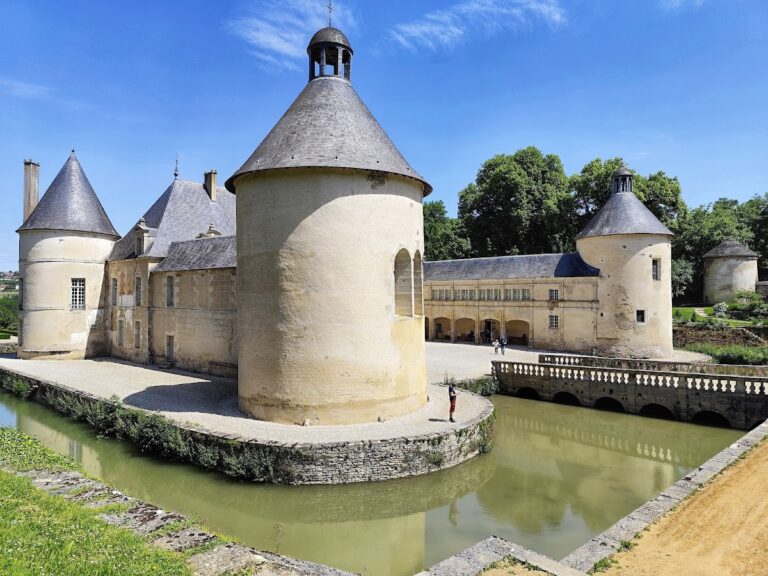
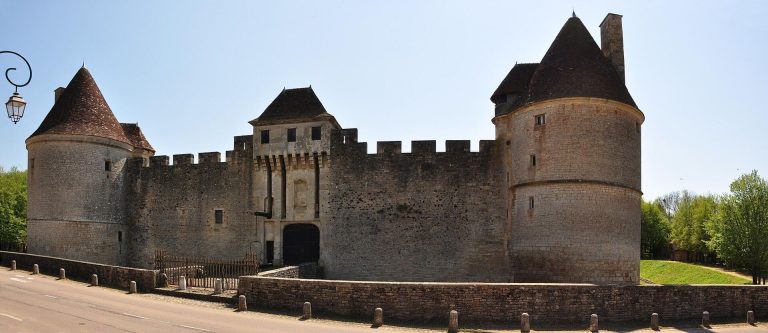
Frôlois Castle is a medieval fortified site in France, built by the medieval lords of Frôlois and first constructed in the thirteenth century. It later became a château, or residence of more domestic character, and was altered in the fourteenth and eighteenth centuries. The site stood within the lordship of Frôlois, whose warfare with the lordship of Mont-Saint-Jean affected the area in 1117.
In 1243 and 1301, Frôlois was a castle jurisdiction and a fief, meaning land held under a feudal relationship to a superior lord, of Saint-Seine. By 1372, the jurisdiction included the castle and its dependencies, but not the keep. That structure belonged to the Hospitallers of Rhodes, the military-religious order that governed Rhodes during the medieval period. The separate ownership of the keep was still confirmed in 1614.
The castle was enclosed by defensive walls and a ditch cut into the rock. Its enclosure also contained the church, presbytery, and cemetery. Access was controlled by a drawbridge, a bridge that could be raised before the fortified entrance, as well as a fixed bridge.
From County Residence to Protected Monument
In 1683, Pierre du Ban de la Feuillée purchased the castle and had the land elevated to a county. The ducal castle was sold to Nicolas Pierre Regnault in 1795. A description from 1924 identified it as the former administrative centre of an important barony within the Duchy of Burgundy.
The château has remained in the same family for seven centuries and is privately owned. It received protection as a French monument historique, a site protected under France’s historic-monument legislation, in 1977, with an additional protection entry in 1991. The protected elements include the façades and roofs, the Antoine de Vergy room and its decoration, the retaining walls, and the curtain wall, the defensive wall linking the principal fortified structures.
Remains
Site Setting and Surviving Residence
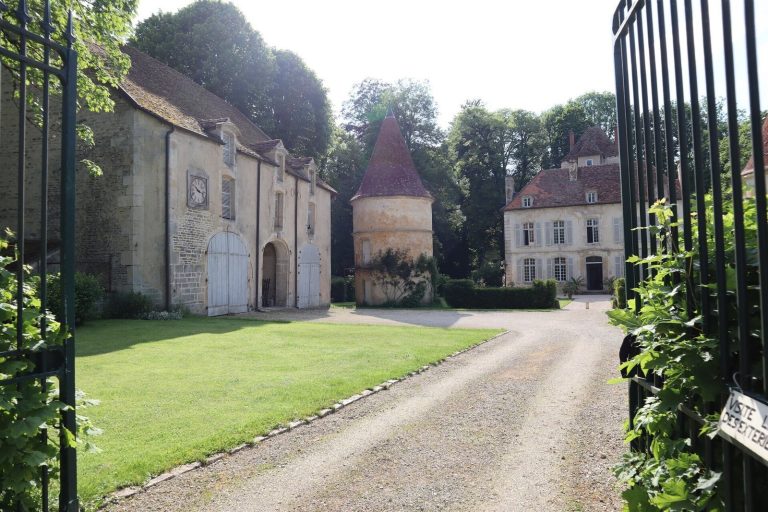
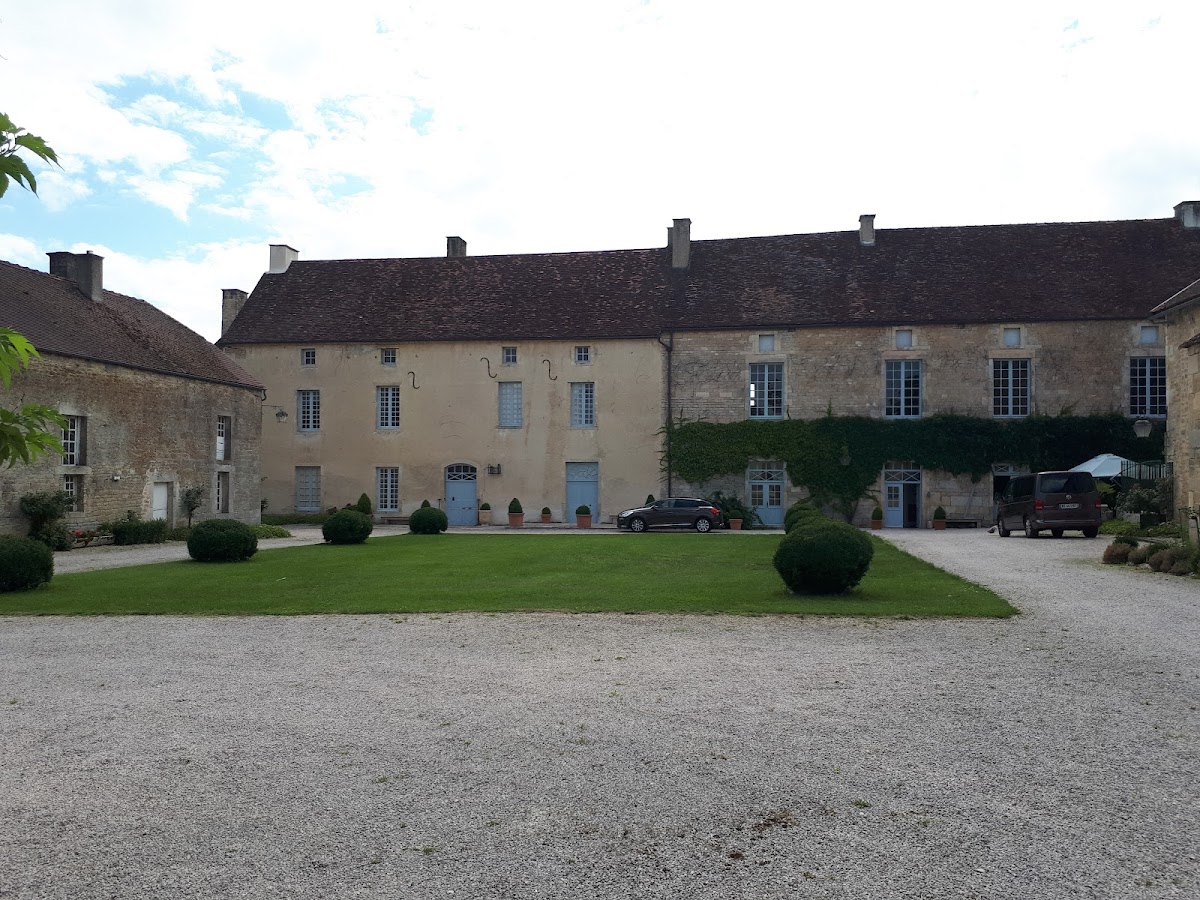
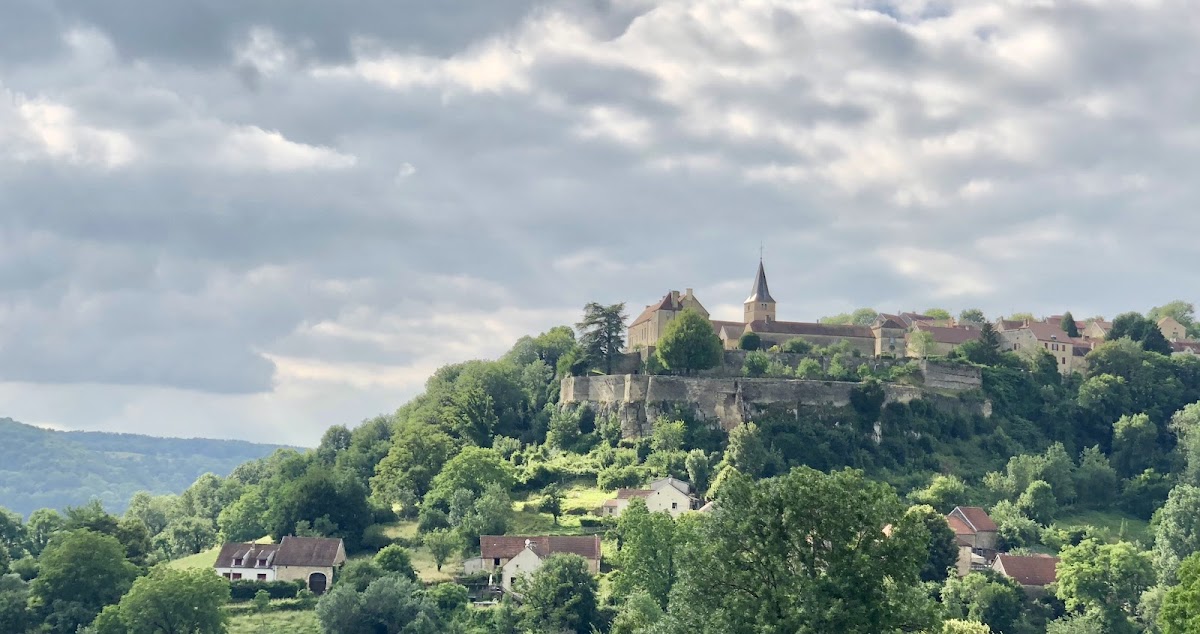
The remains occupy the southern tip of a broad spur at the southern edge of Frôlois village. From a height of more than 100 metres, the site overlooks the Vau valley and the RD 122. Of the former castle buildings, the surviving structure is a large seventeenth-century main residential block. Its southern and eastern sides are bordered by two levels of terraces positioned directly above the rocky drop, preserving the relationship between the residence and the steep edge of the site.
Interior Rooms and Decoration
The ground floor contains a seventeenth-century hall and an eighteenth-century salon. The salon is decorated with several painted tapestries of Italian origin from Bergamo. The Antoine de Vergy room and its decoration form part of the protected interior elements.