Villa of Trajan: An Imperial Roman Residence in Arcinazzo Romano


Visitor Information
Google Rating: 4.5
Popularity: Low
Google Maps: View on Google Maps
Official Website: www.museovillatraiano.it
Country: Italy
Civilization: Roman
Remains: Domestic

History
The Villa of Trajan is located in Arcinazzo Romano, within the province of Rome, Italy. It was constructed during the Roman Empire and is linked to Emperor Trajan, who ruled from 98 to 117 CE. The villa reflects imperial patronage and may have been connected to Trajan’s military successes.
The main phase of the villa’s use dates to the Trajanic period in the early 2nd century CE. Decorative elements, such as a winged Victory figure, suggest the villa celebrated the emperor’s achievements, possibly including his role as pontifex maximus, or chief priest. Some frescoes depict ritual scenes that may relate to ceremonies involving the emperor in a military or religious context.
Earlier construction phases might exist, but the villa’s most significant development occurred under Trajan’s reign. Since 2019, the villa and its museum have been integrated into regional cultural networks.
Remains
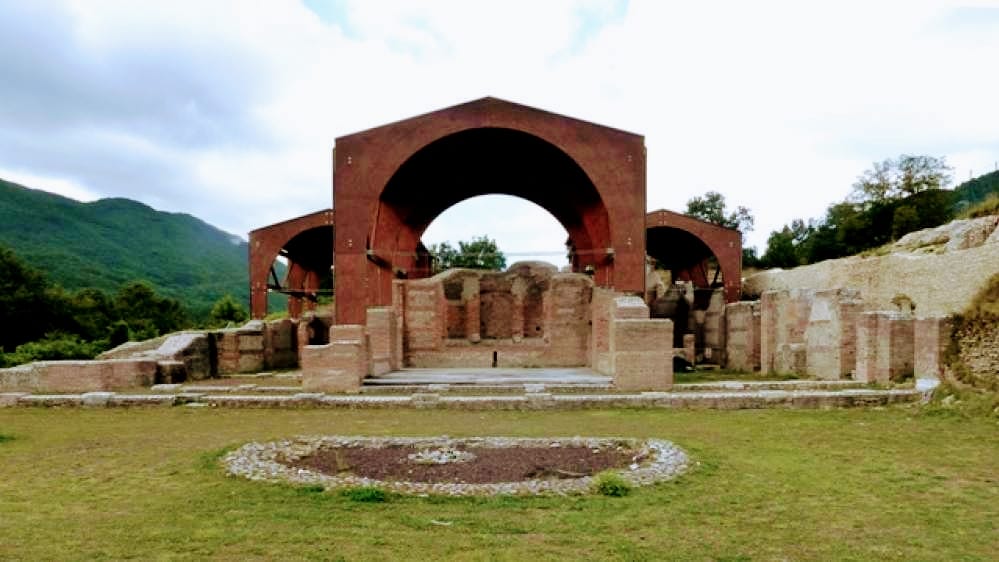
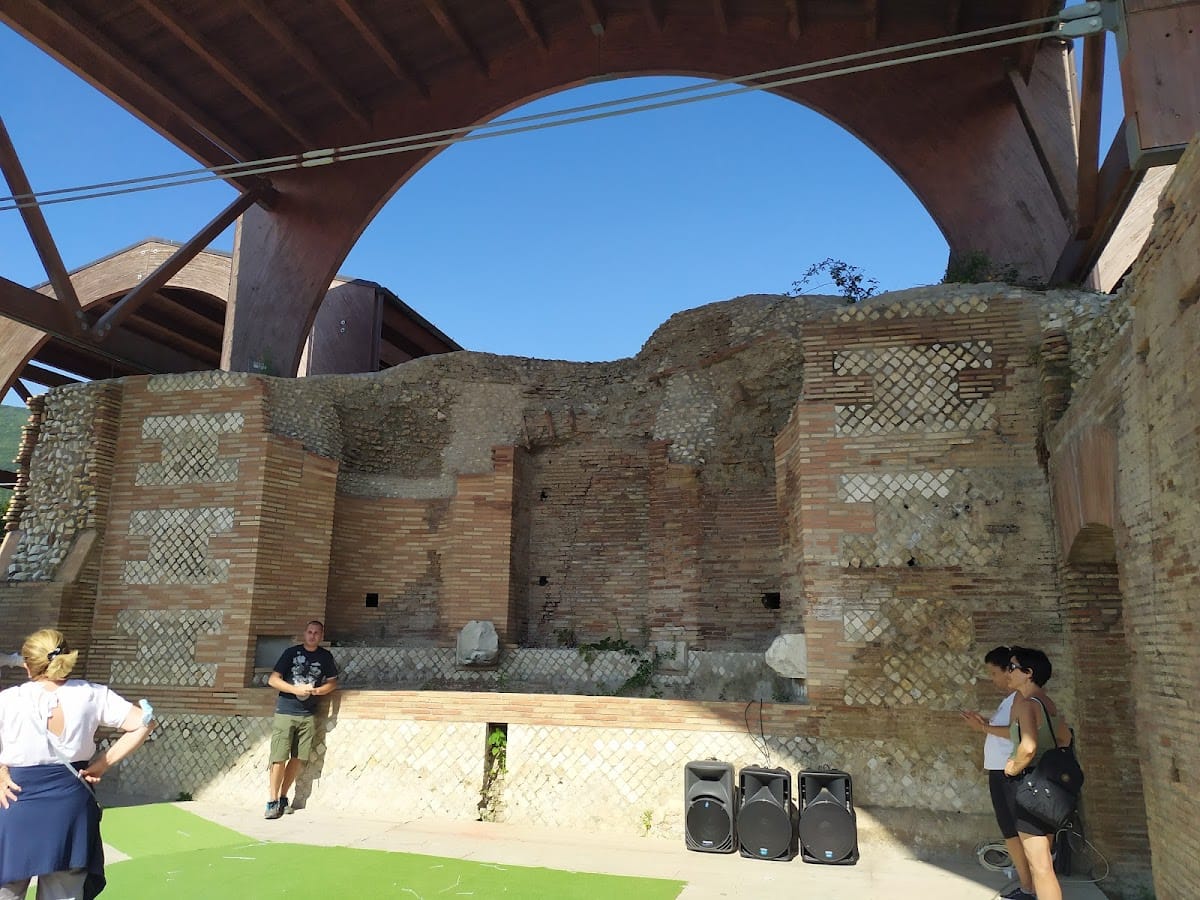
The villa’s remains include a complex of high-quality architectural and decorative features from the 2nd century CE. The construction showcases refined techniques, with marble panels arranged in opus sectile, a method of creating decorative patterns using precisely cut stone pieces. Floors and walls display this intricate work alongside gilded stuccoes and vivid fresco fragments.
Among the notable finds is a fragment of a clipeus, a round shield-like decoration, showing a winged Victory descending with a trophy of arms. This piece is framed by red bands and festoons, indicating a sophisticated decorative program celebrating military triumph.
The stuccoes reveal exceptional craftsmanship, with selective application of gold leaf on floral motifs and figures. Some hair details include rare gold filaments, highlighting the luxury of the villa’s interiors. Frescoes from a bedroom (cubiculum) depict a red band featuring a sunlit portico scene, where a tunic-clad attendant performs a ritual at a marble altar, possibly linked to imperial ceremonies.
Another fresco decorates a vaulted ceiling with a Nilotic scene, showing a papyrus boat carrying three semi-reclining figures crowned with vine leaves. This scene is surrounded by an aquatic landscape with exotic animals such as a crocodile and ibis, reflecting Roman fascination with Egypt.
Architectural fragments include marble capitals, lesene capitals (pilaster-like vertical elements) in opus sectile, and architraves decorated with astragali, a type of bead molding. The villa’s floors feature refined opus sectile pavements. Many elements have been restored and are displayed in two museum locations, allowing partial reconstruction of the villa’s original appearance.
Nearby sites