Castle of Fumone: A Papal States Fortress and Memorial Residence in Italy

Site at a Glance
- Rating
- 4.4
- Popularity
- Medium
- Country
- Italy
- Primary era
- Medieval
- External website
- Open
- Eras represented
- Medieval, Early Modern
- Civilizations
- Papal States
- Site type
- Domestic
- Remains
- Castle
On this page11 sections
History
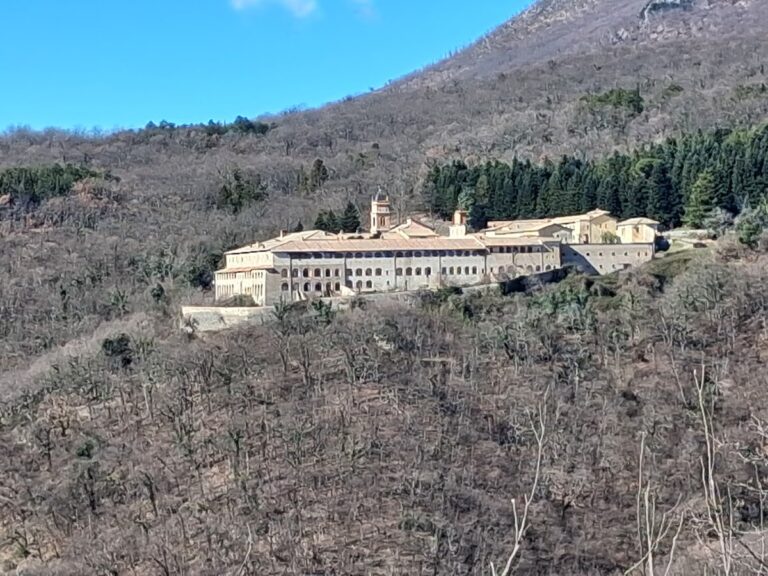
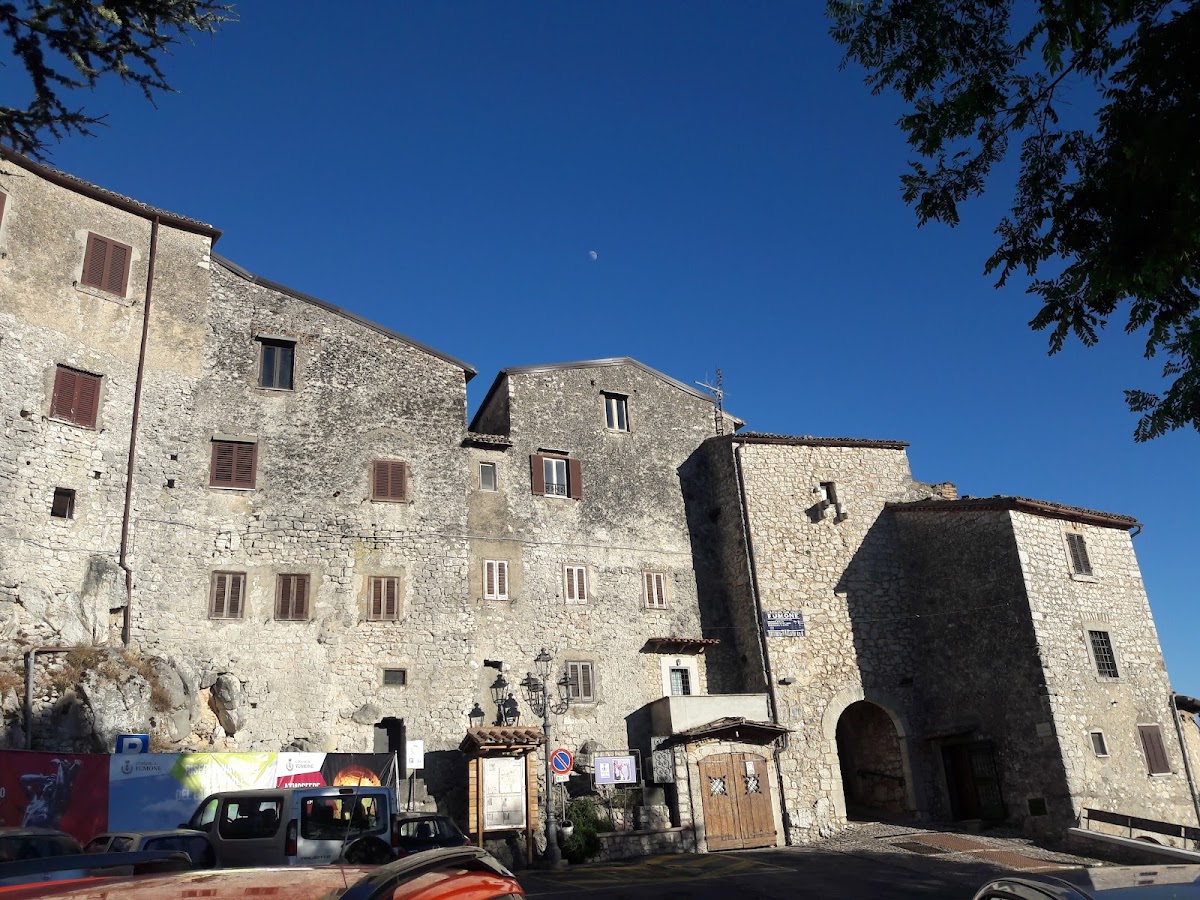
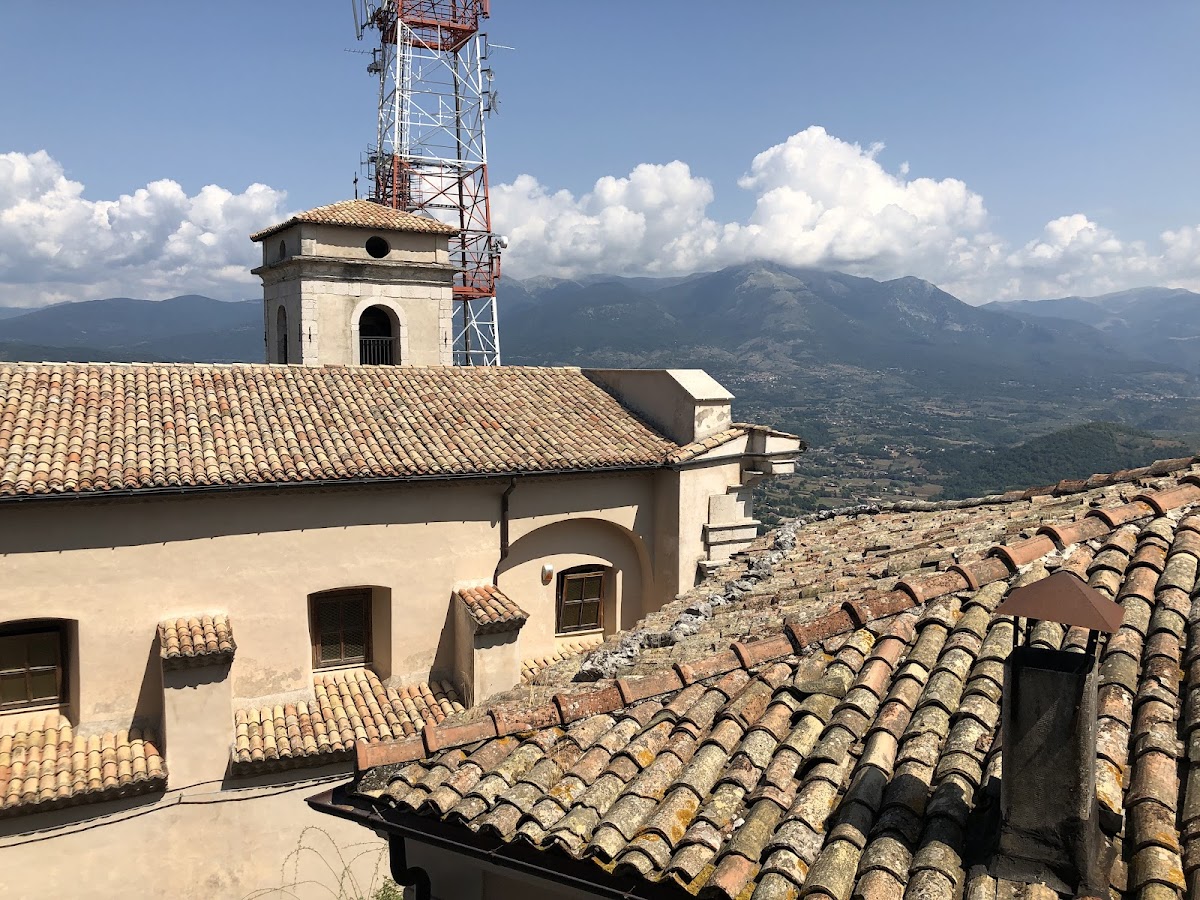
Castle of Fumone is a medieval fortress in Fumone, Italy, that served as the principal military stronghold of the Papal States in southern Lazio from the eleventh through the sixteenth centuries. The Papal States were territories ruled by the popes as secular rulers, and Fumone protected their southern lands for more than 500 years as a lookout post.
Lookout Fortress of the Papal States
The fortress occupied a strategic position from which its high tower could signal danger across the Campagna and Marittima, territories of the Papal States in and around southern Lazio. Smoke signals warned communities that enemies had entered the Via Casilina, the ancient road running southeast from Rome, and alerted people to seek refuge. This system gave rise to the saying, “When Fumone smokes, the whole Campagna trembles,” which is also associated with the town’s name.
Fumone proved exceptionally difficult to conquer. Campaigns led by Frederick Barbarossa and Henry VI of Swabia failed to take it. In the thirteenth century, Pope Gregory IX eventually secured the fortress through a peaceful agreement that involved a substantial payment.
Prison of Popes and Antipope
In 1121, Maurice Bourdin, the French claimant to the papacy known as Antipope Gregory VIII, was brought to Fumone by Pope Callistus II. He was imprisoned in the fortress and died there, and his body was buried within the castle before disappearing from later knowledge.
In 1295, Pope Celestine V, the hermit and Benedictine leader Pietro da Morrone, was imprisoned at Fumone. He had become pope in 1294 and resigned later that year. After ten months in captivity, he died at the castle on 19 May 1296, giving Fumone a lasting religious and commemorative association.
From Fortress to Longhi Residence
By the sixteenth century, Fumone had lost its military importance. Maintenance had stopped, and the fortress was deteriorating. In 1584, Pope Sixtus V ordered its preservation as a place of historical memory because of Celestine V’s death there, and entrusted it to the Roman noble Longhi family.
Sixtus V chose the family because their ancestor Guglielmo Longhi had been made a cardinal by Celestine V. Guglielmo had promoted Celestine’s cult and protected the Celestines, the religious congregation founded by Pietro da Morrone. The Longhis converted the former fortress into a residence. Known also as Castello Longhi, it remains privately owned and is occupied by the family’s heirs.
In 1966, Pope Paul VI visited the castle and placed a votive cross there in memory and honor of Celestine V. In 1990, the owners, Stefano and Fabio de Paolis, opened the castle to the public. The building is recognized as Italian national heritage.
Remains
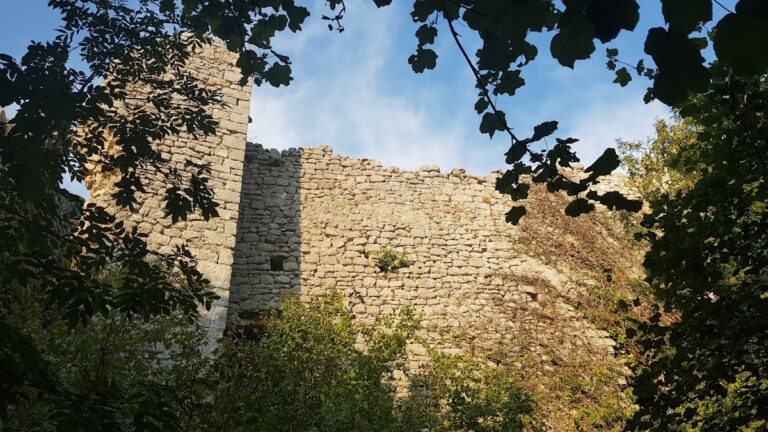
The surviving complex combines defensive structures with residential and commemorative spaces created or adapted over several centuries. Its physical remains include the signaling tower, a suspended garden formed from earlier fortifications, Celestine V’s associated rooms, a museum, and objects preserved in the family archive.
Fortress Structures and Garden
The fortress’s high tower survives as the clearest reminder of Fumone’s former warning system. It was used for visual and smoke signaling, linking the castle’s elevated position with the defense of the surrounding Papal States territories.
Hanging Garden
The Longhi family created the hanging garden in the seventeenth century by joining the patrol walkways, moats, and four inner towers. A hanging garden is built on elevated architectural structures rather than directly on natural ground. Covering about 3,500 square meters, the garden is described as a rare European example and as an expression of the classical Italian garden tradition. It is also regarded as the largest European garden of this type situated at an elevation of 800 meters or more above sea level.
Celestine V Memorial Spaces
Chapel
On the piano nobile, the principal residential floor of a traditional European palace or mansion, an eighteenth-century chapel preserves the memory of Celestine V.
Prison Cell
Beside the chapel is the cell in which Celestine V was imprisoned and spent the final ten months of his life. The room preserves the physical setting associated with his captivity and death at Fumone.
Museum and Family Archive
A museum within the castle preserves archaeological finds from the site. The castle also retains the embalmed body of Francesco Longhi, who was killed at the age of five by his seven sisters during an inheritance dispute. His mother, Duchess Emilia Caetani, was overcome by grief, refused burial, and had the child embalmed. The body is kept in a secretaire in the family archive.
The votive cross placed by Pope Paul VI in 1966 remains preserved inside the castle, continuing the building’s association with the memory of Celestine V.