Castle of Verrazzano: A Historic Tuscan Estate in Greve in Chianti
Visitor Information
Google Rating: 4.7
Popularity: Medium
Official Website: www.verrazzano.com
Country: Italy
Civilization: Unclassified
Site type: Military
Remains: Castle

History
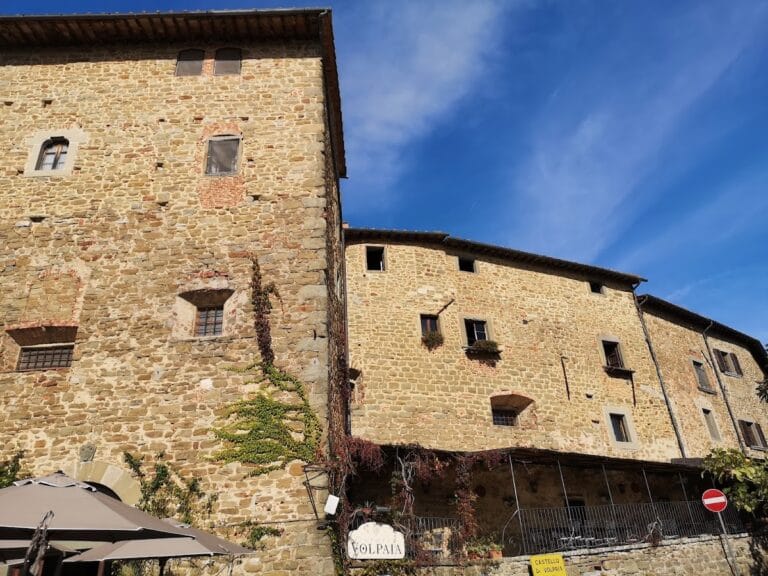
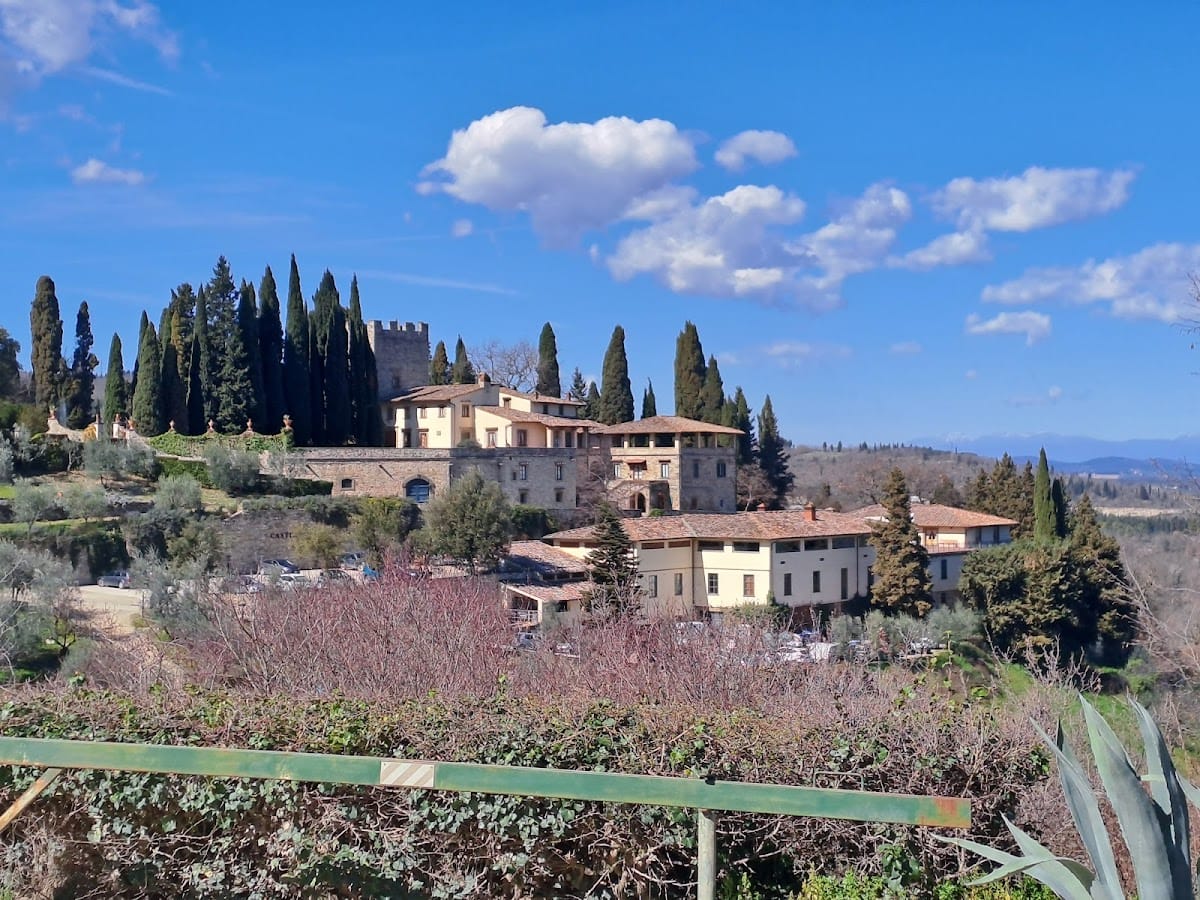
The Castle of Verrazzano stands in the municipality of Greve in Chianti, Italy. This fortified estate was originally constructed by the Florentine Guelf family Da Verrazzano during the late 15th and early 16th centuries, built upon the foundations of an earlier military structure.
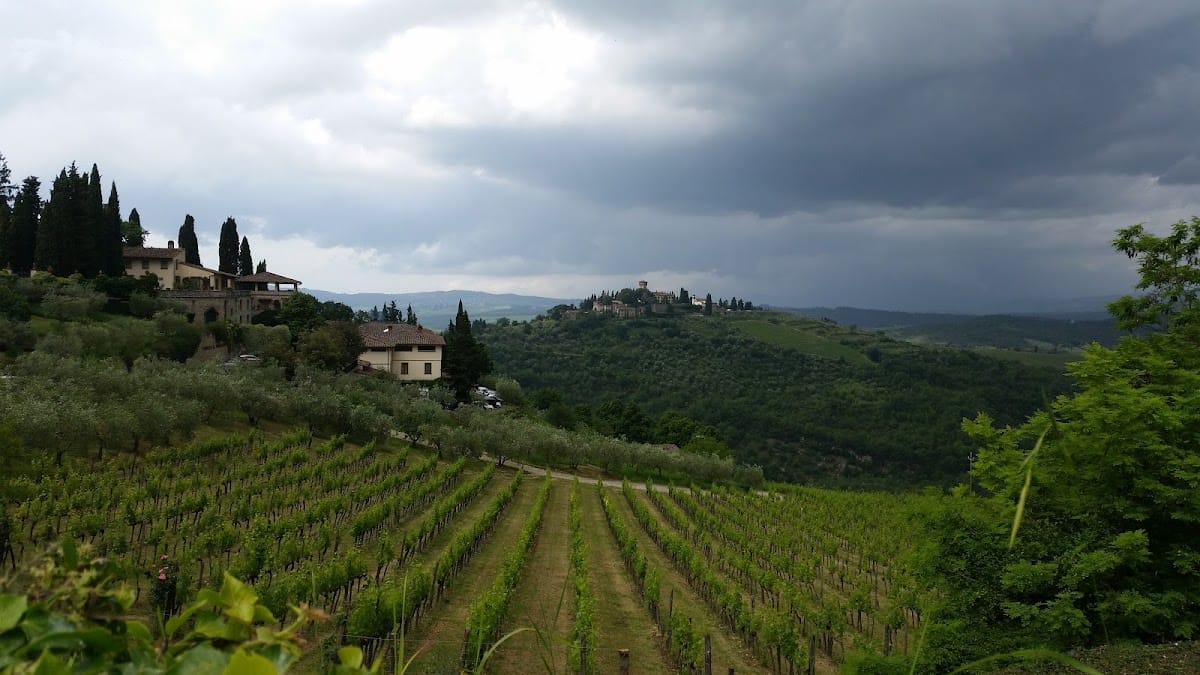
The Da Verrazzano family played a notable role in medieval Tuscan history. They endured severe losses at the Battle of Montaperti in 1260, where two of the family’s sons fell. Following this defeat and a period of exile owing to shifting political fortunes, the family reclaimed their lands after the Guelf faction regained dominance in the region. The castle site itself preserves a 13th-century tower, the last visible element of the original bastion that once guarded local vineyards and olive groves.
Tradition holds that the explorer Giovanni da Verrazzano, famed for his voyages that led to the European discovery of New York Bay, was born within these walls in 1485. This connection deepens the castle’s historical resonance beyond Tuscany’s borders.
During the 17th century, the castle underwent significant transformation, ceasing to function primarily as a fortress. Instead, it was remodeled into a Tuscan villa that incorporated an agricultural estate, or fattoria, alongside an Italian garden designed in the style popular at the time. These changes reflected evolving residential and economic needs, moving away from military defense to agrarian production and refined living.
Ownership passed from the Da Verrazzano lineage following their extinction in 1819. The estate was then acquired by the Ridolfi family, who contributed to its modern history. Under Luigi Ridolfi’s leadership as head of the Italian athletics federation, the castle served as a training location for the national Olympic team preparing for the 1936 games. Later, in 1958, stewardship transferred to the Cappellini family. They initiated extensive restorations and established a contemporary winery on the grounds, continuing the site’s longstanding relationship with viticulture—a tradition that dates back to records from 1170, when vineyards in the surrounding area were documented in monastic libraries.
Remains
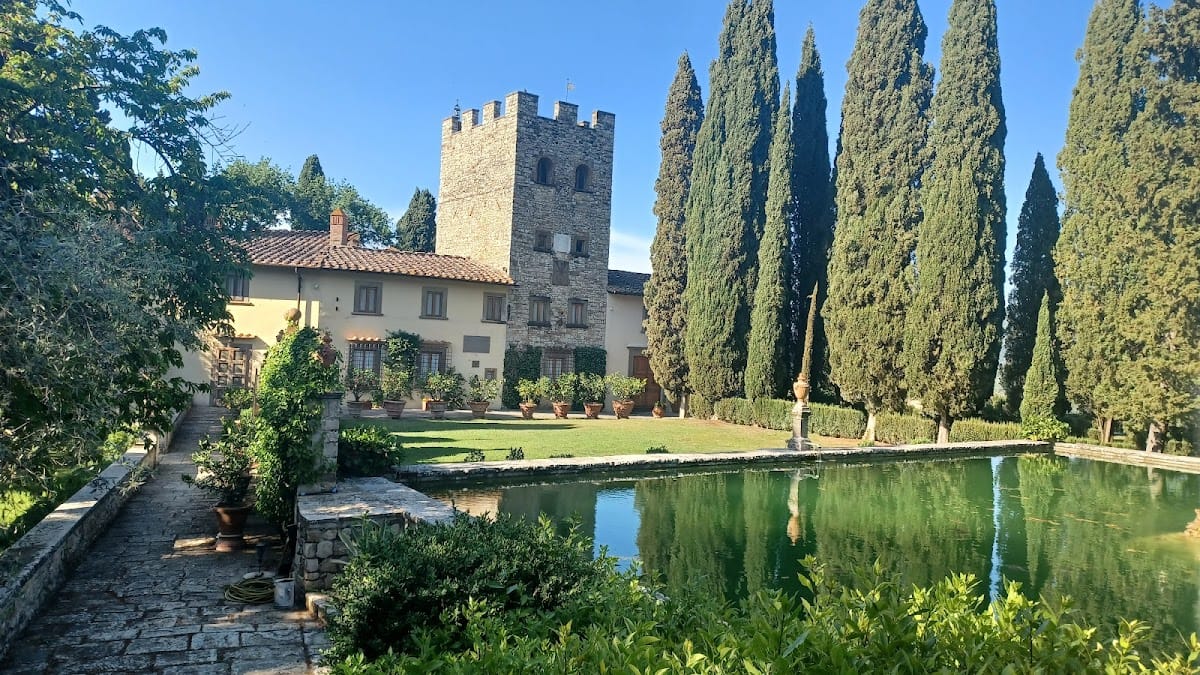
The Castle of Verrazzano exhibits a compound layout that blends medieval military architecture with later Renaissance and Baroque modifications. Its dominant surviving feature is the merloned tower, originating from the 13th century. This tower’s battlemented parapet (the merlons are the solid upright sections between crenels, or gaps) indicates its defensive role in overseeing and protecting the surrounding agricultural lands. Constructed primarily of local stone, the tower remains a prominent remnant of the earlier fortress for which it served as a key stronghold.
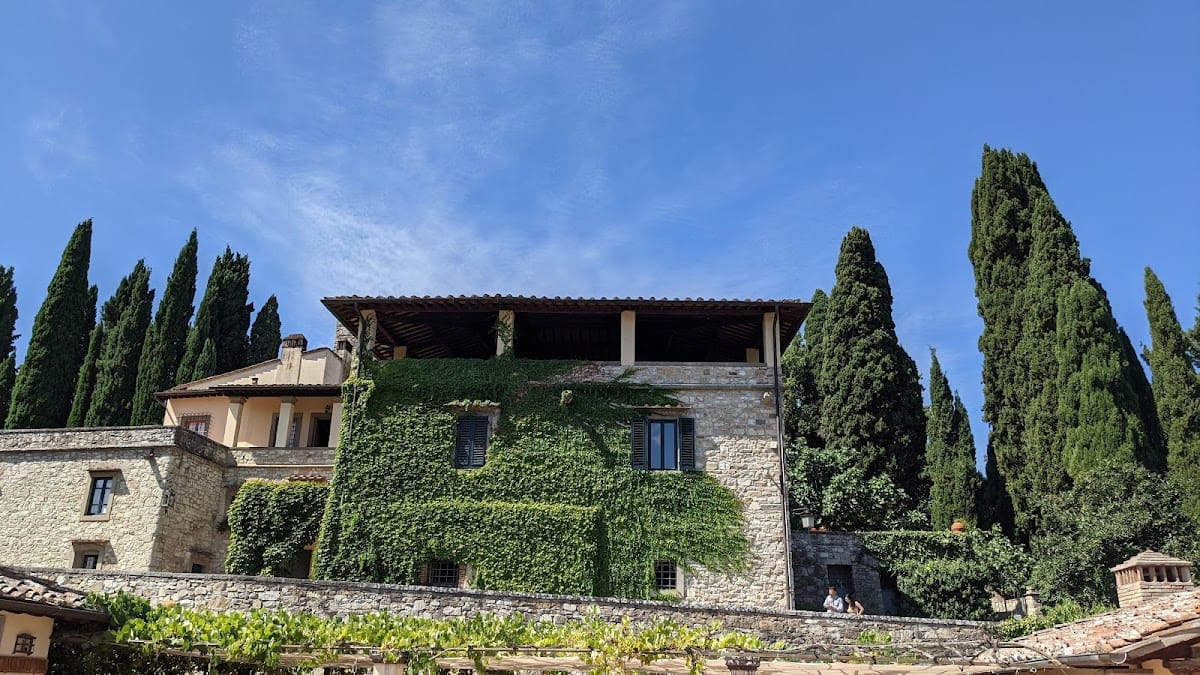
The principal residence was erected in the transition from the late 1400s into the early 1500s. This structure reflects the transition from martial construction to dwellings suited for noble living amidst productive farmland. In the 1600s, the castle buildings were adapted into a villa complete with a functioning farm and an Italian garden, reflecting contemporary tastes and the era’s emphasis on cultivated landscapes.
Within the castle complex is an adjoining chapel that preserves a valuable artistic work: a panel painting by Domenico Ghirlandaio. This piece portrays the Eternal Father, a traditional Christian depiction of God the Father, enhancing the spiritual and cultural significance of the site.
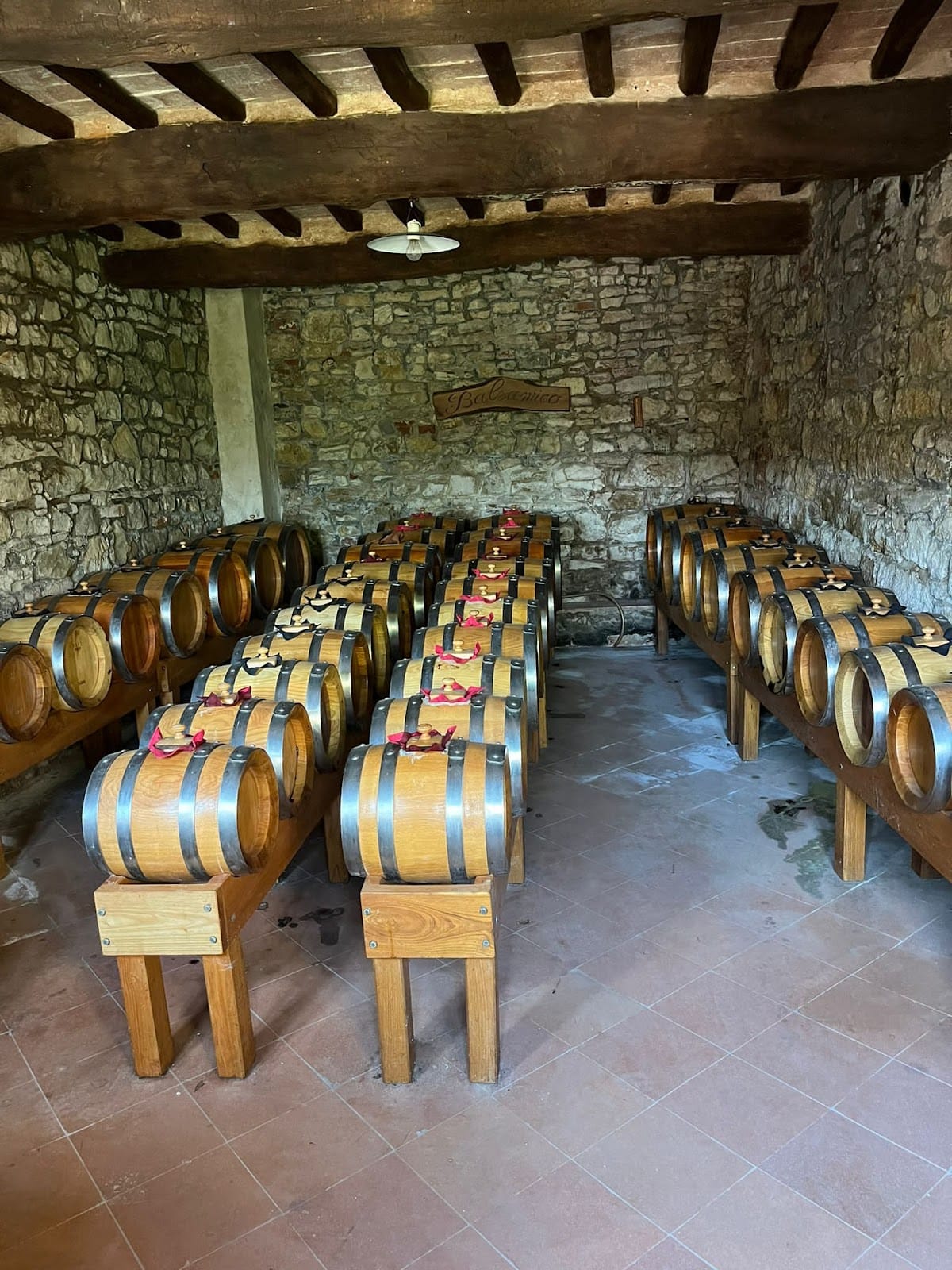
The estate’s 16th-century wine cellar remains intact, emphasizing the historical importance of wine production to the castle’s economy and identity. Access to this cellar is controlled and offered only during guided visits, underlining its status as a carefully preserved space. Throughout various restorations, particularly those undertaken since 1958 by the Cappellini family, agricultural functions have been maintained alongside residential and cultural uses, ensuring that the site retains its layered historical character rather than becoming solely a preserved monument.
Together, these elements illustrate a site that evolved from medieval bastion to Renaissance villa and modern estate, with each phase leaving tangible marks that tell of changing times, social roles, and economic priorities in the Tuscan landscape.
Nearby sites