Castillo de Medina Sidonia: A Multi-Period Fortification in Spain
Site at a Glance
- Rating
- 4.2
- Popularity
- Medium
- Country
- Spain
- Primary era
- Classical
- External website
- Open
- Eras represented
- Classical, Medieval, Modern
- Civilizations
- Almoravid, Crown of Castile, French, Roman
- Site type
- Military
- Remains
- Castle
On this page7 sections
History
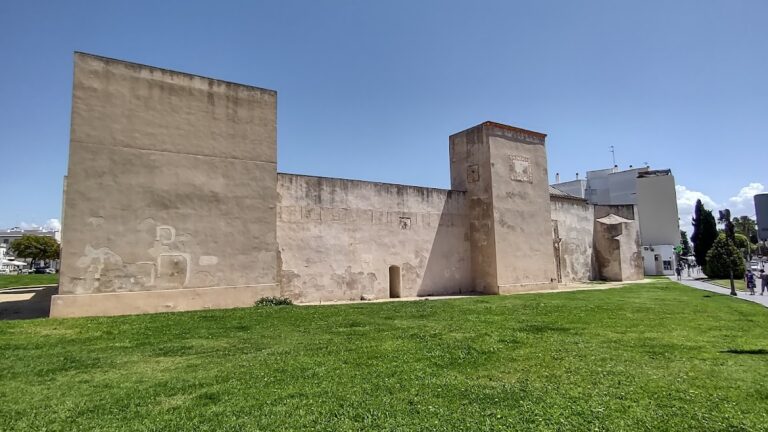
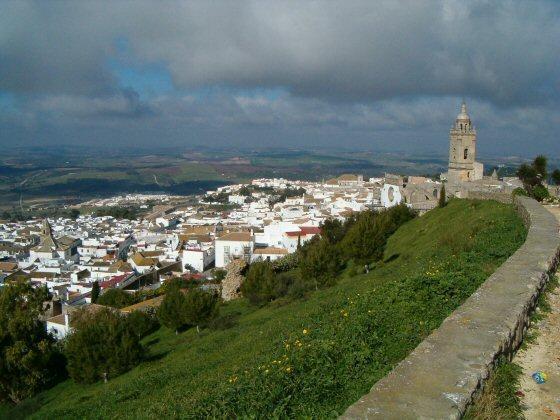
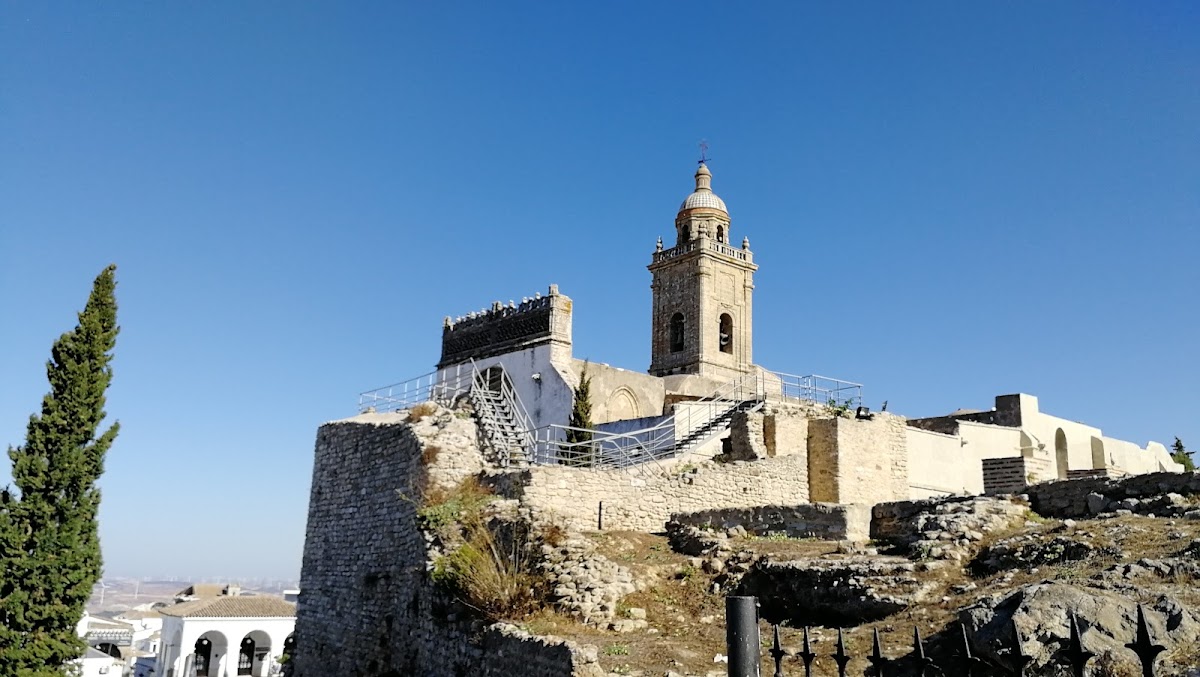
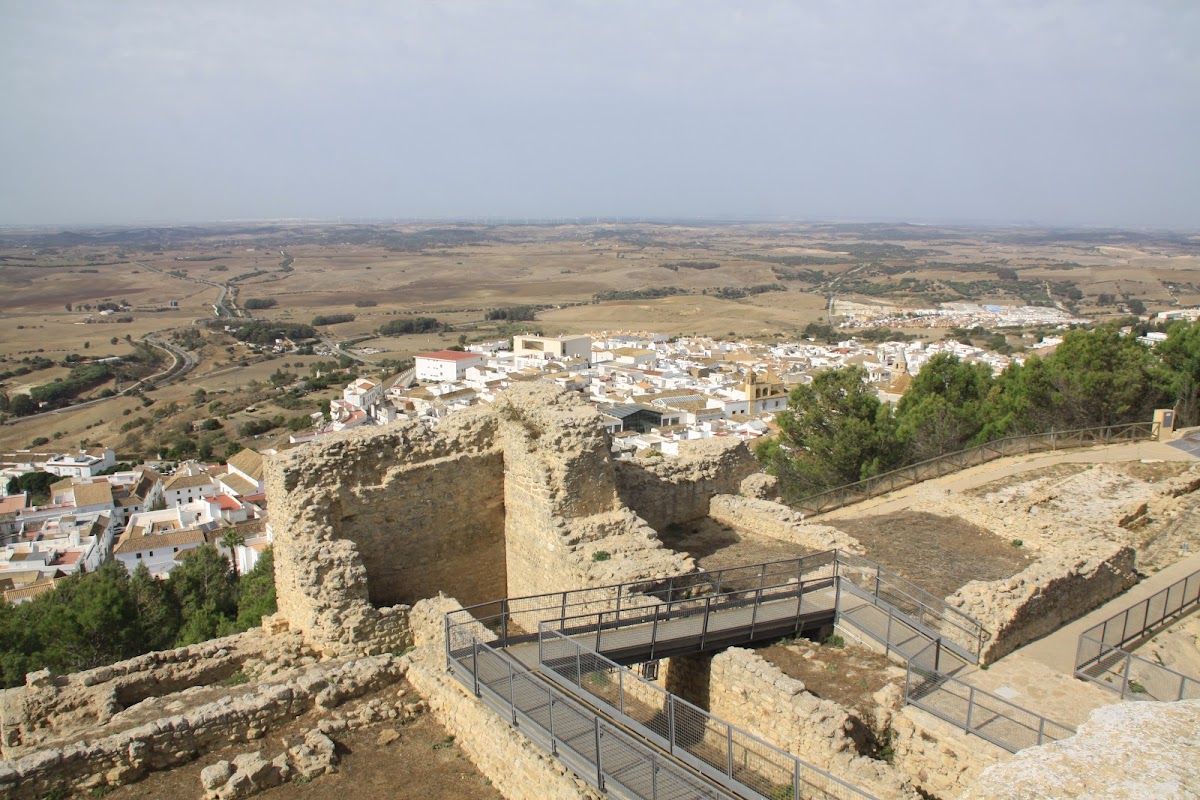
Castillo de Medina Sidonia is a ruined fortification on Cerro del Castillo in Medina Sidonia, Spain, within the Archaeological Site of Medina Sidonia and Cerro del Castillo. Its remains represent successive Roman, Islamic, medieval, and modern military phases.
Roman and Islamic Fortifications
The earliest identified structure is a Roman castellum, a military fortification generally smaller than a major legionary fortress. It occupied most of the hilltop and was followed by an Islamic alcázar, a fortified palace or citadel, probably built in the eleventh century during the Almoravid period. The Almoravids were a Berber Muslim dynasty that ruled parts of North Africa and al-Andalus during the eleventh and twelfth centuries. Materials recovered from the alcázar’s foundation trench support this dating, while its perimeter was considerably larger than that of the earlier Roman fortification. The Roman fortification has no identified counterpart of the same characteristics elsewhere on the Iberian Peninsula.
Medieval Castle and Later Military Use
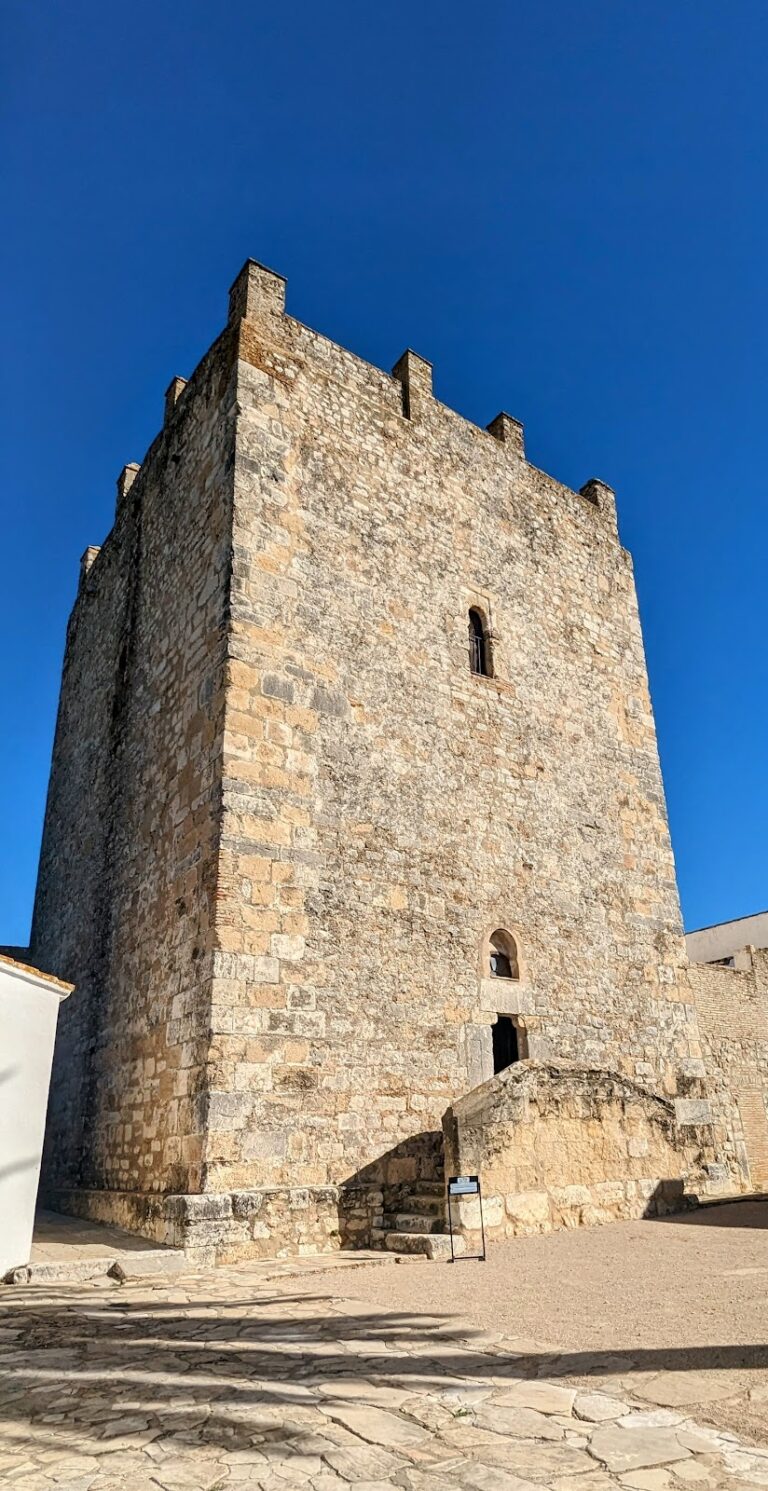
The medieval castle was commissioned by Enrique Pérez de Guzmán y Meneses, the second Duke of Medina Sidonia, a Castilian nobleman who held that title. From the late sixteenth century through much of the twentieth century, the castle and its surroundings were quarried for stone used in buildings across the city, including the Main Church of Santa María la Coronada and the town hall. This extraction left the fortress in the ruined condition that survives today.
During the nineteenth-century siege of Cádiz and San Fernando, the castle served as the headquarters of French troops. French occupation from 1810 to 1812 brought rebuilt walls and new interior facilities, including barracks for troops, stables, and kitchens. The castle was declared a Spanish Asset of Cultural Interest in the category of Monument on 29 June 1985.
Remains
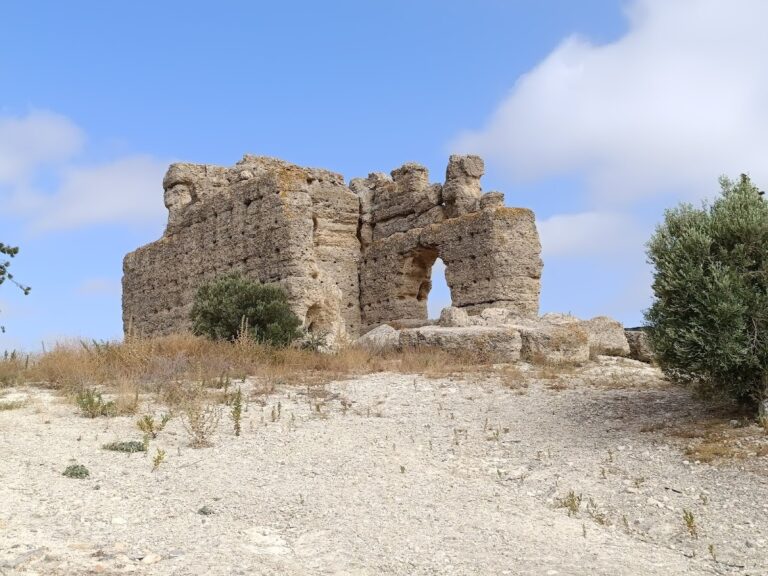
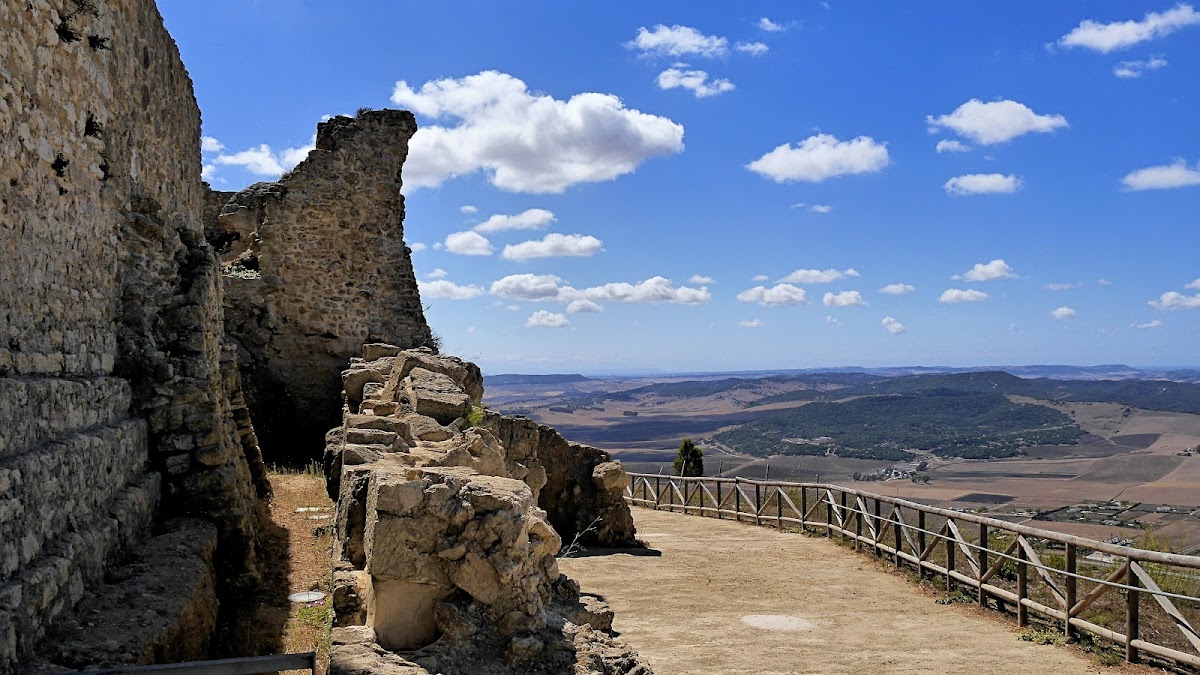
The ruins occupy the summit of Cerro del Castillo and bring together heavy Roman stonework, Islamic rammed-earth walls, and structures associated with the French occupation. Their arrangement reflects the successive fortifications that occupied and expanded across the hilltop.
Roman Defensive Works
The Roman castellum is formed by massive ashlar walls, built from stone blocks cut and laid in regular courses. It covers most of the summit. Along the eastern side, a wall front extends for more than 60 metres and has six small rectangular towers attached at regular intervals. Two large quadrangular defensive structures of similar character project from the southern flank.
Islamic Alcázar
Several sections of the Islamic alcázar survive as walls made with tapial, a rammed-earth technique in which damp earth and aggregate are compacted within forms. The material includes pressed earth, small pebbles, ceramic fragments, and some lime. These surviving wall sections belong to the Islamic fortification whose perimeter extended beyond that of the Roman stronghold.
French Occupation Works
The later military remains include rebuilt walls and interior service buildings added during the French occupation from 1810 to 1812. The surviving facilities comprised troop barracks, stables, and kitchens, reflecting the castle’s use as a military headquarters during the siege of Cádiz and San Fernando.