Castle of Târgu Mureș: A Historic Fortress in Romania


Visitor Information
Google Rating: 4.6
Popularity: High
Google Maps: View on Google Maps
Country: Romania
Civilization: Unclassified
Remains: Military

History
The Castle of Târgu Mureș is situated in the heart of the city of Târgu Mureș, Romania. It was originally established by the Transylvanian voivode István Báthory in 1492, constructed around an existing church and monastic complex. This early fortress was intended as a strategic stronghold to exert control over the Székely population, an ethnic group in the region.
During the late 16th and early 17th centuries, the site experienced significant turmoil. One notable event was the imprisonment of the Hungarian Renaissance poet Bálint Balassi in 1575 within the fortress walls. Additionally, in 1596, the stronghold was used as a place of torture for Székely rebels, reflecting its role in suppressing regional uprisings. The initial fortress did not survive the era intact; it was destroyed in 1601 amid the military campaign led by Giorgio Basta, who acted under the orders of Mihai Viteazul during the conflicts in Transylvania.
Following this destruction, reconstruction began promptly in 1602, lasting until 1652. The new fortress took on a pentagonal shape, designed with seven bastions to strengthen its defenses. Local craft guilds were heavily involved in building five of these bastions, contributing materials such as river stone and brick. The guilds continued to manage and maintain the bastions until the arrival of the Austrian army, which indicates the fortress’s ongoing military importance through the 17th century and beyond.
Over the centuries, the castle evolved in function and form. Until 1962, many of the interior structures were dedicated to military use. After this period, these spaces were repurposed as museums and leisure areas, marking a shift toward cultural preservation. In the 21st century, extensive restoration projects funded by the European Union commenced in 2011, focusing on both artistic and structural rehabilitation of the complex. Further restoration efforts included the Reformed Church within the castle, begun in 2018 with financial support from the Hungarian government and local parishioners. During this work, a 15th-century fresco depicting King Ladislaus I of Hungary was discovered, linking the site to an earlier medieval artistic tradition.
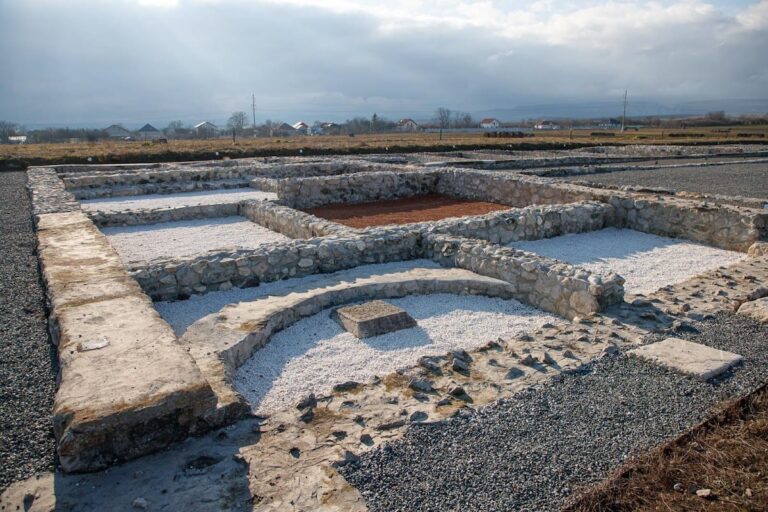
Archaeological investigations on the site have unveiled evidence of early industrial activities within the fortress. These findings include a brick manufacturing workshop, identified as possibly the earliest in the country, a bronze processing workshop, and a cellar containing two furnaces. An intriguing discovery in 2010 was the seal of a Franciscan monk from Győr, corroborating historical records that the monastic community had oversight of the site and conducted visits.
Remains
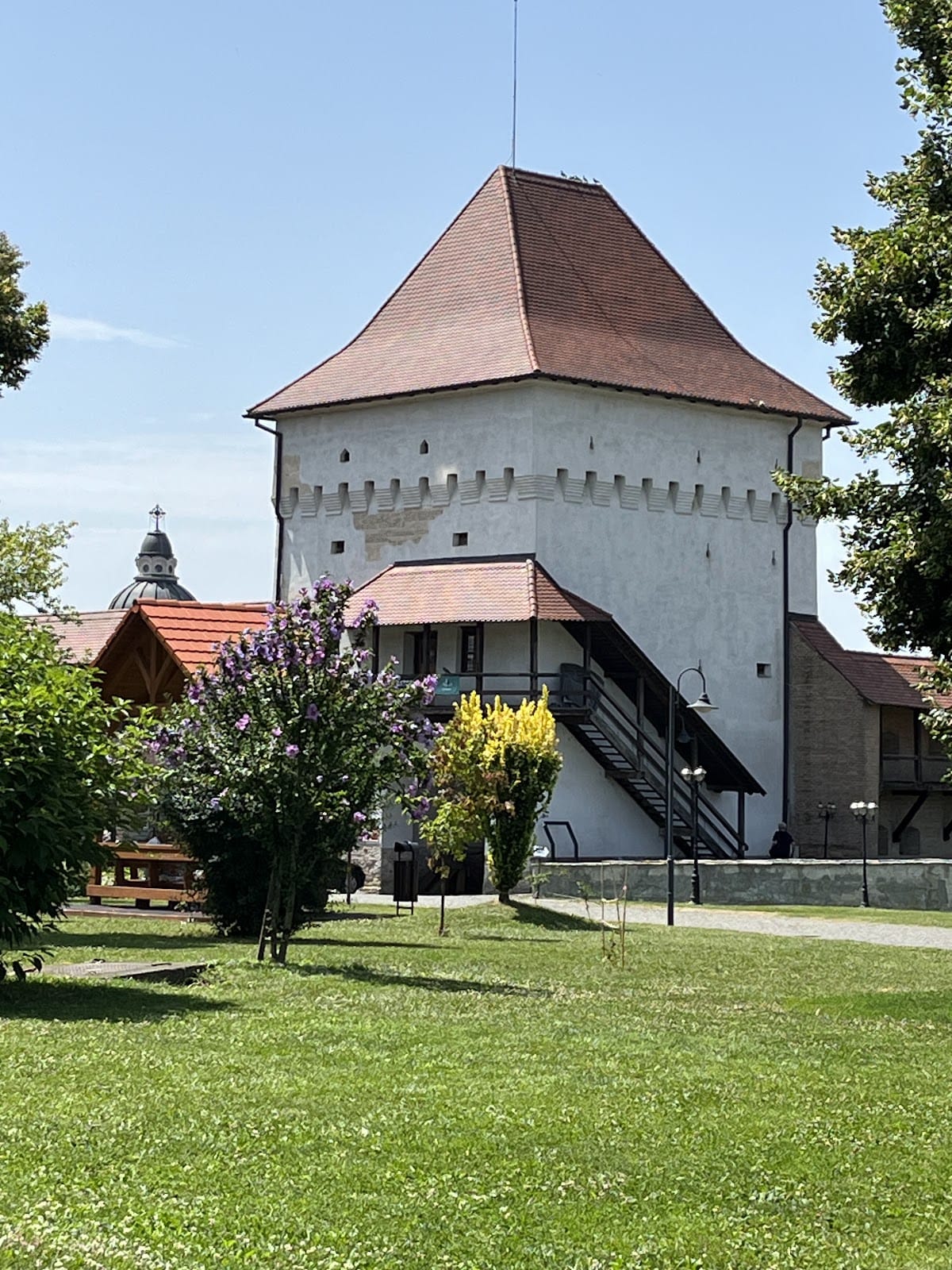
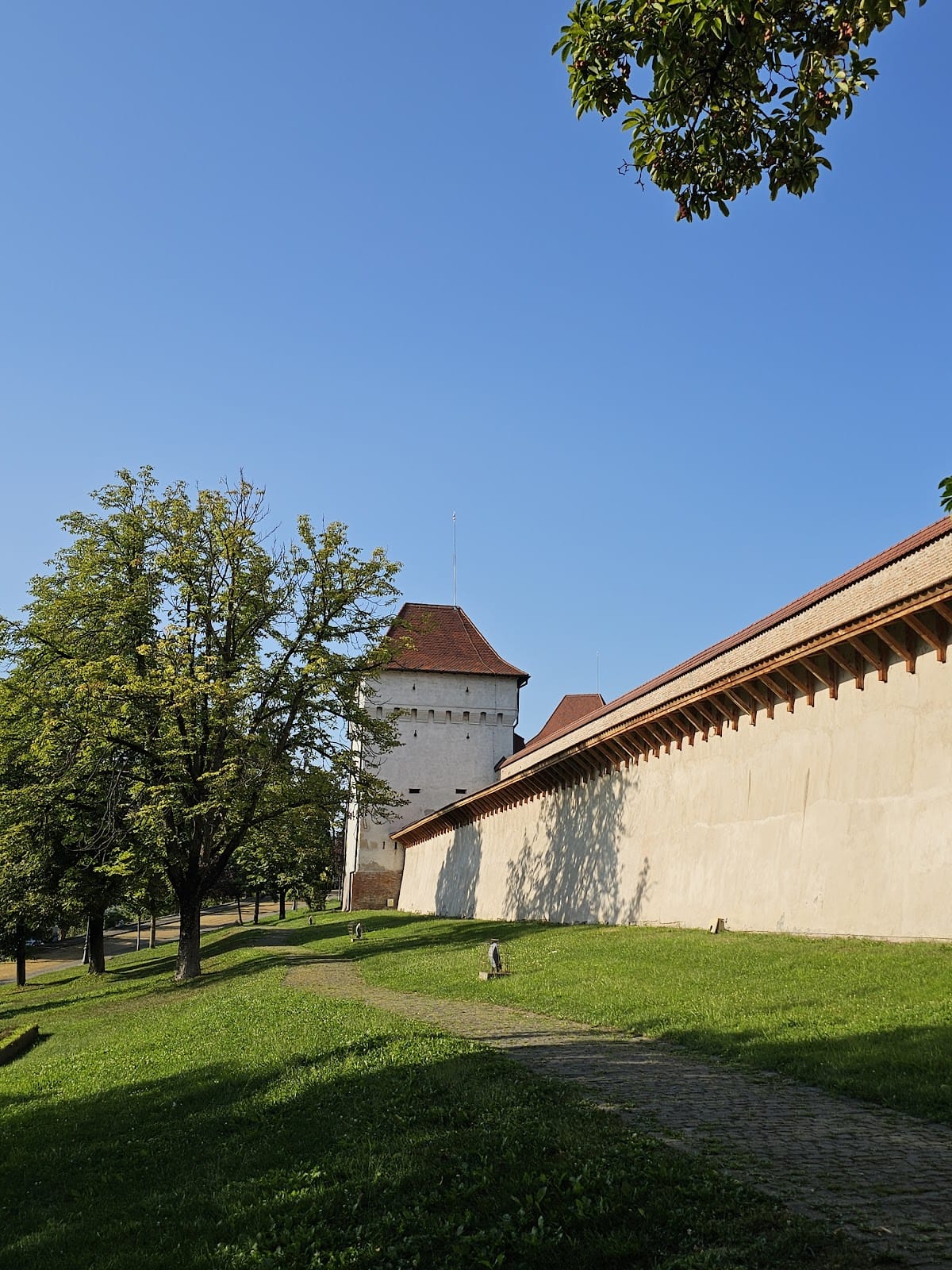
The current Castle of Târgu Mureș covers an area of approximately 4.3 to 4.5 hectares and is enclosed by fortified walls that connect seven bastions. These bastions bear names that reflect the guilds and trades involved in their construction and maintenance: the Gate Bastion (Kapubástya), Tailors’ Bastion (Szabók-bástyája), Butchers’ Bastion (Mészárosok-bástyája), Coopers’ Bastion (Kádárok-bástyája), Furriers and Locksmiths’ Bastions (Szűcsök-bástyája combined with Lakatosok-bástyája), Tanners’ Bastion (Vargák-bástyája), and the Small Bastion (Kisbástya). The fortress exhibits a pentagonal layout, featuring five polygonal corner towers, while two square towers from the original enclosure remain partially preserved.
The bastions themselves are artillery towers rising three or four levels, connected inside by wooden staircases. Unlike many contemporary fortresses, these bastions were not earth-filled. Their embrasures—openings for firearms—are shaped either like keyholes or vertical rectangles, designed for smaller caliber guns and cannons. Defensive features from medieval fortifications also persist, such as “guri de păcură” (pitch holes), which are openings for vertical defense at the upper levels of some bastions. Although these make the fortress unique regionally, the design does not fully align with the Italian style of bastion fortifications popular at the time.
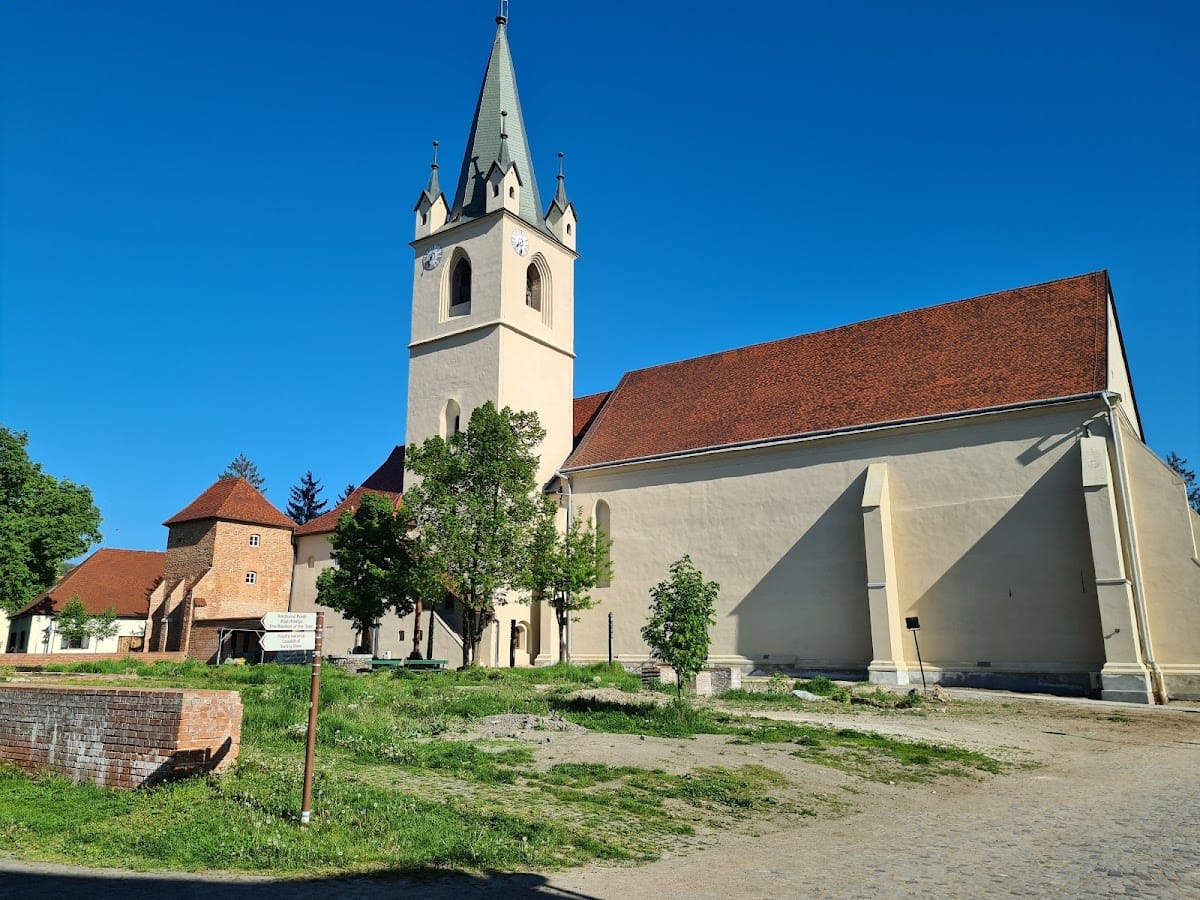
Situated within the fortress walls, the Reformed Church stands out as the oldest surviving building in Târgu Mureș. It originated as a Franciscan church and was completed by the end of the 15th century. Its most striking element is a 55-meter-high Gothic tower, which rises in four distinct levels. Inside, a staircase leads up to the bell chamber, which contains four large pointed-arch openings and smaller windows framed in Gothic style on the north and west façades. The tower’s roof is topped with four corner turrets, setting a precedent that influenced numerous similar church towers in the region. The church complex further includes a Gothic annex, which was once part of the monastic living quarters, an elegant Gothic façade marking the main entrance, a Baroque nave added later, and a Gothic presbytery.
Another significant building inside the fortress is the former Habsburg command structure, currently housing the Museum of Archaeology and History. This one-story building comprises two 17th-century houses linked by a central wing. In the 18th century, it was remodeled into a U-shaped layout, with the final restoration completed after 1877. Historically, this edifice served as the city hall during the 17th century, marking its administrative importance at the time.
The courtyard between the Reformed Church and the former command building features a Baroque-style artesian fountain. This fountain is a replica fashioned after an early 19th-century original, accentuating the Baroque period’s artistic influence within the fortress grounds.
The fortress displays a variety of architectural elements that tell its layered history. Renaissance-style inscriptions dated 1613 can be found on the Gate Bastion, while the Tailors’ Bastion bears Latin commemorative texts documenting construction phases between 1638 and 1640. Gothic-style consoles located on the Shoemakers’ Bastion were salvaged from the ruins of the nearby Sîncraiu de Mureș monastery, demonstrating the reuse of architectural fragments.
Once surrounded by a protective moat, the fortress underwent changes in the early 20th century, including the removal of the moat around 1910 to accommodate urban expansion. To compensate, a double defensive wall was constructed on the western side where the moat no longer offered security.
Recent restoration initiatives have included repairs to fortress roofs and walls, refurbishing internal buildings, and landscaping of the grounds. Of particular note is the construction of a geodesic dome within the complex, which takes inspiration from the geometry theories of the mathematician János Bolyai. Accessibility was also enhanced by the installation in 2018 of a bronze tactile model of the fortress near the former command building, complete with Braille inscriptions to assist visually impaired visitors.
Nearby sites