Castle of Pedraza: A Historic Fortress in Spain


Visitor Information
Google Rating: 4.4
Popularity: Medium
Google Maps: View on Google Maps
Official Website: www.grancastillodepedraza.com
Country: Spain
Civilization: Unclassified
Remains: Military

History
The Castle of Pedraza stands within the village of Pedraza in Spain, a fortress originally built by Christian rulers after the Reconquista. Before the current castle was constructed, the site on Pedraza hill was used by the Romans and later by Arab occupants, who established forts there, though these earlier structures no longer survive.
In the late 14th century, the castle became part of Castilian noble holdings when King Henry II of Castile granted it in 1369 to Fernando Gómez de Albornoz. Subsequently, it was enfeoffed by Henry II’s successor, John I of Castile, to García González de Herrera. The Herrera family maintained possession of the castle for about a century until the late 15th century, when it passed into the hands of the Velasco family, notable nobles who served as constables of Castile.
Bernardino Fernández de Velasco y Mendoza, Duke of Frías, was the first lord of Pedraza from the Velasco line. During the early 16th century, the castle played a role in international politics by holding French princes Francis and Henry as royal hostages in 1529. This captivity related to the failed Peace of Madrid treaty between Spain and France. An attempted rescue mission led by Juan de Jalón was uncovered, resulting in his execution. The castle remained a noble residence until the abolition of feudal privileges in 1811, prior to which it was gradually abandoned.
In the 20th century, in 1925, Spanish painter Ignacio Zuloaga acquired the deteriorated castle. He focused on restoring the main tower, known as the Torre del Homenaje or keep, converting it into a residence, and also reinforced the surrounding structures. Following his death, his descendants established a museum within the fortress to display works by Zuloaga and other artists, preserving the castle’s legacy as both a historical monument and cultural site.
Remains
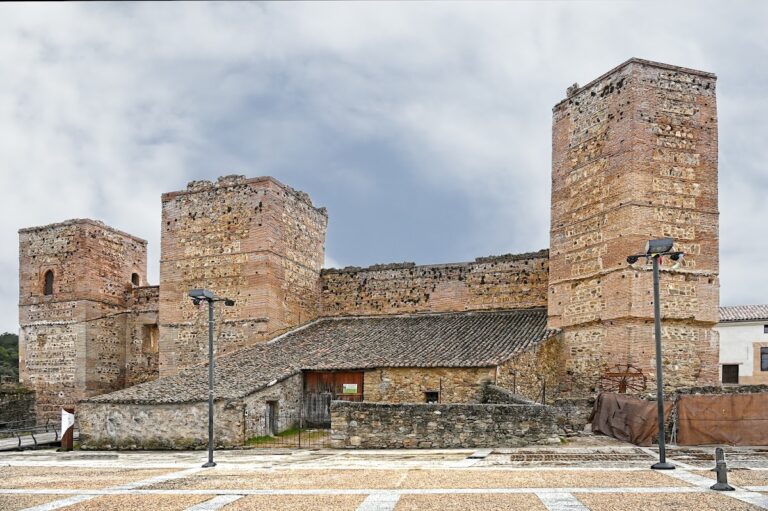
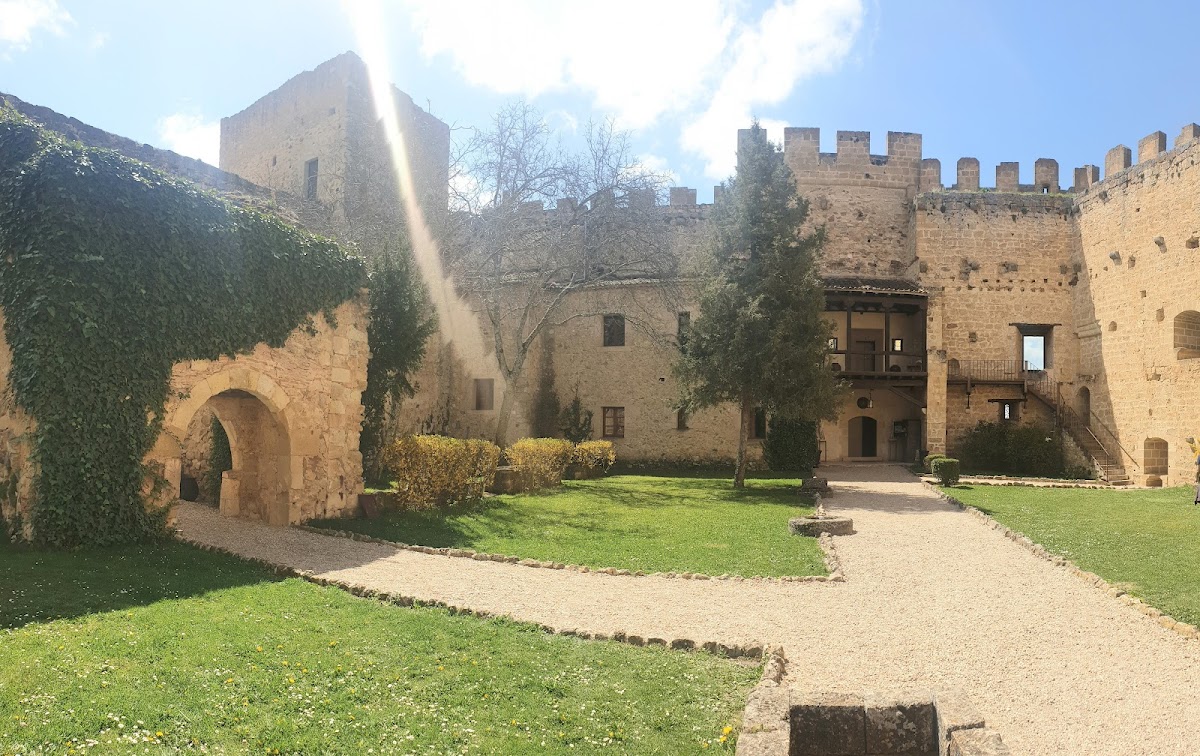
The Castle of Pedraza features a polygonal design that takes advantage of its setting atop Pedraza hill. The front of the fortress is protected by a defensive moat, while the rear benefits from a natural steep slope, creating strong physical barriers against potential attackers. This combination of constructed and natural defenses underscores the strategic thinking behind the castle’s layout.
Within the outer bailey, or forecastle, the castle exhibits round towers that served to strengthen the defensive perimeter and allowed for better coverage of approaches. Behind this outer enclosure lies the main fortress, which is fortified by square towers, forming the core defensive stronghold. The contrast between round and square towers reflects common medieval military architecture adapted to different sections of the site.
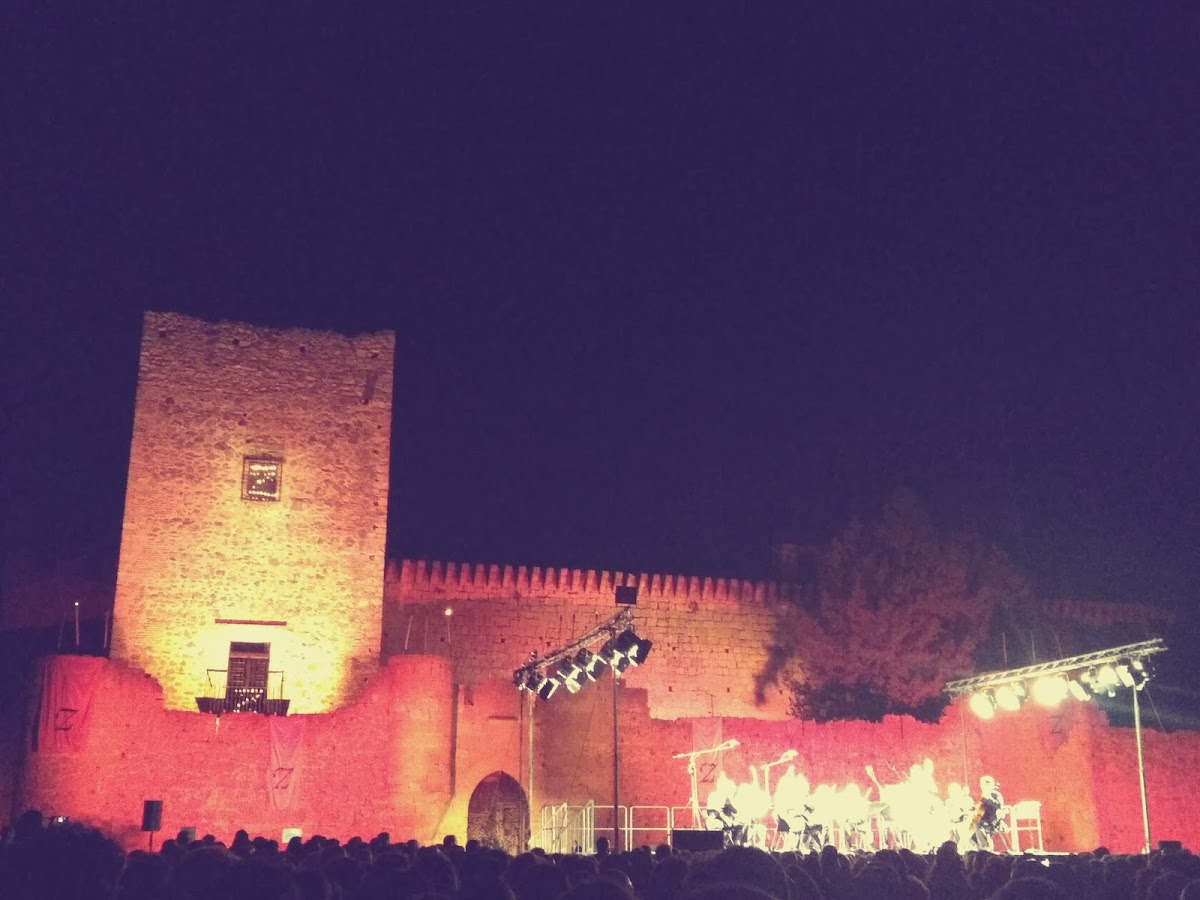
The largest and most prominent structure within the castle is the Torre del Homenaje, or the keep, dating from the 15th century. This donjon comprises three floors and historically would have acted as the last refuge and residence of the lord. Its solid construction and commanding position have been carefully maintained, particularly following 20th-century restorations which made it suitable for habitation again.
Though specific details about construction materials and decorative elements are not documented, the castle’s state of preservation owes much to the consolidation work undertaken by Ignacio Zuloaga. The castle retains its medieval character, with the defensive features, tower arrangements, and overall structure clearly visible and protected within the village of Pedraza. No archaeological inscriptions or other artifacts have been noted, leaving the castle’s physical form as the primary source for understanding its past.
Nearby sites