Onda Castle: A Medieval Hilltop Fortress in Spain



Site at a Glance
- Rating
- 4.4
- Popularity
- Medium
- Country
- Spain
- Primary era
- Medieval
- External website
- Open
- Eras represented
- Medieval, Modern
- Civilizations
- Almohad
- Site type
- Military
- Remains
- Castle
On this page13 sections
History
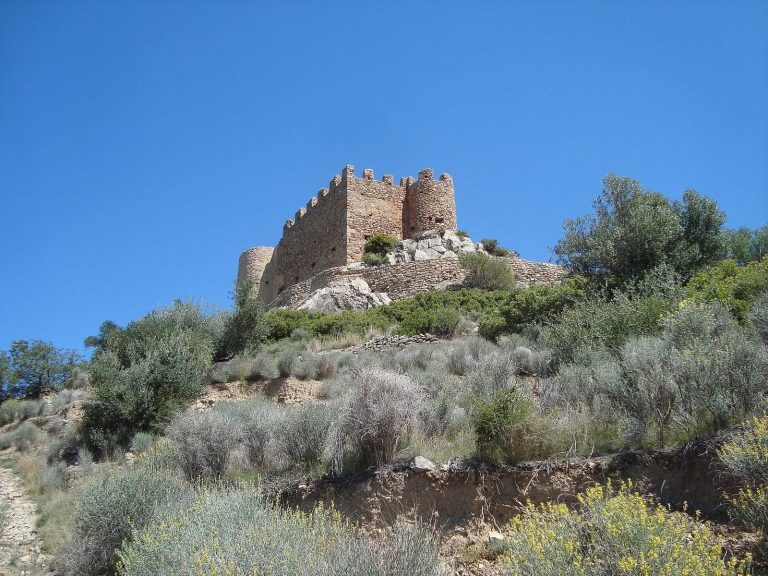
Onda Castle is a hilltop fortification in Onda, Spain, built by Muslim rulers during the Caliphate period in the tenth century on a hill previously occupied by Iberian and Roman settlements. Its position between the plain of La Plana and the Sierra de Espadán gave the fortress a strategic setting, while the settlement grew over later centuries into a large fortified city traditionally called the “castle of the 300 towers.”
Muslim Foundations and Christian Conquest
The original Muslim fortress was constructed over an earlier Roman settlement. As Onda expanded, the castle became the centre of a fortified urban community. The traditional name referring to 300 towers expressed the scale attributed to the city, with the number linked by tradition to the days of the year.
In 1238, Zayyan ibn Mardanix, the last emir of Valencia, surrendered Onda to James I the Conqueror, the Aragonese king who led the Christian conquest of Valencia during the thirteenth century. After the conquest, the town and castle passed under Christian rule. James I granted Onda its charter in 1249, then transferred the revenues of the castle and town to the Knights Templar in 1250. The Templars were a medieval military-religious order that held property and administered revenues across Christian Europe.
Military Orders and Early Modern Conflicts
Onda passed to the Order of Montesa in 1319. This later Iberian military-religious order succeeded to Templar possessions in the Crown of Aragon. The fortress served as a stronghold during the war with Castile from 1357 to 1365 and was used again during the Revolt of the Brotherhoods, a major uprising in Valencia between 1519 and 1524.
In 1526, the castle became the headquarters of the Duke of Segorbe during the suppression of the Mudéjar revolt in the Sierra de Espadán. Napoleonic troops occupied the fortress in 1812. It was rehabilitated in 1839 during the Carlist Wars, and those works produced the most substantial change to the earlier arrangement of its spaces. The castle was also involved in military actions during the Spanish Civil War of 1936.
Protection and Modern Use
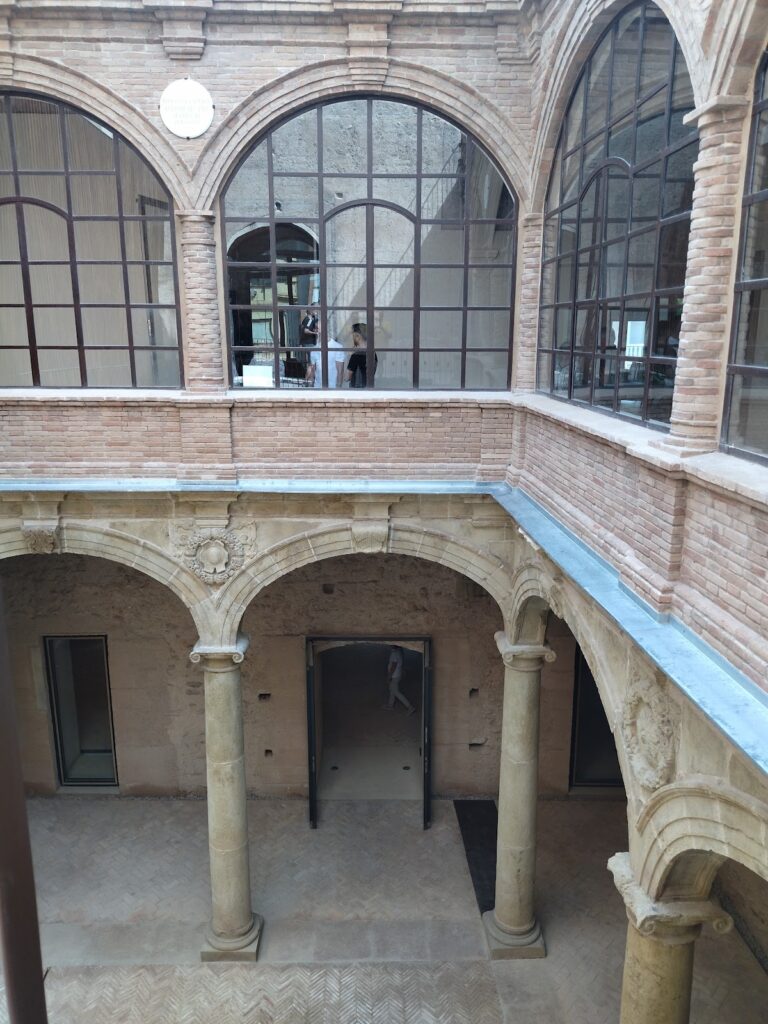
Onda Castle was declared a Historic-Artistic Ensemble in 1967. It is protected under the general decree of 22 April 1949 and Spain’s Historical Heritage Law 16/1985. Its formal designation as an asset of cultural interest in the monument category was recorded on 25 June 1985. Modern restoration has preserved parts of the complex, which now accommodates a museum.
Remains
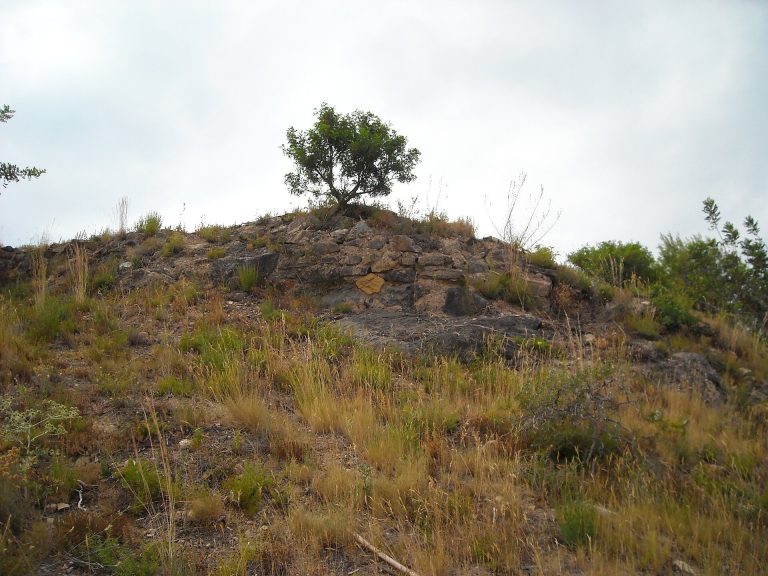
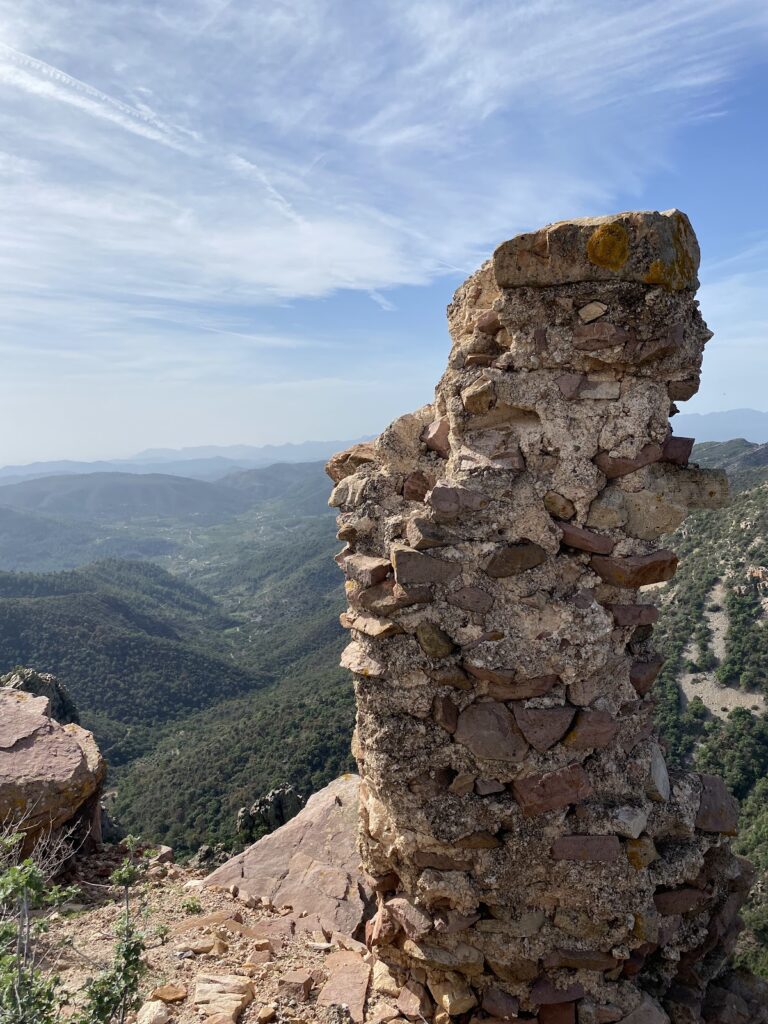
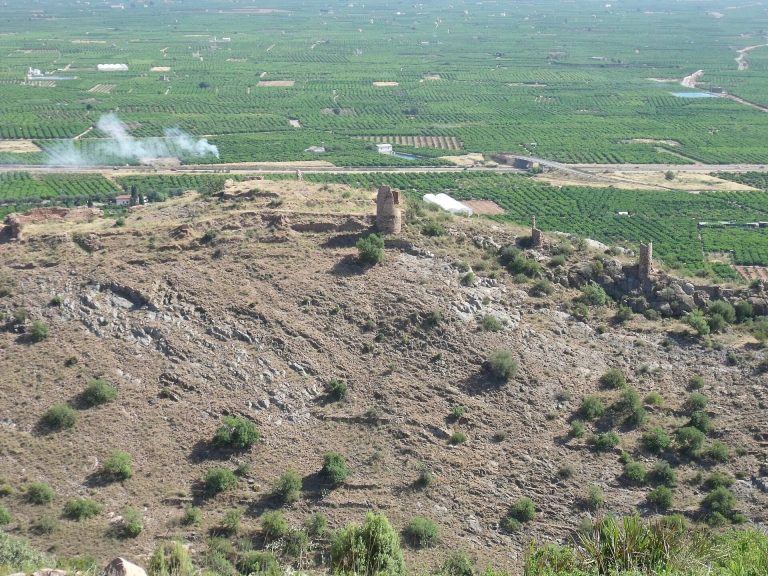
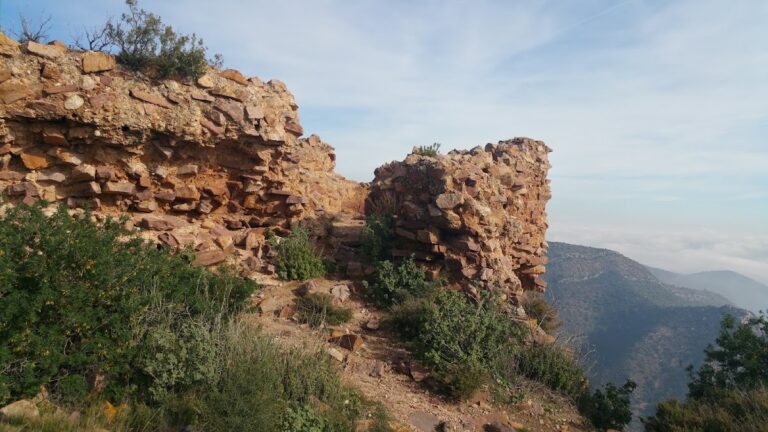
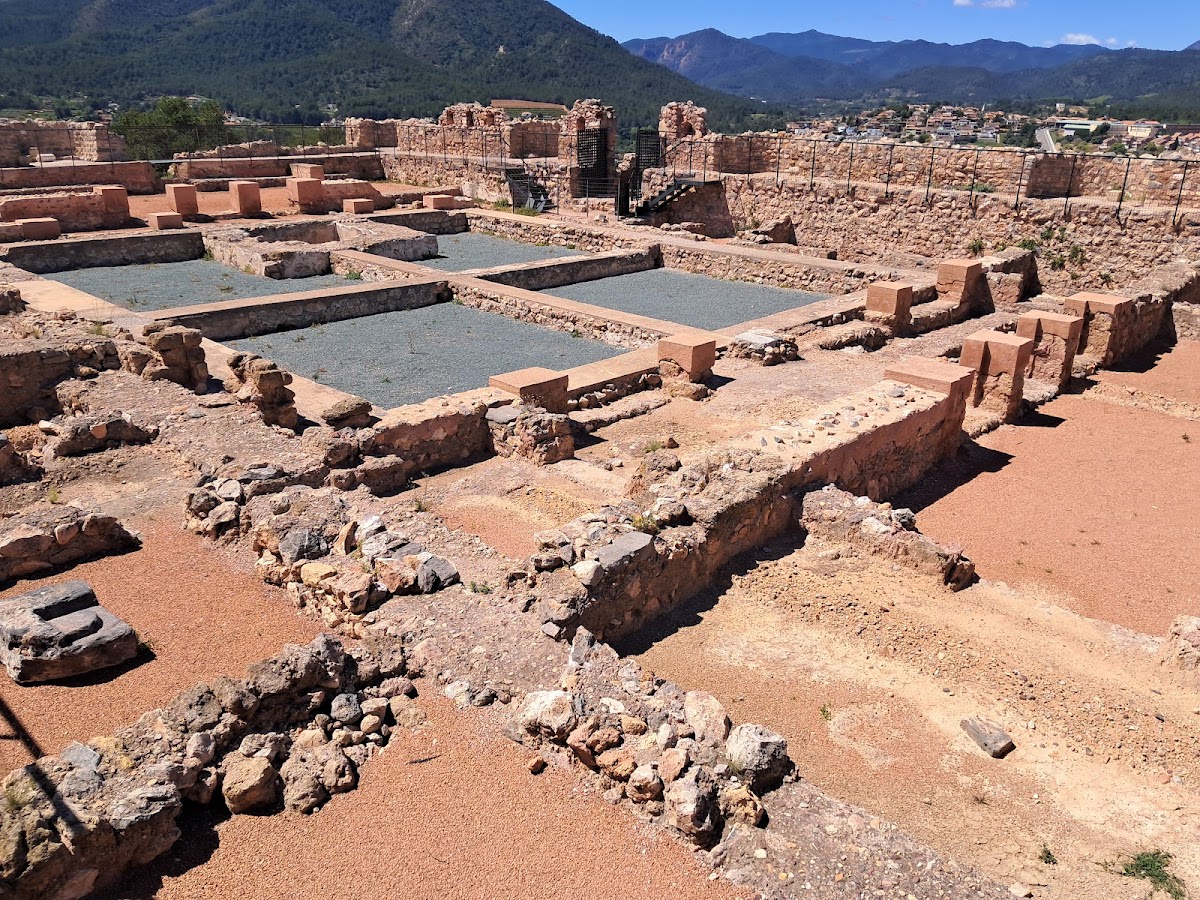
Onda Castle occupies a hilltop at approximately 227 metres above sea level. The present fortification incorporates successive rebuilding and alteration, while the earliest Muslim walls lie beneath the later structures. The complex is arranged through several defensive lines, beginning with the entrance and outer enclosure and rising toward the principal fortified area.
Defensive Enclosures and Urban Gateways
Entrance Towers and the Albacar
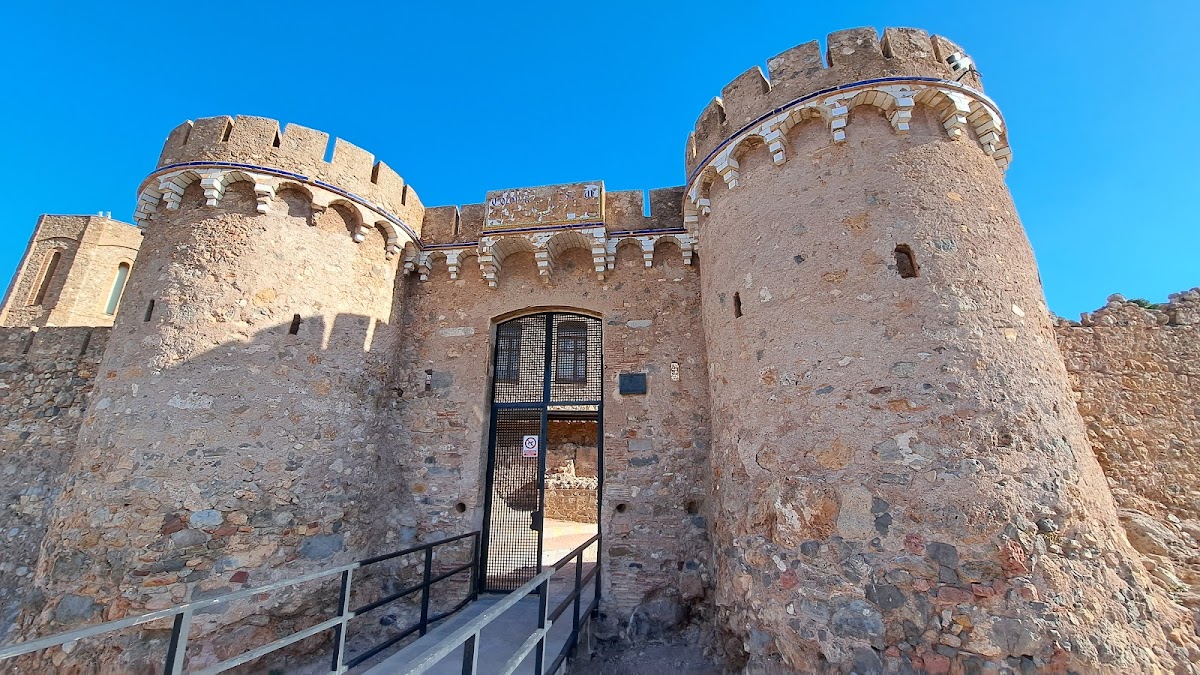
The entrance to the castle area and the second defensive line is flanked by two cylindrical towers. It opens into the albacar, a fortified enclosure designed both for defence and for sheltering inhabitants and livestock in times of danger. The ascent through this area continues toward the northern wall of the madina, the urban settlement or walled city associated with an Islamic fortress.
Portal de Sant Pere
From the Plaza de la Morera, steep slopes descend to the Portal de Sant Pere, the northern gate of the city. An inscription gives 1578 as the date of its latest rehabilitation. Beyond the gate, the Camino de Castellón leads toward the Safona and the town centre.
Alcazaba and Celoquia
The route through the albacar reaches the gate of the alcazaba, also called the celoquia. An alcazaba was the principal fortified command or residential area of an Islamic fortress. In the Muslim period, this part of the castle served as the command post and residence of the castle warden. It later housed the commander of Montesa and successive governors. The area was protected by the third defensive line and retained a predominantly military function.
Campanar dels Moros
The northern defences were strengthened in the mid-twelfth century with the construction of the albarrana tower known as the Campanar dels Moros and a rammed-earth wall. An albarrana tower projected beyond the main wall and was connected to it by a bridge or other link. Rammed-earth construction formed the wall by compacting earth within a temporary framework.
Religious Buildings and Museum Collections
Church and School
The surviving church and school buildings were erected in the early twentieth century by Carmelite friars. The school reused the structure of the castle’s principal cistern, incorporating an earlier water-storage feature into the later complex.
Muslim Plasterwork
The museum contains Muslim plasterwork from a palatial house dating to the beginning of the thirteenth century. These architectural fragments provide a material connection to the Islamic phase of Onda and to the refined residential buildings associated with the settlement before the Christian conquest.