Castle of Loulé: A Historic Fortress in Portugal

Visitor Information
Google Rating: 4.3
Popularity: Medium
Google Maps: View on Google Maps
Official Website: www.cm-loule.pt
Country: Portugal
Civilization: Unclassified
Remains: Military

History
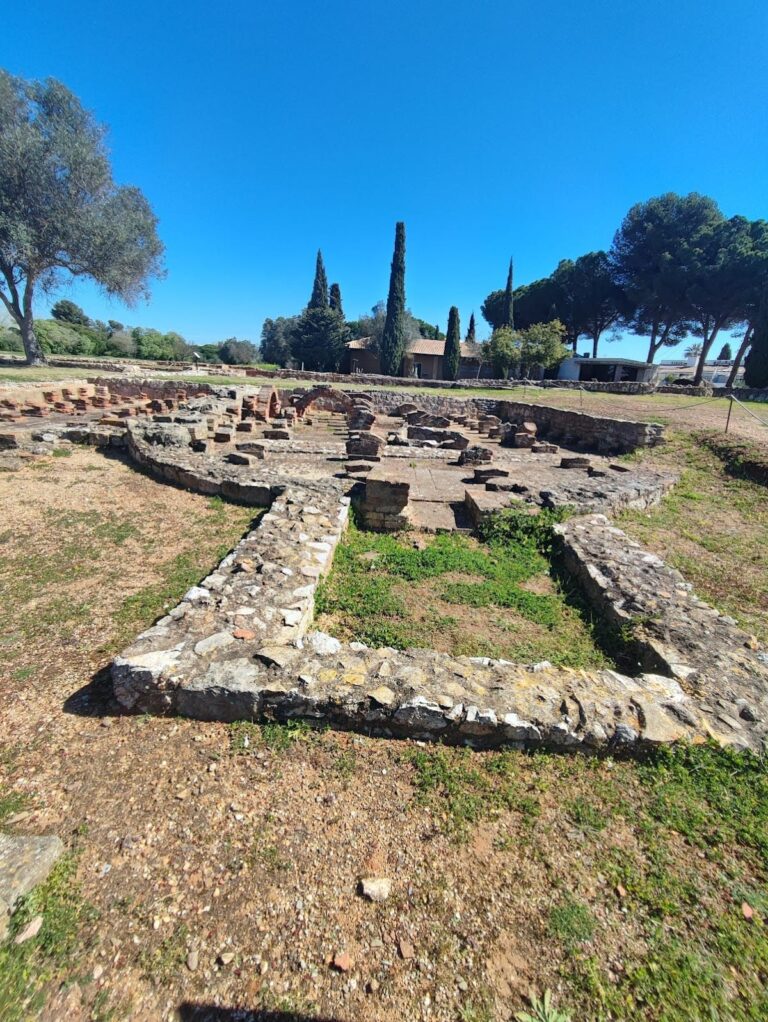
The Castle of Loulé stands in the municipality of Loulé, Portugal, on a site first fortified by the Romans around the 2nd century CE. During the early 8th century, beginning in 715, Islamic rulers established a new fortress over the earlier Roman structure, reflecting the significant Islamic presence in the Algarve region.
In the 11th century, Christian forces led by King Ferdinand of León briefly captured the site, though it remained predominantly under Muslim control until 1249. That year, D. Paio Peres Correia secured the castle as part of the Christian Reconquista, marking a decisive change in control. Following the conquest, King Afonso III took measures between 1266 and 1268 to repopulate the surrounding area, issuing a formal charter, or foral, in 1266 to organize settlement and governance. He also commanded the rebuilding and enlargement of the castle’s defenses, including the addition of a keep tower and multiple fortified gates.
From 1280, the castle and its town came under the influence of the Order of Santiago, a military and religious order active in Portugal’s reconquest efforts. In 1291, King Dinis granted Loulé the right to hold a substantial fair, further establishing it as an important regional center. Throughout the medieval period, the castle functioned both as a military stronghold housing troops within its citadel, known as the alcáçova, and as an administrative hub where civilian affairs were managed within the walled medina.
The castle witnessed notable moments such as the stay of King Peter I in 1359 and that of King Sebastian in 1573, both documented as guests within the castle’s governing quarters. However, following Portugal’s restoration of independence in the 17th century, the castle’s military significance waned. Later, the devastating 1755 earthquake caused serious damage to both the castle and the town, accelerating its decline.
In the centuries that followed, the castle underwent several restoration campaigns, including notable reconstruction during the 15th century led by Henrique de Meneses, who became the first Count of Loulé. The 20th century brought further challenges with the 1969 earthquake causing additional harm. Urban development and the expansion of Loulé from the 18th century onward led to the gradual removal or integration of castle walls into private buildings.
Recognizing its historical value, the castle was declared a National Monument in 1924. Since 1992, the site has been managed by Portugal’s heritage institute, which oversaw the transformation of the former governor’s residence inside the alcadaria into the Municipal Archaeology Museum. Opened in 1995, this museum showcases archaeological discoveries from the castle area and beyond, highlighting the long layers of human occupation that include the Roman, Islamic, and Christian periods. Excavations have revealed the castle was once part of a substantial fortified city during the Almohad era, with defenses enclosing an area larger than that of the nearby regional center of Silves.
Remains
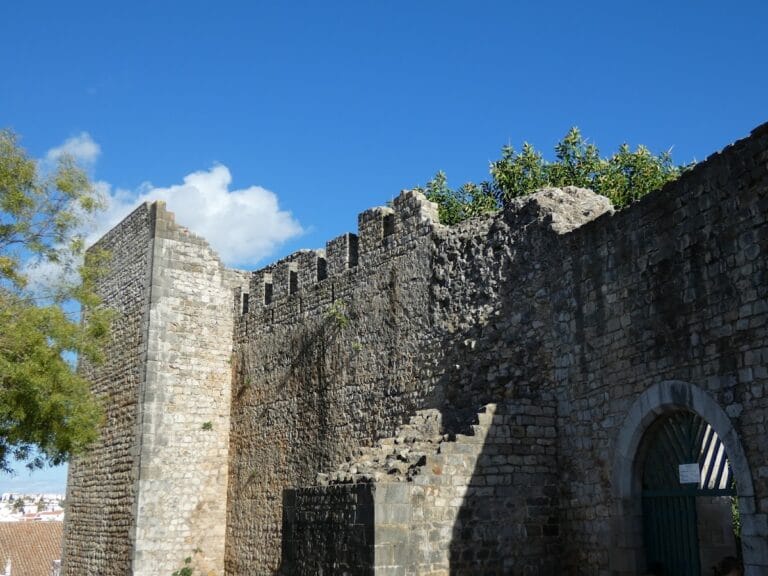
The surviving remains of the Castle of Loulé illustrate a complex structure built primarily of taipa—a form of rammed earth common during the Almohad Islamic period. The walls form a curved line enclosing a considerable area, estimated at around five hectares, sufficient for a significant fortified city.
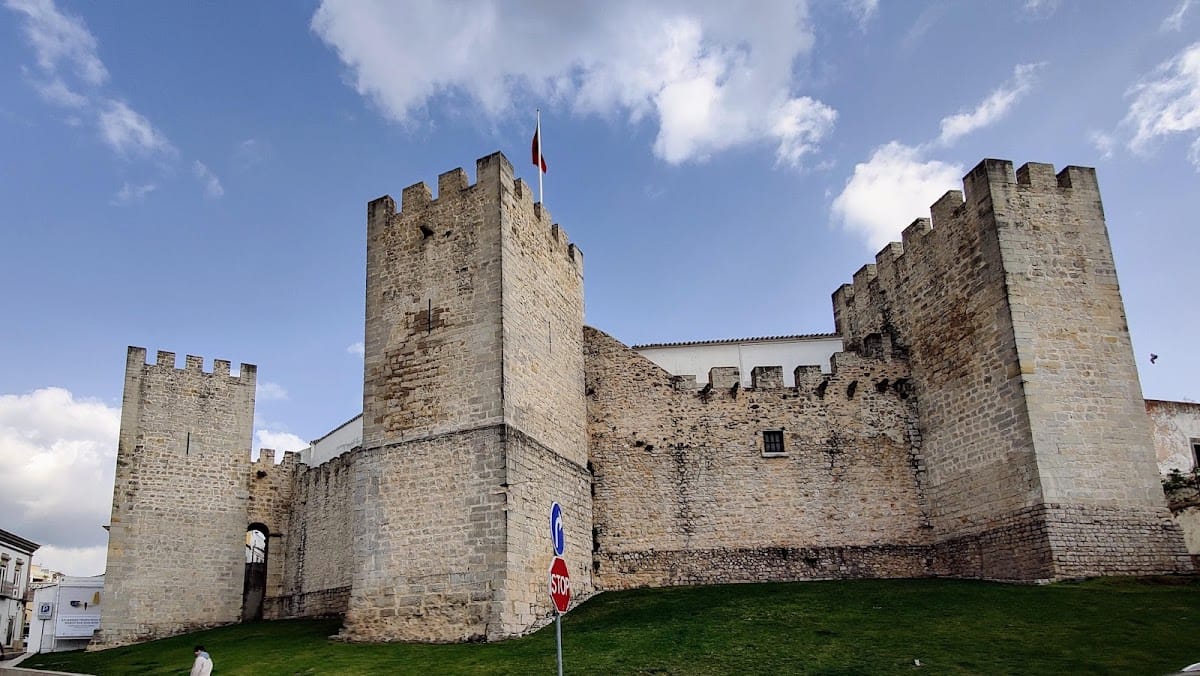
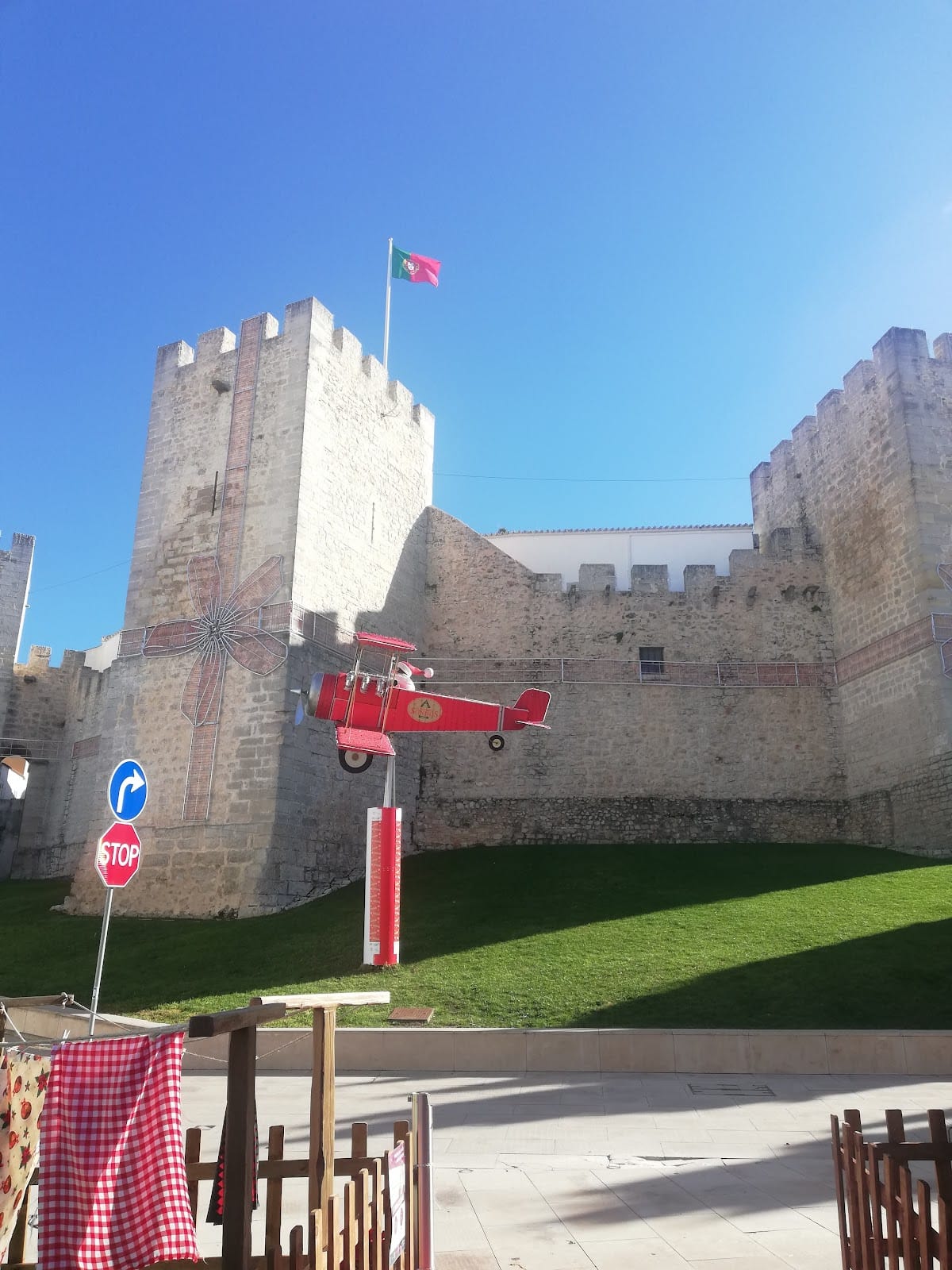
Among the most prominent features are three distinct towers situated along this curved section of the wall. The northernmost tower is an albarrã tower, meaning it stands outside the main wall and is connected back to it by a bridge. This tower, constructed in taipa, exhibits Islamic architectural influences, including its detached position which was a defensive characteristic in such fortifications. It is one of only two albarrã towers known to survive in Loulé. The central tower is attached to the outer face of the wall itself, while the southern tower is rectangular and partly embedded within the wall’s thickness, suggesting different construction phases or functions.
The castle’s walls integrate various gates, though several, like the Porta Nova and Porta da Vila, were demolished during the 19th and 20th centuries. The Porta de Faro to the west retains fragments of Almohad construction, including distinctive features such as bent entrances—known as a “cotovelo” configuration—designed to slow invading forces and improve defense. Archaeological digs at these gates have also uncovered large ceramic Muslim jars, confirming the site’s Islamic heritage.
Inside the former citadel, the alcadaria once housed the castle’s military governor; this area now comprises the Municipal Archaeology Museum. The museum building contains remains from earlier Islamic dwellings, offering insight into the residential aspects of the site during the medieval period. Adjacent to the castle’s keep area, known as the castelejo, a section of the defensive wall supports a two-story structure. Visible from Rua das Bicas Velhas, this building’s ground floor features thick arches believed to support significant superstructures and connects through a courtyard to the southern tower, highlighting the castle’s integration with later constructions.
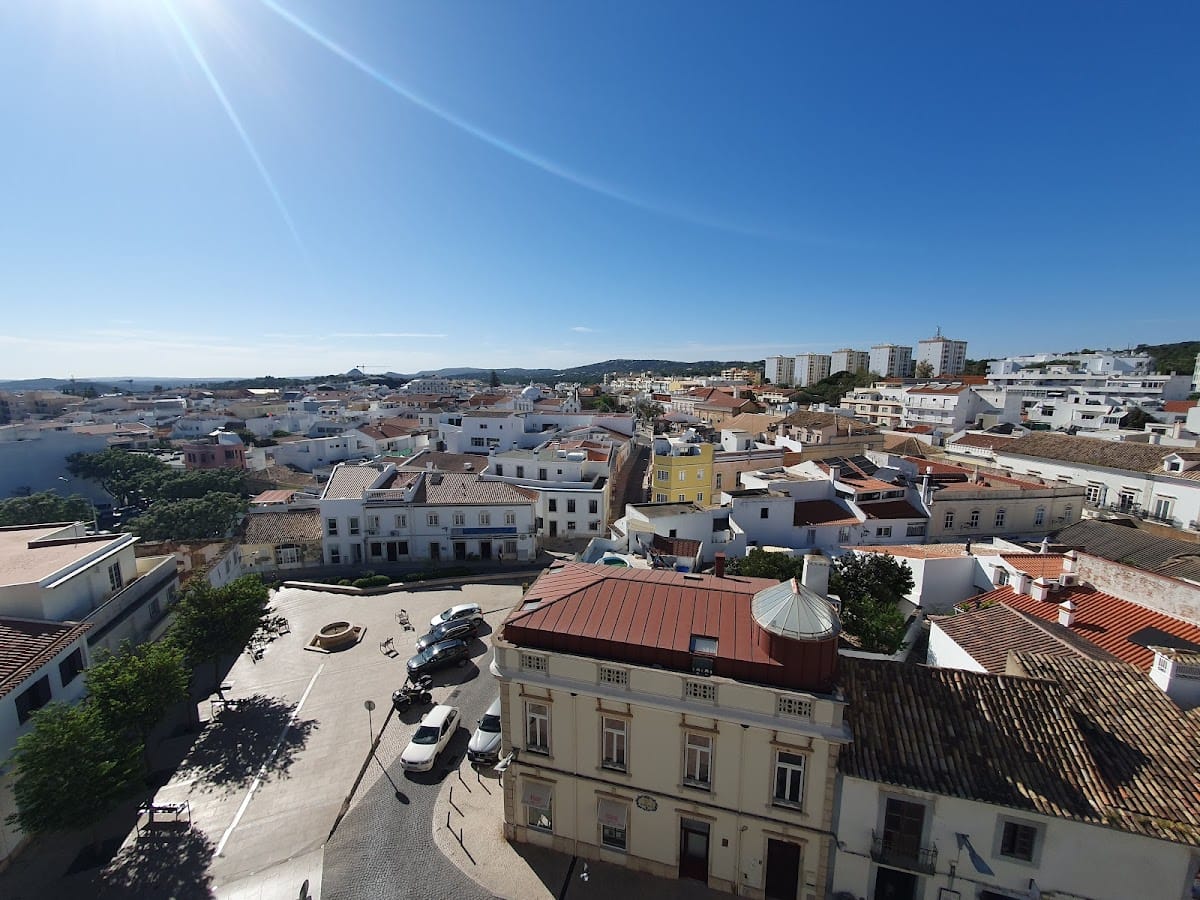
The castle precinct also holds a path of ronda, or wall walk, atop the walls, linking the towers. Although most of the battlements (crenellations) are lost, this walkway suggests how guards once monitored the surroundings. Parts of the castle walls have been absorbed into nearby urban buildings, but fragments remain visible along streets like Rua Martim Moniz, Rua Garcia da Horta, and Rua Duarte Pacheco.
Near the castle, the Church of Loulé incorporates the tower that originally served as the minaret of the Islamic mosque, marking a continuity of religious and architectural use through different periods of occupation.
Throughout the 20th century, conservation efforts by national heritage authorities focused on partially restoring wall sections and towers to preserve the site’s historical fabric. The castle’s visible remains, scattered through Loulé’s historic center, provide a tangible link to its layered past of Roman foundations, Islamic fortifications, and Christian adaptations.
Nearby sites