Benburb Castle: A Historic Fortified Site in Northern Ireland

Visitor Information
Google Rating: 4.4
Popularity: Low
Official Website: benburbpriory.com
Country: United Kingdom
Civilization: Unclassified
Site type: Military
Remains: Castle

History
Benburb Castle is situated in the village of Benburb in Northern Ireland and was established by English settlers in the early 17th century. Constructed in 1611 by Sir Richard Wingfield, an English colonist, the castle served as a fortified position to protect the newly established settlement in County Tyrone.
The castle gained its historical significance during the mid-17th century amid the turbulent Irish Confederate Wars. In 1646, it witnessed the Battle of Benburb, where Irish Confederate forces led by Owen Roe O’Neill secured a decisive victory against the Scottish Covenanter army commanded by General Munro. This battle became well-known in Irish cultural memory, commemorated through an Irish ballad that shares its name and inspiring the naming of a street in Dublin as a tribute to the triumph.
Following the conflict, Benburb Castle entered a new phase under religious auspices. It became affiliated with the Servite Priory, a Catholic religious order, whose local community established their base within the castle grounds. This association has continued, with the priory still occupying the site. During the latter half of the 17th century, the castle’s significance was also echoed in the poetry of Maurice O’Dugan. Living nearby, O’Dugan celebrated the Irish fight for freedom and referenced the castle’s major battle in his verses.
Today, Benburb Castle is formally recognized as a State Care Historic Monument, meaning it is legally protected as an important site for its historical value and architectural heritage.
Remains
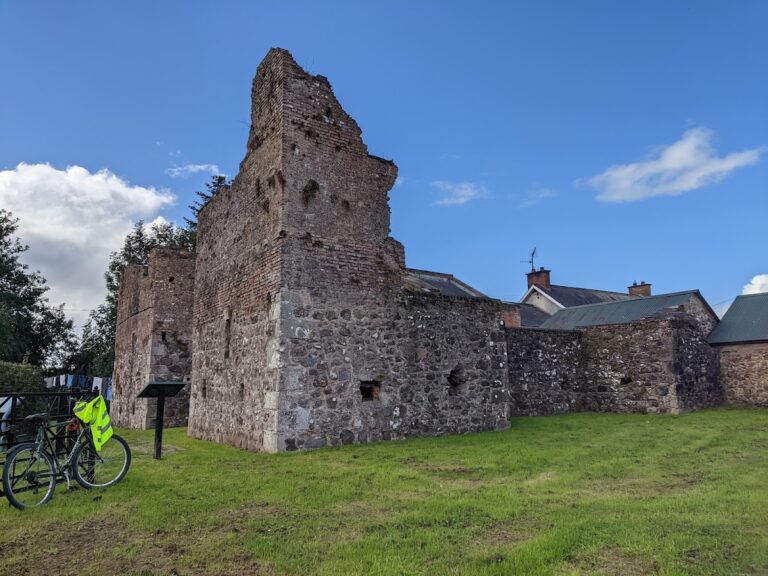
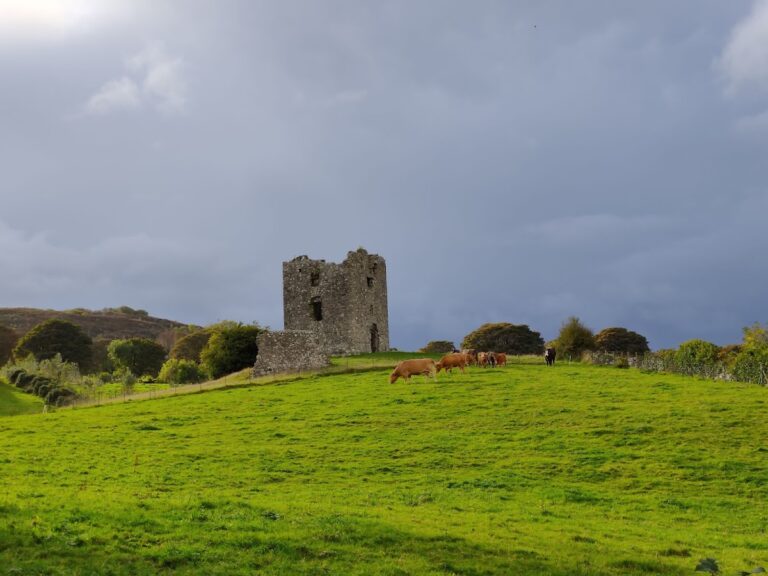
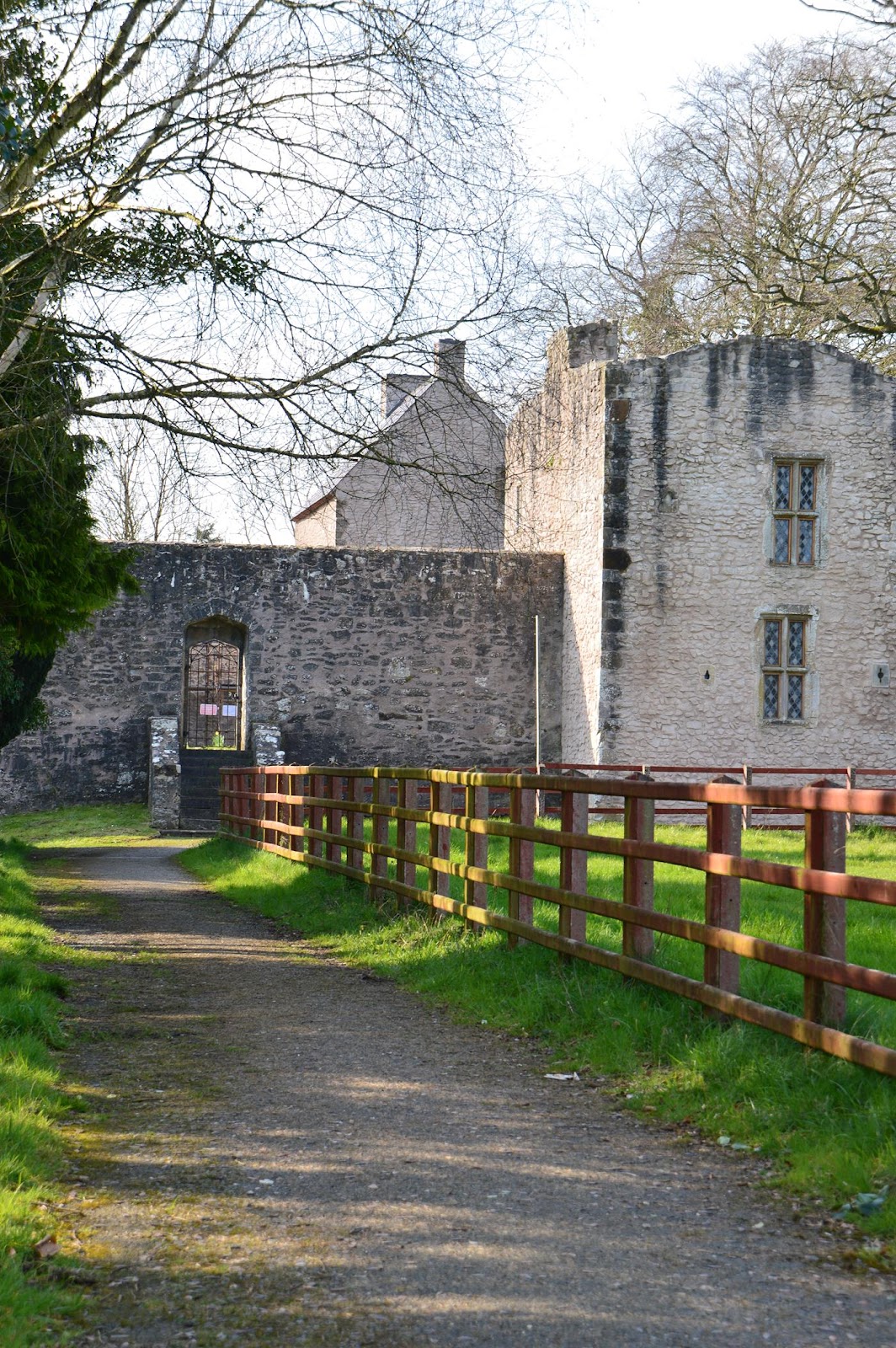
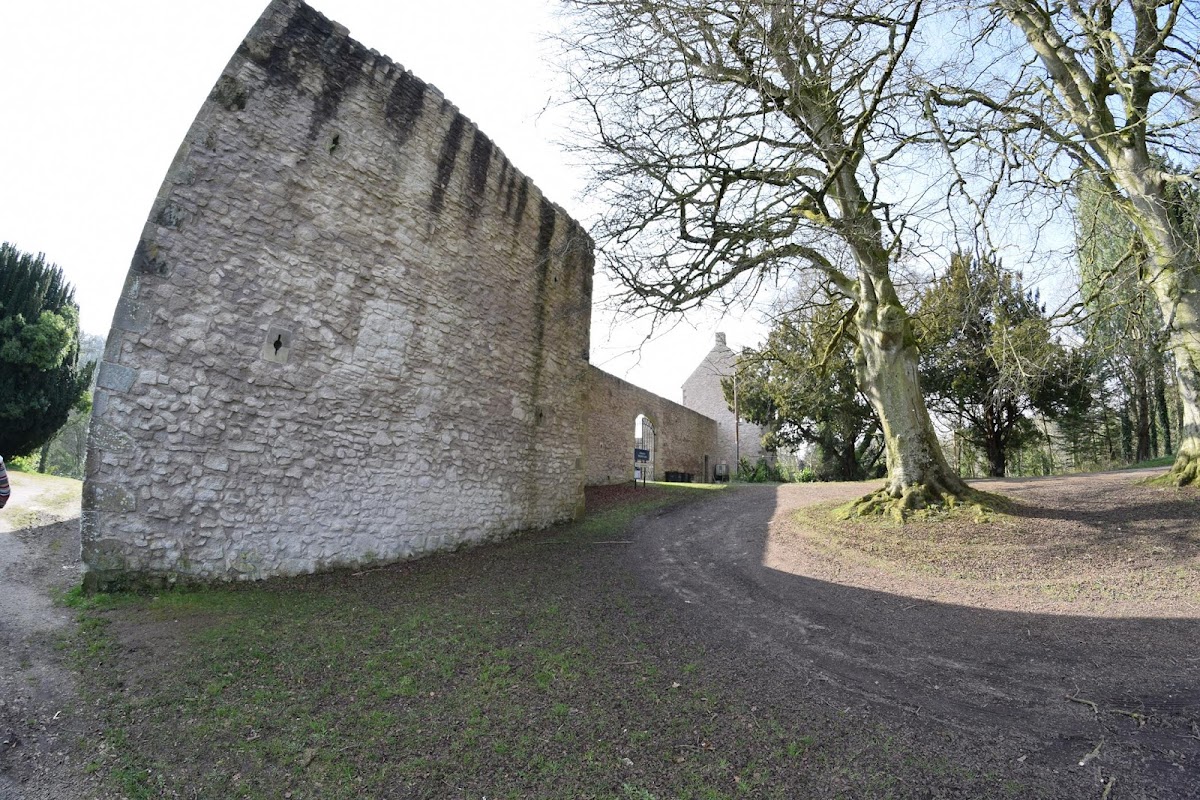
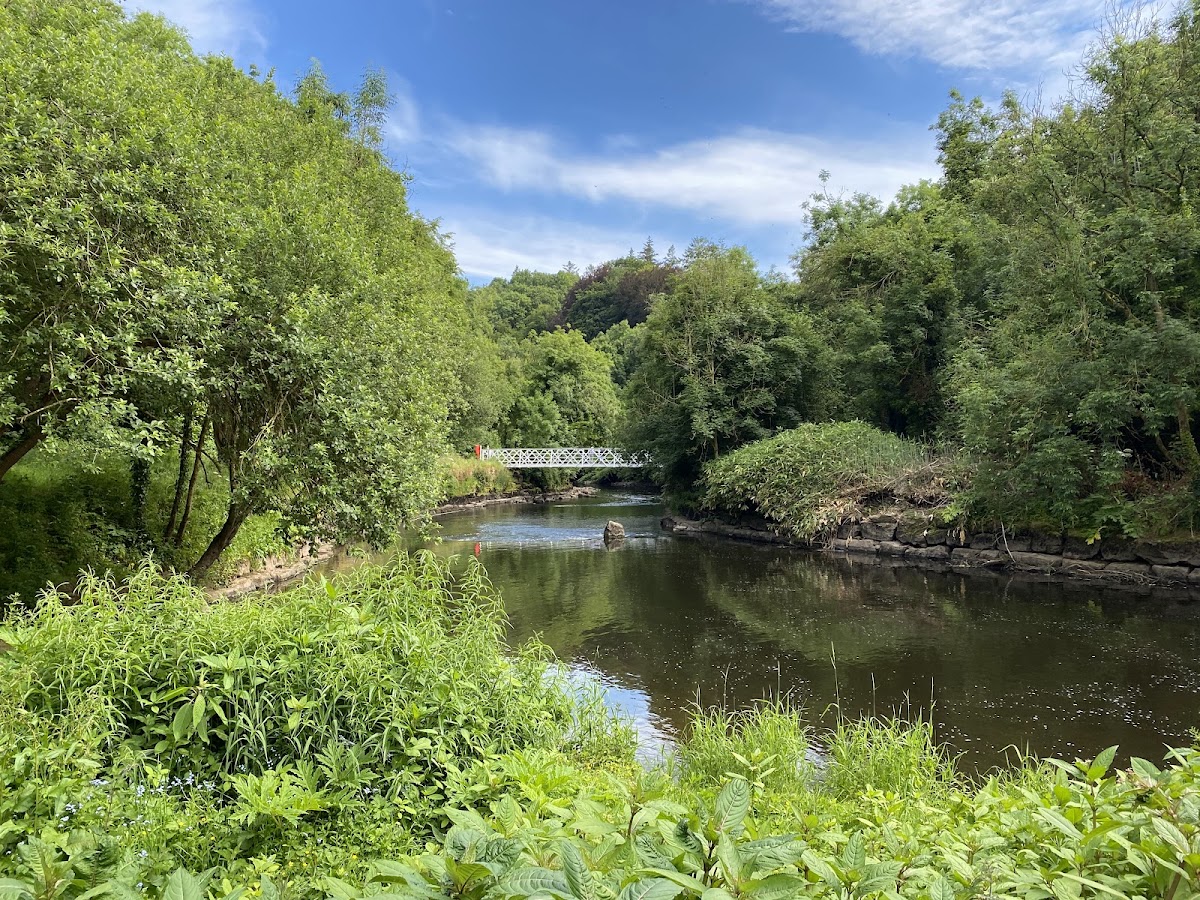
Benburb Castle occupies a commanding position on a limestone cliff overlooking the River Blackwater, a natural boundary between County Tyrone and County Armagh. Its layout consists of an irregular quadrilateral enclosure known as a bawn—this is a defensive wall or courtyard common in Irish castles of the period. The main entrance is located on the northern side, indicating a strategic approach to the site.
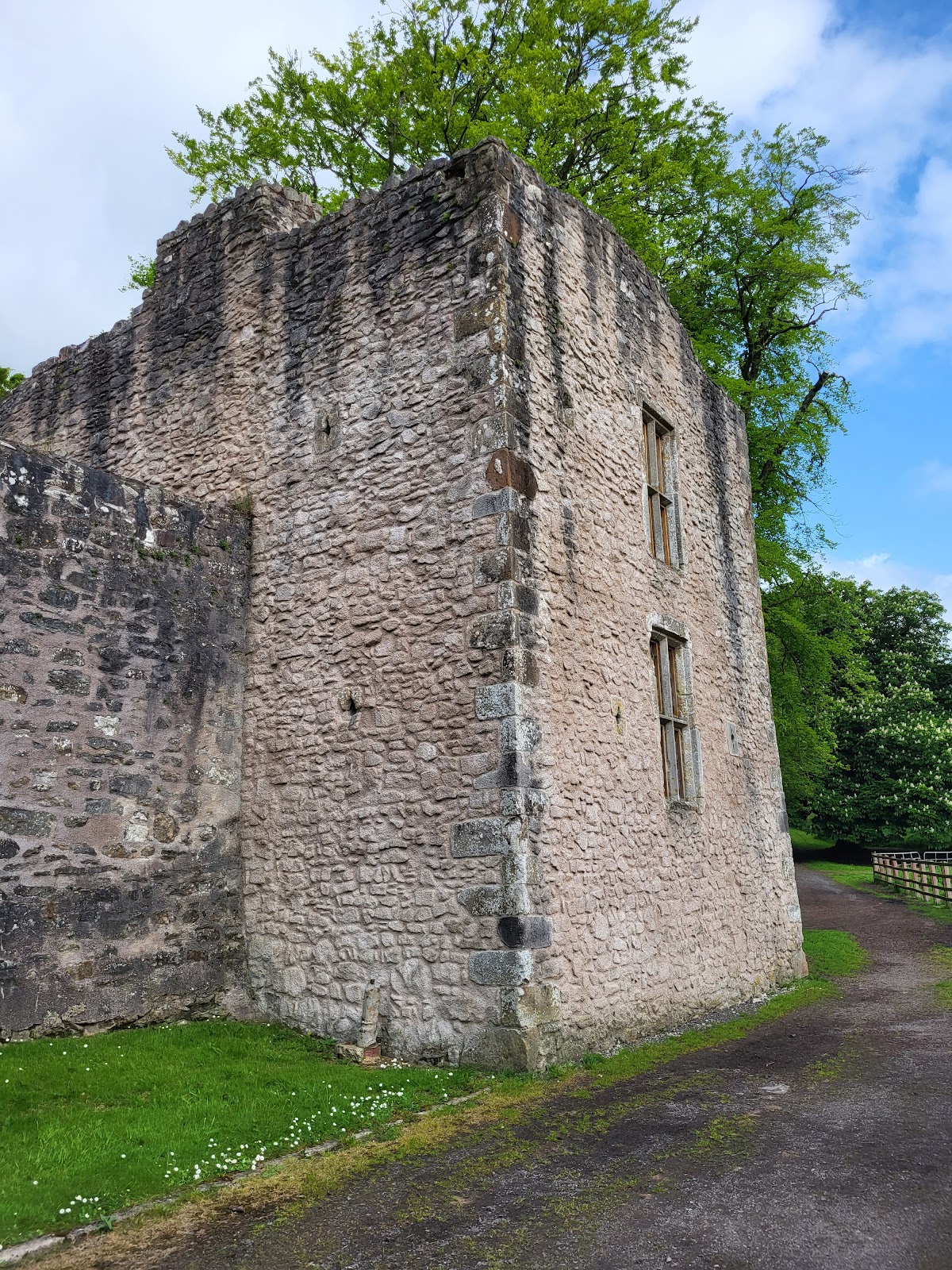
The bawn is fortified by two large rectangular towers located at the northeast and northwest corners, serving as key defensive points to oversee and control access. In addition, a smaller round tower is positioned at the southeast corner, contributing to the castle’s ability to monitor the surrounding landscape. The structure is primarily built from roughly cut limestone blocks, giving it a robust and solid appearance suited to its defensive role.
Within the enclosure, a tower house dating from the 19th century occupies the southwestern section. This later addition reflects modifications to the castle complex centuries after its initial construction. Despite the passage of time, the castle has undergone recent restoration efforts that have brought it into excellent condition. These efforts preserve both the medieval defensive elements and the later architectural features.
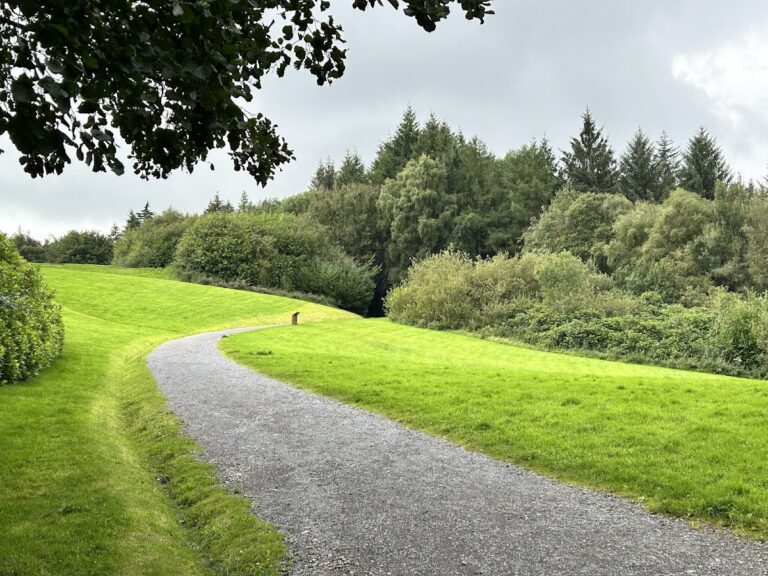
The castle grounds also encompass the Servite Priory, an active religious base integrated into the castle’s overall complex. The site’s elevated position affords commanding views over the river and surrounding lands, which historically enhanced its defensive capabilities and control over movement along this border area.
Nearby sites