Castle Roche: A Norman Frontier Castle in Ireland


Site at a Glance
- Rating
- 4.6
- Popularity
- Low
- Country
- Ireland
- Primary era
- Medieval
- External website
- Open
- Eras represented
- Medieval
- Civilizations
- English, Norman
- Site type
- Military
- Remains
- Castle
On this page8 sections
History
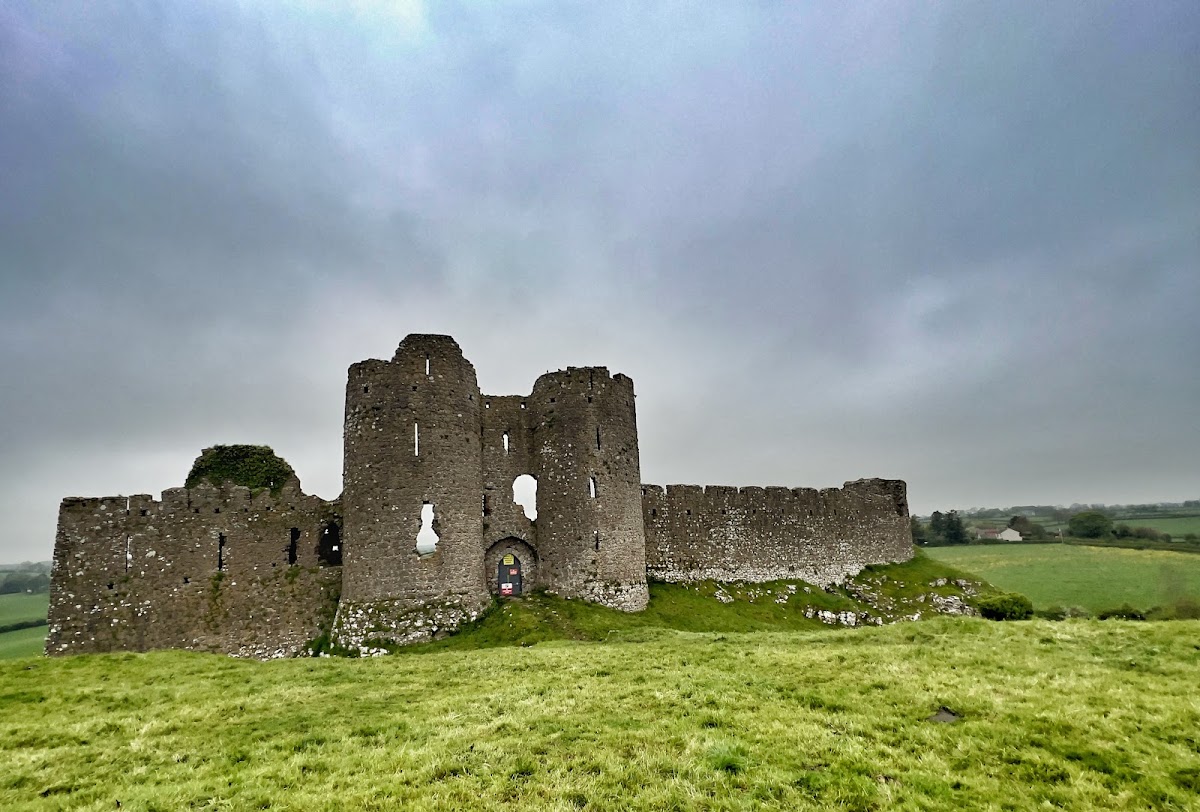
Castle Roche is a Norman castle in Ireland, near Roche in County Louth, built by the De Verdun family in 1236. Set on a frontier between Gaelic Ulster and the English-controlled territory known as the Pale, it guarded the route into the area now called South Armagh and became the family’s seat for several centuries.
The De Verdun family
The family’s Irish presence began with Bertram de Verdun of Alton Castle in Staffordshire, who came to Ireland during Prince John’s first expedition in April 1185. By that year, he had established a manor house on Castletown Mount, and in 1189 he obtained a charter for the town.
Castle Roche is generally associated with Bertram’s granddaughter, Rohesia de Verdun, a medieval Anglo-Norman noblewoman and landholder. She moved to her Irish lands after the sudden death of her husband, Theobald le Botiller, the second Chief Butler of Ireland, while he was travelling in Poitou, France. Rohesia is usually regarded as the person who commissioned the castle, although her son, Theobald John, is thought to have added much of the surviving structure.
Legend and frontier warfare
A local legend portrays Rohesia as a woman of such quick temper that architects were reluctant to work for her. It says that she offered marriage and a share of her wealth to the man who would build the castle according to her wishes. After the building was completed and the wedding had taken place, the story continues, Rohesia pushed her husband from a large bedroom window after inviting him to look across the estate. The opening became known as the Murder Window.
Rohesia later became a nun at Gracedieu Priory in Leicestershire, where she died in 1247. She was buried in Belton parish church, where her effigy may still be seen. In 1316, Nicholas de Verdun was in charge of Castle Roche during the invasion of Ireland led by Edward Bruce, the brother of Robert the Bruce, king of Scots.
The castle continued to serve military and political purposes. English forces in Ireland assembled there in 1561. During the Irish uprising of 1640, its lords supported the rebels and flew the flag of the Irish Confederation from the castle. English forces associated with Oliver Cromwell, the seventeenth-century English political and military leader linked with the conquest of Ireland, destroyed Castle Roche in 1641. It was not rebuilt and has remained a ruin. The site is protected as a National Monument of Ireland, a historic or archaeological place safeguarded by the Irish state because of its national heritage importance.
Remains
Hilltop castle
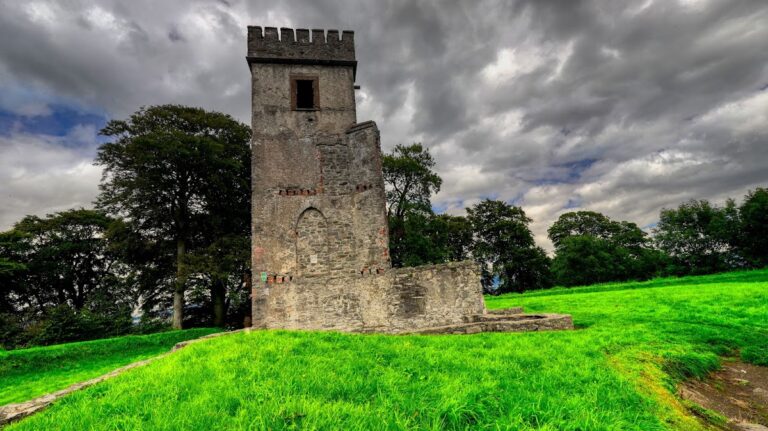
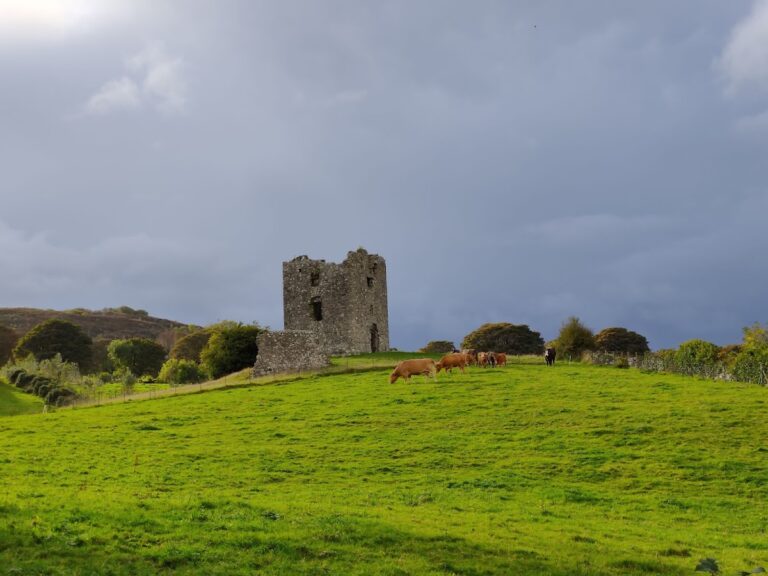
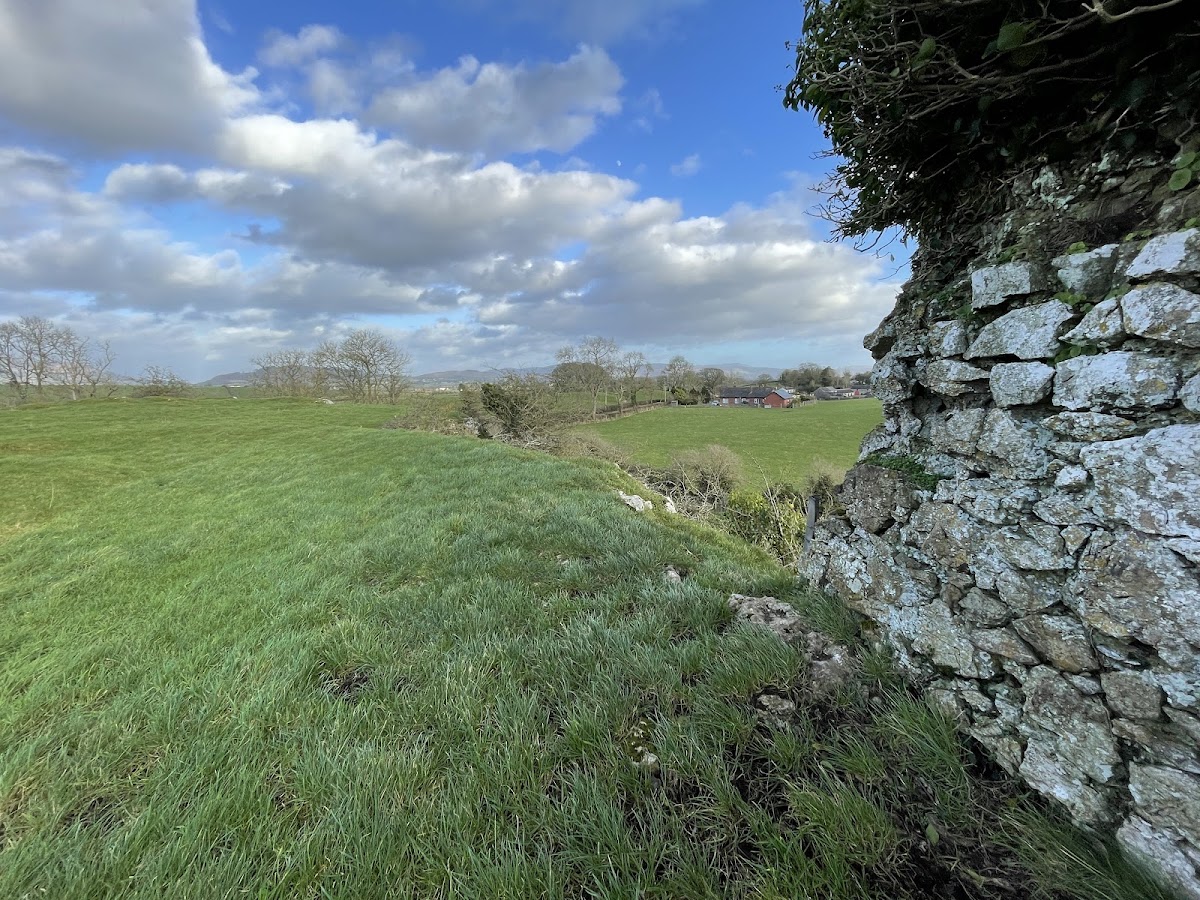
Castle Roche occupies a large rocky outcrop at an elevation of approximately 42 metres. The hilltop position commands extensive views over the surrounding countryside and formed part of the castle’s frontier setting. Built in the Norman style with rubble stone, the castle had strong walls and a deep moat that gave it formidable defensive strength. A secret passage once connected the castle with an outpost in a nearby round tower.
Associated features
The Murder Window
The large bedroom or west window is identified with the Murder Window of Rohesia de Verdun’s legend. Its association with the story of her husband’s death has given the surviving opening a distinctive place in local tradition.
St. Ronan’s Well
St. Ronan’s Well is a nearby feature associated with St. Ronan. It forms part of the group of historical features connected with the castle’s surrounding landscape.