Tower of Villañañe: A Historic Visigothic Fortress in Spain

Visitor Information
Google Rating: 4.5
Popularity: Low
Google Maps: View on Google Maps
Official Website: web.araba.eus
Country: Spain
Civilization: Unclassified
Remains: Military

History
The Tower of Villañañe is located in the village of Villanañe in Spain and was constructed under the influence of the Visigothic civilization. According to tradition, a Visigoth admiral named Ruy Pérez commissioned the tower’s construction around the year 680, drawn by the site’s strategic advantages. Some local legends suggest this tower served as an initial stronghold in the centuries-long Christian Reconquista aimed at reclaiming territory from Muslim rule.
The building became the seat of the Varona family from the 15th century onward, maintaining continuous ownership through the generations. The Varona lineage played an active part across multiple historical conflicts in Spain, notably during the struggles between the Kingdoms of Castile and Aragon and later the Carlist Wars of the 19th century. Members of this family held influential positions within regional governance; for example, Pedro Barona served as Chief Justice of Álava between 1855 and 1858, linking the site closely to political and judicial affairs of the area.
Throughout its history, the Tower of Villañañe formed part of a larger complex that included a church and gardens, which were recognized for their cultural importance by Spanish heritage laws during the mid-20th century and later received formal protection from the Basque Government in 2002. The tower and its associated buildings have therefore been preserved not only as a family residence but also as a historic monument reflecting the region’s layered past.
Remains
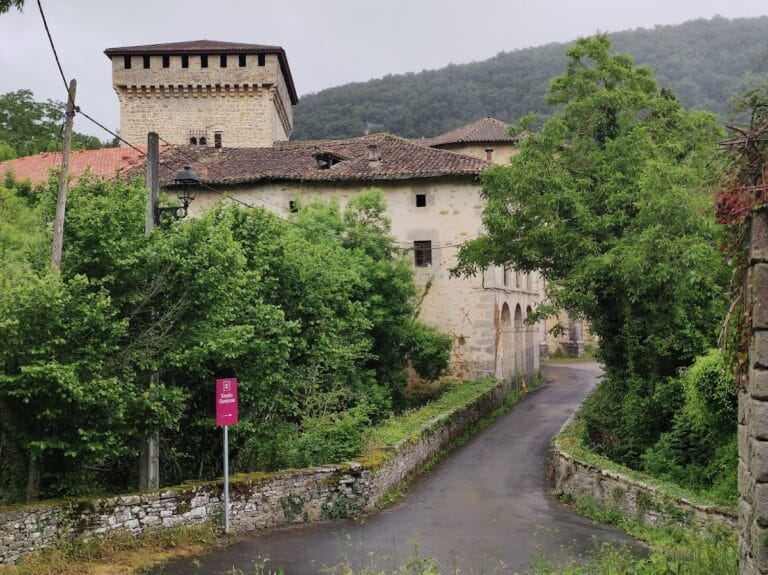
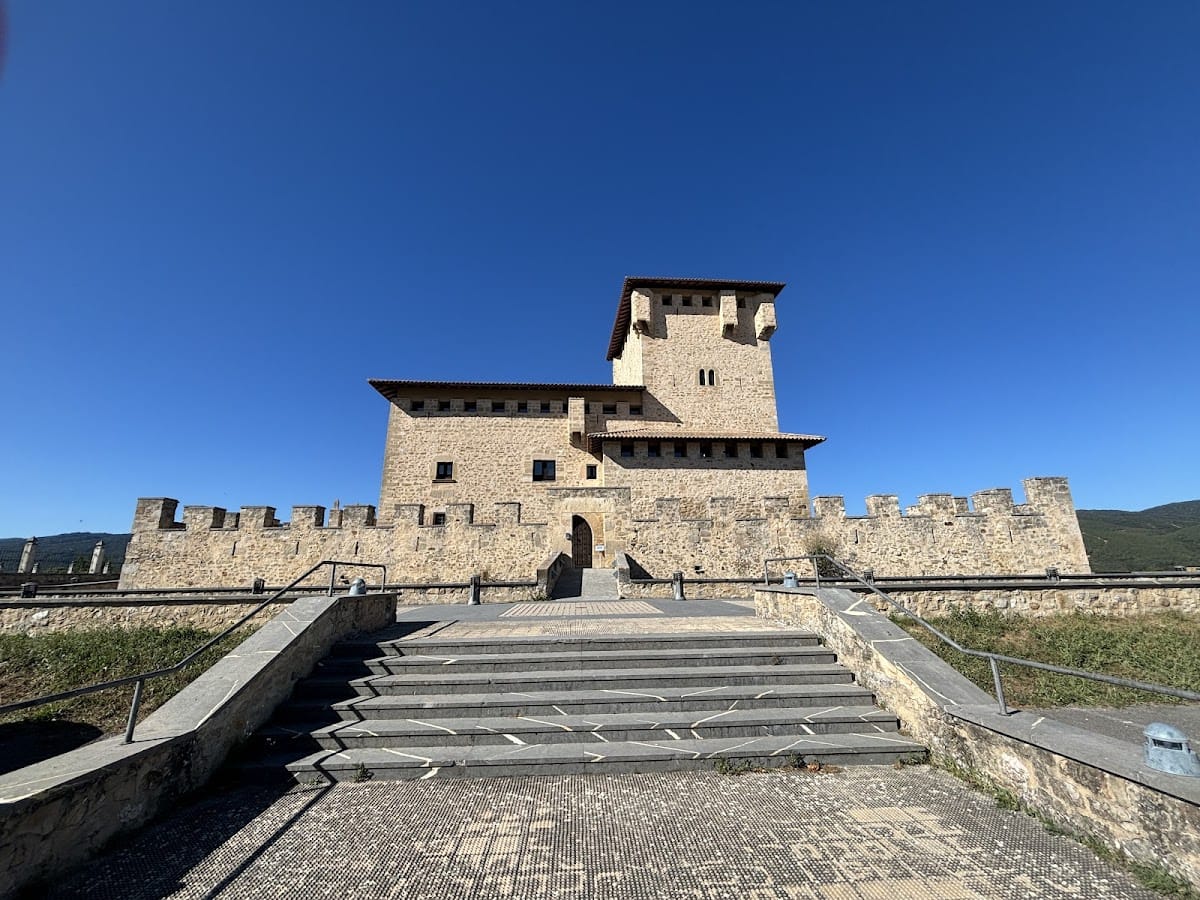
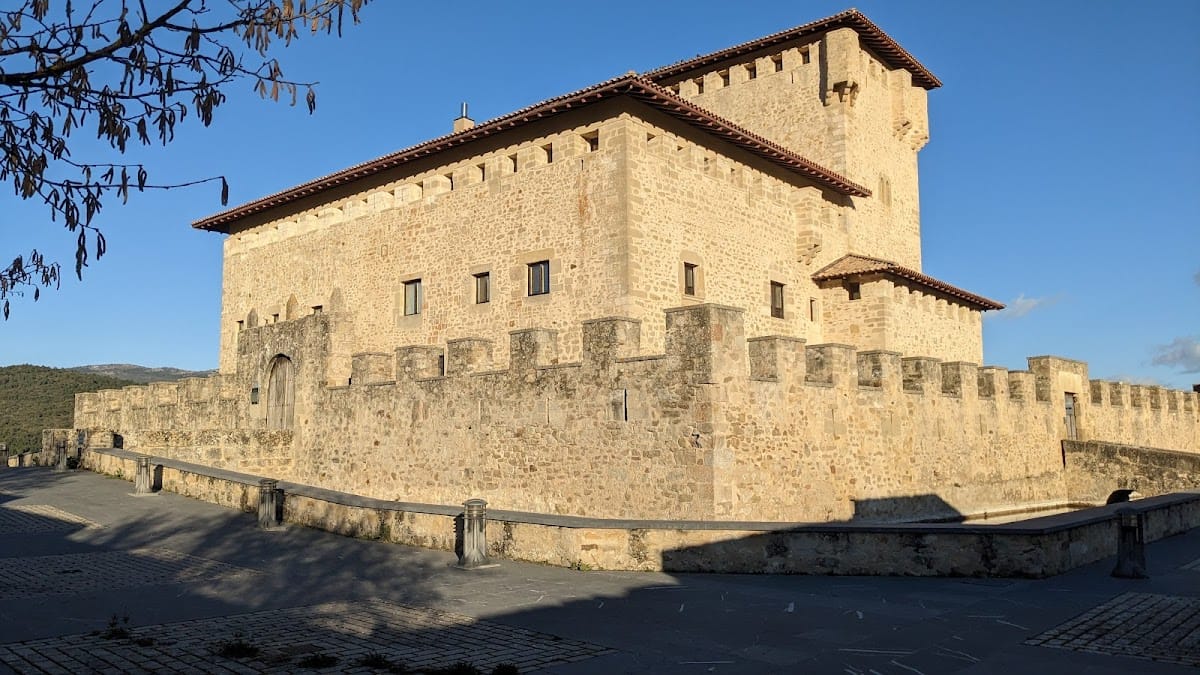
The Tower of Villañañe stands as a masonry fortress featuring a square footprint close to 10 meters on each side and rising across four levels including the ground floor. Its corners are reinforced with finely dressed stones known as ashlar, a technique that enhances the tower’s strength and durability. The structure is topped with battlements—defensive parapets that allowed defenders to observe and repel attackers—and covered by a sloping four-sided tile roof supported internally by a modern metal framework.
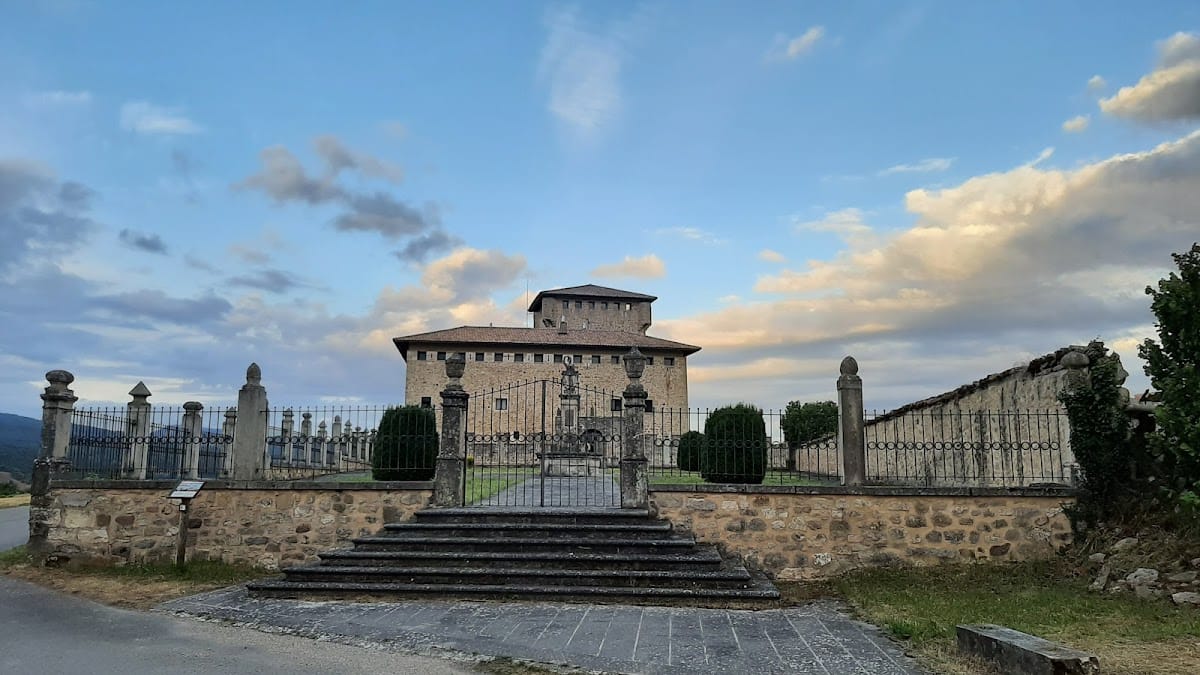
A prominent defensive system surrounds the tower, including a crenellated barbican, walls fitted with narrow vertical openings called arrow slits for archers, and a water-filled moat. This moat is particularly noteworthy as the only surviving moat in Álava, though parts of it on the north and east sides have been lost over time. Entry to the complex occurs by crossing bridges and passing through fortified gates situated above the moat, emphasizing the site’s military function during periods of conflict.
Adjacent to and enclosing the tower are palace buildings that run along its northern and western sides. The main entrance lies to the south, marked by a pointed arch doorway featuring two curved stones known as voussoirs forming this arch. A smaller door on the eastern side likely served a utilitarian role, perhaps as an access point for storage. Internally, the ground floor provides connectivity between the tower and palace, while the upper floors of the tower are reached by a contemporary stairway leading to the battlements.
Within the palace, a central courtyard contains a decorative mosaicked floor made from river stones arranged into a twelve-petaled flower pattern. This design functions both as an ornamental feature and as a source of light and ventilation in a building characterized by limited external openings. The interiors preserve various traditional elements, including a distinct “Kixote Room” adorned with 17th-century Talavera ceramics illustrating scenes from the famous novel Don Quixote. Other rooms feature black-and-white allegorical murals depicting Spanish provinces, trades, and scenes representative of the period.
Structural restorations have maintained original stone columns that display fine carved details, and wooden beams have been partially restored or supported with metal columns to reinforce the palace’s roof. In a newer section on the second floor, a more open floor plan accommodates battlemented windows, which serve as the sole natural light source there. This upper level is considered suitable for housing exhibitions or museum spaces.
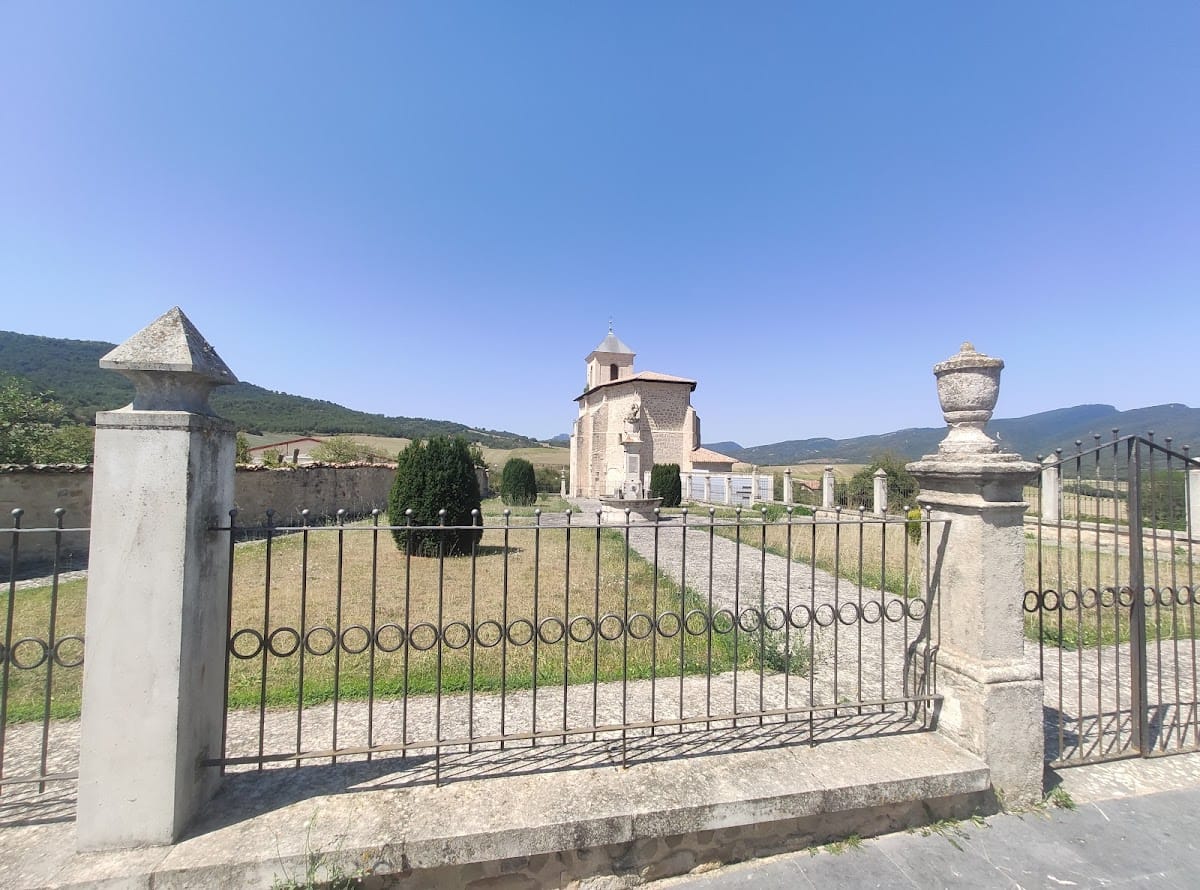
The complex also incorporates historically protected gardens and the nearby Church of the Annunciation of the Virgin Mary. Together with the tower, these elements form a designated cultural monument recognized for their historical and architectural significance. Preservation efforts by the Provincial Council of Álava have carefully conserved original interior features including furniture, wallpapers, and ceramics once owned by the Varona family, maintaining the site’s authentic character for contemporary study and appreciation.
Nearby sites