Torre Cera: A Medieval Watchtower in Jerez de la Frontera, Spain

Visitor Information
Google Rating: 4.2
Popularity: Very Low
Country: Spain
Civilization: Unclassified
Site type: Military
Remains: Castle

History
Torre Cera is a medieval watchtower located in the municipality of Jerez de la Frontera, Spain. It was constructed by the civilizations present in the Iberian Peninsula during the 12th century, a period marked by a complex overlap of Muslim and Christian powers.
Following the Christian reconquest of the area under King Alfonso X in the 13th century, the tower gained particular strategic importance. It formed part of a broader defensive network designed to secure the territory surrounding Jerez de la Frontera, which was a key location during the Christian consolidation of southern Spain. These fortifications helped assert control over a landscape dotted with small villages and valuable agricultural resources.
Some historians propose that the surrounding region could correspond with ancient place names such as “Xera” and “Ceret,” suggesting earlier settlements or cultural layers beneath or near the medieval structures. This raises the possibility of a longer continuum of occupation at the site before and after the tower’s construction.
Remarkably, the area around Torre Cera yielded a prehistoric artifact: a cylindrical idol dating back approximately 5,000 years to the Copper Age, also known as the Eneolithic period. This find indicates human presence in the region thousands of years before the tower’s erection and highlights the multi-layered historical significance of the hilltop location where Torre Cera stands. Today, this idol is preserved in the Archaeological Museum of Jerez de la Frontera.
The site has been officially recognized for its cultural and historical value through its inclusion in the Bien de Interés Cultural registry, ensuring its protection as part of Spain’s heritage.
Remains
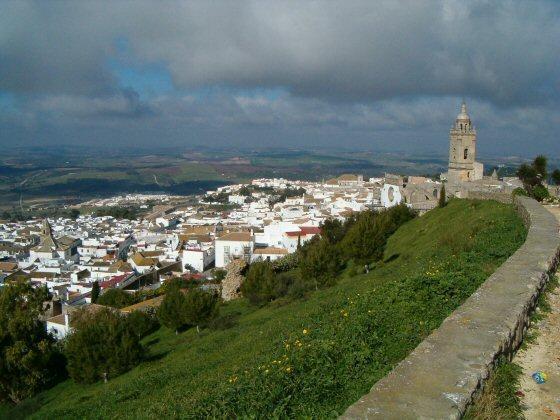
Torre Cera sits on a prominent hill that overlooks the village of Torrecera and the wider Cádiz province. The elevated position was chosen intentionally to provide a vantage point for surveillance and control over the surrounding terrain, including the “Salinas de Fortuna” salt flats below, an economically significant resource.
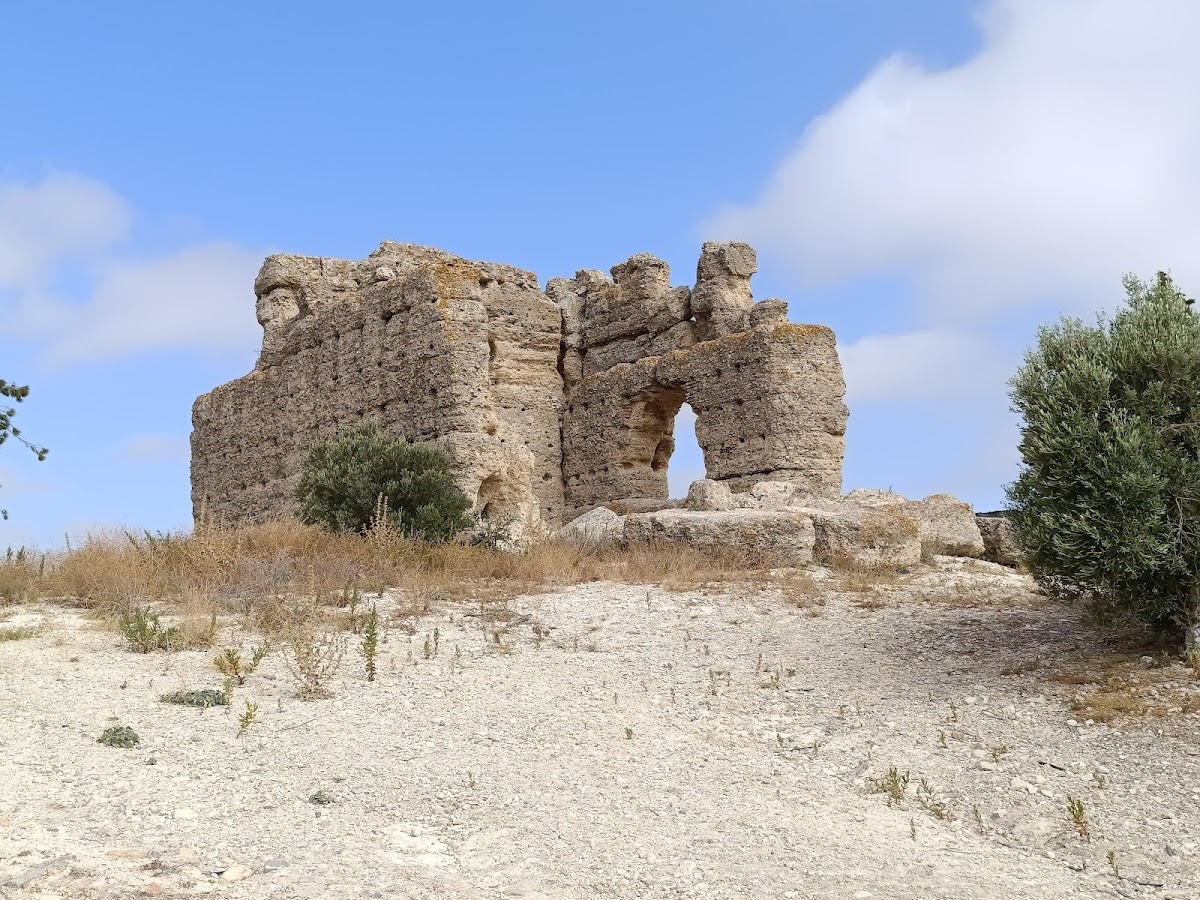
The tower itself now survives only in ruins, with fragments of its walls and sections of the original watchtower structure still visible. Built in the 12th century, these remnants reflect typical construction practices of the time, incorporating materials such as lime mortar, sand, stone, and flint. The combination of these materials provided both strength and durability necessary for defensive purposes.
The ruins stand within the bounds of the Cortijo de Torrecera estate, an area currently known for wine production. Visitors to the site can observe the remaining walls and tower base, which offer a glimpse of the castle’s former role as a lookout point.
While the structure shows the wear of centuries, the surviving fragments still convey its original function as a fortification that monitored routes and controlled access to the area. There are no documented modifications or extensive rebuilding phases following its initial construction, leaving the existing ruins as a direct testament to its medieval origins.
Nearby discoveries, such as the ancient cylindrical idol, enrich the historical narrative of the hill. Although this artifact is not part of the tower remains, its presence hints at the long-standing human interest in the site, predating the construction of Torre Cera by several millennia.
Nearby sites