Sora Castle: A Medieval Fortress in Spain

Visitor Information
Google Rating: 4.5
Popularity: Very Low
Google Maps: View on Google Maps
Country: Spain
Civilization: Unclassified
Remains: Military

History
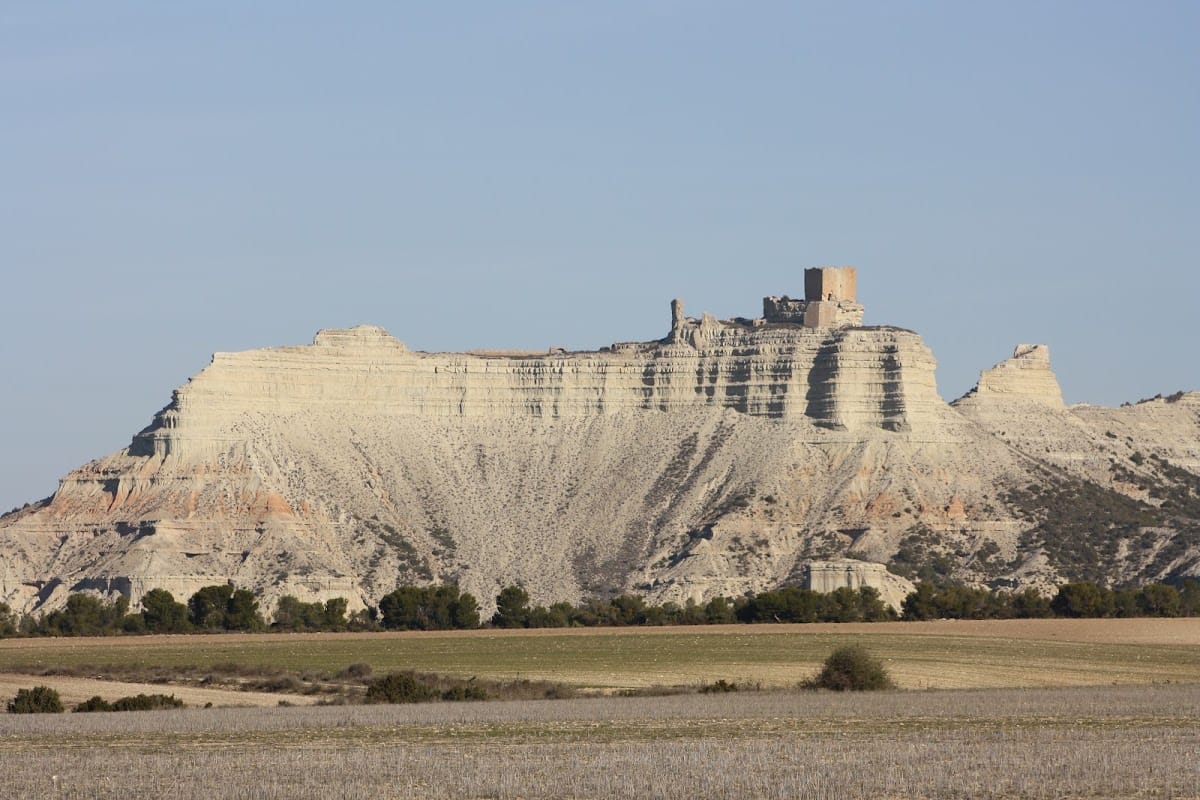
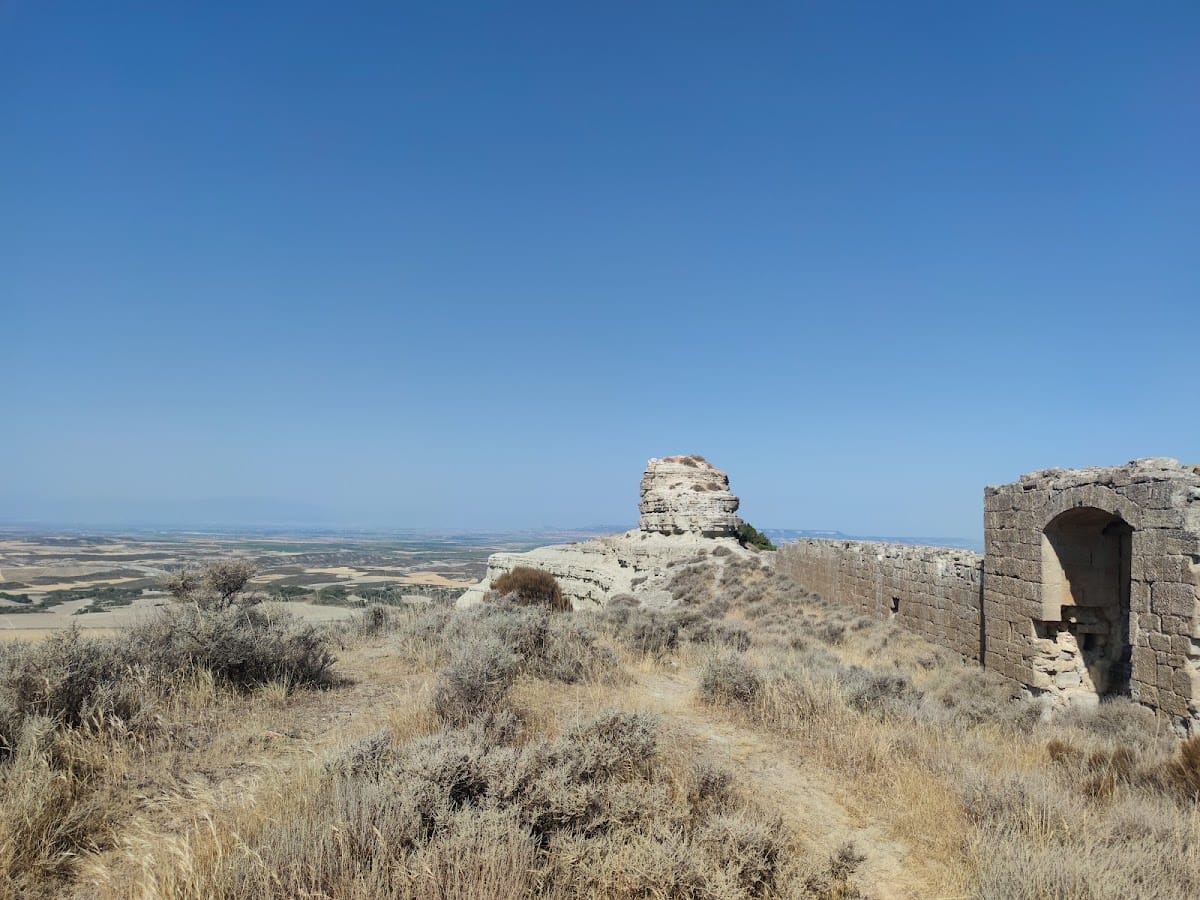
Sora Castle is a medieval fortress positioned near the village of Castejón de Valdejasa in Spain. Its origins trace back to the period of Islamic control over the Iberian Peninsula, when it was first established as a defensive site on Mount Guarizo. This location was chosen for its strategic advantage, overlooking a wide expanse from the foothills of the Pyrenees down to the Ebro valley. The fortress was part of the frontier region known as the “Marca Superior” under Al-Andalus and came under the rule of the Banu Qasi family during the ninth century. This powerful family governed the area with considerable independence, navigating between Muslim and Christian powers.
During the early 12th century, the castle remained a stronghold resistant to Christian expansion. It notably withstood attempts to be taken by King Sancho Ramírez of Aragon. However, in 1105, it fell to King Alfonso I, marking one of his initial military successes in the Reconquista. Later, in 1243, King James I of Aragon transferred control of Sora Castle to the Count of Luna, beginning a two-century tenure by the Luna family. Ownership then passed to the Gurrea family in 1430, who held the title of Dukes of Villahermosa and continue to be recognized as the castle’s custodians today.
The castle remained inhabited until approximately the 18th century and was involved in military operations as late as the War of the Spanish Succession. Additionally, it served a political role as a prison, where Violante de Luna, abbess of Loarre, was detained during conflicts within the region. Over time, while its military importance diminished, Sora Castle retained its role as a symbol of power for the noble families connected to it.
Remains
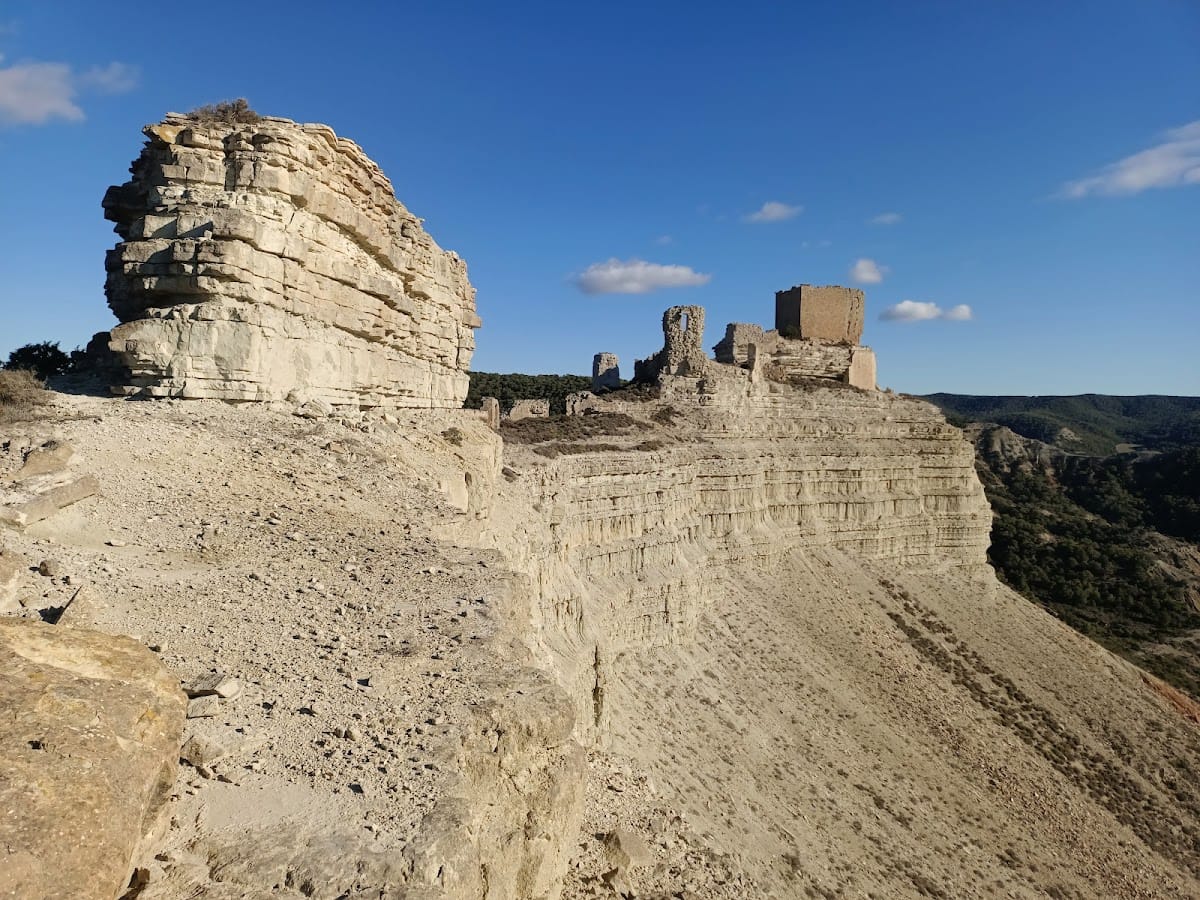
Sora Castle is perched atop a steep rock, adapting its irregular layout to the natural surface of Mount Guarizo. The fortress exhibits a blend of Islamic and Christian architectural influences, constructed predominantly from masonry and plaster. Its defensive walls, reinforced with buttresses, enclose the perimeter and are complemented by sturdy towers positioned above sheer cliffs on the southern, eastern, and western edges. Access is primarily from the northern side, where a winding path leads to the entrance fortified with concentrated defensive works. Here, a large masonry wall preserves a distinctive door characterized by a semicircular arch topped with dovetail-shaped battlements, designed for protection against attacks. A row of embrasures—narrow openings for artillery—along this northern wall reflects the castle’s active use into the early 1700s.
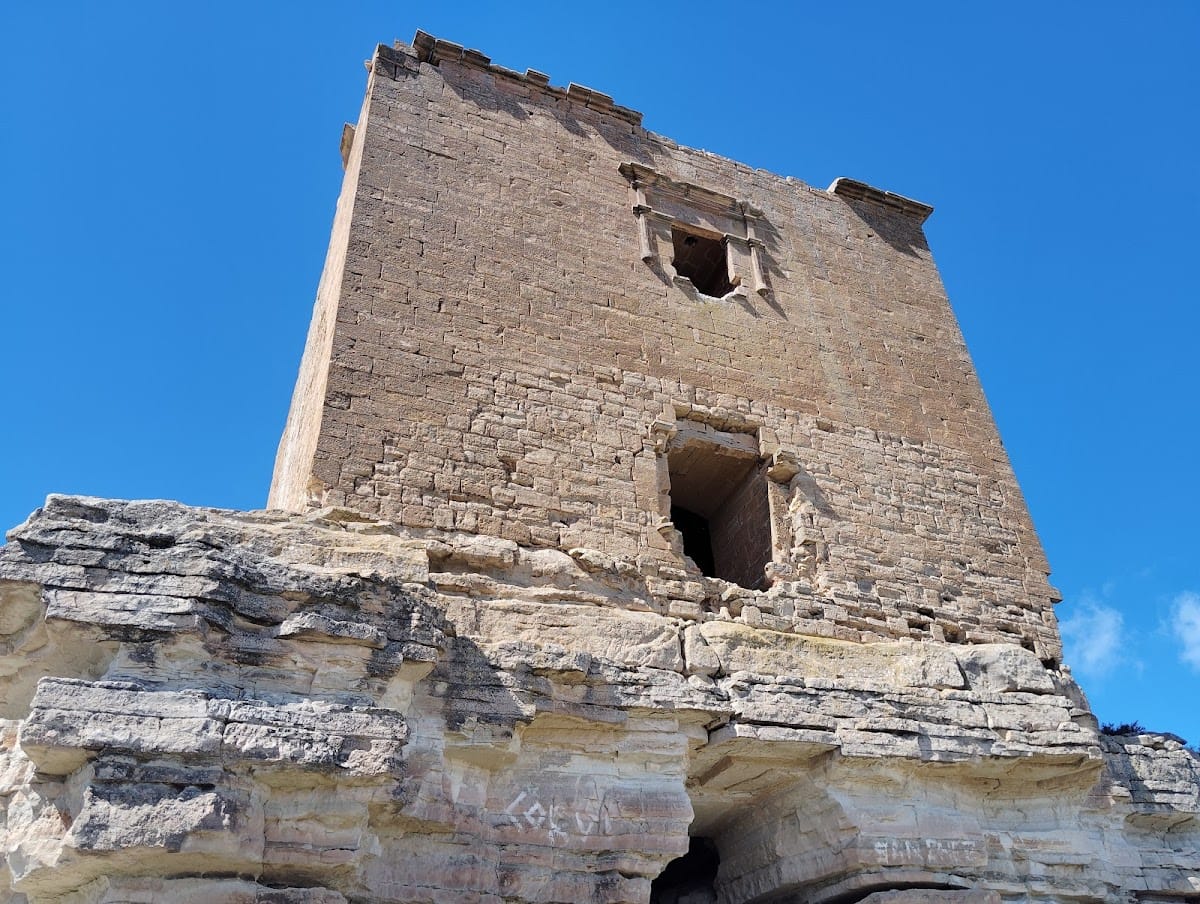
Within the fortress, the upper enclosure houses two independent towers that mark the original Islamic construction core. One tower is square in shape, while the other is elliptical, both constructed with masonry and plaster techniques typical of the period. Among these older structures, the “Homage Tower” stands out as a prominent feature, built with a square plan during the Christian era, serving as a symbol of feudal authority. The castle also includes a Romanesque tower from the medieval Christian period and an eastern wing that was later added in Renaissance style, illustrating the site’s evolution over centuries.
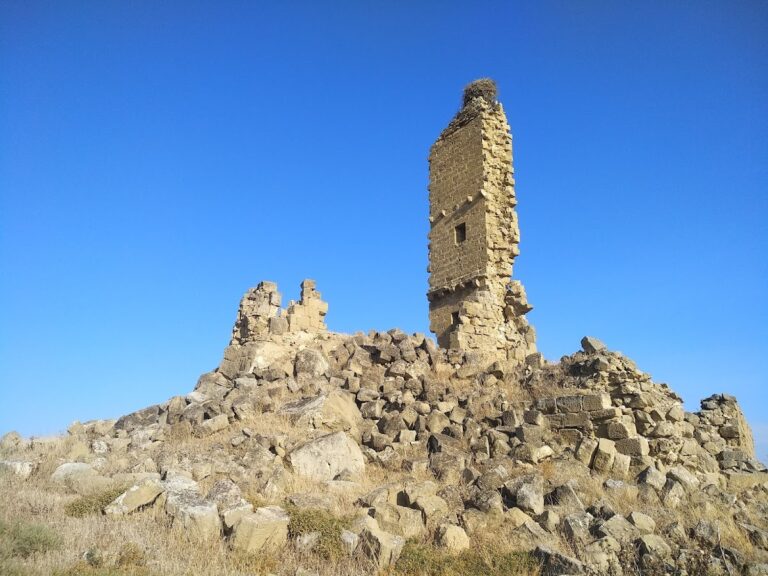
One notable element inside the fortress is a large cistern made with concrete, coated in red ochre to make it waterproof. This cistern was vital for collecting and storing water, ensuring the fortress’s endurance during sieges. Approximately one hundred meters northeast of the main enclosure lie the remains of a small fortified tower. Though structurally independent from the main castle, this tower was part of the broader defensive system guarding the area. Today, the ruins of Sora Castle maintain an imposing presence, visible from the road nearby and conveying the site’s historical role as a nearly impregnable stronghold.
Nearby sites