Noheda Roman Villa: A Late Roman Rural Estate in Spain


Visitor Information
Google Rating: 4.7
Popularity: Low
Google Maps: View on Google Maps
Official Website: www.villanoheda.org
Country: Spain
Civilization: Roman
Remains: Domestic

History
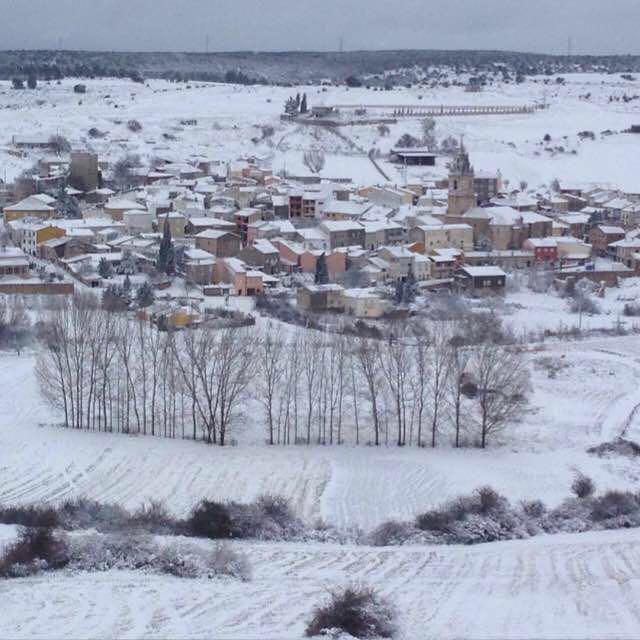
The Roman villa of Noheda is situated near the village of Noheda within the municipality of Villar de Domingo García, in the province of Cuenca, Spain. It was constructed during the late Roman period as a rural estate. The villa is possibly connected to the ancient settlement known as Urbiaca, although the precise location of this settlement remains uncertain among scholars.
Ownership of the villa is attributed to a wealthy lineage from the nearby Roman city of Segóbriga. Notably, the estate may have belonged to Manio Octavio Novato, a praefectus fabrum (a military engineering officer), and his son, who attained senatorial rank. The family name “Novata” is believed to have influenced the villa’s later toponymic evolution. Over time, the original Latin name underwent linguistic transformation through Andalusian Arabic as “Nuwata,” eventually becoming “Noheda” in contemporary Spanish.
The site remained undiscovered until 1984 when the Lledó family uncovered it accidentally during agricultural plowing. Despite this initial find, systematic archaeological excavations did not commence until December 2005. These were conducted first by the Instituto del Patrimonio Histórico de España and subsequently by the regional government of Castilla-La Mancha. Administrative challenges delayed public access to the villa, which was only opened in July 2019.
Remains
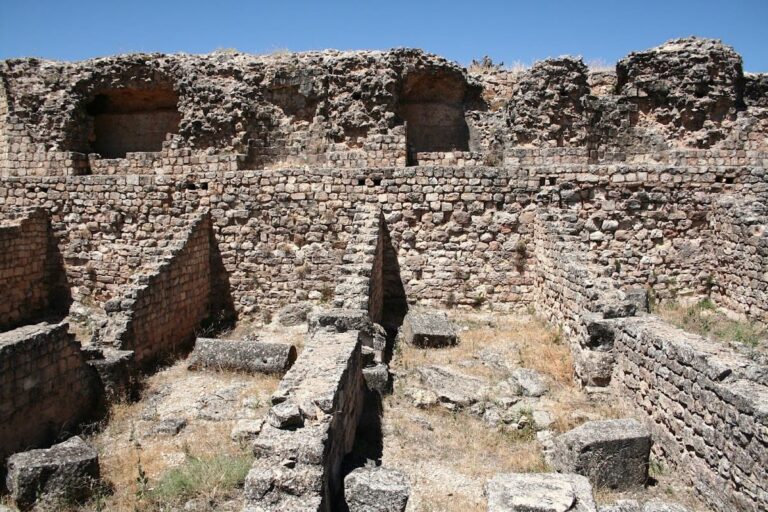
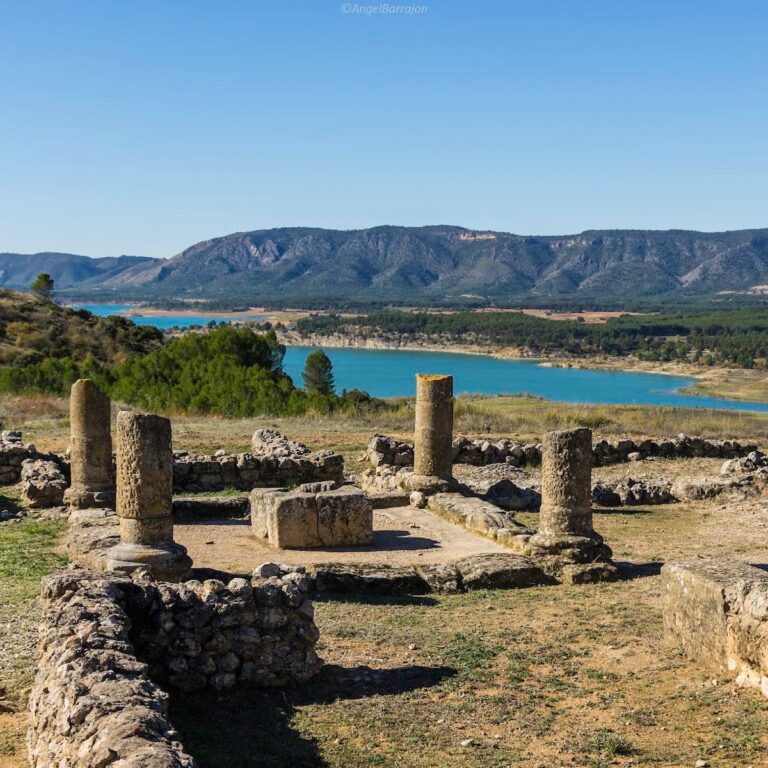
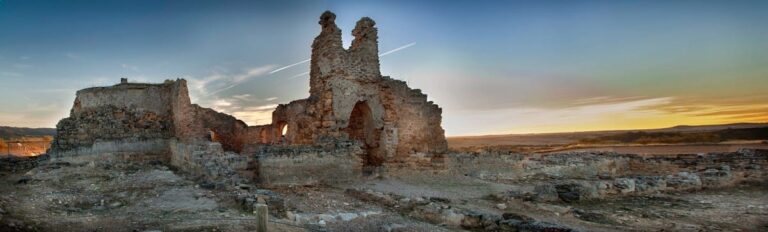
The archaeological remains at Noheda reveal a late Roman villa complex positioned on gently sloping terrain. The site is bordered to the south by the Chillarón stream and to the north by the Cuesta de las Herrerías hill. Excavations have uncovered a luxurious residential building featuring multiple rooms and a balneum, or bath area, indicative of the villa’s high status.
A prominent architectural element is a large tri-apsed hall, approximately 300 square meters in size. This hall is characterized by three exedras—semi-circular recesses—on three sides, with the main entrance located on the western side. The floor of this hall is extensively decorated with mosaic pavements covering about 231 square meters. These mosaics were created using the opus vermiculatum technique, which involves the use of very small tesserae to produce detailed figurative scenes.
The mosaics include six distinct figurative compositions: the myth of Pelops; theatrical scenes featuring music and dance; narratives from the lives of Paris and Helen of Troy; a Dionysian procession; additional theatrical representations; and marine-themed motifs. These images are framed by geometric and vegetal decorative panels. Wall decorations complement the mosaics, with opus sectile (cut stone or marble inlays) adorning the lower sections and mural paintings above.
Additional rooms surrounding the tri-apsed hall contain fragments of painted and stucco decoration, structural elements, and conduits. Numerous movable finds have been recovered, including fragments of white marble sculptures. Material remains are also dispersed along both banks of the Chillarón stream and on the northern hillsides, suggesting the villa was part of a larger rural complex extending beyond the main residential area.
Nearby sites