Luegsteinhöhle: A Medieval Cave Castle in Kiefersfelden, Germany

Visitor Information
Google Rating: 4.7
Popularity: Low
Country: Germany
Civilization: Unclassified
Site type: Military
Remains: Castle

History
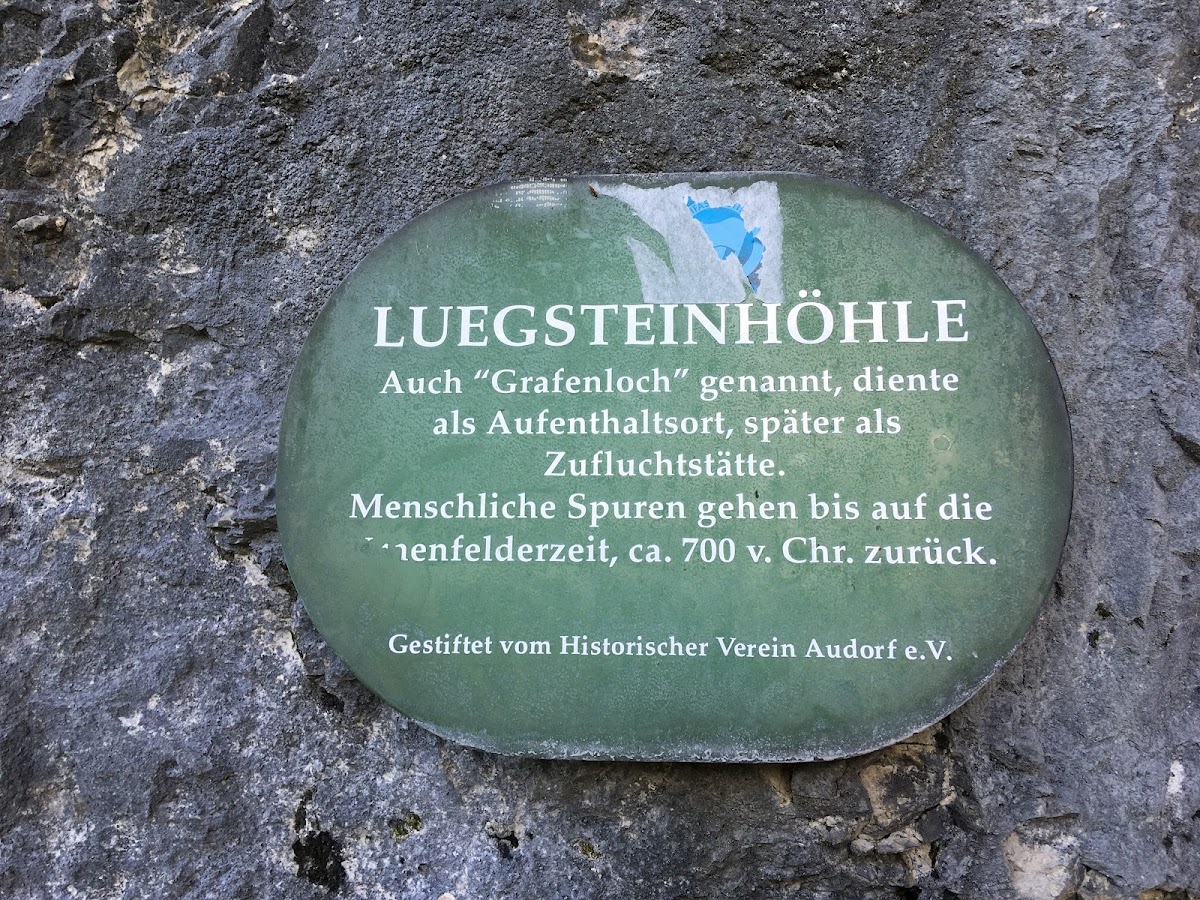
Luegsteinhöhle is a cave castle located in the municipality of Kiefersfelden, Germany. This distinctive medieval fortress was constructed during the high Middle Ages by knights who served the Counts of Falkenstein, reflecting the feudal relationships that shaped the region.
The initial phase of the site’s use dates back to the 11th century when it was likely established by ministeriales or vassals under the Falkenstein lineage. These knights built the castle within a deep cave on the Luegsteinwand, taking advantage of its strategic height at 640 meters above sea level. Archaeological finds, including ceramics, show the site remained occupied for several centuries, extending until around the mid-13th century. Its role during this period appears connected to local noble control and defense, positioning it as an early stronghold before the nearby construction of Auerburg, which followed and expanded on its protective function.
Around 1250, occupation of the Luegsteinhöhle came to an end. Earlier theories suggesting that the castle was used as a refuge during the 17th-century Thirty Years’ War were disproved by excavations carried out in 2008, firmly dating its abandonment to the medieval epoch.
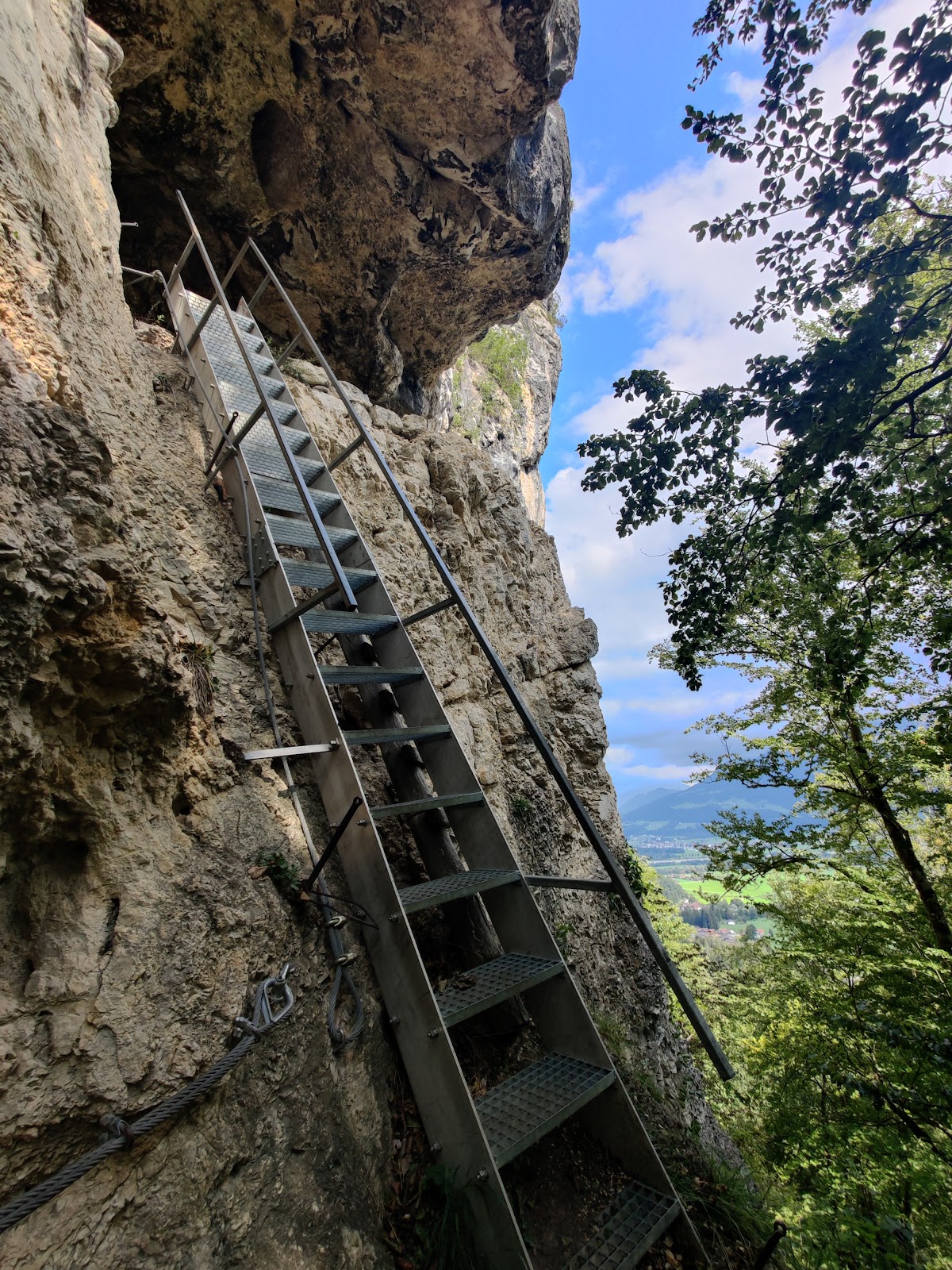
A local legend enriches the historical narrative of Luegsteinhöhle. It tells of a count from the nearby Auer family, who rose to power through the murder of his own parents. According to the story, a gypsy woman predicted his death. That fate came unexpectedly during a violent thunderstorm when lightning struck the castle tower as the count attempted to climb the steep ladder leading to the cave’s entrance. This tale illustrates the blending of historical sites with folklore and local memory through the centuries.
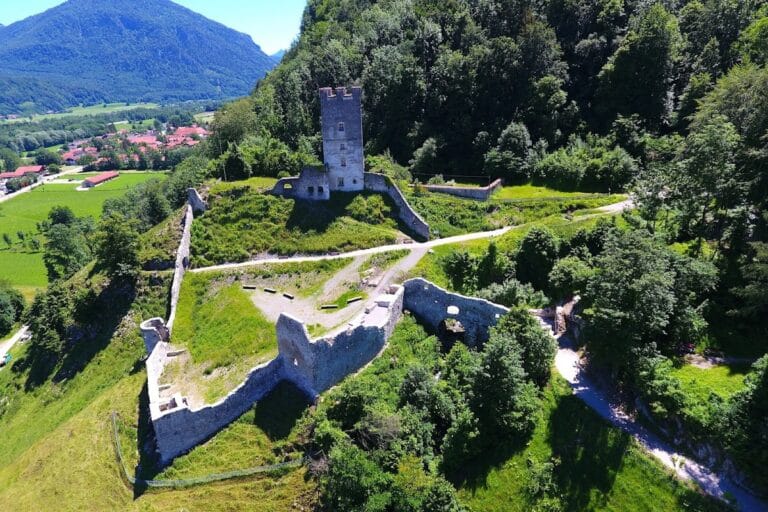
Luegsteinhöhle is historically significant primarily as a precursor to the fortress of Auerburg. Its presence in the landscape and relation to Falkenstein knights reveals much about feudal ties and defensive strategies practiced in this part of Bavaria during the high medieval period.
Remains
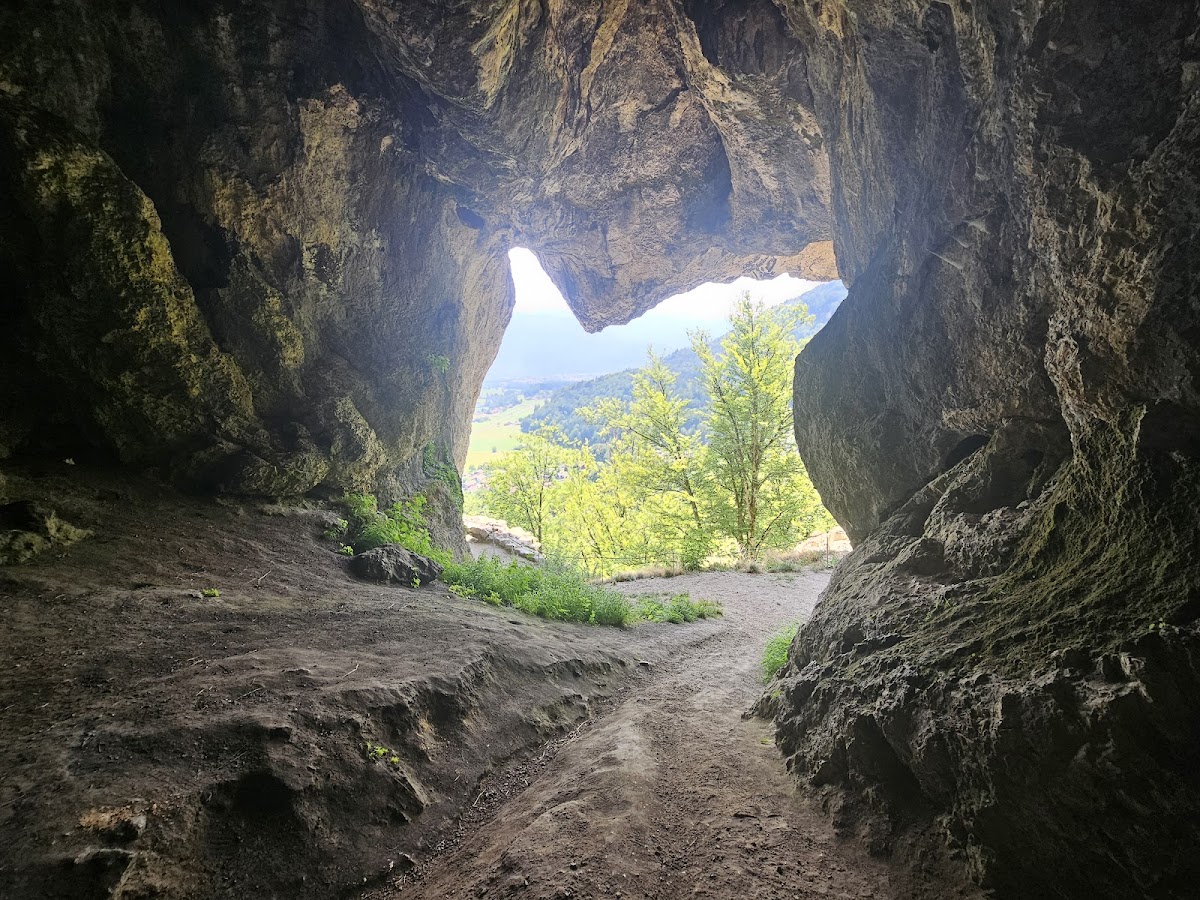
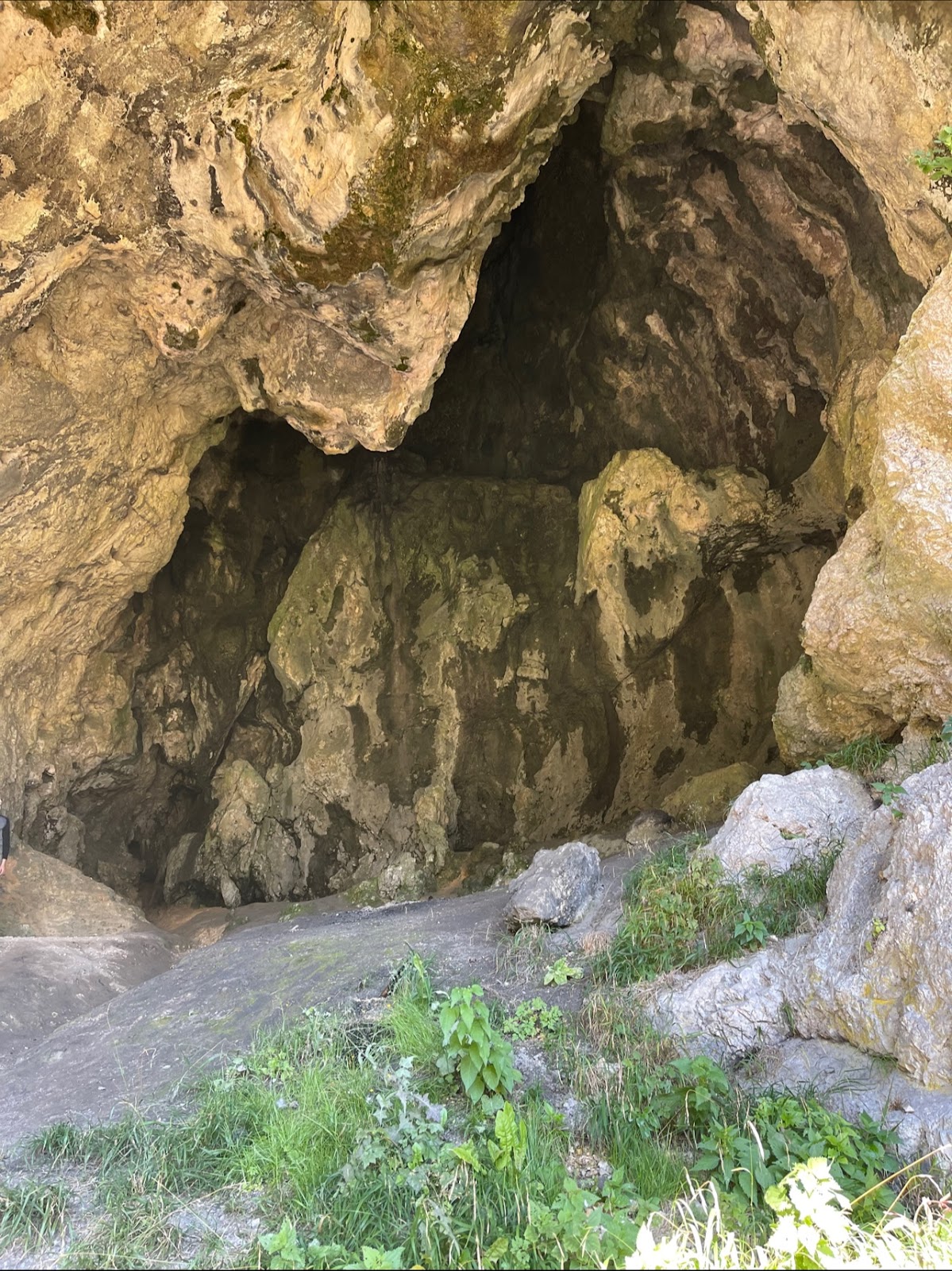
The Luegsteinhöhle is a cave castle built deep into a vertical rock face. Its defensive design takes full advantage of natural terrain, situating the entrance 4 meters above ground level and accessible only by a ladder. This elevated entry provided a secure threshold, deterring enemies and controlling access.
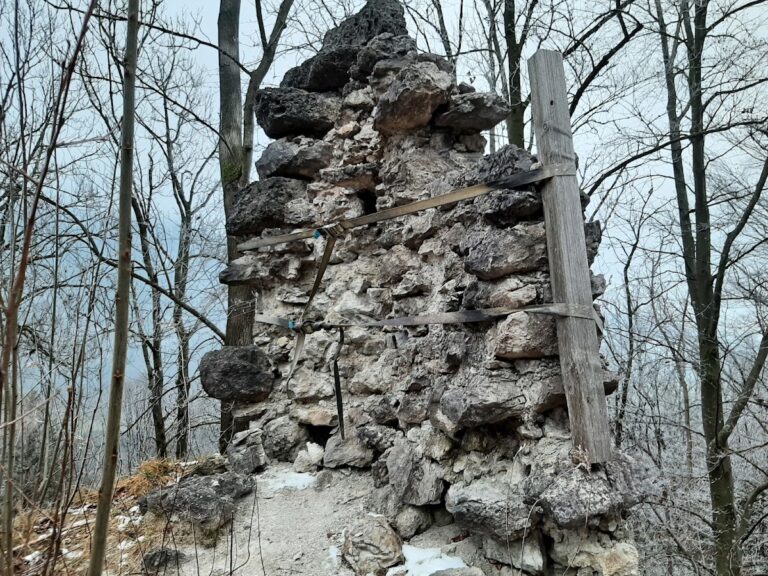
At the cave entrance, remnants of a stone gate arch remain visible, marking where visitors and inhabitants once passed through. This gateway was fortified by a curtain wall approximately one meter thick. The wall itself rests upon a large supporting base, reinforcing the structure against both human attack and natural erosion. These elements highlight a deliberate architectural effort to transform the natural cave into a fortified dwelling.
Inside the cave, archaeologists have uncovered evidence indicating that the living space once spanned two stories. The interior was lined with wood, including a heated room known as a Bohlenstube, which refers to a panelled plank chamber heated by a hearth or stove. This feature reflects medieval living comfort and the need for warmth in the mountain environment where the castle sat.
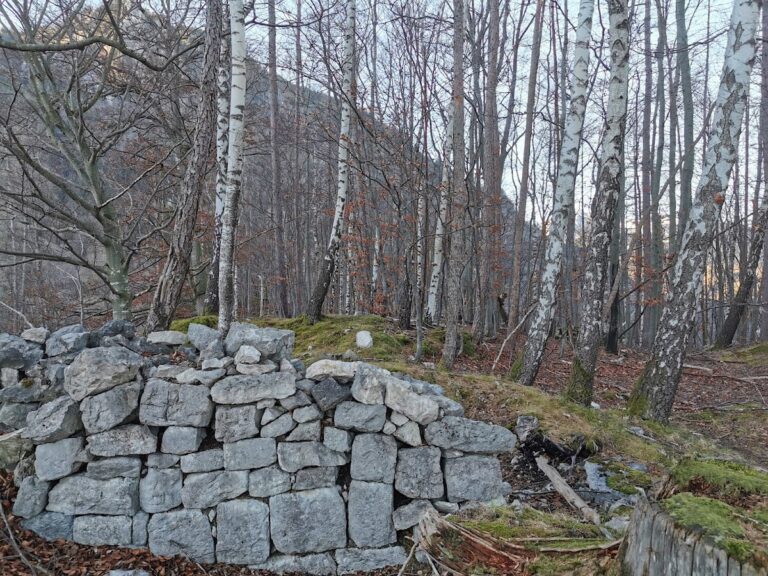
Today, these architectural traces survive in a fragmentary but meaningful state. The gate arch, curtain wall, and interior markings afford valuable insights into medieval construction methods and the functional layout within the confined cave space. Oral traditions linked to the site further underscore the significance of its design, as exemplified by the legend of the count and his doomed ascent via the ladder, attaching memories to the surviving structural elements.
Together, these remains reveal Luegsteinhöhle as a carefully engineered refuge and stronghold, blending natural geological features with constructed defensive architecture. They stand as tangible connections to its high medieval origin and use, bridging history and legend in the Bavarian landscape.
Nearby sites