Dorneck Castle: A Medieval Fortress and Defensive Site in Switzerland


Visitor Information
Google Rating: 4.6
Popularity: Low
Google Maps: View on Google Maps
Official Website: www.dornach.ch
Country: Switzerland
Civilization: Medieval European
Remains: Military

History
Dorneck Castle stands near the town of Dornach in Switzerland, tracing back to medieval times when it was constructed by the local noble families. Archaeological evidence dates the fortress to around the mid-11th century, although the first written mention of the castle appears in a document from 1360.
Originally, the fortress was probably established by the Freien von Pfeffingen family. Ownership passed through several noble houses, including the counts of Saugern and later the counts of Thierstein around the year 1200. In 1360, Duke Rudolf IV of Habsburg acquired the castle but maintained its control by granting it back as a fief to the Thierstein family. Through the late 14th and 15th centuries, the castle and its lands changed hands multiple times, with notable transactions including a pawn to Henmann von Efringen in 1394. Eventually, in 1485, the city of Solothurn purchased the fortress, making it the center of a bailiwick—an administrative district—that included nearby villages such as Dornach and Gempen.
During the Swabian War of 1499, Dorneck Castle played a defensive role. It resisted an attack by imperial forces until relief came from Swiss confederate troops at what became known as the Battle of Dornach. Over the next three centuries, the castle underwent expansions and reinforcements to adapt to the emerging importance of artillery warfare. It served as the residence for roughly sixty consecutive bailiffs appointed by Solothurn and remained strategically important through conflicts such as the Thirty Years’ War.
In 1798, the castle suffered heavy damage from French artillery fire. Following its military decline, much of the stone was quarried for building purposes during the 19th century. The ruins were later donated to the canton of Solothurn in 1902, which undertook efforts to clear and conserve the site between 1902 and 1906. Further restoration continued into the late 20th century, with the heritage authorities of Solothurn managing the property since 1970.
In addition to its medieval and early modern history, the area around Dorneck Castle became part of a national defensive network known as the Sperrstelle Dorneck. This system of fortifications includes bunkers, weapons positions, and underground shelters dating from the 16th century through World War II, controlling access to the nearby Gempen plateau.
Remains
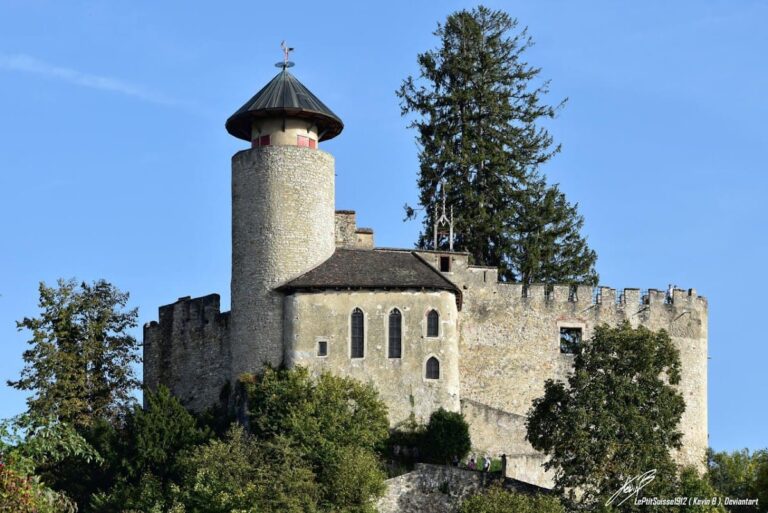
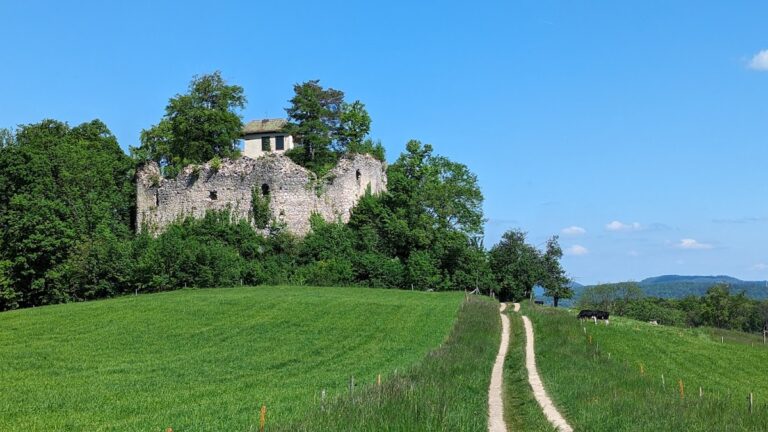
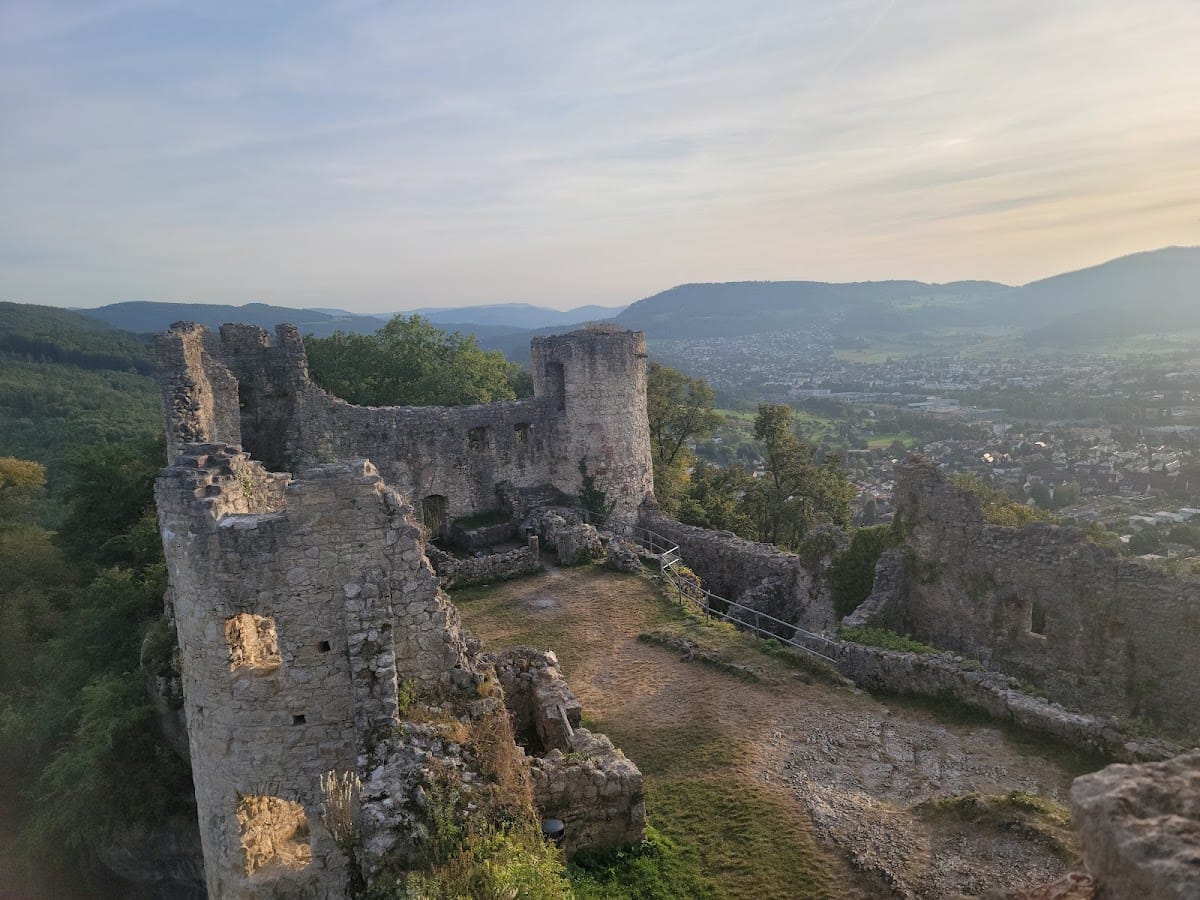
The ruins of Dorneck Castle occupy a sizeable rocky ridge rising about 490 meters above sea level to the east of Dornach. The site extends roughly 100 meters in length and 50 meters in width, which is considered substantial for the surrounding region. The fortress is naturally defended by steep slopes on its east, south, and west flanks, with a single access point located on the northern side leading into the castle courtyard.
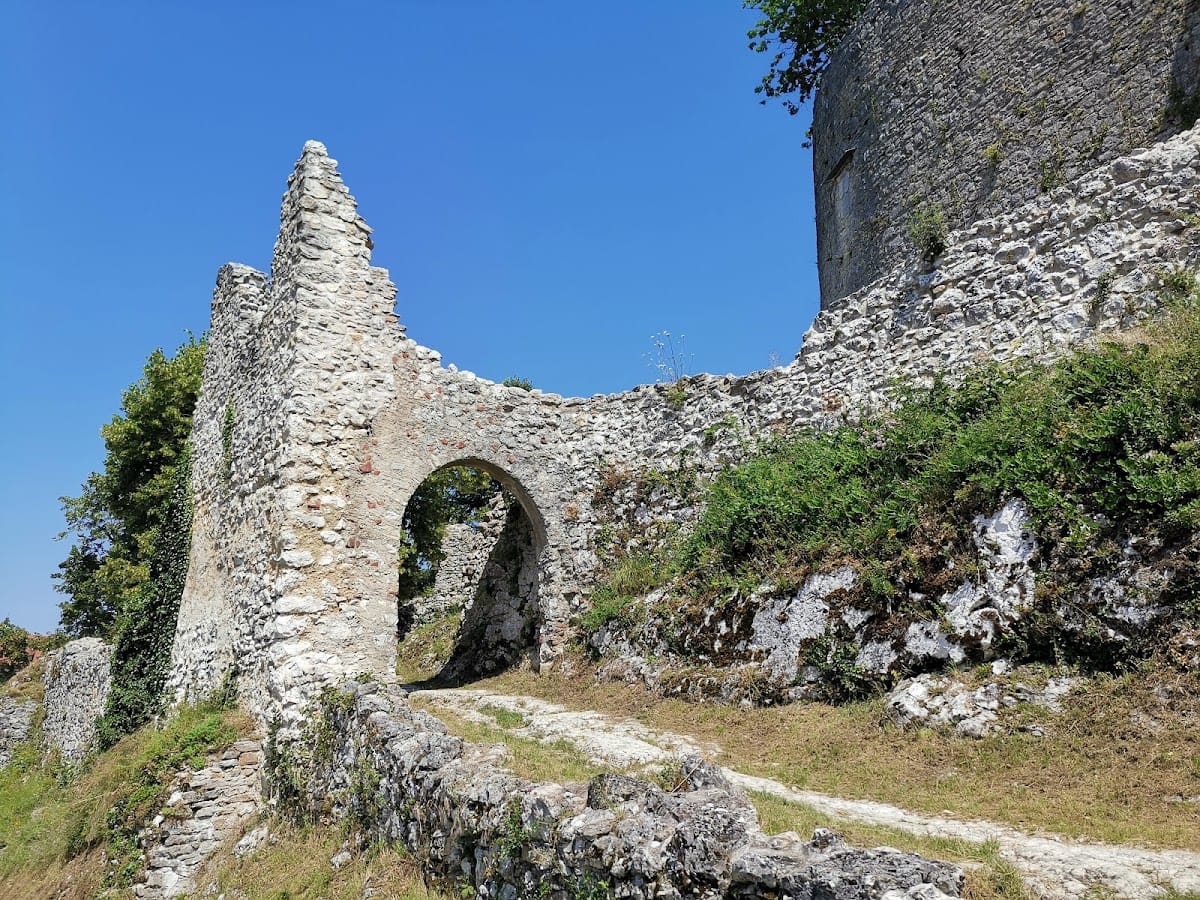
Approaching the fortress, visitors encounter an outer gateway protected by a deep moat carved directly from the rock. This moat was originally spanned by a drawbridge and leads into a zwinger, which is an enclosed outer ward designed to trap attackers. Beyond this lies a second gatehouse opening into the outer bailey, where a small bastion stands. This bastion would have served as a forward defensive position within the castle complex.
Entering further, an inner gate marks the transition to the heart of the fortress. This gate is notably decorated with stone cannonballs that were recovered from the ruins, symbolizing the castle’s artillery heritage. Inside this inner enclosure lies a central courtyard surrounded by several key buildings, including residential quarters, a kitchen, a chapel, and multiple towers.
Among these towers is a bergfried, the main defensive tower typically used as a stronghold and lookout. The complex also features a palas, or great hall, serving as the main residential building. The presence of a chapel tower dating around 1500 indicates religious functions within the castle, while a powder tower constructed in 1543 reflects the growing need for controlled storage of gunpowder during the period of artillery modernization. A ring wall encircles the entire castle, providing a continuous defensive barrier.
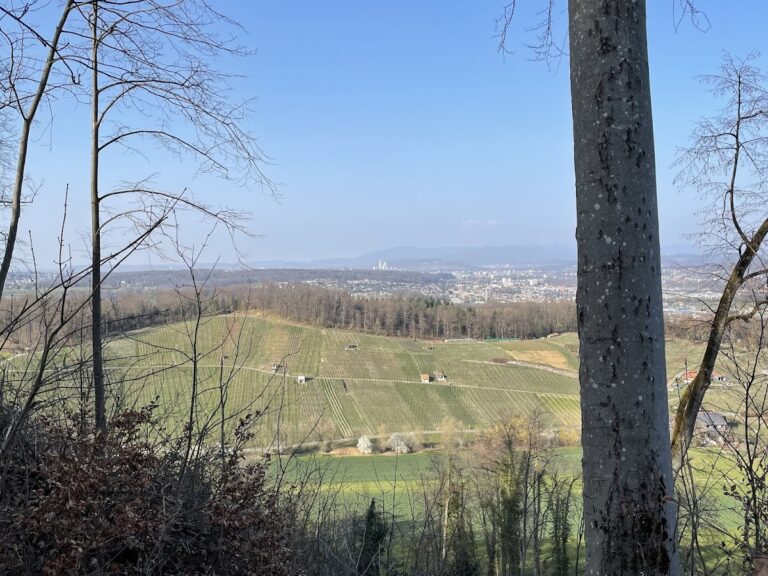
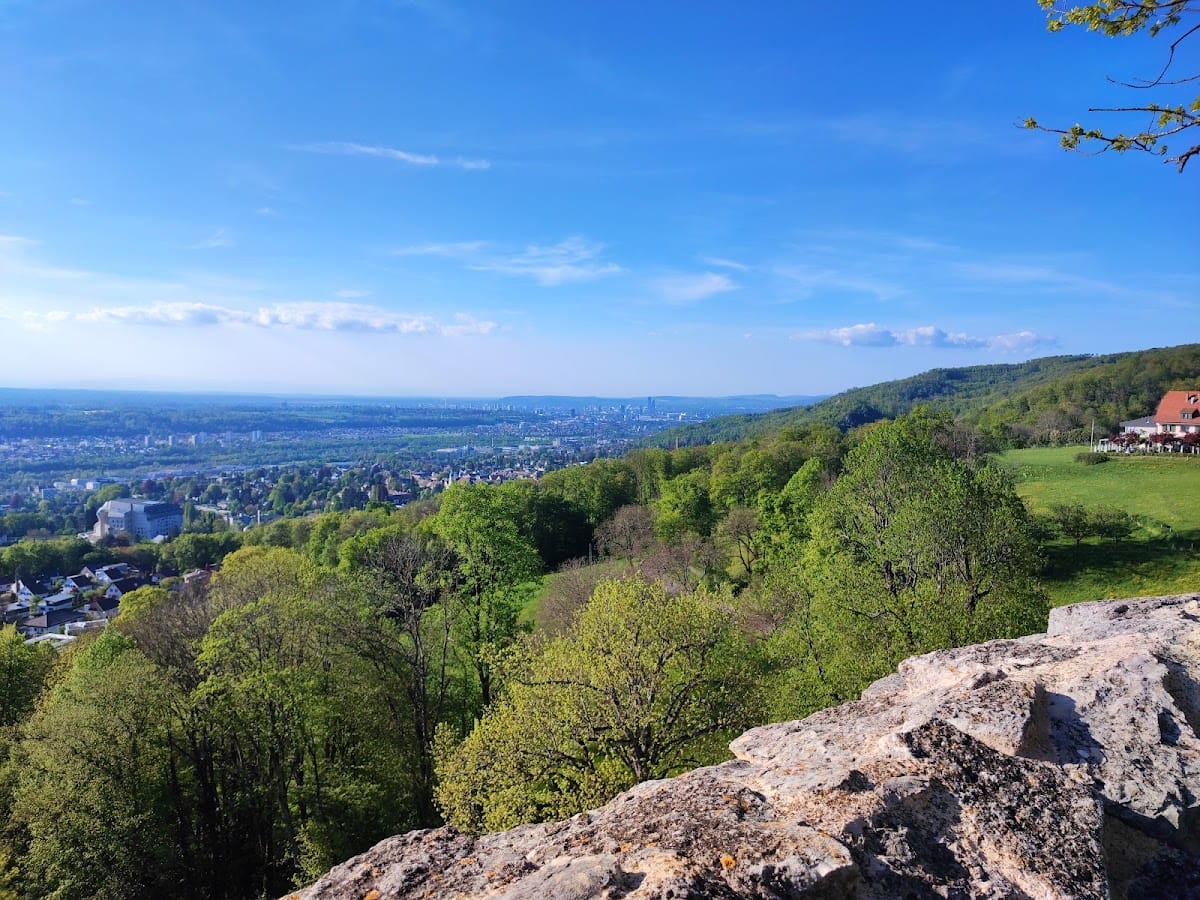
Dominating the site is a large bastion positioned on the highest rocky outcrop. Unlike other structures, this bastion lacks internal rooms and was built to mount heavy artillery pieces. Today, it is accessible via an iron staircase and offers expansive views of the surrounding landscape.
Historically, the fortress included an economic courtyard to the north, thought to be an area where supplies and workshops were located. This space may also have been quarried for stone to build parts of the castle itself.
The castle’s ruins remain well preserved, displaying architectural remnants from both medieval and early modern periods. Close to the castle, there are several military installations connected to the Sperrstelle Dorneck defensive line. These consist of infantry bunkers, weapons emplacements, observation posts, underground shelters (also called caverns), along with road barricades and demolition structures, all carefully documented with precise locations.
Nearby sites