Château de Mareuil: A Historic French Castle in Mareuil-sur-Belle


Visitor Information
Google Rating: 3.9
Popularity: Low
Google Maps: View on Google Maps
Official Website: perigord-dronne-belle.fr
Country: France
Civilization: Unclassified
Remains: Military

History
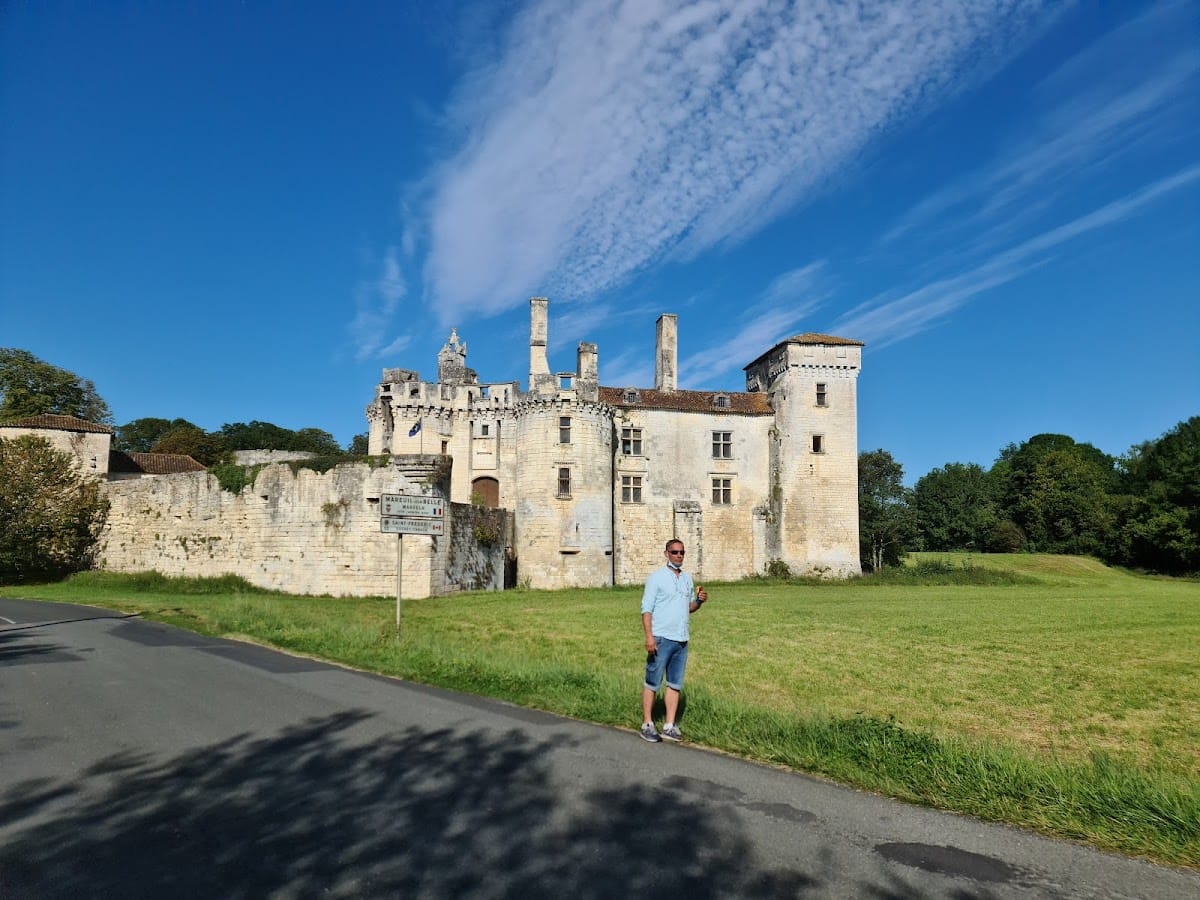
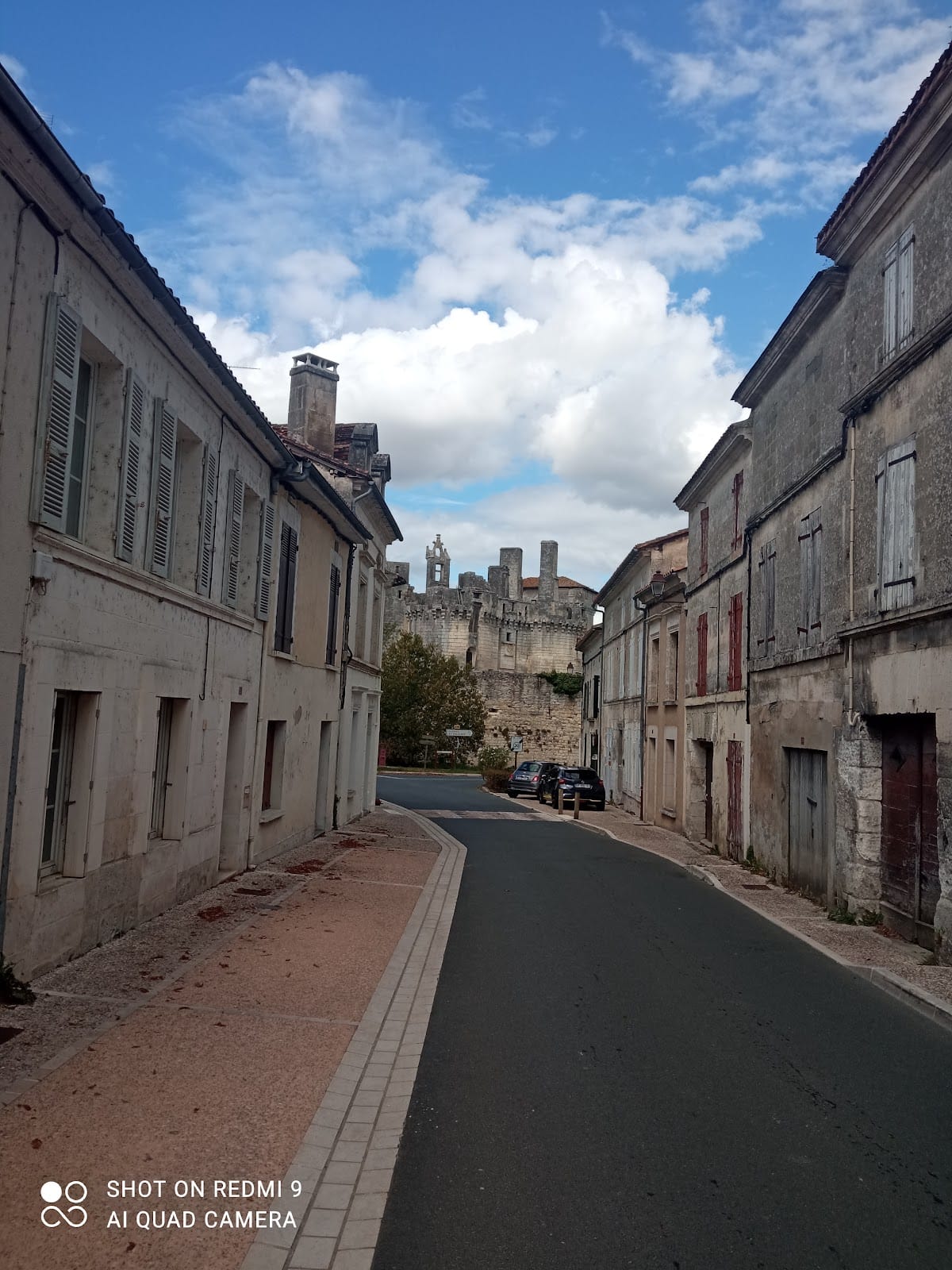
The Château de Mareuil stands in the town of Mareuil-sur-Belle in modern-day France and was constructed by medieval French nobility. It became one of the four principal baronial seats within the historic region of Périgord, alongside Beynac, Biron, and Bourdeilles.
The château’s origins reestablish in the early 15th century after the original fortress was destroyed during the intense military conflicts of the Hundred Years’ War. Geoffroy de Mareuil rebuilt the castle at this time, designing it as a Gothic flamboyant style residence intended more for comfort and display than purely military use. This period marked its transformation into a pleasure residence while retaining defensive elements.
Later, during the turbulent French Wars of Religion in the late 16th century, the château suffered extensive fire damage. This devastation led to its abandonment, and it remained largely unused for about 150 years, reflecting the instability and decline of noble estates during this era.
In the 17th century, ownership passed to Isabelle de Beauville, who transferred the property to her daughter Jeanne-Françoise upon her marriage to Daniel de Talleyrand-Périgord. The Talleyrand-Périgord family undertook restoration work to repair the château, but it was seldom occupied by them. By the time of the French Revolution at the end of the 18th century, the château had fallen into neglect, mirroring the broader social upheaval affecting aristocratic estates.
In 1883, Élie-Roger-Louis de Talleyrand-Périgord bequeathed the château to the Hospital of Chalais, which repurposed the estate primarily as an agricultural property. This shift represented a practical adaptation of the historic site to new economic uses.
The château was acquired in 1963 by the Dukes of Montebello, descendants of Marshal Jean Lannes, a prominent general during the First French Empire. They undertook careful restoration and refurnishing efforts, reviving the château as a family residence. Today, the château preserves a collection related to Napoleon I and the First Empire, reflecting its connection to this important chapter in French history.
Notably, the Château de Mareuil was declared a historic monument in 1862, underscoring its architectural and historical importance well before its 20th-century restoration.
Remains
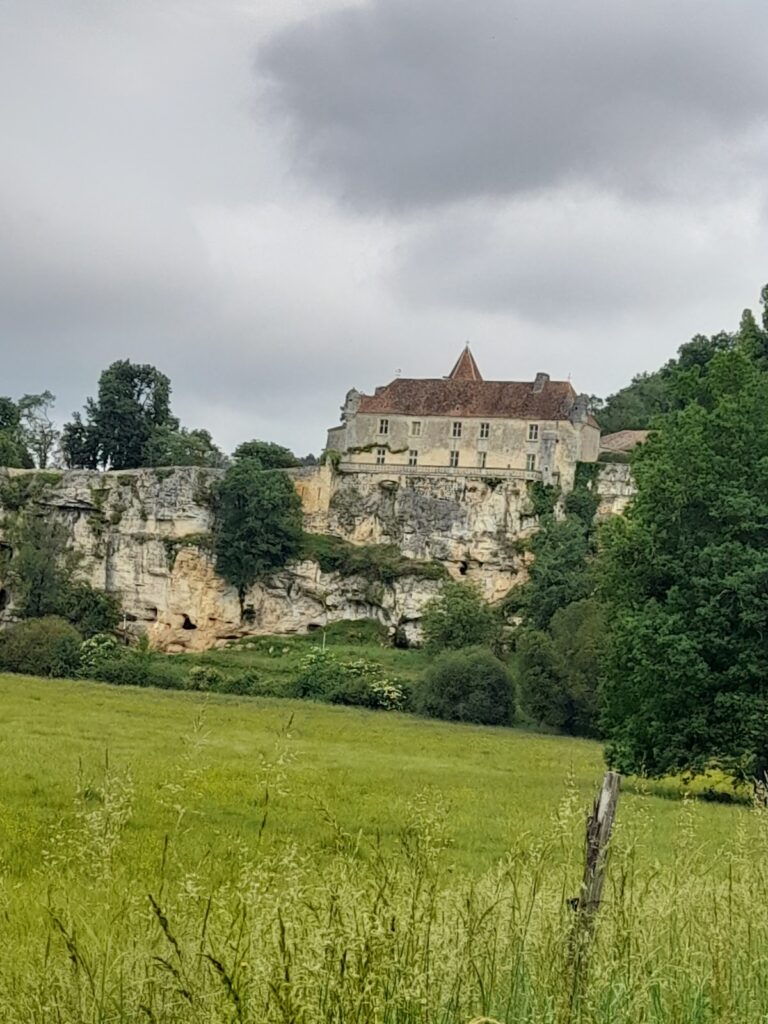
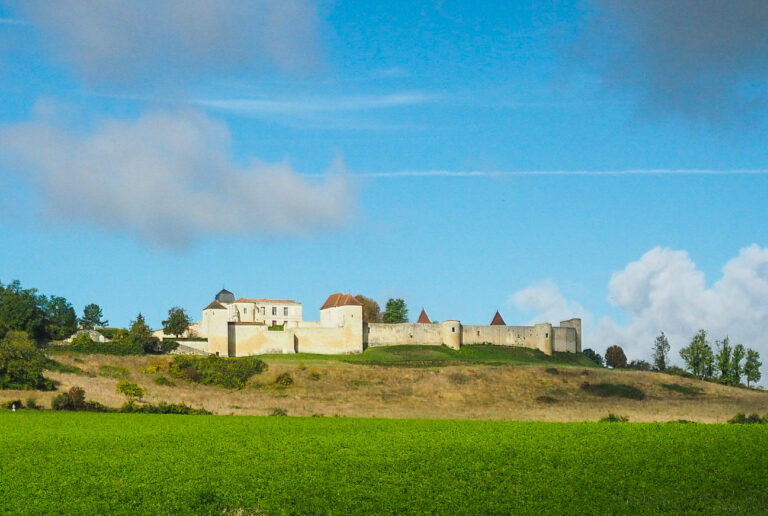
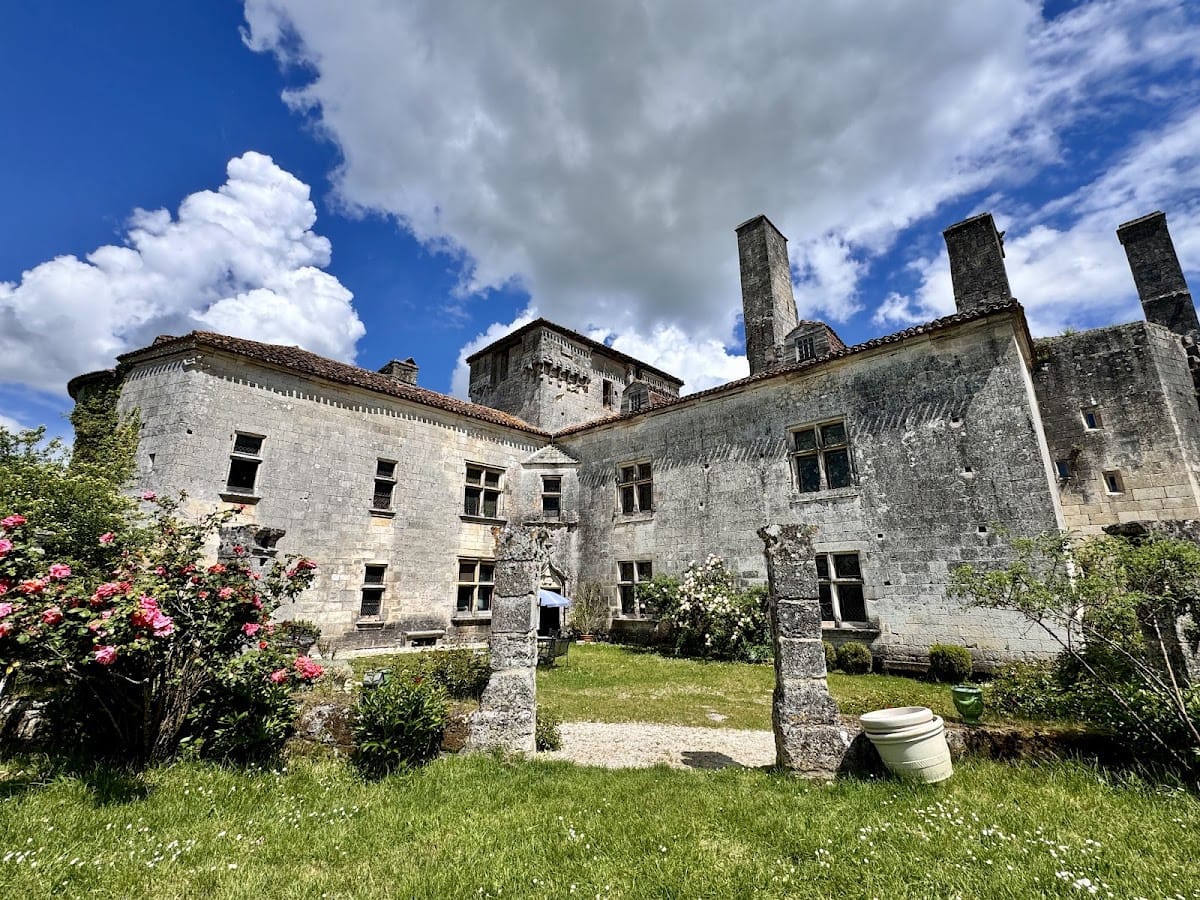
The Château de Mareuil is situated on an artificial mound, known as a motte, and consists of structures built between the 15th and 18th centuries. Its layout forms an L-shape, showcasing both military and residential features typical of a lowland fortress adapted over time. The buildings combine defensive elements with chambers for living and administration.
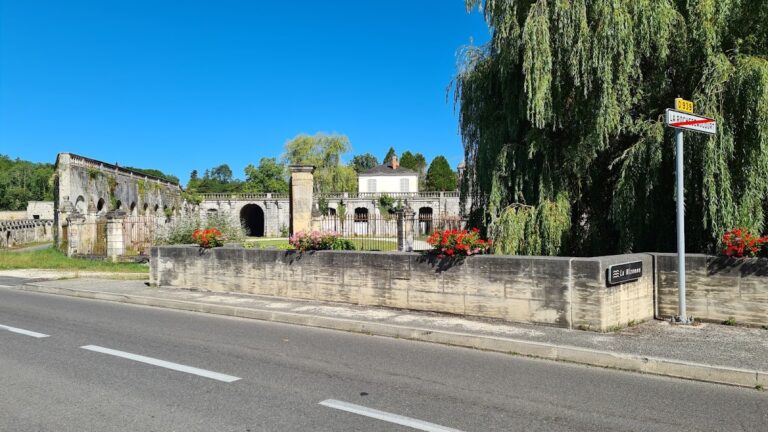
Access to the site begins at a gate tower located on the counterscarp, the outer slope of the moat’s surrounding ditch. Attached to this tower’s rear stands a small guardhouse. From here, a long ramp about 30 meters in length ascends alongside the curtain wall, protected by a parapet pierced with embrasures designed for firearms. This ramp functioned like a barbican, controlling approach to the entrance and shielding the main walls.
A stone bridge crosses the moat to reach the château itself; historically, this was interrupted by a drawbridge to further secure the entrance. The vaulted passage beyond the bridge is flanked by two towers equipped with cannon embrasures, demonstrating the integration of artillery defense into the structure.
The entrance was formerly defended by a combination of a drawbridge, a double-leaf wooden door, and a portcullis—an iron grille that could be dropped to block access rapidly. These features illustrate a layered defensive system aimed at withstanding attacks.
Within the château, a rectangular tower rises above the rest at the junction of the L-shaped configuration and is understood as the former donjon or keep, traditionally the strongest and most secure part of a medieval fortress. The château also contains a chapel built in the flamboyant Gothic architectural style, characterized by intricate stone tracery and ornate detailing.
In addition to the donjon and chapel, the estate includes various seigneurial and military components such as towers, walls, guardrooms, reception chambers, and private cabinets. The presence of both upper and lower courtyards reflects the functional organization common in fortified noble residences. Many of these structures have undergone restoration but retain their historic character.
The château’s defensive design incorporated embrasures adapted for firearms and cannons, reflecting advancements in military technology from the late medieval period onward. The moat that encircles the site was historically supplied by the nearby Belle river, which runs alongside the château, providing both a water source and an additional obstacle against attackers.
Nearby sites