Castle of the Knights Hospitaller in Magione: A Historic Fortress in Italy


Visitor Information
Google Rating: 4.3
Popularity: Low
Google Maps: View on Google Maps
Official Website: www.sagrivit.it
Country: Italy
Civilization: Medieval European
Remains: Military

History
The Castle of the Knights Hospitaller in Magione is situated in the town of Magione, Italy. It was established by the medieval military-religious organization known as the Knights of Jerusalem, who later became the Knights Hospitaller. Their foundation at this location dates back to at least November 1171, when the site served as a hospitium, a type of guesthouse providing shelter and care to pilgrims and travelers journeying along the Via Romea Germanica, an important route leading to Rome and Jerusalem.
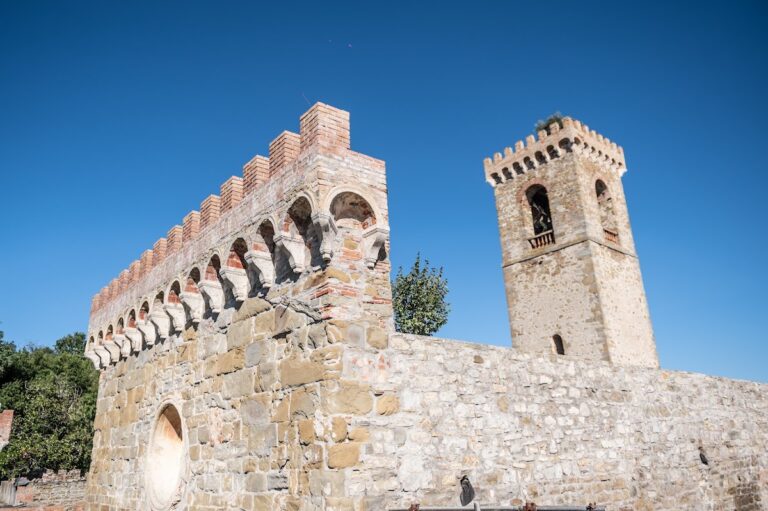
In its earliest phase, the castle functioned primarily as a place of hospitality, supporting those undertaking religious pilgrimages. Over time, its role expanded as it gained significance not only for travelers but also within the organization’s hierarchy. By the 15th century, the site underwent a transformation from a simple hospitium into a fully fortified castle. This change reflected shifting needs during a period of increasing political instability in Italy. The Knights enhanced the complex with defensive features such as a round tower, battlements, and robust corner towers, while simultaneously upgrading the internal spaces to accommodate noble residents, including richly decorated rooms on the first floor.
This substantial renovation is attributed to Fioravante Fioravanti, a notable architect from Bologna known for prominent works like Perugia’s San Lorenzo Cathedral and the Porta di Sant’Angelo. During these developments, the castle gained a chapel dedicated to Saint John the Baptist, the patron saint of the Knights of Malta. In 1502, Cardinal Giovanni Battista Orsini, who held the abbey’s commendam—a form of ecclesiastical administration—commissioned frescoes for this chapel from the school of the renowned artist Pinturicchio. These artworks include scenes such as the Nativity and a Madonna with Child with a Saint.
The castle’s strategic location along important pilgrimage and travel routes like the Via Francigena also made it a favored stop for popes, sovereigns, and high-ranking figures seeking dependable hospitality. However, the site is perhaps most famously linked to a dramatic political intrigue known as the “Congiura della Magione” or the Magione Conspiracy, which unfolded in 1502. This plot was orchestrated by allies of Cesare Borgia, who gathered in the castle’s chambers, particularly the apartment of Cardinal Orsini, to form an alliance opposing Borgia’s ambition to establish Bologna as the capital of the Duchy of Romagna. The conspiracy ultimately failed, leading to severe consequences for the conspirators and securing Cesare Borgia’s influence in the region.
In more recent history, from the 1960s onward, the castle served as a summer residence, typically in September, for leading figures of the Order of Malta, including Grand Masters such as Fra Angelo de Mojana di Cologna and Fra Andrew Willoughby Ninian Bertie. Today, the castle remains an emblem of its long-standing association with the Knights and their legacy in central Italy.
Remains
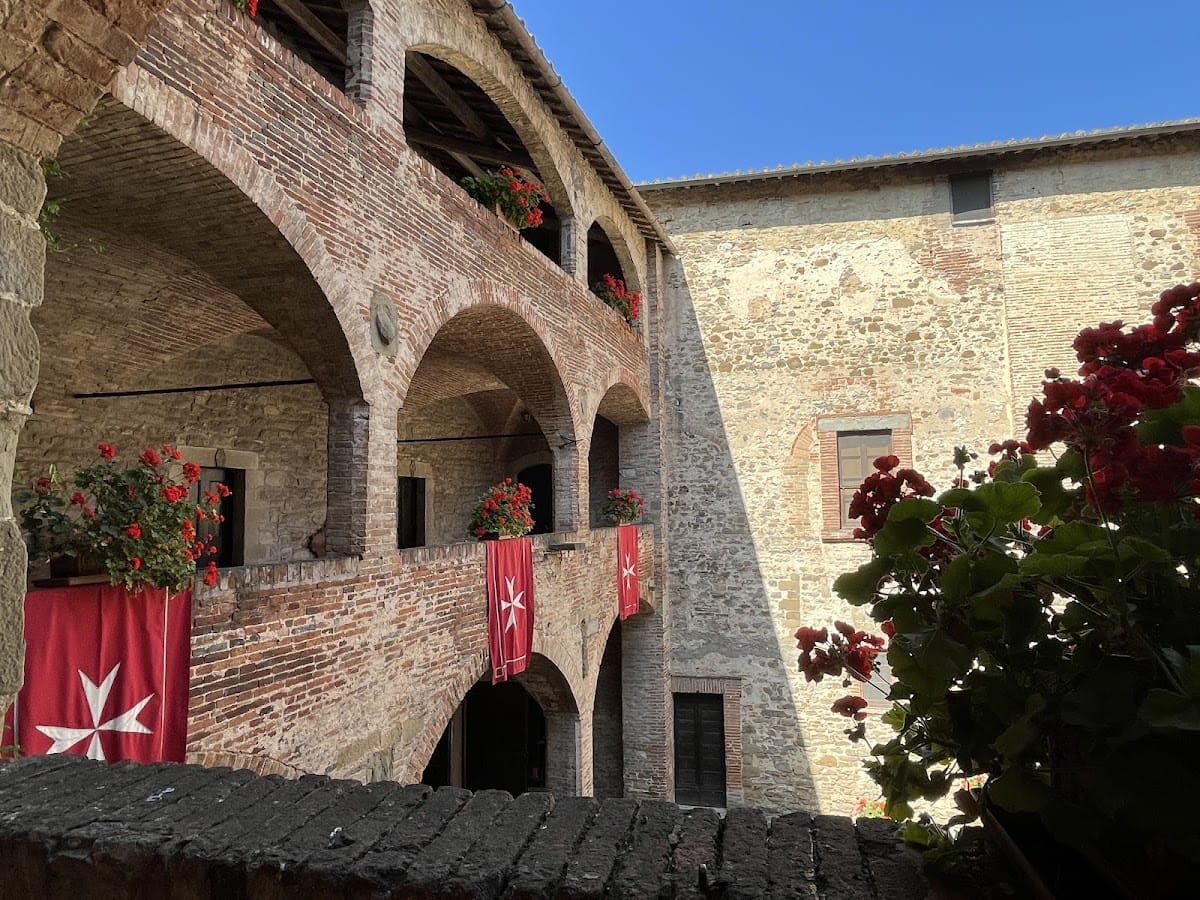
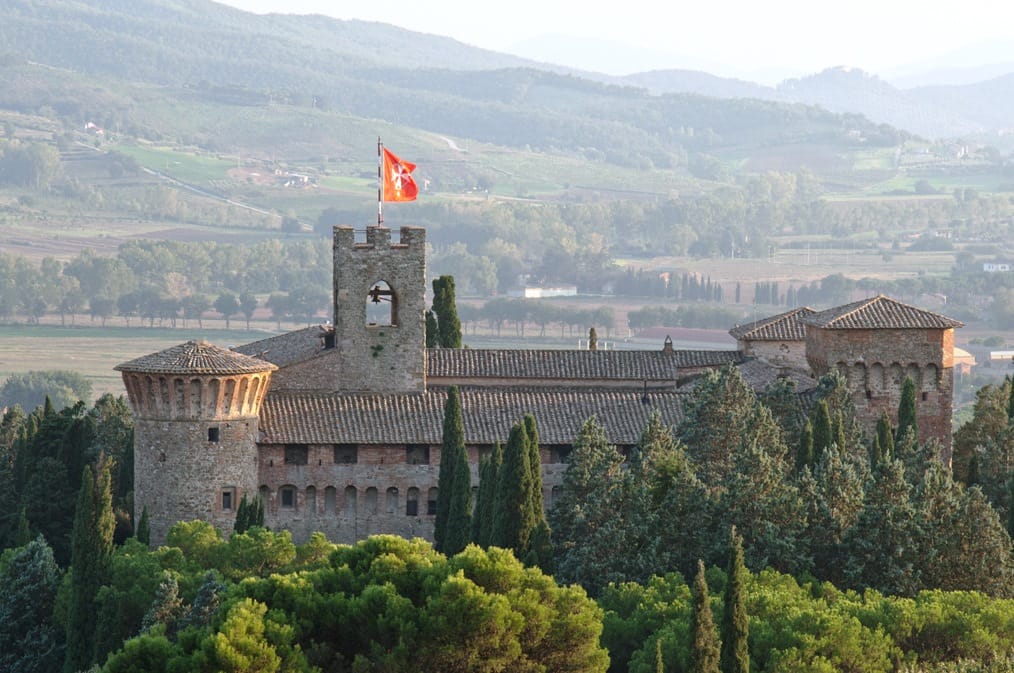
The Castle of the Knights Hospitaller presents a quadrangular layout formed through several phases of construction. Originally, the complex consisted of two buildings arranged in an “L” shape, topped by a bell tower, which marked the early hospitium phase. Later expansions enclosed this arrangement into a square plan surrounding a sizeable central courtyard, enhancing both defense and communal functions. Defensive walls with sturdy corner towers now frame the inner courtyard, reflecting the castle’s fortified character established during the 15th century.
Among the fortification enhancements, the addition of a prominent round tower stands out, accompanied by corbels—stone supports projecting from walls to carry battlements—and crenellated parapets crowning the defensive walls. A loggia, or covered open gallery overlooking the courtyard, was also incorporated, blending fortification with residential comfort. These elements were designed to balance military security with the needs of the castle’s noble inhabitants.
The interior spaces, particularly those on the first floor, are notable for their rich decorative quality. These rooms indicate the castle’s role as both a fortified stronghold and a comfortable residence for dignitaries. While still retaining facilities for pilgrims, the living quarters reveal the elevated status of its occupants and their desire for refined surroundings.
One of the castle’s most significant artistic features is the chapel dedicated to Saint John the Baptist. This chapel contains frescoes attributed to the circle of Pinturicchio, commissioned at the start of the 16th century by Cardinal Orsini. Among these frescoes are a Nativity scene and a depiction of the Madonna with Child and Saint, exemplifying Renaissance religious art within a militarily purposed structure.
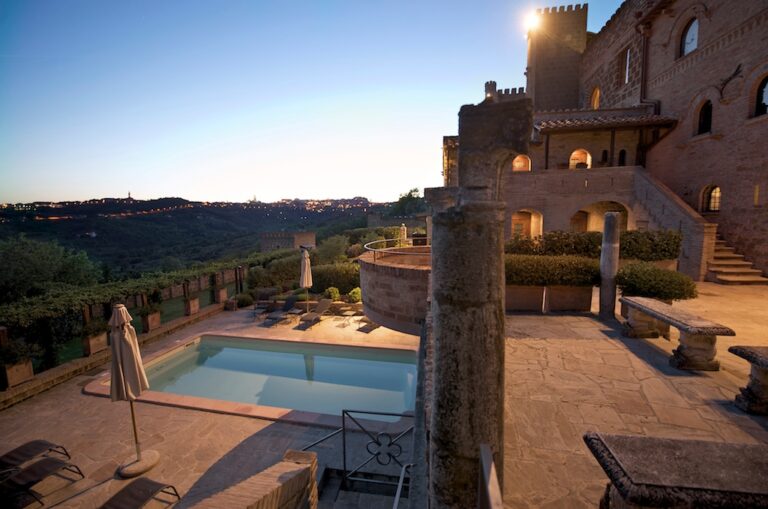
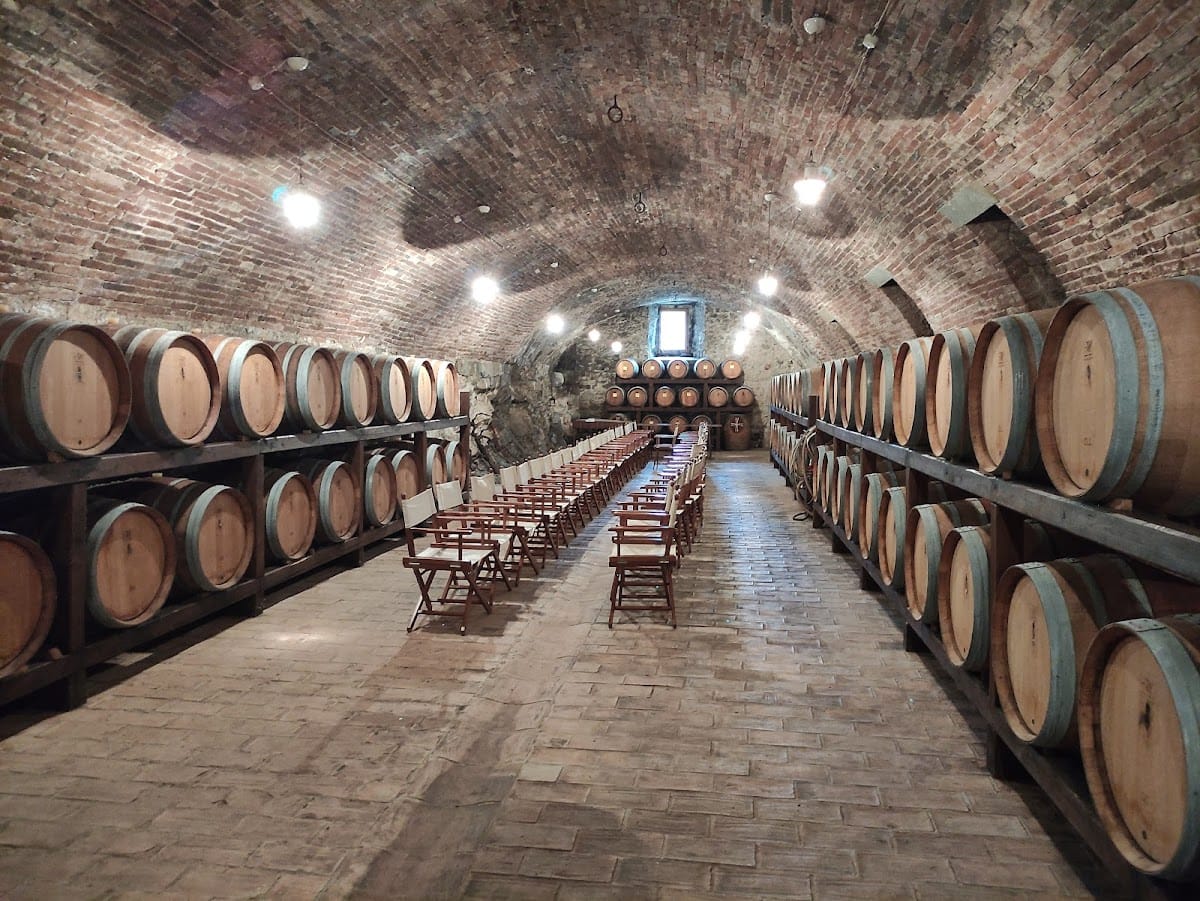
Today, the castle includes a cloister and a shop area accessible to visitors by prior arrangement. Its spaces also serve as venues for cultural events, such as the annual Trasimeno Music Festival, highlighting the site’s ongoing engagement with artistic life. The presence of large defensive towers and battlements remains a defining characteristic of the complex, underscoring its medieval role as a protective haven along important travel routes near Lake Trasimeno.
Nearby sites