Castle of Rocchette di Fazio: A Medieval Fortress in Italy

Visitor Information
Google Rating: 4.5
Popularity: Low
Google Maps: View on Google Maps
Official Website: www.castellitoscani.com
Country: Italy
Civilization: Unclassified
Remains: Military

History
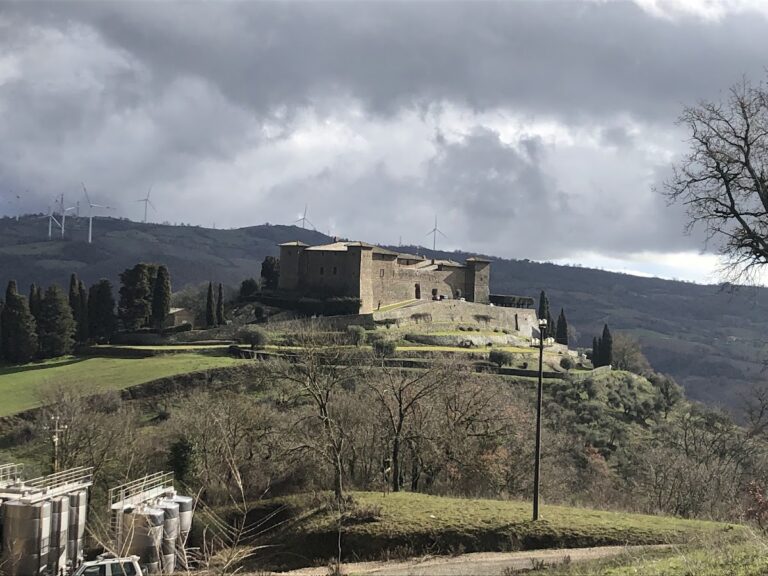
The Castle of Rocchette di Fazio is situated in the village of Rocchette di Fazio within Italy. It was originally established by the Aldobrandeschi family, a prominent medieval noble house in the region, who constructed the fortress between the 12th and 13th centuries. This castle was built upon an earlier settlement that dates back to around the year 1000, serving as the fortified center of the village.
In 1274, the castle came under the control of the County of Sovana. During the 14th century, ownership shifted temporarily to the Baschi family from Orvieto before passing into the hands of the Orsini family, influential lords based in Pitigliano. At the beginning of the 15th century, the castle faced a significant military event when it was heavily damaged during a siege led by troops from Siena. After the fortress fell, it was absorbed into the territory of the Republic of Siena, which also undertook reconstruction efforts in the Renaissance period to repair the war-inflicted damage.
By the mid-1500s, the castle along with the village of Rocchette di Fazio became part of the Grand Duchy of Tuscany. Over the late 17th and 18th centuries, the fortress and its defensive walls experienced phases of neglect and deterioration. More recently, restoration projects have been conducted to recover the historic heart of the settlement and preserve its medieval character.
Remains
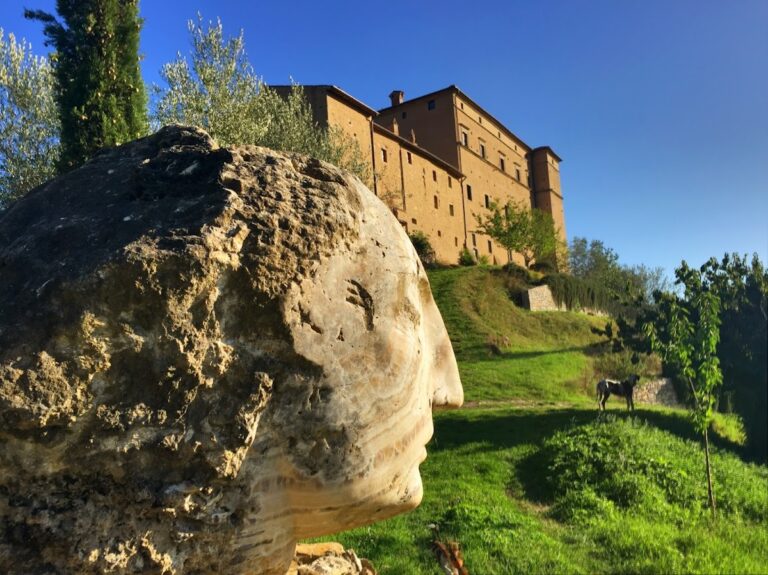
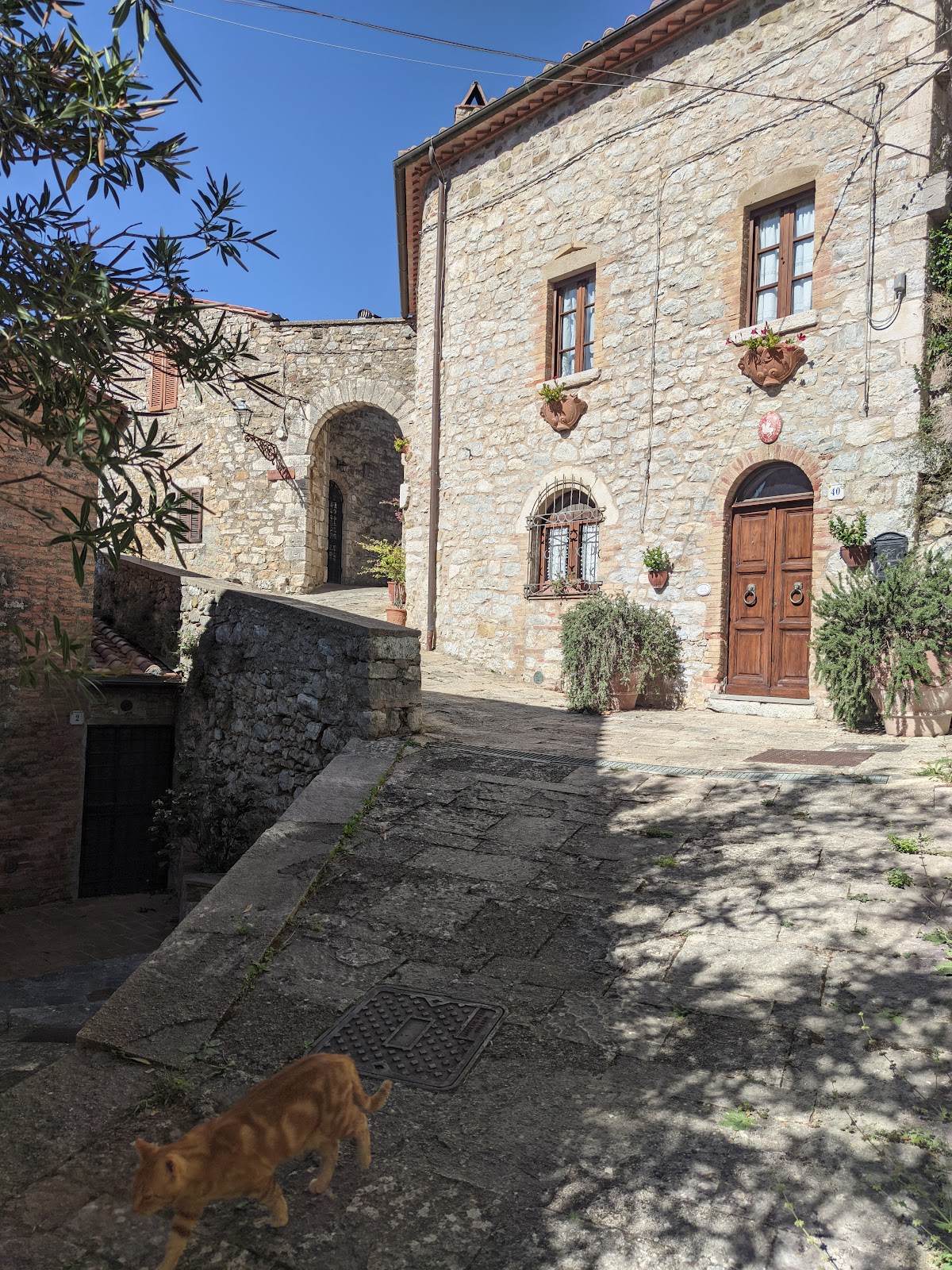
The castle complex sits on the highest point of the village and is enclosed within a defensive perimeter marked by stone walls. These walls include four watchtowers, which would have served as lookout points to monitor the surrounding area. The Aldobrandeschi fortress itself survives only in ruins along the eastern section of these walls, providing a glimpse into the original stronghold’s scale and position.
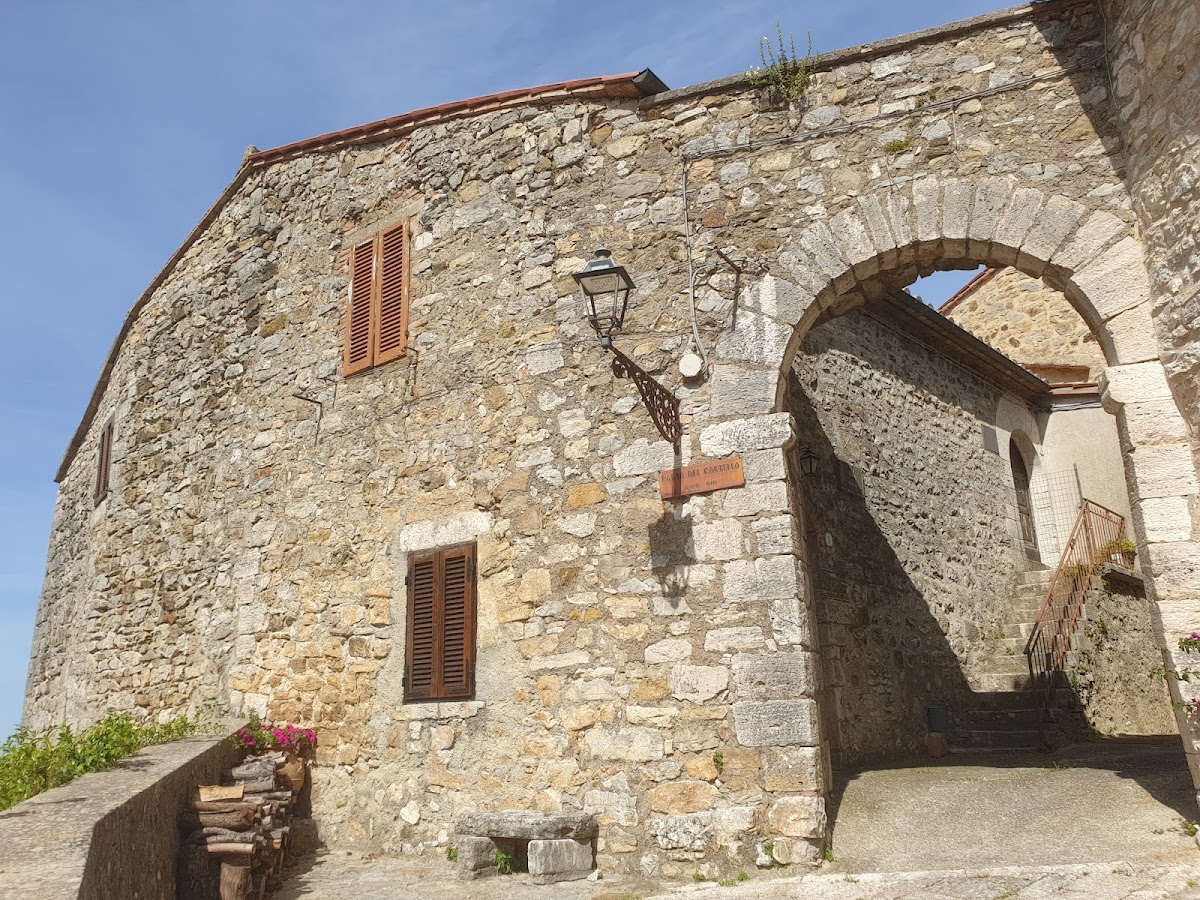
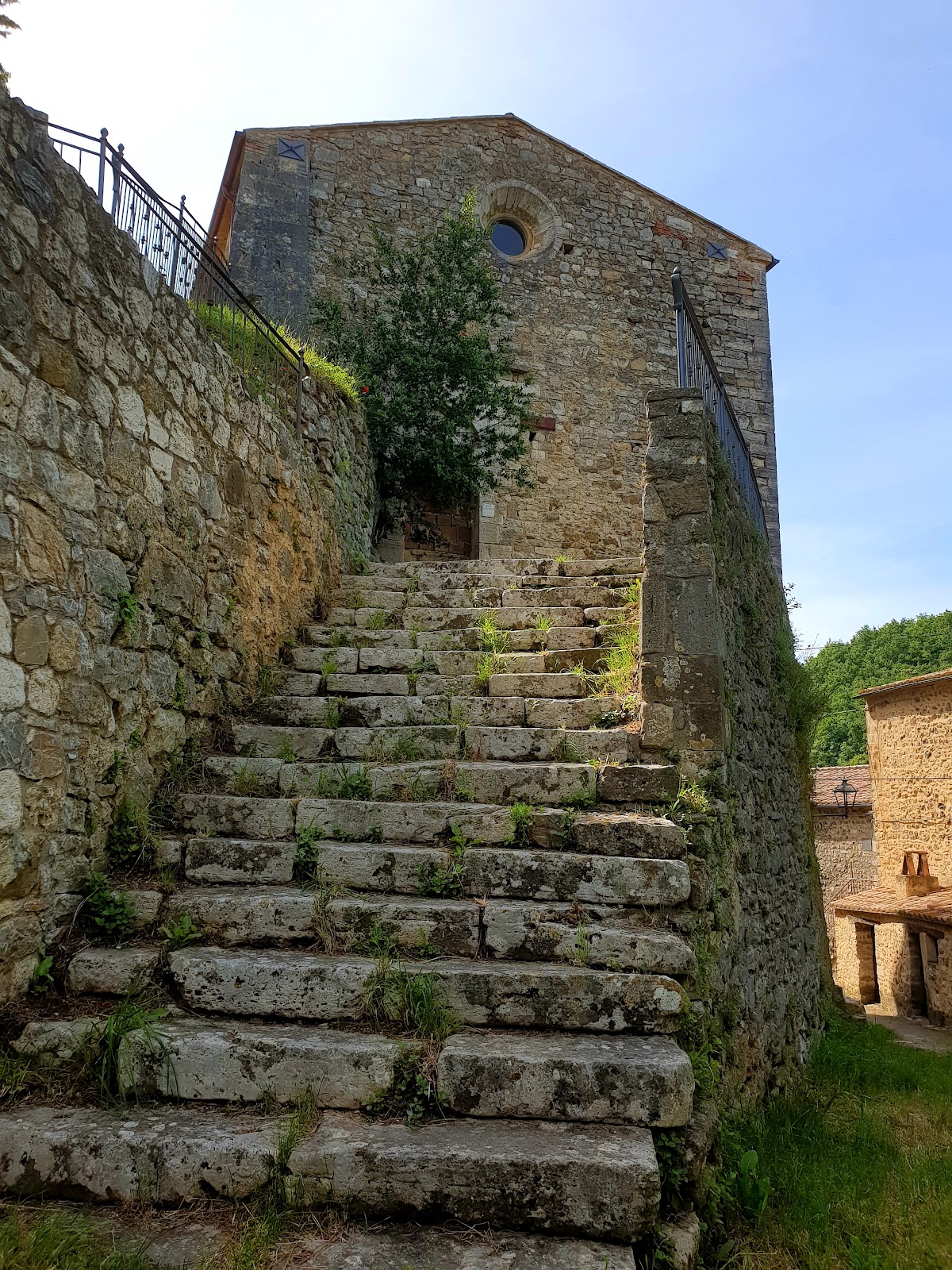
Entry to the castle area is controlled through several gates, the most notable being the Porta del Castello, which functioned as the primary access point. Within the fortified enclosure, various buildings stand mostly as independent structures rather than a single palatial complex. Of these, the parish church of Santa Cristina stands out. Though now deconsecrated, it was once the central religious site serving the village’s inhabitants.
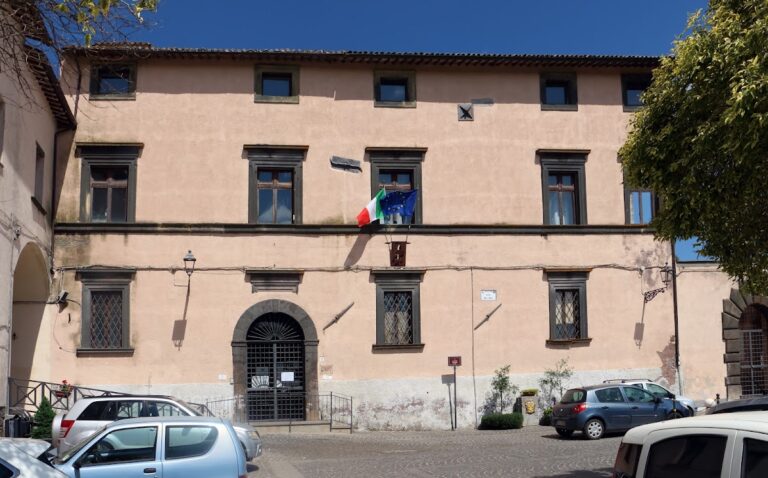
Other important civil buildings within the walls comprise the Palazzo Pretorio and the Palazzo di Giustizia, which historically held administrative and judicial roles. Supporting the community’s needs, a well-cistern provided water supply and underwent renovation during the 16th century, reflecting ongoing maintenance and adaptation of the castle’s infrastructure during its later phases of use. Together, these features illustrate the castle’s role as the fortified nucleus of the village, integrating military defense with civil and religious life.
Nearby sites