Ferme de Marsiliana: A Fortified Farm in Tuscany
Site at a Glance
- Rating
- 4.8
- Popularity
- Very Low
- Country
- Italy
- Primary era
- Medieval
- External website
- Open
- Eras represented
- Medieval, Modern
- Civilizations
- Holy Roman Empire, Italian
- Site type
- Domestic
- Remains
- Manor House
On this page7 sections
History
Medieval origins
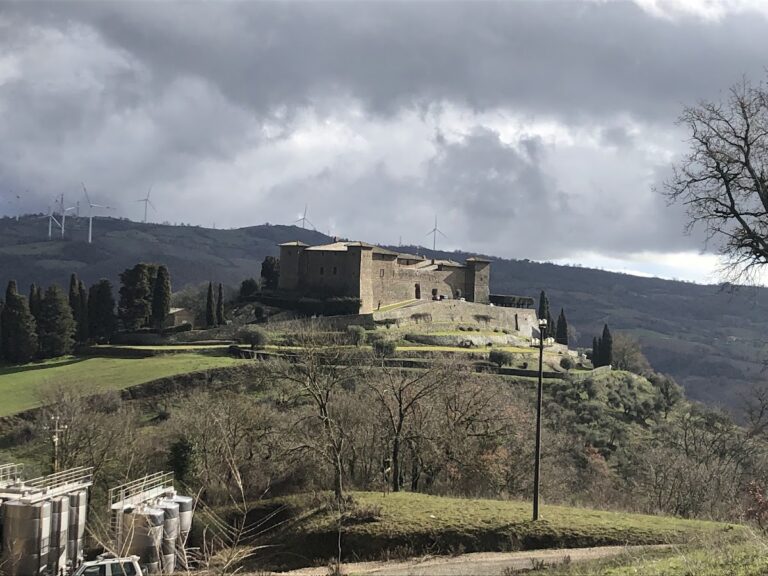
Ferme de Marsiliana is a fortified farm in Marsiliana, Italy, developed from a medieval castle near an ancient parish church during the twelfth century. It formed part of the defensive system consolidated in southern Tuscany under the Aldobrandeschi, a powerful medieval family that controlled territories and fortified sites in the region.
Known as Marsiliana d’Albegna, the domain belonged to the Aldobrandeschi in the thirteenth century. Sienese control followed in the fourteenth century, before the Medici, the ruling dynasty of Florence and Tuscany, conquered the territory around the middle of the sixteenth century. After a brief period under the State of the Presidi, a Spanish-controlled coastal territory in southern Tuscany and nearby areas, Marsiliana was incorporated into the Grand Duchy of Tuscany.
Later ownership and transformation
In the eighteenth century, the complex passed to the Corsini princes of Florence. The Corsini undertook an extensive restoration campaign at the end of the nineteenth century, and the property remains in the ownership of the Florentine family. After the Second World War, reclamation by the Ente Maremma, an Italian agency that converted marshland into cultivable land, transformed the surrounding wetlands into arable fields. The settlement then developed around the former State Road 74 Maremmana, forming the present village. The complex remains in use.
Remains
Fortified medieval core
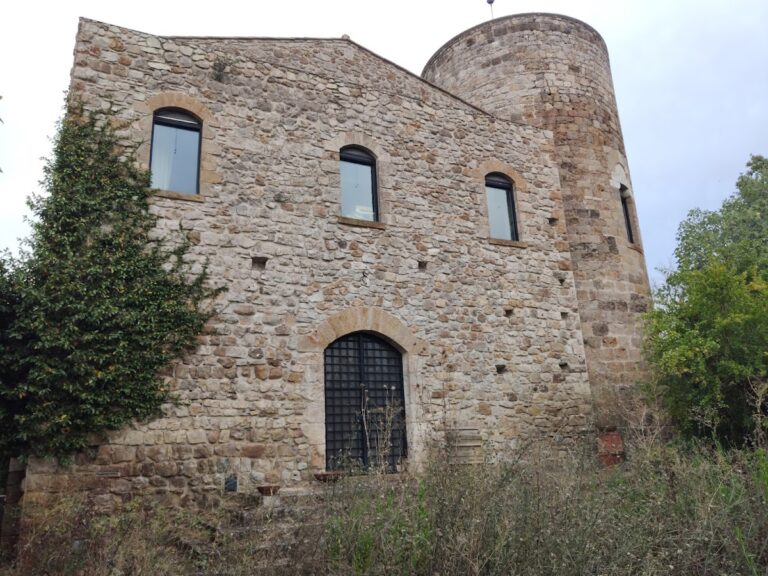
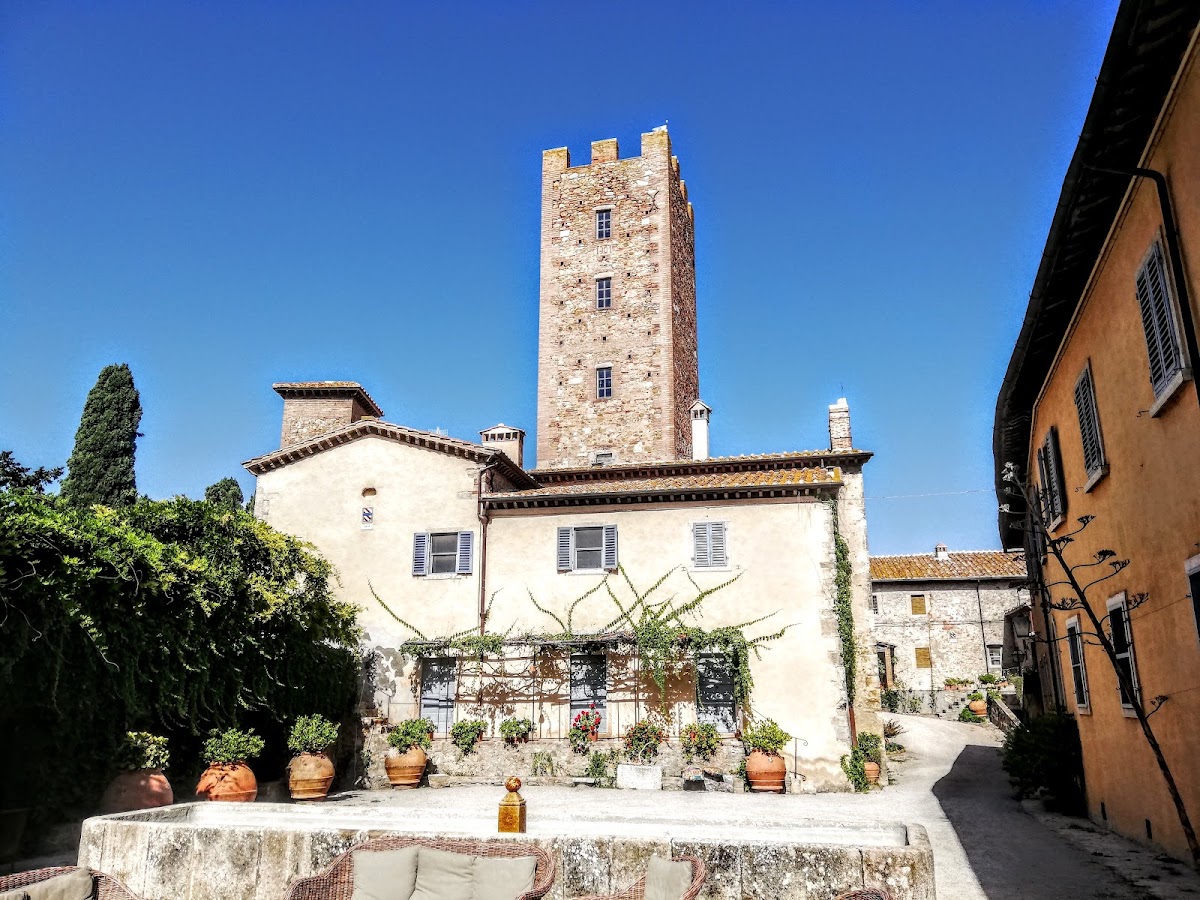
The complex is arranged around a square medieval tower that forms its fortified core. Built with stone walls, the tower has a crenellated summit, a battlement formed by alternating raised sections and openings along the top of the structure. The surrounding farm buildings extend from this central medieval element as an extensive connected group.
Manor house and chapel
The manor house rises through several levels and has quadrangular windows and plastered walls. Its present appearance reflects alterations made after the eighteenth century. A small church within the complex served formerly as a noble chapel, adding a religious building to the residential and agricultural functions of the estate.
Former castle settlement
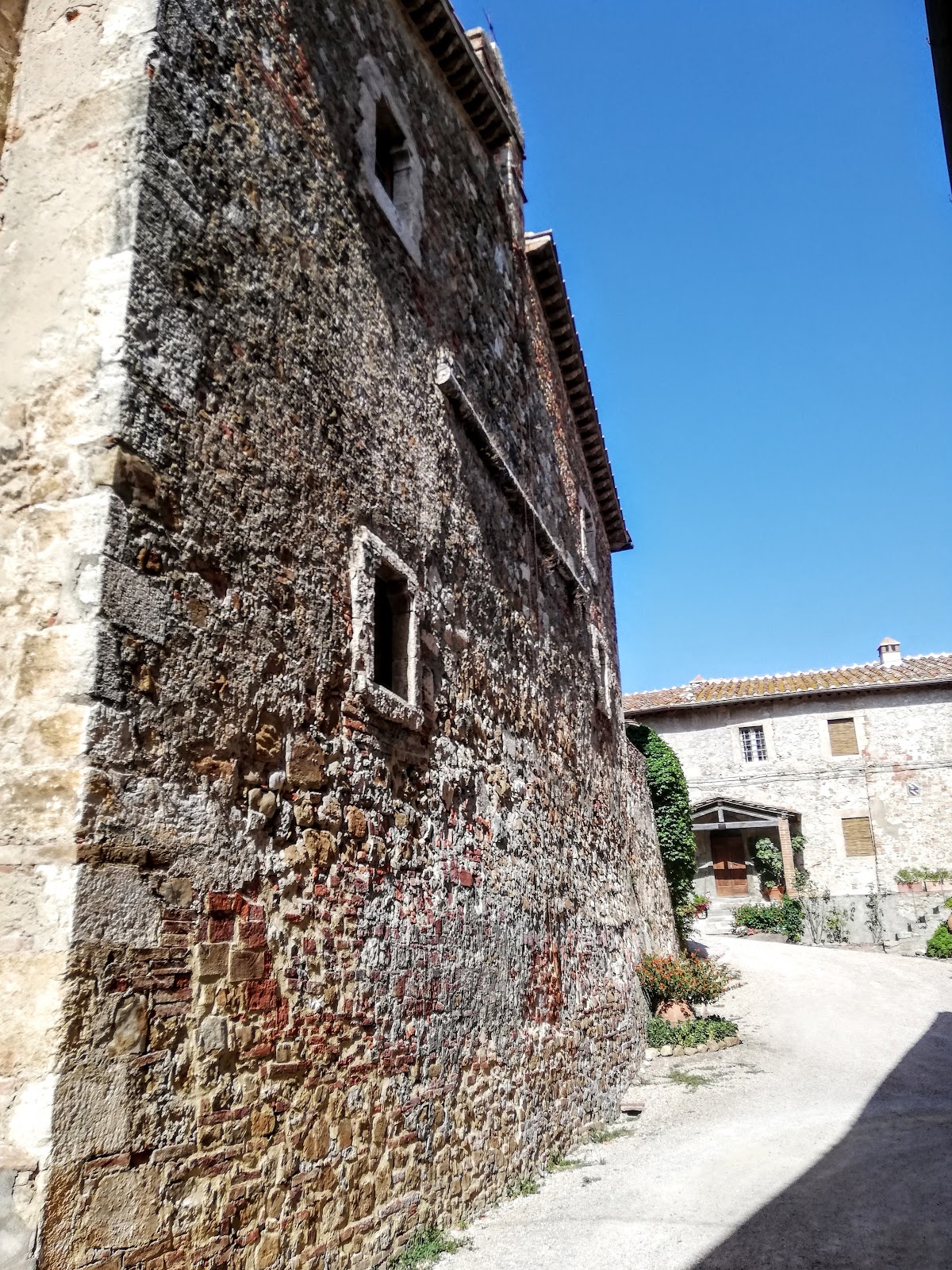
At the opposite end of the complex stands a group of stone-walled buildings that formed the small settlement around the original castle. These structures were later converted into agricultural buildings for the farm and are now used as residential units.