Castle of Grinzane Cavour: A Historic Landmark in Northern Italy



Visitor Information
Google Rating: 4.6
Popularity: Medium
Google Maps: View on Google Maps
Official Website: www.castellogrinzane.com
Country: Italy
Civilization: Unclassified
Remains: Military

History
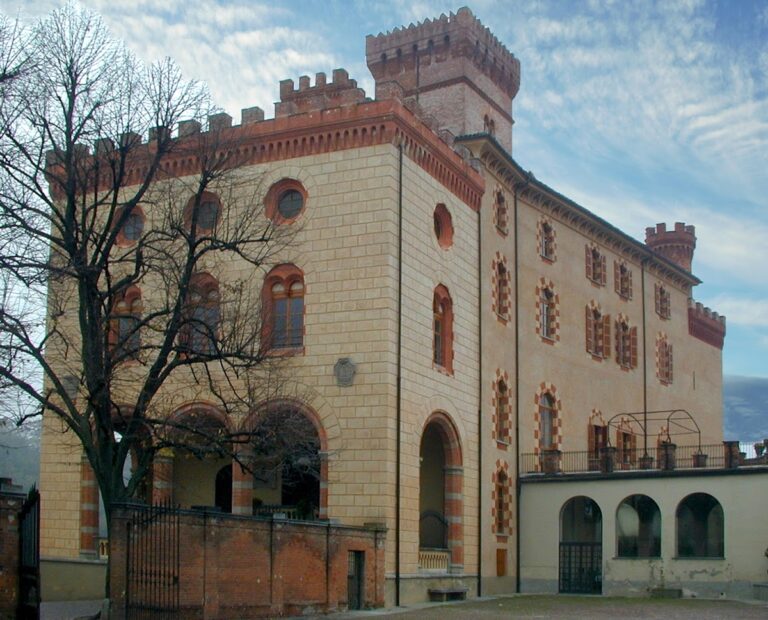
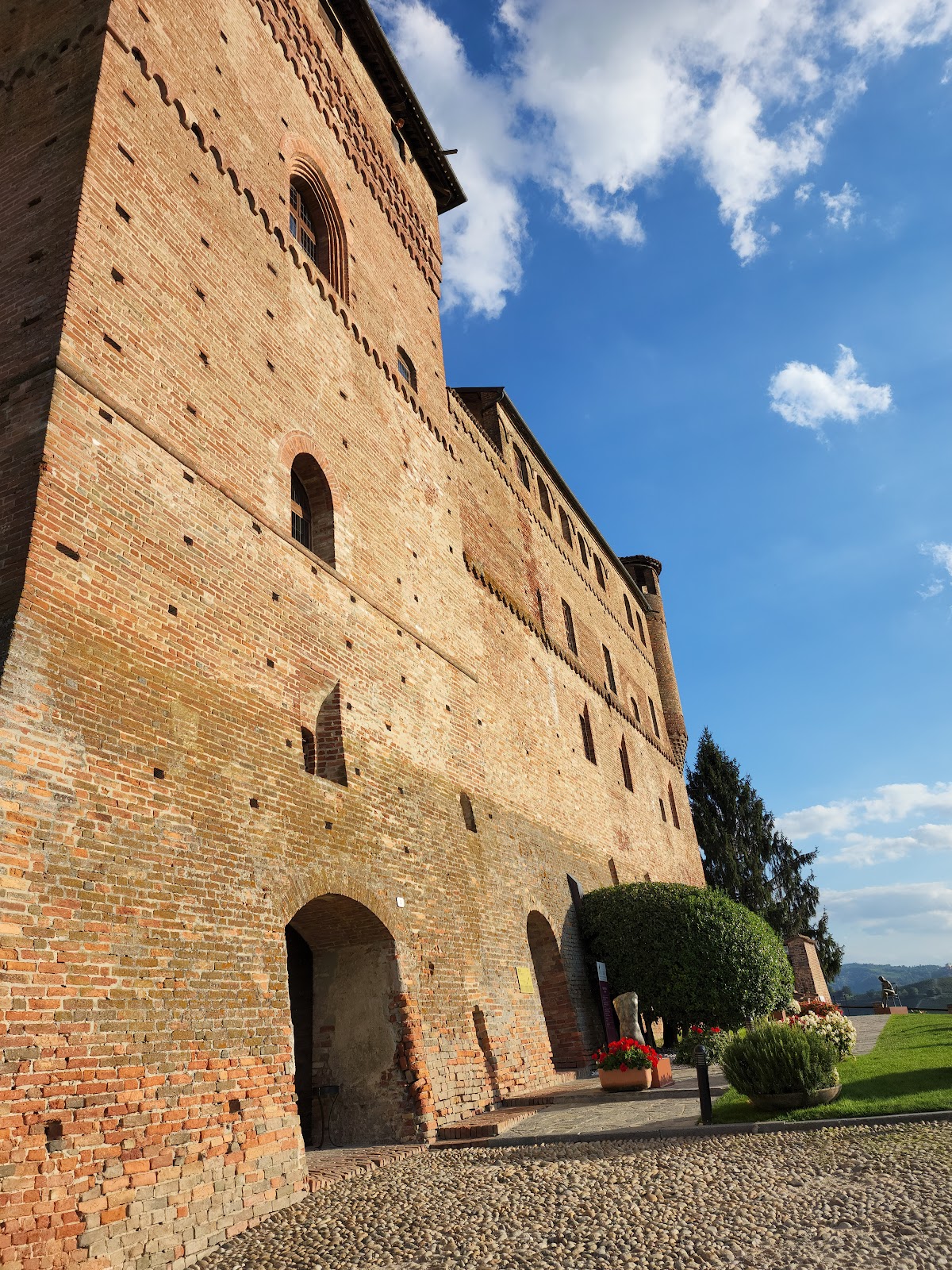
The Castle of Grinzane Cavour is situated in the municipality of Grinzane Cavour in northern Italy. Its origins trace back to the medieval period with construction attributed either to the 13th century or to around 1350. The earliest part of the castle is a large tower, believed to be the original core from which the rest of the structure was later built.
During the 15th century, the castle and the surrounding lands were owned by the Marquis of Busca, an aristocratic family whose heraldic insignia were uncovered beneath plaster in some of the castle’s rooms. This period marked the castle’s function as a noble residence, although records about ownership following the Marquis of Busca are limited, indicating changes in proprietors over time without detailed documentation.
In the 19th century, the castle gained significant historical importance as the residence of Camillo Benso, Count of Cavour. Arriving in 1830 as a guest of his maternal relatives, the De Tonnerre family, Cavour undertook management of the estate. He applied modern agricultural techniques, notably expanding vineyards and adopting innovative cultivation methods. His role extended beyond estate management; between 1832 and 1849, he served as mayor of the local municipality, leading infrastructural enhancements including canal construction and experimenting with sugar beet cultivation. Cavour’s presence linked the castle to the broader narrative of Italian unification, as he was a central figure in the Risorgimento, the movement that led to Italy’s unification.
Since 1967, the castle has been dedicated to celebrating the region’s wine heritage by housing the Cavour Regional Enoteca. This initiative promotes key wines from the Langhe area, such as Barbaresco and Barolo. It also preserves the castle’s 19th-century atmosphere in various rooms, some specifically commemorating Count Cavour’s residence and the local wine production tradition.
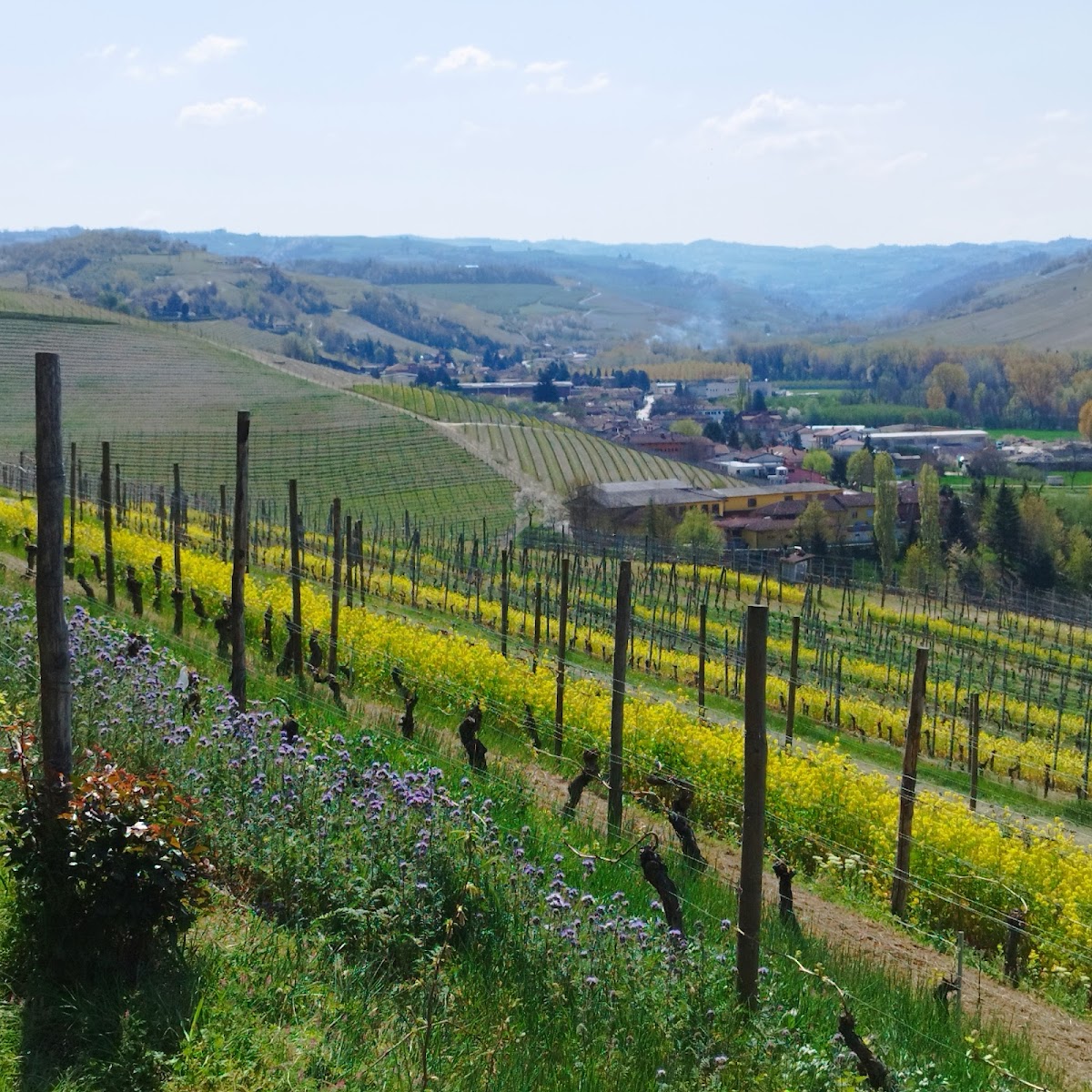
The site’s cultural importance was further recognized in 2014 when it was included, along with surrounding vineyard landscapes, on the UNESCO World Heritage list under the designation of the vineyard landscape of Piedmont: Langhe-Roero and Monferrato.
In 2010, a new structure designed by architect Giorgio Teggi was added to the castle complex. Built into the hill on which the castle stands, this building provides educational and multipurpose spaces, including a 60-seat teaching room and a congress hall that accommodates over 250 people, equipped with modern audio-visual technology.
Additionally, the castle serves as the venue for the annual World White Truffle Auction of Alba, a high-profile charity event attracting prominent figures from Italy and abroad, linking the site to important cultural and societal gatherings.
Remains
The Castle of Grinzane Cavour presents a robust rectangular layout with a formidable and imposing presence. Its most ancient component, a large keep or mastio, forms an entire wing and is considered the castle’s original nucleus. The main structure extends in a U-shape and is surrounded by a series of defensive turrets. Among these, two turrets have a square form, while two others, added during the 16th century, are round and described as pensile, meaning they overhang the walls, a feature that would have been advantageous for castle defense.
The castle’s exterior walls are punctuated by numerous windows, which appear most uniformly along the southern façade, where they align regularly over three floors. The eastern and western faces also contain many windows, contrasting sharply with the northern façade, which features only two openings.
Inside, the Sala delle Maschere, or Masques Hall, stands out for its decorated ceiling, comprising 157 panels. These panels bear coats of arms, animal representations, and allegorical images celebrating the 1517 marriage of Pietrino Falletti, a past owner of the castle. This room illustrates the castle’s role not only as a military or defensive structure but also as a setting for noble life and commemorative art.
Preservation of the castle’s structure has been careful and thorough, maintaining its historical integrity. The modern building added in 2010 nestles into the hillside beneath the castle. It contains office spaces, versatile rooms, a didactic hall accommodating 60 seats, and a larger congress hall with over 250 seats, outfitted with the latest audiovisual equipment to support educational and cultural activities.
Within the castle complex lies a wine cellar, or enoteca, supporting the promotion and appreciation of local wines. Adjacent facilities include a café and the Michelin-starred restaurant Marc Lanteri Al Castello, underlining the castle’s ongoing role as a center for culinary and cultural experiences tied to its historic identity.
Since 2021, the grounds have featured a didactic path focused on the history of wine and vine cultivation. This path allows visitors to explore the agricultural traditions that have shaped both the landscape and heritage of the region surrounding the castle.
Nearby sites