Castillo de Vallehermoso: A Medieval Fortress in Olvera, Spain

Visitor Information
Google Rating: 4.1
Popularity: Very Low
Google Maps: View on Google Maps
Official Website: andaluciarustica.com
Country: Spain
Civilization: Unclassified
Remains: Military

History
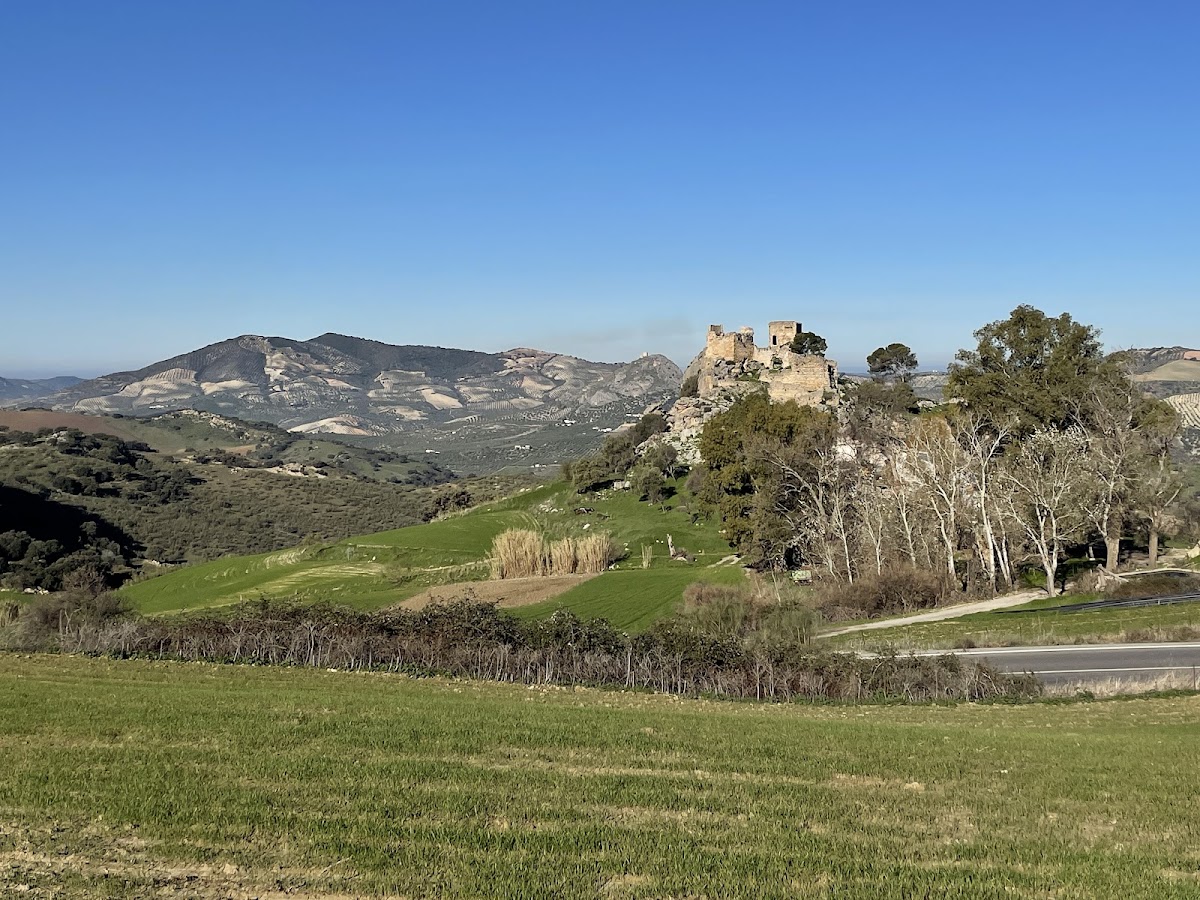
The Castillo de Vallehermoso, located in the municipality of Olvera in Spain, was originally constructed by the Nasrid Kingdom of Granada. This small fortress played a strategic role as a border defense point for the Nasrids, protecting their northern frontiers.
In 1327, during the expansionist campaigns led by Alfonso XI of Castile, the castle was captured along with the nearby towns of Olvera and Pruna. These military actions were part of a broader effort by the Castilian crown to weaken Nasrid control in the region. The campaign culminated in Alfonso XI’s decisive victory at the Battle of Teba in 1330, after which the fortress remained under Christian rule.
Following its capture, the Castillo de Vallehermoso served as a military stronghold for the Castilian kingdom, overseeing border security in this part of Andalucía. Over time, the castle gradually fell into disuse and eventually became ruinous. Its historical significance was recognized in the late 20th century when it was officially designated as a site of cultural interest in 1985. Since then, efforts to preserve and restore the castle have been proposed to safeguard its legacy.
Remains
The Castillo de Vallehermoso stands on a porous tuff ridge, a type of rock formed from volcanic ash. Its compact layout limits approach primarily to one side, where an access ramp leads to a doorway once decorated with an alfiz—a framed arch typical in Islamic architecture. This entrance was constructed from brick, though today only fragments of this detail remain.
A central feature of the castle is the keep, or torre del Homenaje, which was designed to protect the main entrance. Above this tower, traces of a small machicolation are visible. Machicolations are openings through which defenders could drop objects or pour liquids on attackers positioned below. Beneath the keep, there is a cistern, known locally as an aljibe, which is now almost completely sealed. This underground water reservoir was essential for sustaining the garrison during sieges.
Encircling the castle, the walls are relatively thin and were likely topped by a wooden adarve—a narrow walkway allowing defenders to patrol the perimeter. Within the enclosure stands an elongated multi-story building that resembles a tower, accessible only from the upper floor. This structure is believed to date back to the original construction period of the castle. In more recent times, it was repurposed as a livestock pen, reflecting a shift from its military role. It may also have accommodated a small garrison responsible for guarding the fortress and its surroundings during the castle’s active use.
Currently, the site remains in a state of ruin but retains these key architectural elements, which provide insight into its function as a frontier fortress during the medieval period. Restoration plans by local heritage organizations seek to highlight these features while stabilizing the castle’s fragile remains.
Nearby sites