Castillo del Laurel: A Late-Medieval Fortress in Ronda, Spain
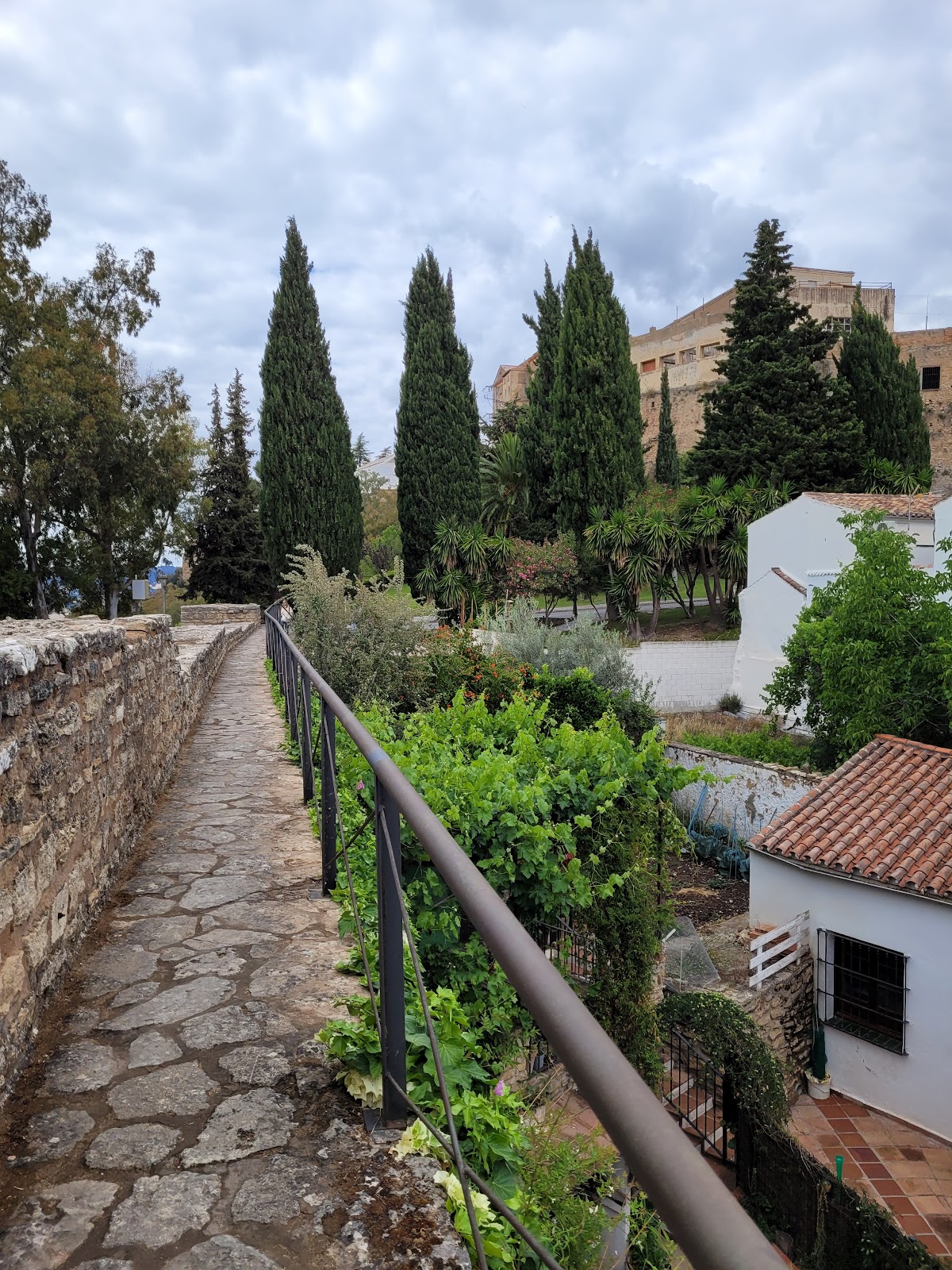


Site at a Glance
- Rating
- 4
- Popularity
- Very Low
- Country
- Spain
- Primary era
- Medieval
- External website
- Open
- Eras represented
- Medieval
- Civilizations
- Nasrid
- Site type
- Military
- Remains
- Castle
On this page7 sections
History
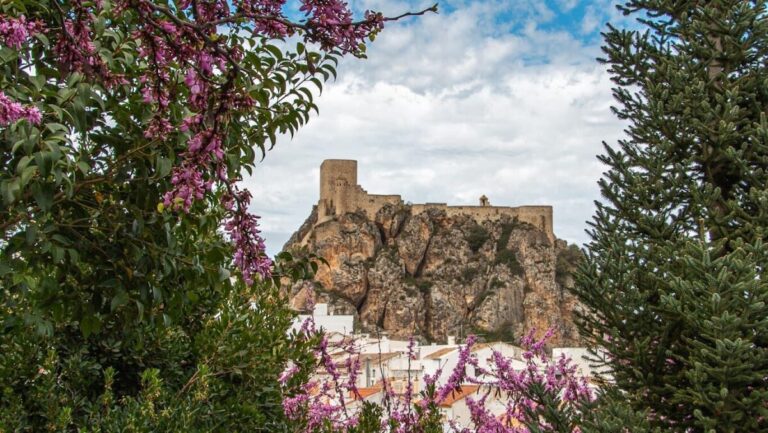
Castillo del Laurel was a late-medieval fortification in Ronda, Spain, built on foundations thought to derive from an earlier structure called Castillo del Laurel or Laurus. The castle occupied a rocky outcrop within the urban area and became the focus of settlement in the upper part of the town.
Roman Ronda and the Laurus tradition
The Roman name of the area remains uncertain. Inscriptions and archaeological remains associate Ronda with Arunda, a Baetican city that possessed the ancient Latin right, a legal status granting specified civic privileges under Roman rule. Ronda was distinct from Acinipo, a separate city later known as Ronda la Vieja that was once confused with it. Acinipo became more important during the Roman period but was later abandoned, while Ronda continued its development.
Under Augustus, the first Roman emperor, the municipality belonged to Hispania Ulterior Baetica and was linked at different times with the conventus districts of Astigi, Gades, and Hispalis. A Roman conventus was a regional administrative and judicial district. The settlement probably occupied the areas later associated with the Barrio de la Villa or Espíritu Santo and the Barrio Viejo or San Miguel, while later medieval growth concentrated around the fortress in the upper part of the town.
The early Castillo del Laurel, also called Laurus, may have been built by the Arundense military order. A tradition says that this order was founded at Ronda among several military orders established by Scipio, the Roman military name associated with commanders involved in Rome’s expansion in the western Mediterranean. This attribution is uncertain.
Francisco Lozano argued that the battle of Munda took place at Ronda and that the city was destroyed afterward, with only the castle and a temple surviving. In his interpretation, the population moved across the river to a settlement called Laurus. That settlement was later occupied by the Visigoths, a Germanic people who established a kingdom in parts of Hispania during late antiquity, and was called Onda or Unda. The river itself was called Undo.
Medieval transformation
The medieval fortress incorporated the foundations of the earlier castle and helped shift the centre of settlement toward the upper town. The religious centre on the same rocky outcrop also changed function. A temple was converted into a mosque and later became the principal church. Another mosque stood across a plaza from the castle, while the settlement extended behind it toward the edges of the rock.
The area associated with the former Laurus settlement later contained Ronda’s Jewish quarter. This district developed around the first Christian church, Santa Cecilia, now known as Padre Jesús. The castle and its surrounding urban fabric therefore formed part of a landscape repeatedly reshaped by Roman, Visigothic, Islamic, and Christian phases.
Protection and historical status
The remains of Castillo del Laurel are protected under the general declaration established by the Decree of 22 April 1949 and under Spain’s Historical Heritage Law 16/1985. The site has held the status of an Asset of Cultural Interest since 1985.
Remains
Castillo del Laurel survives as a protected archaeological and historical feature on a rocky outcrop within Ronda’s urban fabric. The late-medieval fortress used the foundations of the earlier Castillo del Laurel or Laurus, and its position made it the central feature of settlement in the upper part of the town. The surviving remains are connected with the wider archaeological history of Ronda, including the former Roman settlement and later urban development around the fortress.
Fortress and rocky outcrop
The castle occupied the rocky outcrop that became the upper settlement’s focal point. Its foundations were incorporated into the medieval fortress, whose remains retain the physical evidence of this earlier phase. The castle stood opposite a mosque across a plaza, while the settlement extended behind the religious centre toward the edges of the rock.
Religious buildings and urban setting
A temple once stood on the same outcrop as the castle. It was subsequently converted into a mosque and then into the principal church, giving the site a sequence of religious uses within the changing town. The relationship between the castle, the mosque across the plaza, and the settlement behind it defines the surviving historical setting of the former fortress.